

Last updated: October 2026
Shiitake mushrooms are a nutritious food, providing fibre, B vitamins and copper, and in one trial eating 5 to 10g a day for four weeks improved immune markers. The best-known side effect is shiitake dermatitis, an itchy, whip-like rash caused by eating raw or undercooked shiitake. Cook them thoroughly, and take care with concentrated supplements.
Below: shiitake benefits and what the research says, side effects including shiitake dermatitis, who should be careful, and how to cook them safely.
What are shiitake mushrooms?
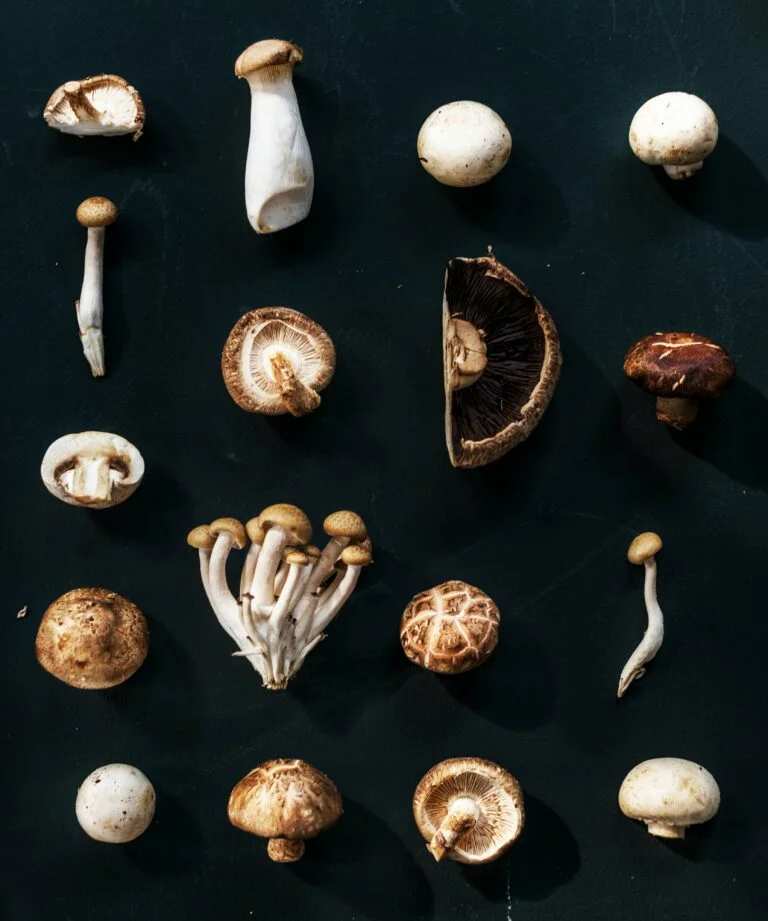
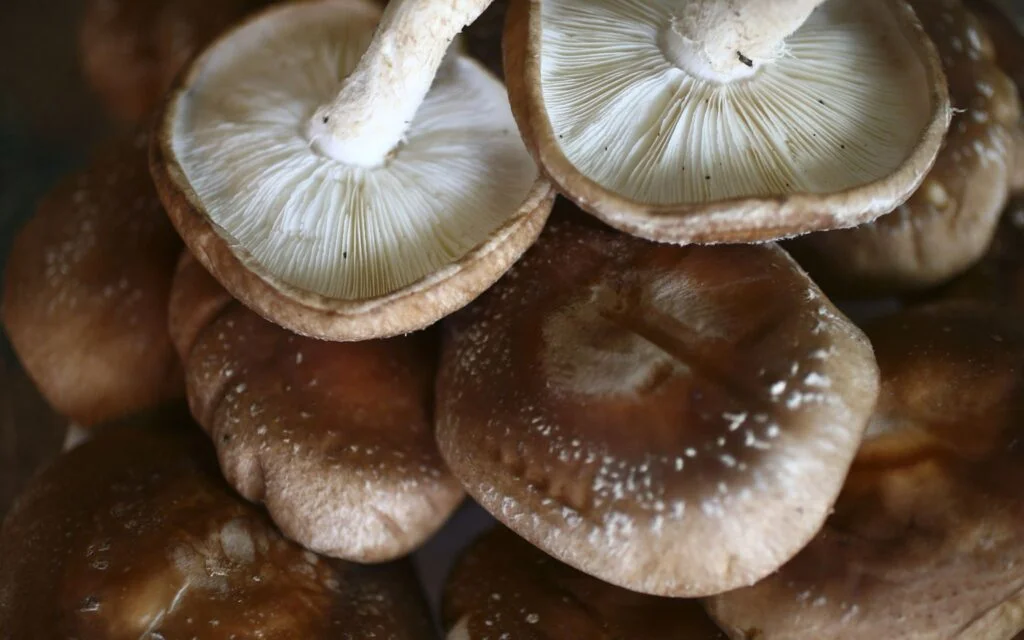
Shiitake (Lentinula edodes) are brown-capped mushrooms native to East Asia and now one of the most widely eaten mushrooms in the world. They have a rich, savoury (umami) flavour and are sold fresh, dried and as supplements. Dried shiitake are especially flavourful in soups, stocks and stir-fries.
Shiitake nutrition
Shiitake are low in calories and provide fibre, several B vitamins (including B5 and B6), copper, selenium and zinc. Like other mushrooms, they contain beta-glucans, a type of fibre that interacts with the immune system. Mushrooms exposed to UV light (including sunlight) produce vitamin D, so some shops sell UV-treated mushrooms that are a useful source, though not a replacement for the NHS’s winter vitamin D advice. See vitamin D in winter.
Shiitake benefits: what the research shows
| Benefit | Evidence |
|---|---|
| Immune function | In a 2015 controlled trial, healthy adults who ate 5 or 10g of shiitake daily for 4 weeks showed improved immune cell function and less inflammation in blood tests |
| Cholesterol and heart health | A compound called eritadenine lowered cholesterol in animal studies; human evidence is limited |
| Gut health | Fibre and beta-glucans feed gut bacteria, as with other mushrooms and wholegrains |
| Cancer | Lentinan, a shiitake extract, is used alongside cancer treatment in Japan, but eating shiitake isn’t a cancer treatment |
Most benefits come from eating shiitake as part of a varied diet. Compare other mushrooms in functional mushrooms UK guide.
Shiitake mushroom side effects
- Shiitake dermatitis: an itchy rash after eating raw or undercooked shiitake (see below).
- Digestive upset: bloating or diarrhoea, especially with large amounts or concentrated extracts.
- Allergy: rare, but can include skin reactions or breathing problems. Mushroom growers can develop a lung reaction from breathing in spores.
- Supplements: extracts are more concentrated than the food. Check with your GP before taking them if you have an autoimmune condition, take immunosuppressants, or are pregnant or breastfeeding.
Shiitake dermatitis explained
Shiitake dermatitis is a striking rash of itchy red lines, often on the back, chest or arms, that look like whip marks. It usually appears one to two days after eating raw or undercooked shiitake. It’s thought to be caused by lentinan, a natural compound that breaks down with proper cooking.
- French poison centres recorded 59 cases between 2014 and 2019, almost all linked to raw or undercooked shiitake, for example lightly stir-fried, in soup or on pizza.
- A 2026 case report linked it to mushroom coffee containing shiitake, so supplements and drinks aren’t exempt.
- It usually clears up by itself within days to a few weeks. Antihistamines or creams may help the itch; see a pharmacist or GP.
How to cook shiitake safely
- Cook them thoroughly, until soft all the way through, rather than flash-frying or adding raw to salads.
- Simmer dried shiitake in soups and stocks for at least several minutes after rehydrating.
- Remove tough stems or use them in stock.
- Start with small amounts if you haven’t eaten them before.
Shiitake supplements and mushroom coffee
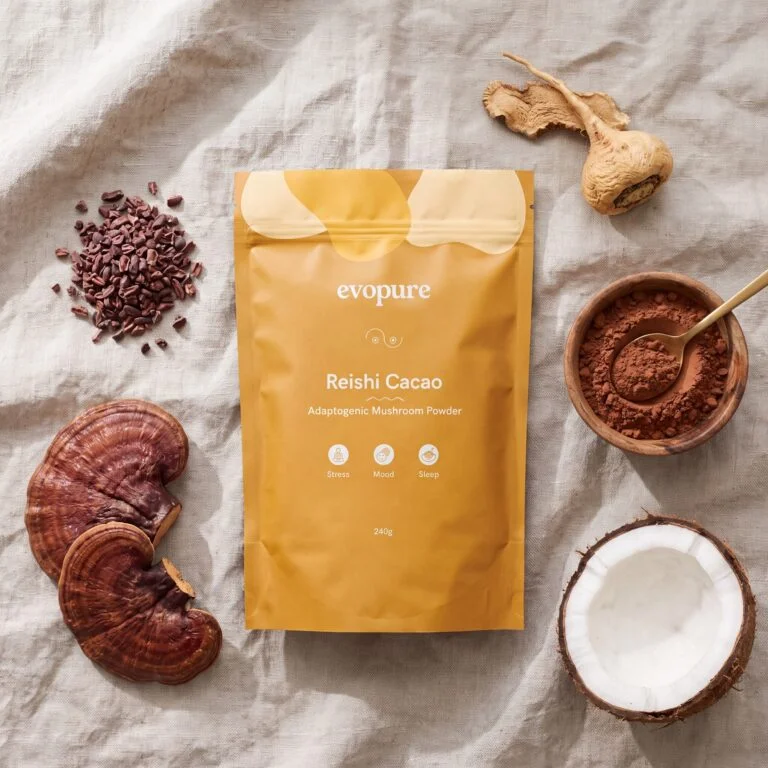
Shiitake extracts appear in capsules, powders and mushroom coffee blends. They’re more concentrated than eating the mushroom, so follow the label, and stop if you develop a rash or stomach upset. Check with your GP or pharmacist first if you take regular medicines. If you want a mushroom drink for the evening, reishi is the more traditional choice; see mushroom tea and mushroom coffee.
FAQs
What are the side effects of shiitake mushrooms?
The best-known is shiitake dermatitis, an itchy whip-like rash from raw or undercooked shiitake. Others include digestive upset and, rarely, allergy.
Can you eat shiitake raw?
It’s best not to. Raw or undercooked shiitake can cause shiitake dermatitis. Cook them thoroughly.
What are shiitake mushrooms good for?
They’re a nutritious food providing fibre, B vitamins and minerals. One trial found eating them daily for 4 weeks improved immune markers.
How long does shiitake dermatitis last?
Usually from a few days to a few weeks, and it clears up on its own. See a pharmacist or GP if the itch is severe.
Are shiitake supplements safe?
Generally, at label doses, but they’re concentrated. Check with your GP if you have an autoimmune condition, take immunosuppressants, or are pregnant.
How many shiitake mushrooms should I eat a day?
There’s no set amount. The immune study used 5 or 10g of shiitake a day, a small serving, as part of a normal diet.
Sources
- Dai X et al (2015). Consuming Lentinula edodes (shiitake) mushrooms daily improves human immunity: a randomized dietary intervention in healthy young adults. Journal of the American College of Nutrition.
- Boels D et al (2022). Shiitake dermatitis: experience of the Poison Control Centre Network in France from 2014 to 2019. Clinical Toxicology.
- Nguyen AH et al (2017). Clinical features of shiitake dermatitis: a systematic review. International Journal of Dermatology.
- Mijares J et al (2026). Flagellate erythema from mushroom coffee: a novel exposure route for shiitake dermatitis. International Journal of Dermatology.
This guide is general information, not medical advice.