Last updated: October 2026
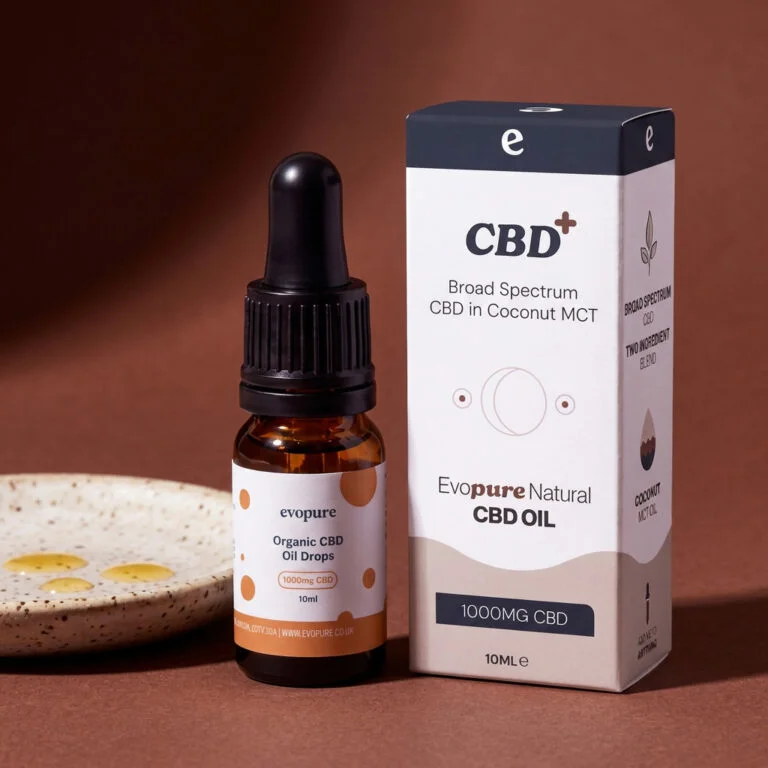
There’s no good evidence that CBD helps IBS. The only controlled trial of CBD in IBS, a CBD chewing gum tested in 32 women, found no difference in pain compared with placebo. Interest comes from the gut’s endocannabinoid system and from personal stories. CBD is generally well tolerated, but NICE-recommended diet changes and treatments are what work.
This guide covers what the research actually shows, why some people with IBS still try CBD, how to do that safely, what helps IBS, and the symptoms that mean you should see a GP.
What the research shows
| Study | What was tested | Result |
|---|---|---|
| CBD gum trial, 2022 | 32 women with IBS; 50mg CBD chewing gum vs placebo gum, used as needed | No difference in pain at group level; people used fewer gums than expected |
| Dronabinol trials, 2011 and 2012 | Synthetic THC in IBS with diarrhoea | Slowed some gut movements in lab measures; not a CBD study, and THC is a controlled drug |
| Animal and lab studies | Cannabinoids and gut movement or inflammation | Interesting biology, not evidence in people |
In short, CBD hasn’t been shown to help IBS symptoms, and there are no good-quality trials of CBD oil for IBS. Online stories of CBD “curing” IBS aren’t evidence; IBS symptoms naturally come and go.
Why people try CBD for IBS
- The gut has cannabinoid receptors. The endocannabinoid system is involved in gut movement and sensation, which makes it a research target. See what is the endocannabinoid system?
- Stress and IBS are linked. Many people notice flare-ups when stressed and use CBD as part of a calming routine.
- Sleep. Poor sleep and IBS often go together. See CBD for sleep.
If you want to try CBD
- Get a diagnosis first. Don’t assume gut symptoms are IBS.
- Check with a pharmacist if you take any medicines, including antidepressants used for IBS, as CBD can interact with some. See can CBD interact with medication?
- Start low: around 10mg a day. The FSA’s 10mg a day figure is precautionary advice rather than a legal limit, set while longer-term safety research continues. At Evopure we think it is a very cautious figure, and many adults use more. If you go above it, increase slowly, and check with your GP or pharmacist first if you take any medication.
- Watch your gut. Diarrhoea is a known side effect of high-dose CBD, and the oil base can loosen stools in some people. Capsules or taking CBD with food may suit sensitive stomachs. See can CBD cause constipation? and CBD side effects.
- Keep a symptom diary for four weeks so you can judge honestly.
- Choose a THC-free, lab-tested product from a brand on the FSA public list.
What works for IBS (NICE and NHS)
| Approach | What it involves |
|---|---|
| Diet and lifestyle first | Regular meals, enough fluids, less alcohol, fizzy drinks and caffeine, adjusting fibre, regular activity |
| Low FODMAP diet | A short elimination diet, ideally with a dietitian, then reintroducing foods |
| Medicines | Antispasmodics for cramping, laxatives for constipation, loperamide for diarrhoea, and low-dose antidepressants if these don’t help |
| Peppermint oil | Available from pharmacies; may help cramping |
| Psychological therapies | CBT or gut-directed hypnotherapy for ongoing symptoms |
| Probiotics | NICE suggests trying one for at least four weeks if you’d like to |
For constipation-type IBS, see also magnesium for constipation, and for digestion more widely, supplements for digestion.
When to see a GP
See a GP if you have gut symptoms that keep coming back, and urgently if you have any of these:
- blood in your poo or bleeding from your bottom
- unexplained weight loss
- a lump in your tummy or bottom
- a change in bowel habits lasting more than a few weeks, especially if you’re over 60
- symptoms that wake you at night, or a family history of bowel cancer, coeliac disease or inflammatory bowel disease
Crohn’s disease and ulcerative colitis are different from IBS. See CBD and Crohn’s disease.
FAQs
Does CBD help IBS?
There’s no good evidence it does. The only controlled trial of CBD in IBS found no difference in pain compared with placebo.
Can CBD make IBS worse?
It can for some people. Diarrhoea is a known side effect at high doses, and the oil base can loosen stools. Start low and keep a symptom diary.
What is the best CBD for IBS?
No CBD product has been shown to help IBS. If you try one, choose a THC-free, lab-tested product; capsules may suit sensitive stomachs better than oil.
How much CBD should I take for IBS?
There’s no evidence-based dose for IBS. If you try it, start around 10mg a day and increase slowly. Check with a pharmacist if you take medicines.
Can I take CBD with IBS medication?
Ask your pharmacist first. CBD can interact with some medicines, including some antidepressants used for IBS.
Sources
- NICE. Irritable bowel syndrome in adults: diagnosis and management (CG61).
- NHS. Irritable bowel syndrome (IBS).
- van Orten-Luiten AB et al. Effects of cannabidiol chewing gum on perceived pain and well-being of irritable bowel syndrome patients. Cannabis Cannabinoid Res, 2022.
- Wong BS et al. Dronabinol effects on colon transit in IBS with diarrhoea. Neurogastroenterol Motil, 2012.
- emc. Epidyolex: summary of product characteristics.