






Last updated: October 2026
Box breathing is a simple technique: breathe in for 4 seconds, hold for 4, breathe out for 4, hold for 4, and repeat for a few minutes. The steady rhythm slows your breathing and gives your mind something to focus on, which can help with stress, anxiety and falling asleep. It’s used by everyone from nurses to the armed forces.
Below: how to do box breathing step by step, box breathing for anxiety, panic and sleep, how it compares with other breathing exercises, and tips.
How to do box breathing
- Get comfortable. Sit upright with your feet on the floor, or lie down.
- Breathe out fully through your mouth.
- Breathe in slowly through your nose for a count of 4.
- Hold gently for a count of 4.
- Breathe out slowly through your mouth for a count of 4.
- Hold again for a count of 4.
- Repeat for 3 to 5 minutes.
Picture tracing the 4 sides of a square as you go: up, across, down, across. That’s where the name comes from.
Why box breathing works
When you’re stressed, breathing tends to get fast and shallow. Slowing it down sends a calming signal to your nervous system, and counting keeps your attention away from worrying thoughts. In a 2023 Stanford study, people who did 5 minutes of breathing exercises a day for a month, including box breathing, reported better mood and less anxiety. Exercises with a longer out-breath, called cyclic sighing, had a slightly bigger effect. See nervous system regulation.
Box breathing for anxiety, panic and sleep
| Situation | How to use it |
|---|---|
| Feeling anxious | 3 to 5 rounds whenever you notice tension rising. See anxiety symptoms |
| During a panic attack | If holding your breath feels hard, skip the holds and just breathe in for 4, out for 6. See how to stop a panic attack |
| Before a stressful event | 2 minutes beforehand: a meeting, an exam, a presentation |
| To fall asleep | In bed with lights off, try a gentler 4-4-6-2 rhythm. See how to fall asleep fast |
| Morning anxiety | Before you pick up your phone. See morning anxiety |
Box breathing vs other breathing exercises
| Technique | How | Best for |
|---|---|---|
| Box breathing | In 4, hold 4, out 4, hold 4 | Focus and staying calm under pressure |
| Cyclic sighing | 2 short breaths in through the nose, one long breath out | Quick calm, low mood |
| 4-7-8 breathing | In 4, hold 7, out 8 | Winding down at bedtime |
| NHS calming breath | In through the nose, out through the mouth, counting steadily from 1 to 5 | Everyday stress |
The best technique is the one you’ll actually use. See how to relieve stress.
Tips if it feels hard
- Shorten the count to 3, or drop the holds.
- Breathe into your belly, not your chest. Put a hand there to feel it rise.
- Don’t force it. Gentle is better.
- Practise when calm so it’s automatic when you need it.
- Stop if you feel dizzy, and breathe normally.
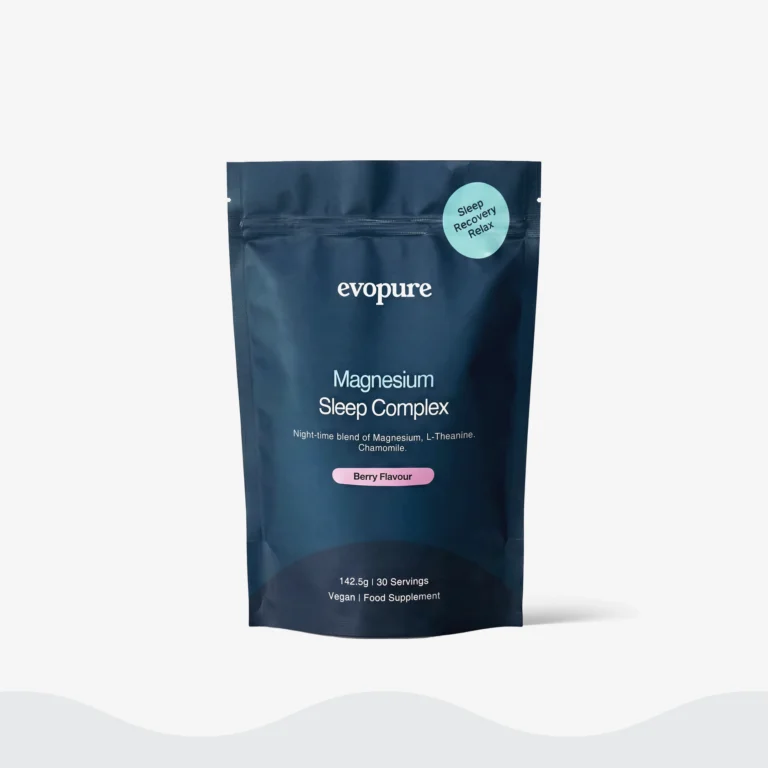
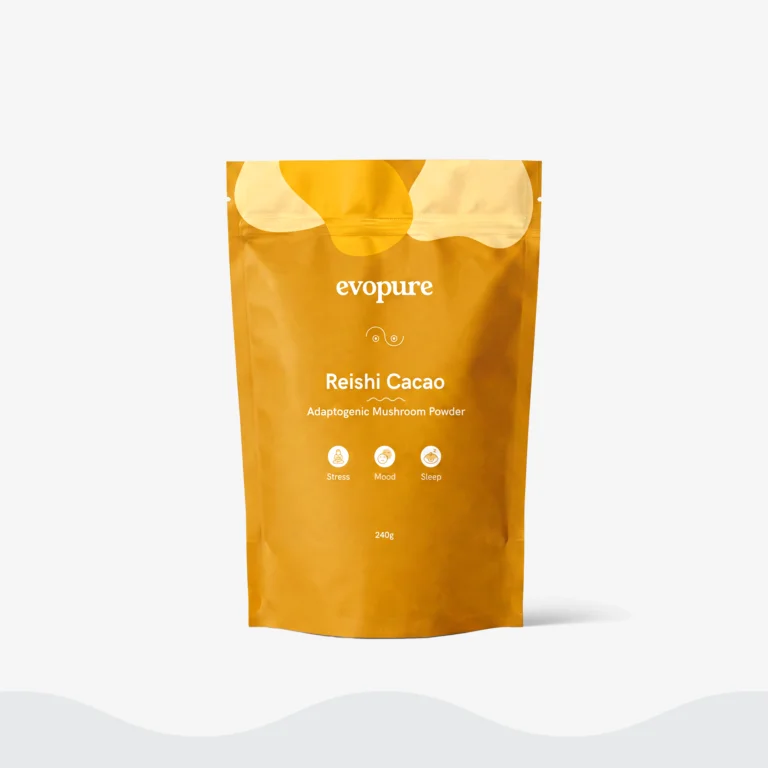
Many people pair breathing exercises with a calm evening routine. Our Magnesium Glycinate Sleep Complex is a bedtime drink, and magnesium contributes to the normal functioning of the nervous system. Our Reishi Mushroom Adaptogenic Complex is a cosy hot chocolate.
FAQs
How do you do box breathing?
Breathe in for 4 seconds, hold for 4, breathe out for 4, hold for 4, and repeat for 3 to 5 minutes.
Does box breathing help anxiety?
Many people find it calming. A 2023 study found daily breathing exercises, including box breathing, improved mood and reduced anxiety.
How long should you do box breathing?
3 to 5 minutes is enough for most people. Even a few rounds can help in a stressful moment.
Can box breathing help you sleep?
It can help you relax in bed. Many people find a gentler rhythm with a longer out-breath works better at bedtime.
Why is it called box breathing?
Because the 4 equal steps are like tracing the 4 sides of a square.
Sources
- Balban MY et al (2023). Brief structured respiration practices enhance mood and reduce physiological arousal. Cell Reports Medicine.
- NHS. Breathing exercises for stress.
- NHS Every Mind Matters. Anxiety.
This guide is general information, not medical advice. Evopure makes the Magnesium Glycinate Sleep Complex and Reishi Mushroom Adaptogenic Complex.