












Last updated: October 2026
To improve gut health, eat more fibre (aiming for 30g a day, when most UK adults manage about 20g), include fermented foods like yoghurt, kefir and kimchi, eat a wide variety of plants, drink enough water, move every day and manage stress and sleep. Prebiotic fibres such as inulin feed your gut bacteria, and probiotics may help in some cases.
Below: what gut health means, the foods that help most, prebiotics versus probiotics, the gut-brain link with stress and sleep, signs your gut needs attention, and when to see a GP.
What is gut health?
“Gut health” usually means a digestive system that works comfortably, with regular bowel movements and little bloating or pain, plus a diverse community of bacteria living in your gut (the microbiome). Fibre and a varied, plant-rich diet feed those bacteria. The NHS says eating plenty of fibre is linked to a lower risk of heart disease, stroke, type 2 diabetes and bowel cancer, and helps prevent constipation.
How to improve gut health: 10 steps
- Eat 30g of fibre a day: UK guidelines; most adults eat about 20g.
- Aim for variety: different fruit, vegetables, wholegrains, beans, nuts and seeds through the week.
- Add fermented foods: yoghurt, kefir, sauerkraut, kimchi.
- Include prebiotic foods such as onions, garlic, leeks, bananas, oats and chicory root.
- Increase fibre gradually to avoid bloating, and drink more water as you do.
- Move every day: activity helps keep things moving.
- Limit ultra-processed food, which tends to be low in fibre.
- Go easy on alcohol.
- Manage stress and protect your sleep (see below).
- Only take antibiotics when needed, and finish the course as prescribed.
Best foods for gut health
| Food type | Examples | Why |
|---|---|---|
| Wholegrains | Oats, wholemeal bread, brown rice | Fibre |
| Beans and lentils | Chickpeas, kidney beans, lentils | Fibre and protein |
| Fruit and vegetables | Berries, apples, pears, leafy greens, carrots | Fibre and variety |
| Prebiotic foods | Onions, garlic, leeks, asparagus, bananas, chicory | Contain fibres such as inulin that feed gut bacteria |
| Fermented foods | Live yoghurt, kefir, sauerkraut, kimchi, miso | Contain live microbes |
| Nuts and seeds | Almonds, chia, flaxseed | Fibre, plus magnesium. See foods high in magnesium |
In a 17-week Stanford study, a high-fermented-food diet steadily increased gut microbiome diversity and lowered inflammatory markers in healthy adults. A major Lancet review found that higher fibre and wholegrain intakes were linked to better health outcomes, with dose-response evidence suggesting the link could be causal.
Prebiotics vs probiotics
| Prebiotics | Probiotics | |
|---|---|---|
| What they are | Fibres that feed your existing gut bacteria | Live bacteria and yeasts |
| Examples | Inulin (in chicory, onions, garlic), oats, bananas | Live yoghurt, kefir, supplements |
| Evidence | Chicory inulin has an authorised claim: it contributes to normal bowel function by increasing stool frequency, at 12g a day | The NHS says there’s some evidence for easing some IBS symptoms, but little for many other claims |
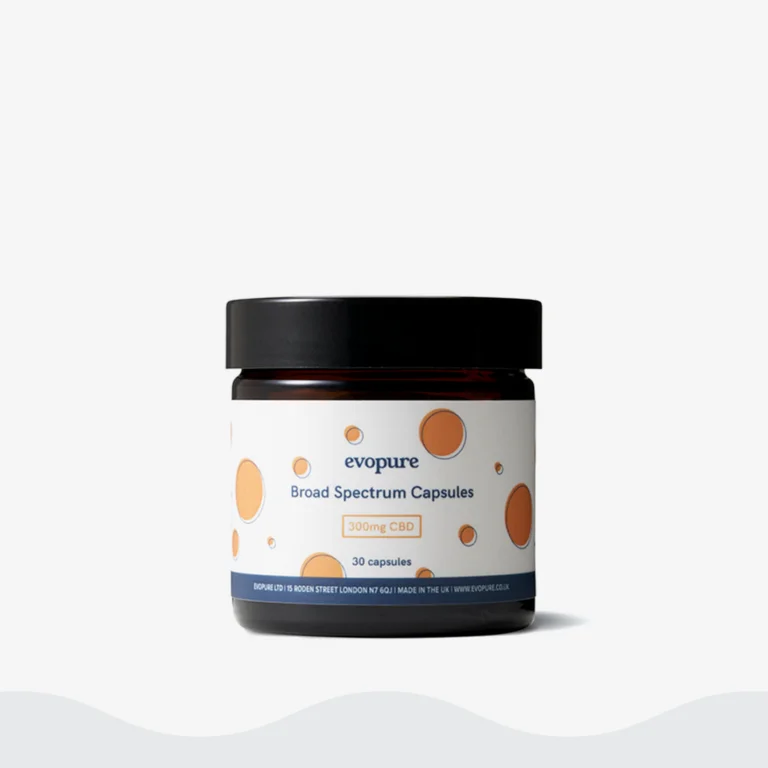
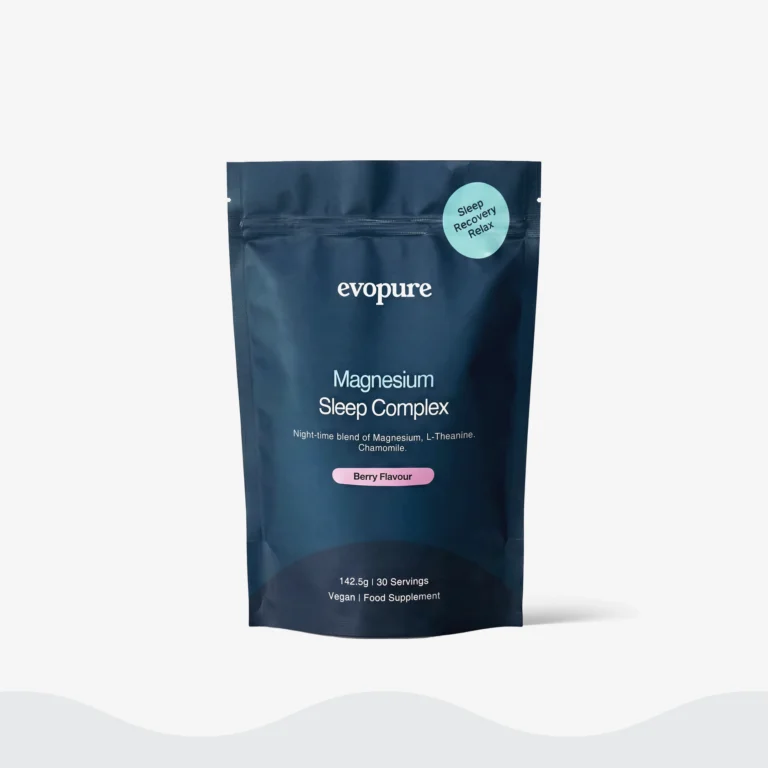
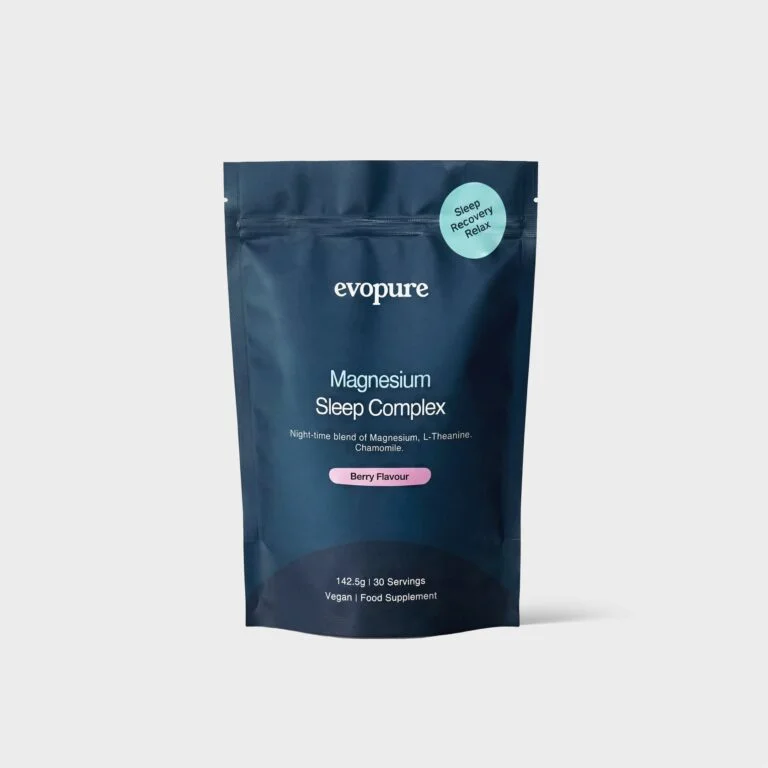
Our Broad Spectrum CBD Capsules pair broad spectrum CBD with inulin, a prebiotic fibre, in a vegan HPMC capsule, and our Magnesium Glycinate Sleep Complex also contains inulin. The amounts are much smaller than the 12g used for the authorised claim, so think of them as part of a fibre-rich diet rather than a replacement for it. The FSA’s 10mg a day figure for CBD is precautionary advice rather than a legal limit, set while longer-term safety research continues. At Evopure we think it is a very cautious figure, and many adults use more. If you go above it, increase slowly, and check with your GP or pharmacist first if you take any medication. We don’t recommend our products during pregnancy or breastfeeding.
Gut health, stress and sleep
Your gut and brain are in constant two-way communication, often called the gut-brain axis. Stress can upset digestion, which is why many people get stomach aches or bloating when anxious, and poor sleep can affect appetite and food choices. Looking after stress and sleep is part of looking after your gut. See nervous system regulation, sleep hygiene and magnesium for bloating. Magnesium contributes to normal psychological function.
Signs you should see a GP
- a change in your bowel habits that lasts 3 weeks or more
- blood in your poo, or black poo
- unexplained weight loss
- ongoing tummy pain, bloating or heartburn
- difficulty swallowing
These can have many causes, including IBS, coeliac disease and, rarely, bowel cancer, so it’s important to get them checked. See magnesium for constipation.
FAQs
How can I improve my gut health quickly?
Add more fibre gradually, include fermented foods like yoghurt or kefir, eat a variety of plants, drink water and move daily. Changes build over weeks.
What are the best foods for gut health?
Wholegrains, beans and lentils, fruit and vegetables, prebiotic foods like onions and garlic, fermented foods, and nuts and seeds.
What is inulin?
A prebiotic fibre found in chicory, onions, garlic, leeks and bananas. It feeds gut bacteria. Chicory inulin at 12g a day contributes to normal bowel function by increasing stool frequency.
Do I need a probiotic supplement?
Most people don’t. The NHS says there’s some evidence for some IBS symptoms but little for many claims. Food first is a good rule.
How much fibre should I eat a day?
UK guidelines say 30g a day for adults. Most people eat about 20g.
Sources
- NHS. How to get more fibre into your diet.
- NHS. Probiotics.
- Wastyk HC et al (2021). Gut-microbiota-targeted diets modulate human immune status. Cell.
- Reynolds A et al (2019). Carbohydrate quality and human health: a series of systematic reviews and meta-analyses. The Lancet.
This guide is general information, not medical advice. Evopure makes the Broad Spectrum CBD Capsules and Magnesium Glycinate Sleep Complex.