






Last updated: 16 November 2026 (facts checked November 2026)
Magnesium won’t treat menopause symptoms and doesn’t change your hormones, but it is worth getting right in your 40s, 50s and 60s. Magnesium contributes to a reduction of tiredness and fatigue, normal muscle function, normal psychological function and the maintenance of normal bones. Glycinate is the usual first choice, and women need 270mg a day. Evopure’s Magnesium Glycinate Sleep Complex gives 290mg magnesium (77% NRV) per 4.75g serving, from bisglycinate and citrate.
iThis guide is for women in perimenopause, menopause and the years after it. It covers the best type of magnesium, how much to take, when to take it, what the research does and doesn’t show, and who should check with a GP or pharmacist first.
Comparing more than magnesium? See our best menopause supplements UK guide, or best CBD oil for menopause UK if you’re shopping for CBD.
Black Friday sale on now, until the end of Monday 30 November: 25% off any order, 30% off when you spend £50 and 40% off when you spend £100, with free standard UK delivery on every order. See the Black Friday offer.
Our pick
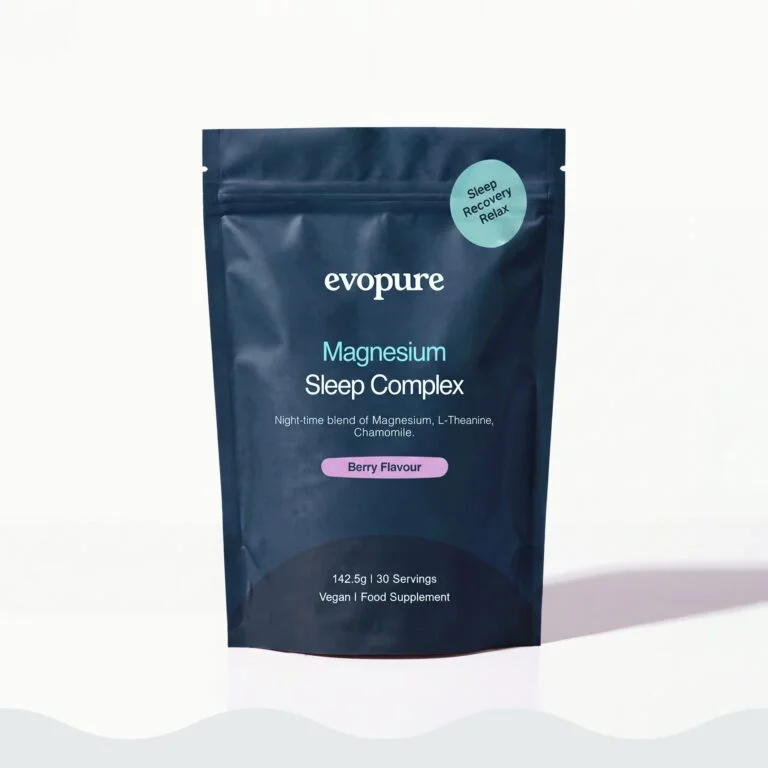
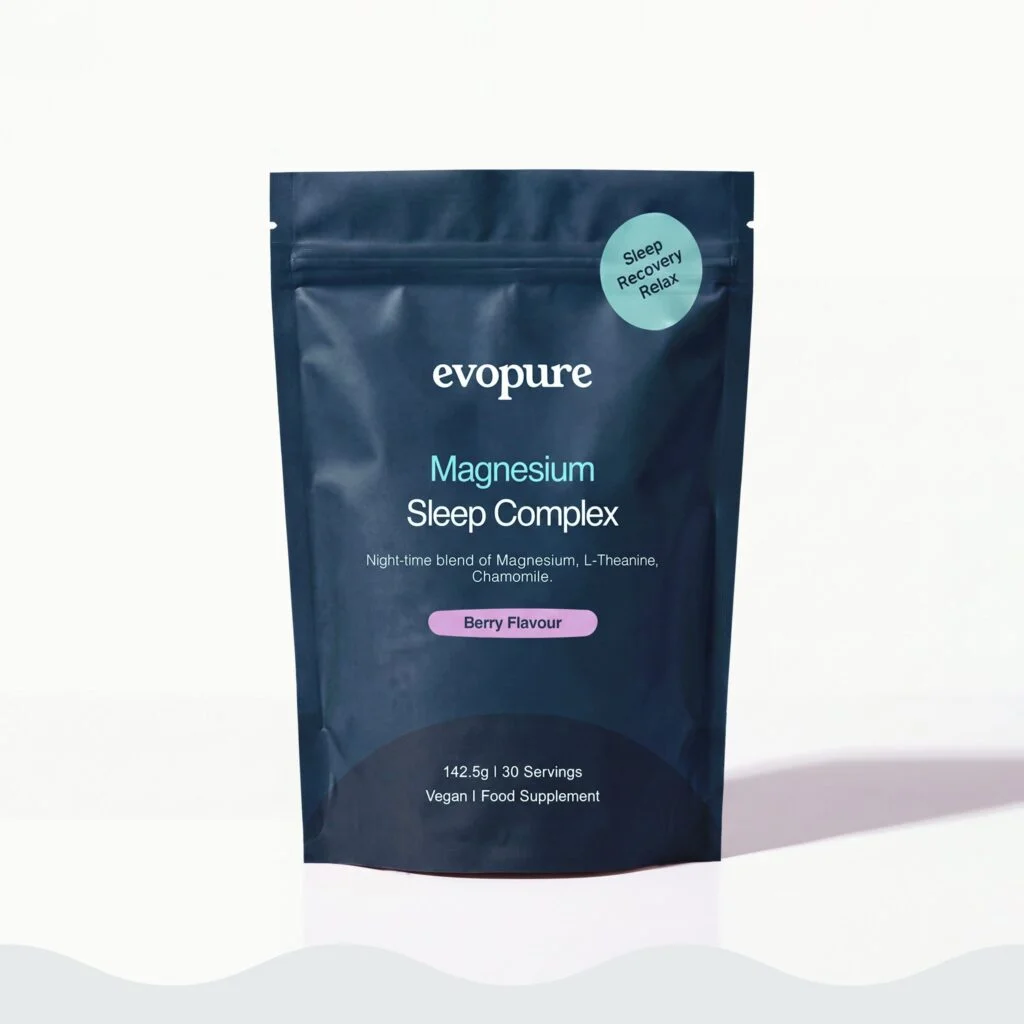
Magnesium Glycinate Sleep Complex
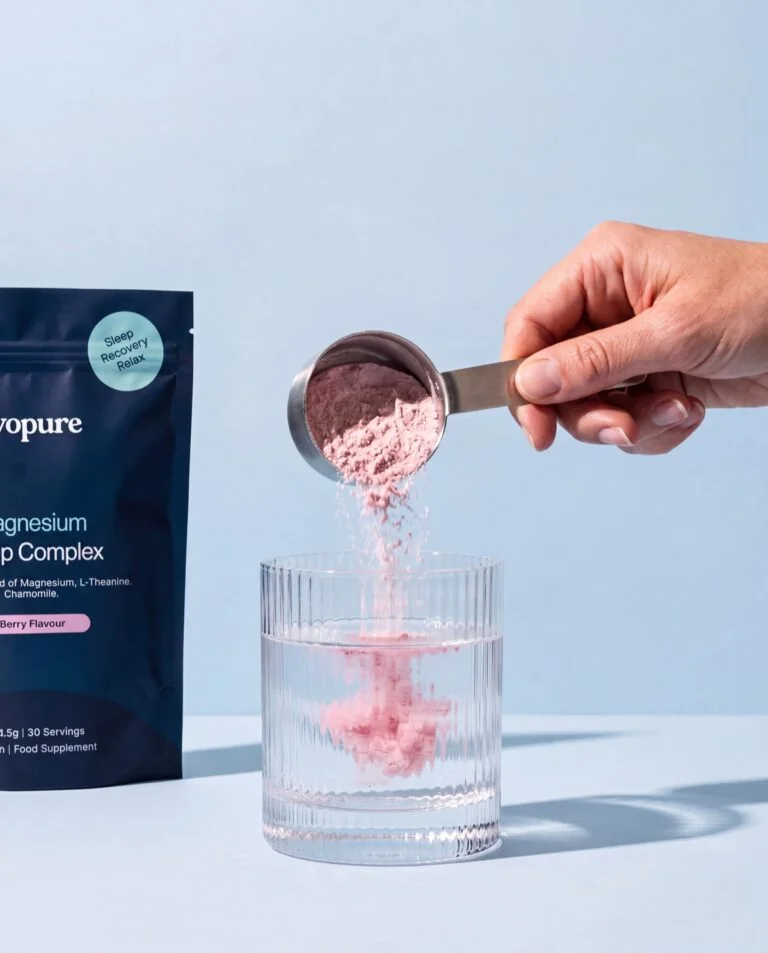
Magnesium Glycinate Sleep Complex is a berry drink powder with 290mg of magnesium (77% NRV) per 4.75g serving, from 1,000mg magnesium bisglycinate and 900mg citrate, plus 500mg glycine and 100mg L-theanine. Magnesium contributes to a reduction of tiredness and fatigue and to the maintenance of normal bones.
Add Magnesium Glycinate Sleep Complex to bag See ingredients and reviews
Rated 4.7 from 15 reviews.
Rated 4.7 from 61 reviews on Trustpilot. Read our customer reviews
Vegan and made in the UK. Subscribe and save 25% on your first order, then 20%. New to Evopure? Join our emails for 20% off a one-off first order. Free UK delivery over £40, 14-day returns on unopened items.
Subscribe £17.99One-off £29.99
View productIs magnesium good for menopause?
Magnesium is a useful everyday nutrient at this stage of life, as long as you know what to expect. It is not a menopause treatment. It does not raise oestrogen, and a large trial found it did no better than a dummy pill for hot flushes.
What you can say, using the wording authorised in Great Britain, is that magnesium contributes to:
- a reduction of tiredness and fatigue
- normal psychological function and the normal functioning of the nervous system
- normal muscle function
- the maintenance of normal bones
| Question | Short answer |
|---|---|
| Best type | Glycinate (bisglycinate) for most women. Citrate if you are also prone to constipation. |
| How much | 270mg a day for women, mostly from food. Keep supplements to 400mg or less a day. |
| When | Any time, every day. Many women take it in the evening as part of a wind-down. |
| What it won’t do | Stop hot flushes, balance hormones or cause weight loss. |
Which magnesium is best for perimenopause?
Magnesium glycinate, also sold as bisglycinate, is the best magnesium for perimenopause and menopause for most women. It is well absorbed and gentle on the stomach, and you can take it every day at a time that suits you. Magnesium contributes to a reduction of tiredness and fatigue, to normal psychological function and to the maintenance of normal bones.
Aim for 270mg a day in total, mostly from food, and keep supplements to 400mg or less a day (NHS). Citrate suits women who are also prone to constipation; oxide is poorly absorbed. Magnesium isn’t a menopause treatment, so talk to your GP about HRT and other options, and check with your GP or pharmacist before adding a supplement if you take HRT or other medicines.
Do you need more magnesium during menopause?
Not on paper. The NHS says women aged 19 to 64 need 270mg of magnesium a day, and there is no separate, higher figure for menopause. Men need 300mg.
Researchers do think the drop in oestrogen matters, though. A 2025 review of men and women found that changing oestrogen levels affect how the body absorbs, stores and holds on to magnesium, at puberty, in pregnancy and at menopause. It is an area of active research rather than a reason to take large doses.
In practice, the bigger question is whether your diet covers the 270mg. You are more likely to fall short if you:
- eat few nuts, seeds, beans, leafy greens or wholegrains
- have cut down on food to manage midlife weight
- drink alcohol regularly
- have a long-term bowel condition, or take regular medicines (ask your pharmacist whether any of yours affect magnesium)
iOur guides to signs of magnesium deficiency and foods high in magnesium go further. Low magnesium is hard to spot from symptoms alone, so if you feel unwell, see your GP rather than guessing.
Magnesium in perimenopause
Perimenopause is the run-up to your last period. It often starts in your early to mid 40s, and the NHS says menopause itself usually happens between 45 and 55. Periods become irregular, and many women notice broken sleep, tiredness, low mood and brain fog, sometimes years before periods stop. Our full list of perimenopause symptoms covers the rest, and perimenopause vs menopause explains how the stages differ.
This is when many women first try magnesium. It is inexpensive, easy to take and safe for most people within the NHS limits, which makes it a reasonable thing to add while you talk to your GP about your symptoms.
Which magnesium is best for perimenopause?
The same as for menopause: glycinate or bisglycinate for most women, because it is gentle on the stomach. If your periods are still heavy or painful, our guide to magnesium for PMS covers what the period studies looked at. If sleep is the main problem, read perimenopause and sleep, which explains why CBT for insomnia has the strongest evidence.
Magnesium after menopause: your 50s, 60s and beyond
Once your periods have stopped for a year, you are postmenopausal. Your magnesium needs stay the same, but a few things become more important.
Bones
The NHS explains that the hormone changes at menopause directly affect bone density, and that falling oestrogen can lead to a rapid loss of bone. Magnesium contributes to the maintenance of normal bones, alongside calcium and vitamin D. Weight-bearing and strength exercise matter too. If you are worried about osteoporosis, talk to your GP, who can assess your risk; see the NHS guide to osteoporosis.
For the bigger picture, read magnesium and bone health, magnesium and calcium and magnesium and vitamin D. The NHS advises adults to consider 10 micrograms of vitamin D a day in autumn and winter; see vitamin D in winter.
Muscles and staying active
The NHS menopause advice includes regular weight-bearing exercise to build strength. Magnesium contributes to normal muscle function. It is not a substitute for the exercise itself. Our guide to creatine for women covers another supplement often discussed for women over 50.
Tablets that are hard to swallow
Large magnesium tablets can be a struggle. Powders that dissolve in a drink, capsules you can open, or a smaller dose taken twice a day are all fine. See magnesium powder vs tablets.
Menopause changes and magnesium: what the evidence says
Here is an honest summary, change by change. Magnesium is not a treatment for any of these.
| Change | What the evidence says |
|---|---|
| Broken sleep | There is no authorised sleep claim. One 2025 trial in adults who slept poorly (not a menopause trial) found a small effect. |
| Tiredness | Magnesium contributes to a reduction of tiredness and fatigue. Ongoing exhaustion needs a GP check. |
| Low mood and anxiety | Not a treatment. Magnesium contributes to normal psychological function. |
| Muscle aches and cramps | Not a treatment. Magnesium contributes to normal muscle function. |
| Joint aches | No good evidence for menopause joint pain. |
| Hot flushes and night sweats | No. A trial of 289 women found no difference from a dummy pill. |
| Weight gain | No good evidence that magnesium causes weight loss. |
| Constipation | Citrate has a mild laxative effect at higher doses. |
Magnesium for menopause sleep
This is the most searched question. In the 2025 trial, 155 adults aged 18 to 65 who slept poorly took 250mg of magnesium as bisglycinate or a placebo. At four weeks, the magnesium group’s insomnia scores had improved a little more, and the researchers called the effect modest. The trial was not in menopausal women, and the evidence is still limited.
Night sweats, needing the loo and worry are common reasons for waking in midlife, and they need their own fixes. See night sweats, waking up to pee at night, the best bedroom temperature, sleep as you get older and our full guide to magnesium for sleep.
Hot flushes
The best-known trial gave 289 postmenopausal women with a history of breast cancer magnesium oxide (800mg or 1,200mg a day) or a placebo. Hot flushes were no different between the groups, and the magnesium groups had more diarrhoea. Oxide is a poorly absorbed form, but we found no trial showing any other form works for hot flushes. Our guide to hot flushes covers what does.
Joints, weight and brain fog
Aching joints are common in menopause; read joint pain and supplements for joint pain. For weight, see menopause weight gain and what the magnesium weight loss trials show. For foggy thinking, see menopause brain fog.
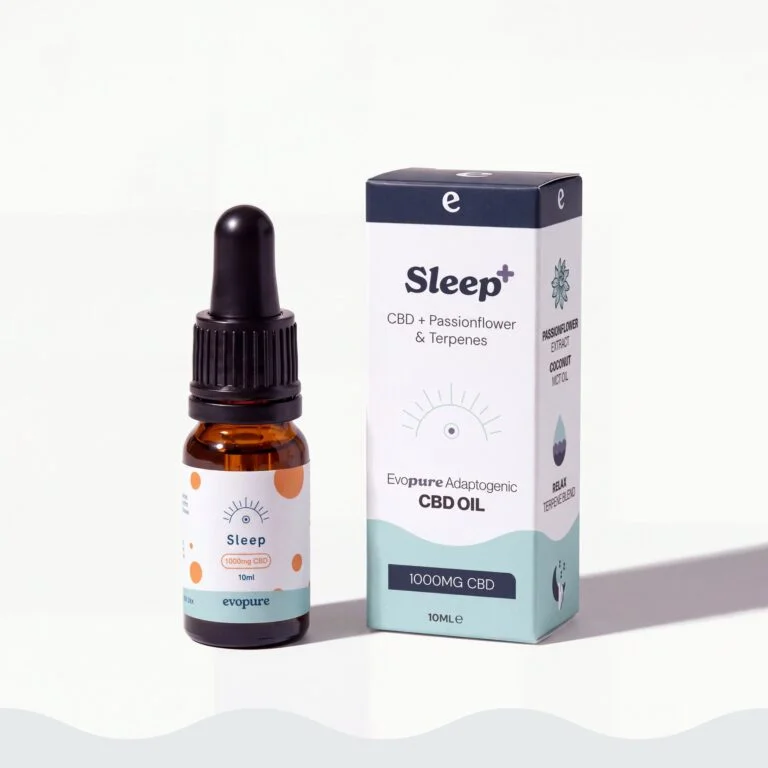
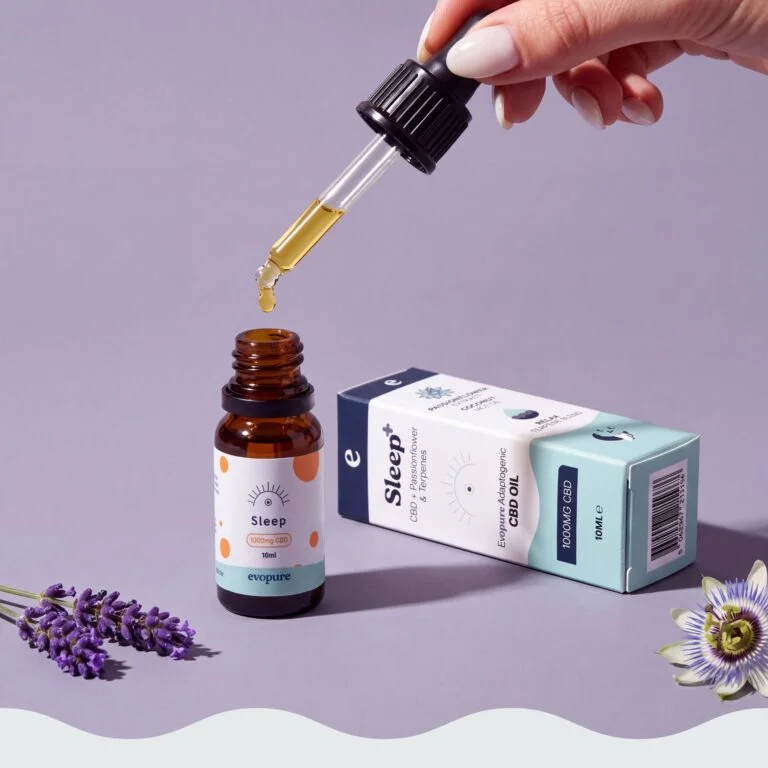
The Sleep CBD Oil in this box contains CBD, and the Food Standards Agency (FSA) advises healthy adults to have no more than 10mg of CBD a day.
The FSA’s 10mg a day figure is precautionary advice rather than a legal limit, set while longer-term safety research continues. At Evopure we think it is a very cautious figure, and many adults use more. If you go above it, increase slowly, and check with your GP or pharmacist first if you take any medication.
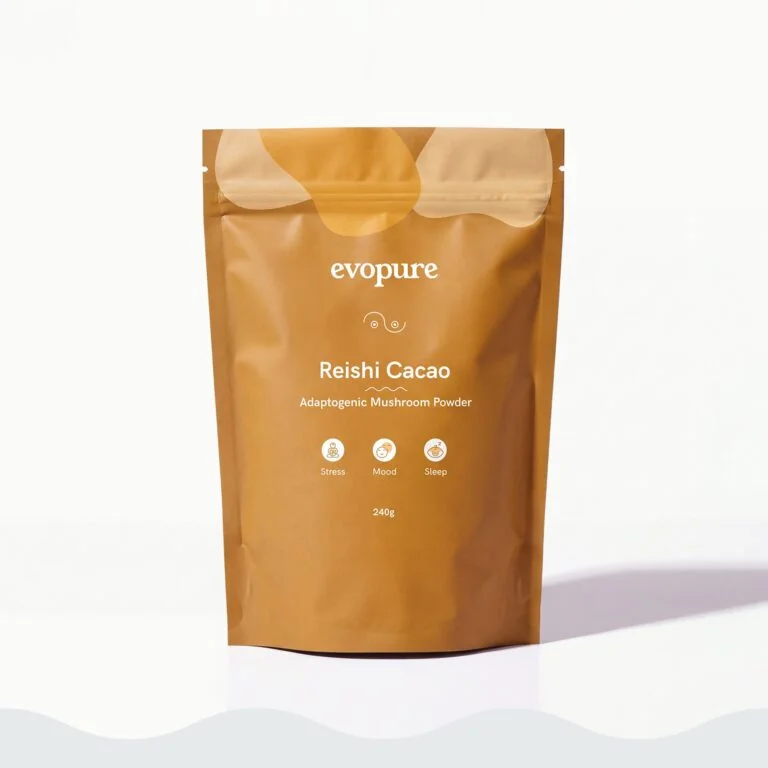
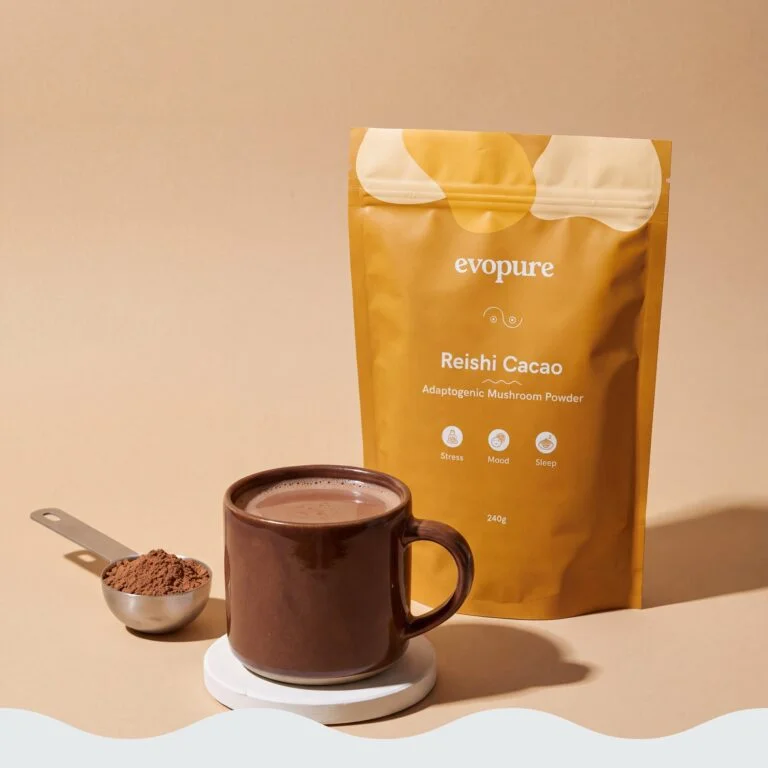
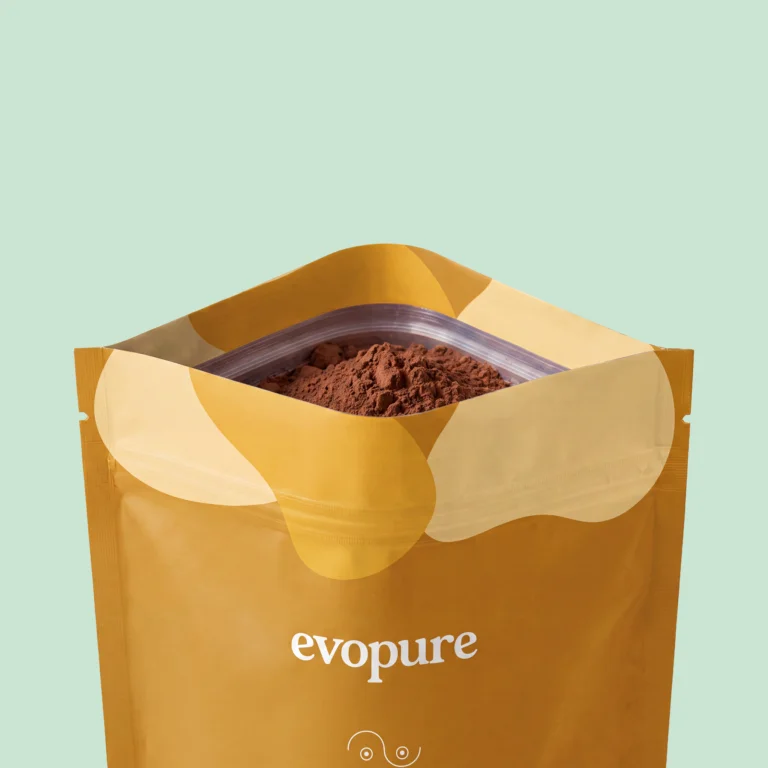
If you take any regular medicines, check with your GP or pharmacist first. Our Reishi Cacao contains a little natural caffeine from cacao. For the CBD research, see CBD oil for menopause.
Best magnesium for menopause
The best magnesium for menopause is glycinate (bisglycinate) for most women, or citrate if you’re also prone to constipation. Magnesium contributes to a reduction of tiredness and fatigue, to normal psychological function and to the maintenance of normal bones. It isn’t a treatment for menopause symptoms.
Magnesium always comes bound to another substance, and that partner affects how well it is absorbed and how kind it is to your stomach.
| Type | Good to know | Who it suits |
|---|---|---|
| Glycinate or bisglycinate | Well absorbed, gentle on the stomach | Most women; the usual first choice |
| Citrate | Well absorbed; mild laxative effect | Women who are also prone to constipation |
| Malate | Gentle; little menopause research | Daytime takers |
| Taurate | Popular online; little human research | Not a priority |
| L-threonate | Expensive; early, limited research | Not a priority |
| Oxide | Cheap, poorly absorbed, more stomach upset | Best avoided |
| Sprays, flakes, creams | Little evidence much passes through skin | A bath ritual, not a top-up |
Is magnesium glycinate good for menopause?
For most women, magnesium glycinate taken daily is the best place to start. Glycinate and bisglycinate are the same thing for buying purposes; see glycinate vs bisglycinate and our magnesium glycinate guide. To compare every form, read types of magnesium or glycinate vs citrate vs threonate.
Menopause magnesium sprays and bath flakes
Several brands sell sprays and bath flakes labelled for menopause. A warm bath can be a pleasant part of an evening, but there is little evidence that much magnesium gets through the skin. See magnesium spray, magnesium flakes and BetterYou magnesium.
What we make
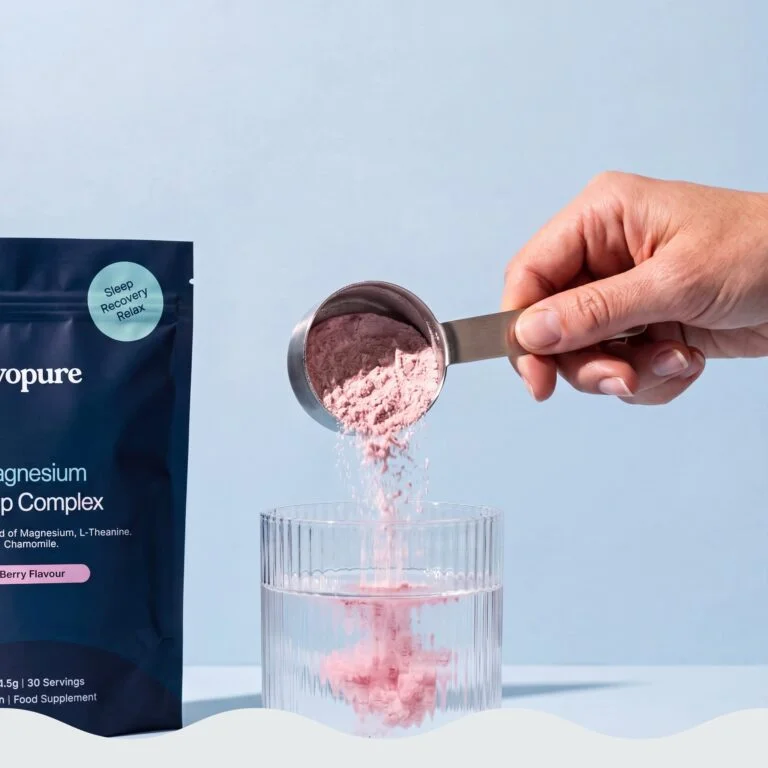
For menopause, Evopure’s Magnesium Glycinate Sleep Complex is a magnesium glycinate drink: a berry-flavoured powder giving 290mg of magnesium (77% NRV) per 4.75g serving, from 1,000mg bisglycinate and 900mg citrate. That covers a woman’s 270mg a day in one serving and stays under the NHS 400mg supplement guide. It also has 500mg glycine and 100mg L-theanine, plus oat straw, hops, chamomile and passionflower extracts. It is vegan and made in the UK. You stir it into water, a hot drink or a smoothie, which suits anyone who finds tablets hard to swallow. For other brands and formats, our guide to the best magnesium supplement in the UK compares them by need.
How much magnesium for menopause?
Your target is the same as before menopause: 270mg a day for women, mostly from food. The NHS says spinach, nuts and wholemeal bread are good sources, and that 400mg or less a day from supplements is unlikely to cause harm. Doses above 400mg taken for a short time can cause diarrhoea.
| What | Amount |
|---|---|
| Women 19 to 64 (NHS) | 270mg a day |
| Men 19 to 64 (NHS) | 300mg a day |
| Most supplements | 100mg to 300mg a day |
| Supplements (NHS) | 400mg a day or less |
How much magnesium glycinate for menopause?
Look for the amount of magnesium per serving on the label, sometimes called elemental magnesium, not the weight of the whole compound. A capsule that says “magnesium bisglycinate 1,000mg” contains much less magnesium than 1,000mg. Most women who top up take 100mg to 300mg of magnesium a day on top of a decent diet. Our guide to how much magnesium per day has amounts by age, and magnesium for women covers every life stage.
When to take it, and a simple evening routine
There is no wrong time. The best time is the one you will stick to, every day. Taking it with food can help if your stomach is sensitive, and many women like an evening drink as a cue to wind down. Give it a few weeks of daily use before deciding whether it suits you. See the best time to take magnesium and how long magnesium takes to work.
The NHS menopause advice is mostly about habits: regular exercise with a focus on weight-bearing activity, regular sleep routines, staying within alcohol limits and avoiding triggers such as caffeine and spicy food. A day built around that might look like this:
- Morning: daylight and a walk, and a breakfast with protein.
- Two or three times a week: strength or weight-bearing exercise.
- After lunch: no more caffeine.
- Evening: go easy on alcohol, keep the bedroom cool, and have layers you can throw off for night sweats.
- Before bed: a magnesium drink 30 to 60 minutes before, if it fits your routine.
- Autumn and winter: 10 micrograms of vitamin D a day, as the NHS advises.
Many women pair a magnesium drink with a herbal tea; see what’s in Twinings menopause tea and our menopause supplements ranked by evidence.
Side effects and who should check first
At normal doses, magnesium is well tolerated. The usual side effects are loose stools, diarrhoea or an upset stomach, most often with oxide or citrate, or at high doses. Lower the dose or switch to glycinate if this happens. More detail is in magnesium side effects.
- Kidney problems: talk to your GP before taking any magnesium supplement.
- Regular medicines: magnesium can affect how some medicines work, and some medicines affect magnesium. Ask your pharmacist before starting.
- If you take HRT: HRT is a prescribed medicine that replaces oestrogen and progesterone (see the NHS guide to HRT), so ask your GP or pharmacist before adding any supplement. Using CBD too? See CBD and HRT. For magnesium itself, magnesium and HRT covers taking the two together.
- Herbal products: the NHS advises talking to a doctor before taking herbal supplements or complementary medicines for menopause.
- Pregnancy: pregnancy is still possible in perimenopause. We don’t recommend our products during pregnancy or breastfeeding.
Our products are for adults (18+) only.
When to see your GP
See your GP if:
- you think you have menopause or perimenopause symptoms and want to know your options
- you have a fast or pounding heartbeat (palpitations)
- your periods are getting heavier, not lighter
- you have any bleeding after 12 months without a period, even once or just spotting
- you are tired all the time, or low mood doesn’t lift
- a joint is hot, swollen or red
If you ever have thoughts of harming yourself, call 111 or, in an emergency, 999.
Related guides
- How long menopause lasts, stage by stage.
- Feeling more on edge than usual? See can menopause cause anxiety?
- Mushrooms for menopause: what the evidence says.
- If you’re weighing up a herb as well, see ashwagandha vs magnesium.
- Supplements for women over 40: what’s worth taking.
- Magnesium for bloating and magnesium for constipation.
- Magnesium for cramps and restless legs at night.
- Partners can find practical ideas in perimenopause for partners.
- To compare magnesium with other natural sleep aids in the UK, see our evidence-ranked guide.
-
In your 60s and beyond, our guide to magnesium for older adults covers how much you need, kidneys and medicines.
- CBD for older adults: what the FSA says about medicines, and capsules vs oil.
Next step
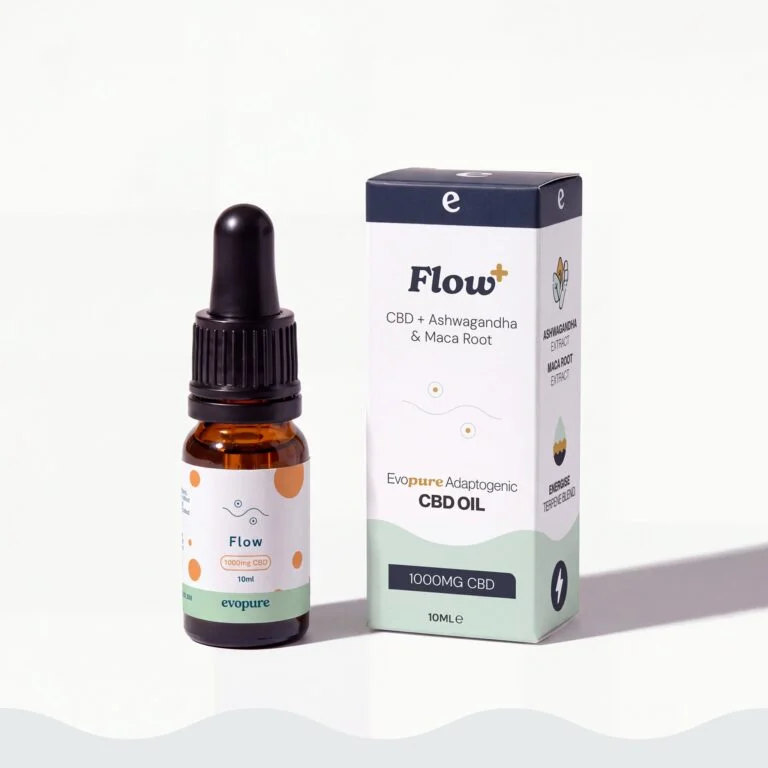
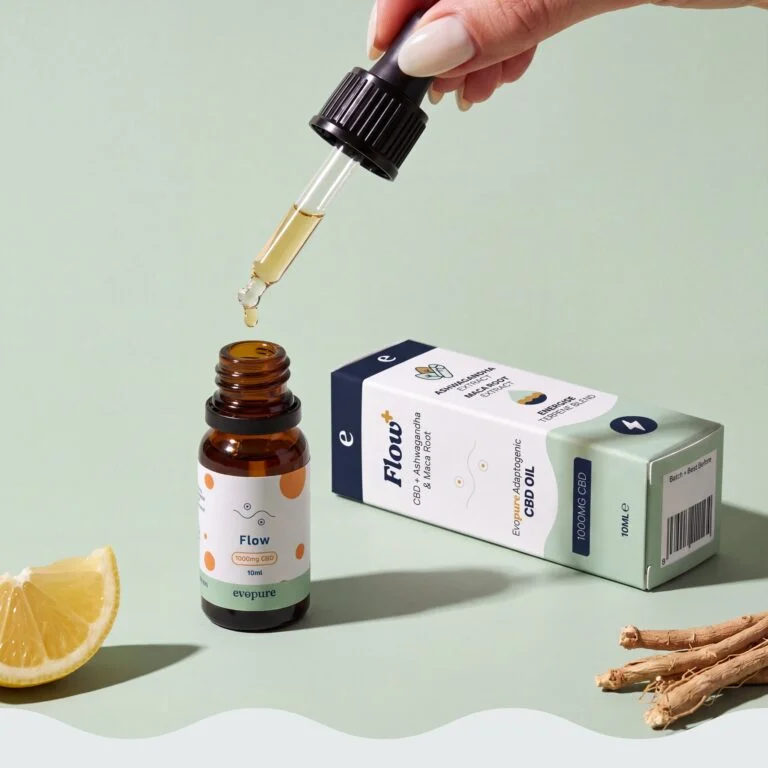
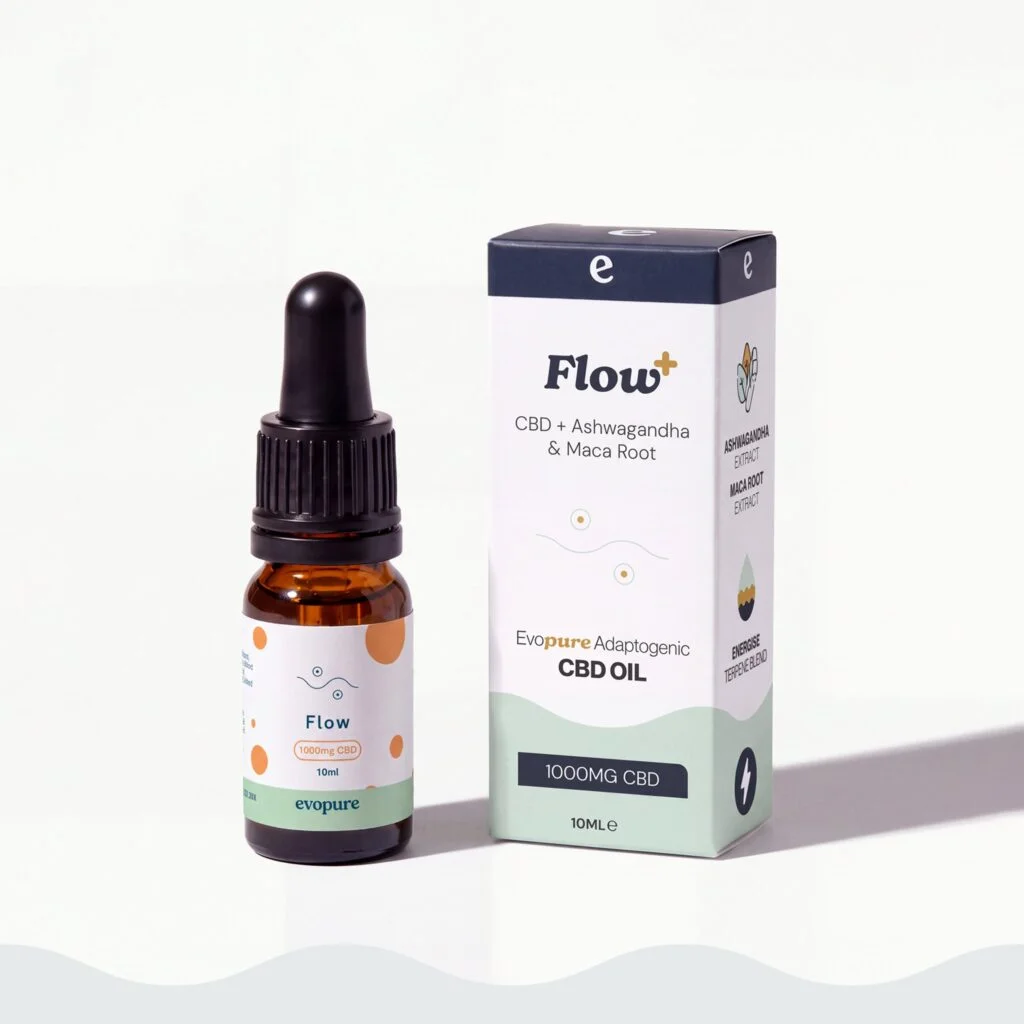
Flow CBD Oil With Ashwagandha & Maca
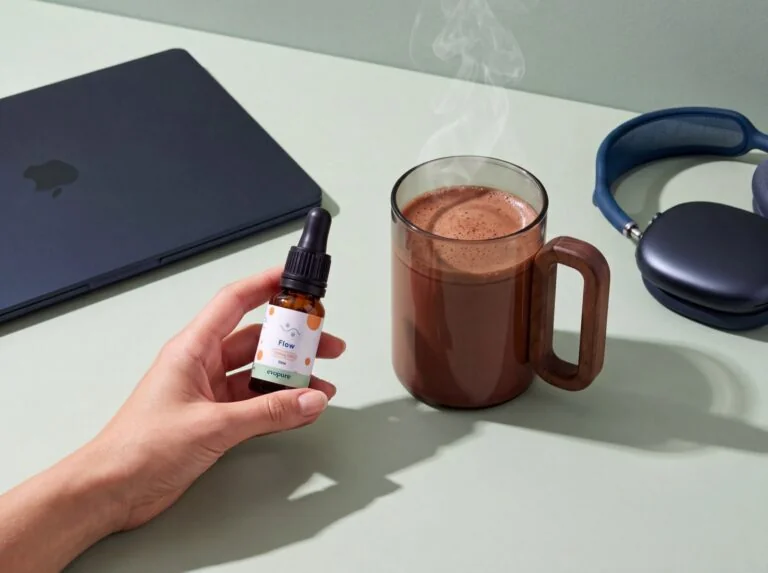
If you’d like a daytime CBD oil to sit alongside your evening magnesium, Flow CBD Oil gives broad spectrum CBD (0% THC; 10mg is about 0.2ml of the 500mg) with 35mg ashwagandha root extract and 35mg maca root extract per half pipette. Third-party lab tested. Not for anyone with a thyroid, liver or autoimmune condition.
Add Flow CBD Oil 500mg to bag or choose another strength
Subscribe and save 25% on your first order, then 20%. New to Evopure? Join our emails for 20% off a one-off first order. Free UK delivery over £40. The FSA advises healthy adults to take no more than 10mg of CBD a day: about 0.2ml of the 500mg (0.1ml of the 1,000mg) gives 10mg. Adults only. If you take HRT or any other regular medicines, check with your GP or pharmacist first. We don’t recommend our products during pregnancy or breastfeeding.
Subscribe from £17.99One-off from £29.99
View productSources 7
- NHS. Menopause, symptoms, things you can do and treatment.
- NHS. Hormone replacement therapy (HRT).
- NHS. Vitamins and minerals: magnesium.
- NHS. Osteoporosis: causes.
- Park H et al (2015). A double-blind placebo-controlled study of magnesium supplements to reduce menopausal hot flashes. Menopause.
- Schuster J et al (2025). Magnesium bisglycinate supplementation in healthy adults reporting poor sleep. Nature and Science of Sleep.
- Mazza E et al (2025). Magnesium: exploring gender differences in its health impact and dietary intake. Nutrients.
This guide is general information, not medical advice.