









Last updated: October 2026
Magnesium spray, often sold as magnesium oil, is magnesium chloride dissolved in water, not an oil. You spray it on your skin, usually your feet or legs. Studies suggest very little gets through healthy skin, so it isn’t a reliable way to raise magnesium levels. Food and supplements you swallow are. Many people enjoy it as a bedtime ritual.
Below: what magnesium oil really is, what the research shows about absorption through skin and feet, sleep, cramps and restless legs, magnesium cream for pain, how much magnesium a spray contains, how to use and choose one, side effects, who should avoid it, and spray vs tablets vs powder.
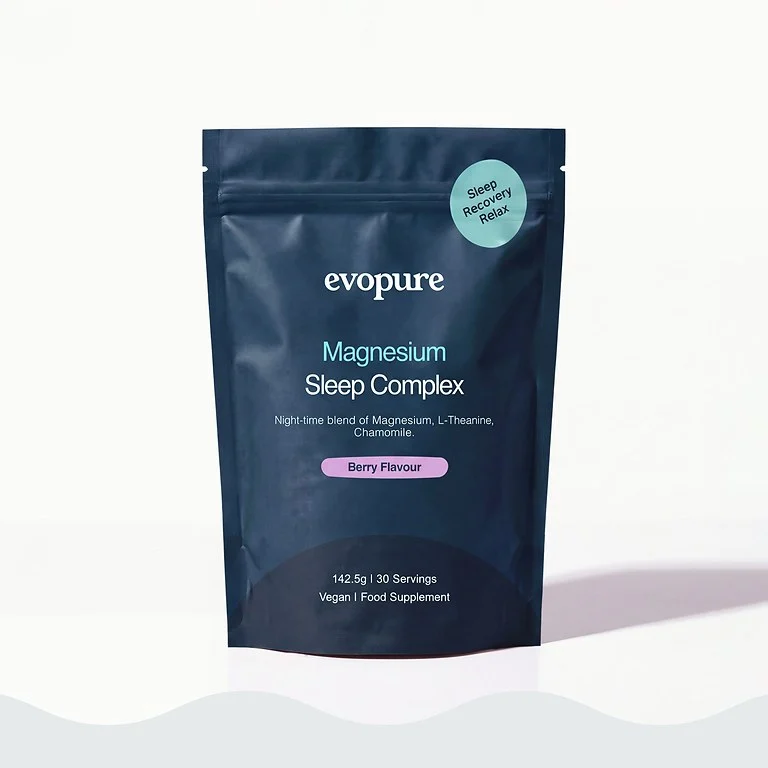
Want magnesium you know you’re getting? Our Magnesium Glycinate Sleep Complex is a berry-flavoured powder you mix into a drink in the evening, with magnesium bisglycinate and citrate (148mg of elemental magnesium per serving), glycine, L-theanine and botanicals. Magnesium contributes to normal muscle function and to a reduction of tiredness and fatigue. Vegan, made in the UK and for adults only.
What is magnesium spray?
Magnesium spray, magnesium oil and most magnesium “body sprays” are a strong solution of magnesium chloride flakes in water. It isn’t actually an oil; the salt is so concentrated that it feels slightly slippery on the skin, which is where the name comes from. Magnesium lotions, gels and butters use the same salt in a cream base, and Epsom salts are magnesium sulphate, used in the bath.
They’re sold for sleep, muscle cramps, restless legs, aches and “topping up” magnesium without the stomach upsets some tablets cause. Some sleep sprays add lavender, chamomile or other fragrances.
Is there a magnesium glycinate spray?
Not in any real sense. Magnesium sprays are almost always magnesium chloride, because it dissolves easily in water. Magnesium glycinate (bisglycinate) is magnesium bound to the amino acid glycine, and it is made to be swallowed as a capsule, tablet or powder. If you’re looking for glycinate because it’s known as a gentle form on the stomach, you want it by mouth. See our guide to magnesium glycinate and the wider types of magnesium.
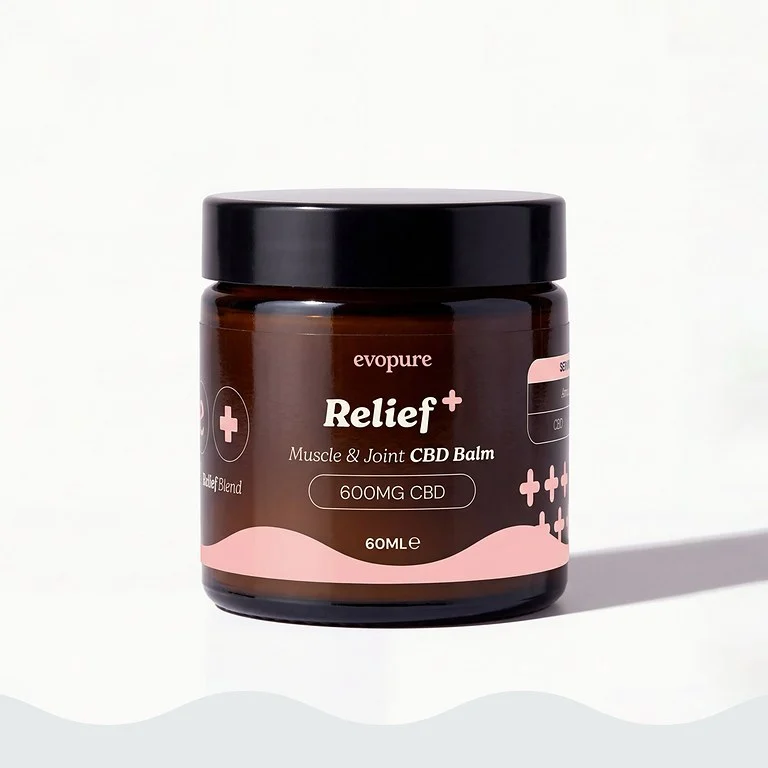
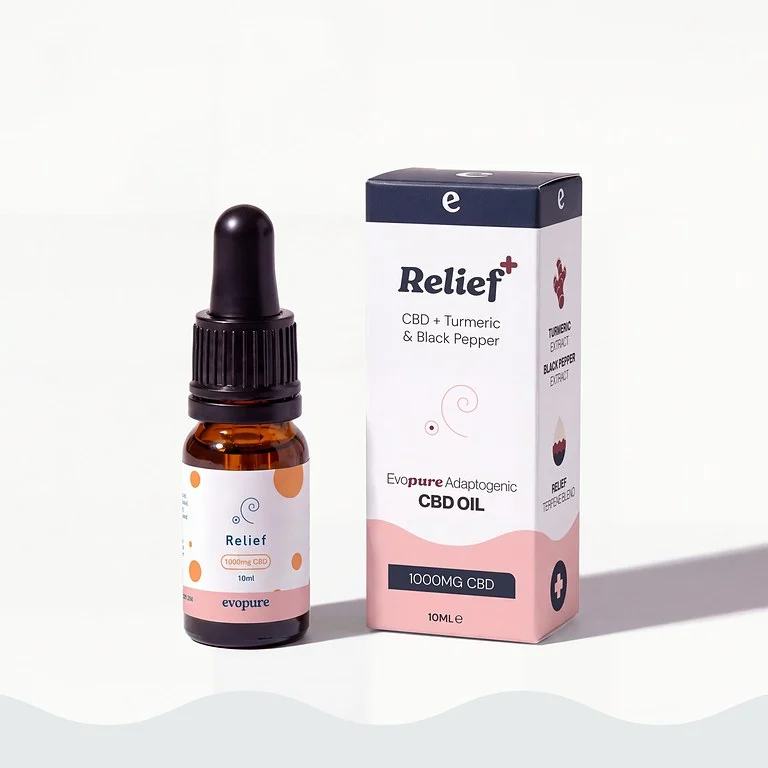
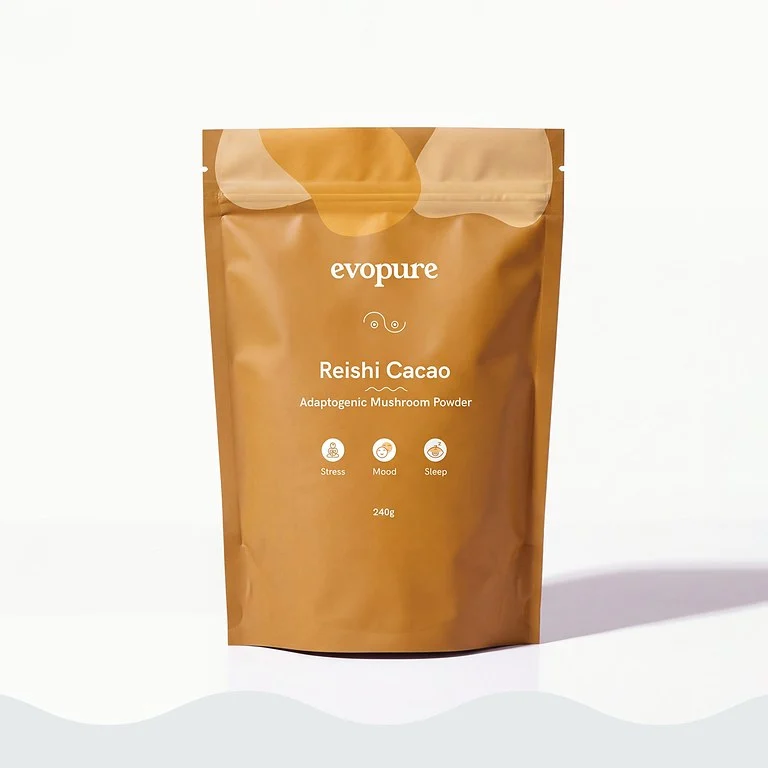
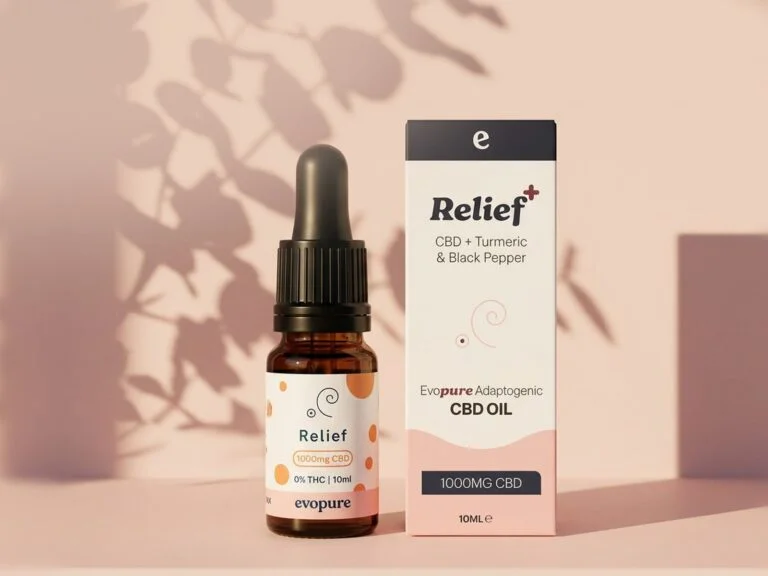
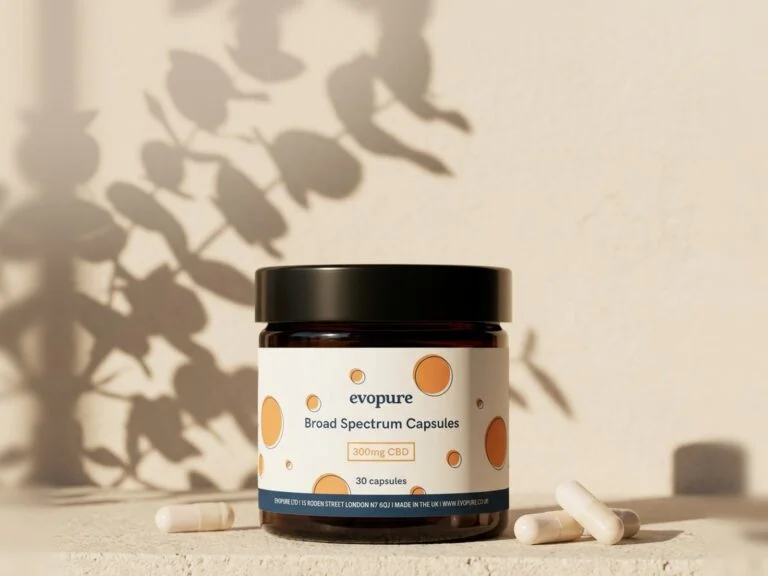
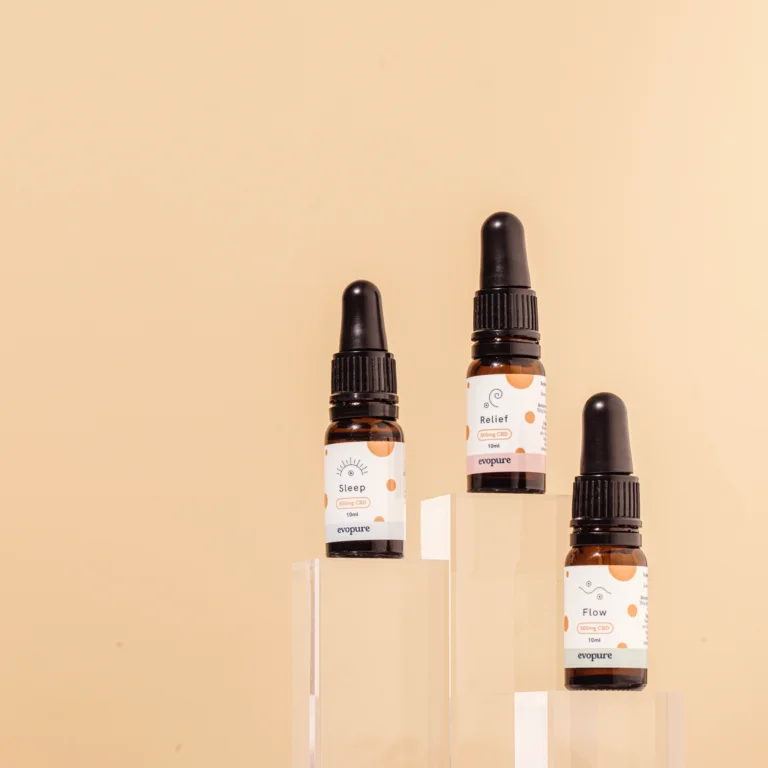
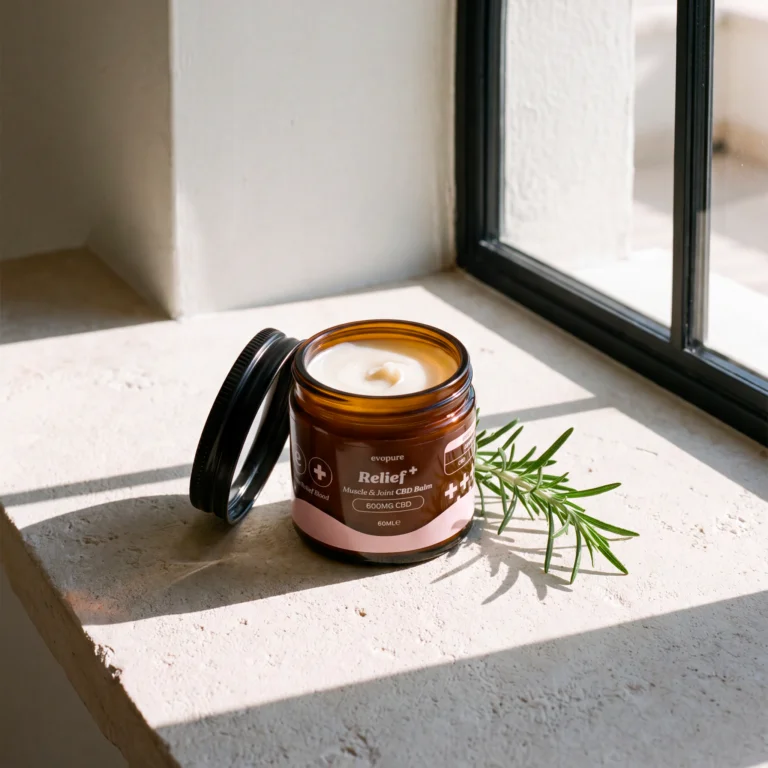
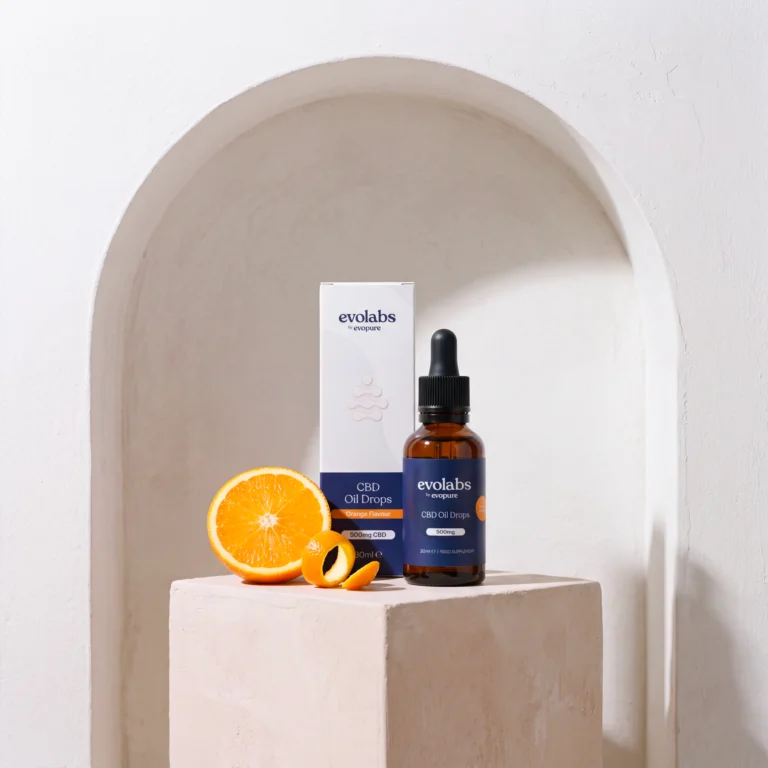
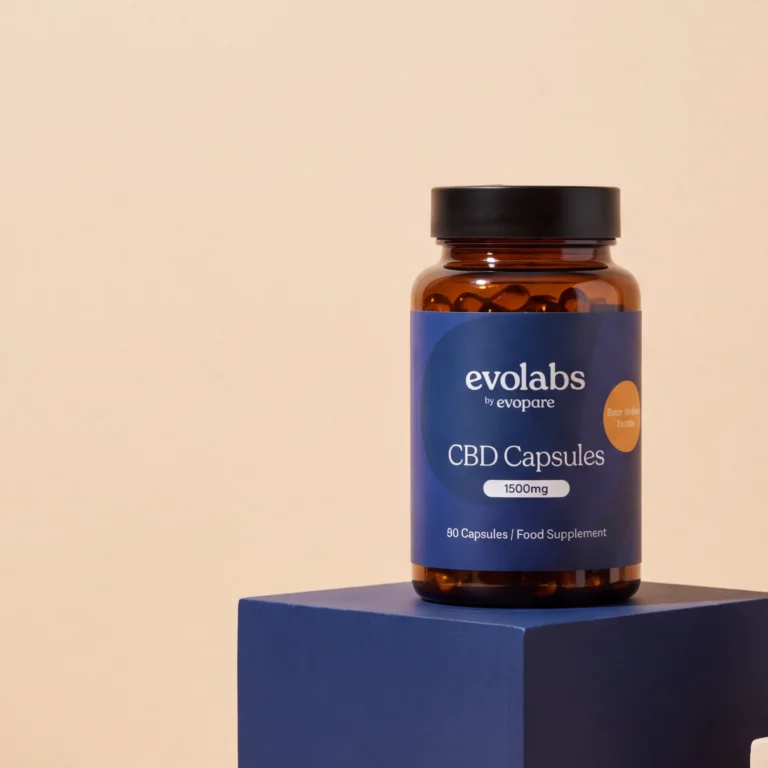
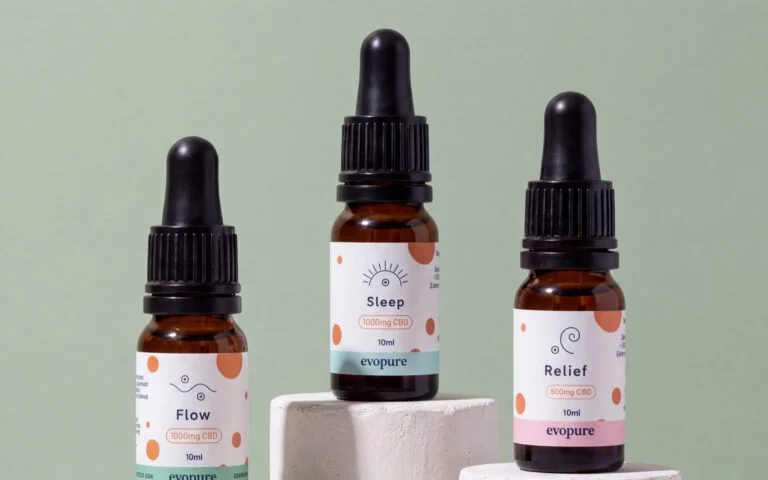
Above: our Magnesium Glycinate Sleep Complex, a berry-flavoured powder you drink, so you know how much magnesium you’re getting. Magnesium contributes to normal muscle function and to a reduction of tiredness and fatigue. If you like a rub at the end of the day, our CBD Balm is a cooling, non-greasy balm with broad spectrum CBD, peppermint, eucalyptus and juniper. Our Relief CBD Oil combines broad spectrum CBD with turmeric and black pepper extract. Neither CBD product is a treatment for pain or any condition. Our CBD is broad spectrum with 0% THC, and all our products are for adults (18+) only.
The FSA’s 10mg a day figure is precautionary advice rather than a legal limit, set while longer-term safety research continues. At Evopure we think it is a very cautious figure, and many adults use more. If you go above it, increase slowly, and check with your GP or pharmacist first if you take any medication.
Can magnesium be absorbed through the skin?
Only in small amounts, as far as the evidence goes, and the results are mixed. Skin is designed to keep things out, and magnesium is a charged particle that doesn’t pass easily through the outer layer (the stratum corneum). The few human studies are small, and the lab studies point to hair follicles and damaged skin as the main ways in.
| Study | What it found |
|---|---|
| Lab study on human skin, 2016 | Some magnesium did get through the outer skin layer, more with stronger solutions and longer contact, and hair follicles made a significant contribution. |
| Review of transdermal magnesium, 2017 | Concluded that claims for magnesium sprays, flakes and salt baths are scientifically unsupported, and that oral magnesium is the proven route. |
| Magnesium cream pilot, 2017 (25 people, 2 weeks, 56mg a day) | Blood magnesium rose slightly more than with a placebo cream, but the difference was only statistically significant in a small subgroup of non-athletes. Urine levels did not change significantly. One author declared a future financial interest in a magnesium cream. |
| Lab study on pig skin, 2026 | Almost no magnesium crossed intact skin over 24 hours, no more than in untreated skin. When the outer layer was stripped away, far more got through. The authors concluded delivery from simple water solutions is unlikely through normal skin. |
There are no good trials measuring blood levels after magnesium spray specifically. So if you think you’re low in magnesium, food and oral supplements are the reliable way to top up. See signs of magnesium deficiency and foods high in magnesium.
Magnesium spray on feet: does it work better?
Social media often claims the soles of the feet absorb magnesium better because they have large pores. There’s no evidence for this. The skin on your soles is some of the thickest on your body, and soles have no hair follicles, which lab work suggests are one of the main routes magnesium uses to get in. If anything, your feet are a less likely place for it to absorb than your arms or legs.
Spraying your feet at bedtime is popular for other reasons: it’s easy, the residue doesn’t get on your sheets if you then pull on socks (see sleeping with socks on), and a foot rub is genuinely relaxing. Avoid any cracked skin around the heels, as it will sting.
If you have swollen feet or ankles, see magnesium for water retention and swollen feet. If you have diabetes, numbness or poor circulation in your feet, ask your GP or podiatry team before putting anything new on them, and see your GP about burning or numb feet rather than self-treating.
The TikTok trend: magnesium lotion on your feet for sleep
On TikTok, rubbing magnesium lotion, oil or spray into the soles of your feet at bedtime is shared as a sleep hack, and some videos also promote it for leg cramps or for children’s sleep and growing pains. Experts are doubtful. In an NPR report in September 2025, a Harvard dermatologist described the skin as “a barrier, not a sponge” and suggested any benefit more likely comes from the massage or the lotion’s moisturising base. A Harvard sleep specialist in the same report thought the risks were probably very small and noted that placebo effects on sleep can be strong, but said he wouldn’t recommend it without scientific evidence.
That matches the research above: the thick skin on your soles and the lack of hair follicles make the feet an unlikely route for magnesium. Our take: if a foot rub with lotion is a pleasant part of your wind-down, there’s little harm in it for most adults, and a few quiet minutes away from screens is a good habit in itself. Just don’t rely on it to raise your magnesium. Don’t use it on babies or children without asking your GP or health visitor first. If you want magnesium as part of your evening, take it by mouth, and see our sleep hygiene guide for the habits with the best evidence.
Magnesium spray for sleep
There are no trials of magnesium spray for sleep, so anything you read about sprays “helping you sleep” comes from marketing or personal experience. Even for magnesium taken by mouth, the picture is mixed. A 2026 systematic review of 12 randomised trials found inconsistent results and low to very low certainty of evidence, and concluded oral magnesium isn’t supported as a routine treatment for insomnia, though some adults may notice modest benefits.
What a spray can do is give you a calming routine: a few minutes of slowing down, massaging your feet or calves and switching off screens. That routine, and expecting to relax, can genuinely help you unwind, whatever is in the bottle. For what actually helps, see magnesium for sleep, does magnesium make you sleepy? and, if you jolt awake as you drop off, hypnic jerks.
Magnesium spray for cramps, restless legs and aches
| Use | What the evidence shows | A better-supported option |
|---|---|---|
| Leg cramps | No trials of sprays. Even oral magnesium is unlikely to help typical cramps in older adults, according to a Cochrane review | Regular calf stretches, which the NHS suggests. See leg cramps at night and magnesium for cramps |
| Restless legs | No trials of sprays or creams. A systematic review of oral magnesium found too little good evidence to say whether it helps | Ask your GP to check your iron; the NHS also suggests a warm bath, stretching or massage. See magnesium for restless legs |
| Aches and muscle pain | One small 2015 study in women with fibromyalgia: 40 started, 24 finished, with no placebo group, and questionnaire scores improved over 4 weeks of spraying | Massage, warmth and movement. See magnesium for muscle pain |
What about the “best magnesium spray for restless legs”? No spray has been shown to work for restless legs, so there isn’t an honest “best” one. If you want to try a spray as part of a leg massage before bed, pick a plain magnesium chloride spray, patch test it, and see your GP if symptoms are stopping you sleeping.
Does magnesium cream help with pain?
Probably not, as far as the evidence goes. A 2017 review concluded that the idea of absorbing magnesium through the skin is scientifically unsupported, and a 2025 trial found a magnesium gel did no better than a placebo gel for muscle soreness after exercise. Rubbing a cream in, and the warmth of your hands, may still feel good.
Magnesium creams, lotions, gels and body butters usually contain the same magnesium chloride as sprays, mixed into a moisturising base. That base makes them less likely to sting than a spray and kinder to dry skin. The trade-off is that they’re slower to use: you rub them in rather than misting them on, and some leave a tacky or greasy feel.
A cream doesn’t get round the absorption problem. In the 2017 pilot study of a magnesium cream (25 people, 56mg a day for two weeks), blood magnesium rose slightly more than with a placebo cream, but the difference was only statistically significant in a small subgroup. Lab studies show very little magnesium crosses intact skin. On aches specifically, a 2025 randomised trial gave 35 active adults either a commercial magnesium gel or a placebo gel on their thighs before and after a hard downhill run. There was no difference in muscle soreness, strength or blood markers of muscle damage over the following two days. We couldn’t find any good trials showing that magnesium cream reduces pain.
There are also no authorised health claims for magnesium applied to the skin. If a cream seems to help, the rubbing in may be part of the reason. A large review of massage trials found people reported lower pain scores after massage than with no treatment, and the warmth of your hands and a few quiet minutes may simply feel good. You’d get those from an unscented moisturiser too. Patch test any new cream, and keep it off broken skin.
If you have pain that keeps coming back, is getting worse or stops you sleeping, see your GP or speak to a pharmacist rather than relying on a cream. If you’re thinking about a supplement, it’s magnesium you swallow that counts. Magnesium taken by mouth, from food or a supplement, contributes to normal muscle function. For what the evidence says about oral magnesium, see magnesium for muscle pain and magnesium for cramps.
Magnesium cream for knee pain, arthritis or inflammation
Searches for magnesium cream for knee pain, arthritis and inflammation are rising, but we couldn’t find any trials showing a magnesium cream helps with any of them. For knee pain, the NHS suggests keeping weight off the knee, a cold pack for short periods, and paracetamol or ibuprofen as tablets or gel. It advises seeing a GP if the pain doesn’t improve within a few weeks, and getting urgent advice from 111 if the knee is very painful, badly swollen or you can’t put weight on it.
Creams marketed for pain relief
Some magnesium creams are sold with names or labels that promise relief, and they’re popular in UK searches right now. A product name isn’t evidence. There are no authorised health claims for magnesium applied to the skin, and the trials so far haven’t shown that magnesium creams reduce pain. If you enjoy one, use it as a massage cream, patch test it first, and judge it on how it feels rather than on the label.
How much magnesium is in a magnesium spray?
On the UK sprays we looked at, labels list roughly 10 to 20mg of elemental magnesium per spray, usually with a “serving” of around 10 sprays. That’s the amount you put on your skin, not the amount that reaches your blood, and nobody has shown how much of it gets in.
For comparison, the NHS says adults aged 19 to 64 need 300mg of magnesium a day (men) or 270mg (women), which most people can get from a varied diet, and that 400mg or less a day from supplements is unlikely to cause any harm. With tablets, capsules and powders you know the dose you’re swallowing. With sprays you don’t.
Magnesium spray vs tablets vs powder
| Spray or lotion | Tablet or capsule | Powder drink | |
|---|---|---|---|
| Usual form | Magnesium chloride in water | Oxide, citrate, glycinate and others | Often citrate or glycinate, mixed into water |
| Evidence it raises magnesium | Small and mixed; healthy skin blocks most of it | Yes, well established | Yes, well established (you swallow it, like a tablet) |
| How much you actually get | Unknown: the label shows what goes on your skin, not what gets in | A set, labelled dose | A set, labelled dose, easy to adjust with the scoop |
| Cost per dose | Cheap per bottle, but poor value if little is absorbed | Often the cheapest per mg, especially basic forms | Usually more per serving than basic tablets, as you pay for flavour and extras |
| Convenience | Quick, but can feel sticky and needs time to dry or a rinse | Easiest to carry; some are large to swallow | Needs mixing; good if you dislike pills, and doubles as a wind-down drink |
| Stomach side effects | None | Some forms, like oxide and citrate, can loosen stools; glycinate is gentler | Depends on the form, as with tablets |
| Skin side effects | Stinging and itching are common | None | None |
| Best for | A massage or bedtime ritual | Topping up magnesium simply | Topping up magnesium as part of an evening routine |
Magnesium taken as part of your diet or as a supplement contributes to normal muscle function, to a reduction of tiredness and fatigue and to normal psychological function. Those authorised claims are for magnesium you swallow, not sprays.
Our Magnesium Glycinate Sleep Complex is a powder with magnesium bisglycinate and citrate, L-theanine and botanicals, so you get an evening ritual and a known amount of magnesium. For more detail, see magnesium powder vs tablets, which magnesium supplement is best and the best time to take magnesium.
How to use magnesium spray
- Patch test first on a small area of your inner arm and wait a day, as it often tingles.
- Spray onto clean, dry skin, such as calves, feet, arms or shoulders. Follow the number of sprays on the label (often around 10). Avoid broken skin, freshly shaved skin, eczema patches and your face.
- Massage it in for a minute or two. This is where most of the relaxing effect comes from.
- Rinse off after 20 to 30 minutes if it itches or leaves a salty residue.
- Moisturise if your skin feels dry.
Most people use it in the evening, after a bath or shower. If you’d rather soak, see Epsom salt baths and how to use magnesium flakes, which have the same absorption question.
How to choose a magnesium spray
Magnesium sprays are sold in high-street chemists, supermarkets and health food shops as well as online, and most are very similar. If you want to try one, check:
- Elemental magnesium per spray. A good label tells you the mg of elemental magnesium per spray or per serving, not just the size of the bottle.
- A short ingredients list. Magnesium chloride and water is all it needs. Added fragrances and essential oils smell nice but are a common cause of skin irritation.
- Honest claims. Be wary of labels saying sprays absorb “better than tablets” or “bypass the gut”. The evidence doesn’t support that.
- A lotion or diluted version if you have sensitive or dry skin, as it is less likely to sting.
- Patch test before using it all over, and stop if you get a rash.
If your aim is to actually raise your magnesium, a supplement you swallow is the better buy.
Side effects: why does magnesium spray sting?
Stinging, tingling and itching are the most common complaints, especially on dry or freshly shaved skin. It’s because the solution is very salty and draws moisture from the skin, not a sign that it’s “working” or that you’re low in magnesium. Dilute it with water, apply to damp skin or switch to a lotion if it bothers you, and stop if you get a rash. Sleep sprays with added fragrance can irritate sensitive skin more than plain ones.
Because so little is absorbed through healthy skin, sprays are very unlikely to cause diarrhoea or to push your magnesium too high. Broken or damaged skin is different: lab work shows far more magnesium gets through when the skin barrier is damaged, which is another reason to keep it off cuts, grazes and eczema. For oral forms, see magnesium side effects.
Who should avoid magnesium spray?
- Kidney problems: check with your GP or pharmacist first, as your body may not clear magnesium well.
- Medication: if you take any regular medicine, ask your GP or pharmacist before using magnesium products.
- Broken skin, eczema or psoriasis: avoid affected areas, as it will sting and more may be absorbed.
- Diabetes or numb feet: ask your GP or podiatry team before using it on your feet.
- Pregnancy and breastfeeding: ask your midwife, GP or pharmacist first. We don’t recommend our products during pregnancy or breastfeeding.
- Children and babies: ask your GP or health visitor before using magnesium products. Our products are for adults (18+) only. See magnesium for kids.
Related guides
- See leg cramps at night for the NHS stretch routine.
- Magnesium glycinate capsules and powders.
- Epsom salt baths: does the magnesium absorb?
- You can make your own spray from bath flakes; see how to use magnesium flakes.
- If you want magnesium you swallow, see which magnesium supplement is best.
- Magnesium powder vs tablets vs capsules.
- The Holland and Barrett magnesium spray and supplements.
- For tablets and powders, see how long magnesium takes to work, goal by goal.
FAQs
Does magnesium spray work?
There’s no good evidence that it raises magnesium levels, because very little gets through healthy skin. Many people find the massage and bedtime ritual relaxing.
Does magnesium spray help you sleep?
There are no trials of magnesium spray for sleep. Oral magnesium has a little more evidence, though it is mixed, and a calm wind-down routine helps either way.
Why put magnesium on your feet at night?
Mostly convenience and the relaxing foot rub. Claims that the feet absorb magnesium better aren’t supported by evidence.
Can magnesium be absorbed through the feet?
Probably very little. The soles have thick skin and no hair follicles, which lab studies suggest are one of the main ways magnesium gets through skin. There are no good studies showing feet absorb it better than anywhere else.
Is magnesium spray better than tablets?
No. Tablets, capsules and powders are the proven way to raise magnesium. Sprays avoid stomach upsets but may not deliver much magnesium at all.
Is there a magnesium glycinate spray?
Magnesium sprays are almost always magnesium chloride. Magnesium glycinate is made to be taken by mouth, as a capsule, tablet or powder.
How many sprays of magnesium oil should I use?
Follow the label, which is often around 10 sprays. Most UK sprays list roughly 10 to 20mg of magnesium per spray, but that is what goes on your skin, not what is absorbed.
Does magnesium spray help restless legs?
There are no trials of sprays for restless legs, and a review of oral magnesium couldn’t say whether it helps. A leg massage may feel soothing. See your GP if symptoms stop you sleeping, and ask them to check your iron.
Why does magnesium spray burn or itch?
The solution is very salty, so it can sting, especially on dry or shaved skin. Dilute it, rinse it off after 20 to 30 minutes or switch to a lotion.
Can magnesium spray cause diarrhoea?
It’s very unlikely, because so little is absorbed through the skin. Diarrhoea is a side effect of some oral forms in high doses.
Who shouldn’t use magnesium spray?
Check with your GP or pharmacist first if you have kidney problems or take medication, and avoid broken skin or eczema. If you’re pregnant or breastfeeding, or for children, ask your midwife, GP or health visitor. Our products are for adults only.
Does magnesium cream help with pain?
There’s no good evidence that it does. A 2025 trial found a magnesium gel was no better than a placebo gel for muscle soreness after exercise, and very little magnesium gets through healthy skin. Massaging it in may feel soothing. See your GP or a pharmacist about pain that keeps coming back.
Does magnesium lotion on your feet help you sleep?
There’s no evidence it does. Very little magnesium gets through the thick skin on your soles, and experts commenting on the TikTok trend think any benefit is more likely the foot massage or a placebo effect. A relaxing foot rub is still a pleasant way to wind down.
Does magnesium cream help knee pain or inflammation?
We couldn’t find any trials showing it does. For knee pain, the NHS suggests rest, a cold pack and paracetamol or ibuprofen as tablets or gel, and seeing a GP if it doesn’t improve within a few weeks.
Sources
- Chandrasekaran NC et al (2016). Permeation of topically applied magnesium ions through human skin is facilitated by hair follicles. Magnesium Research.
- Gröber U et al (2017). Myth or reality: transdermal magnesium? Nutrients.
- Kass L et al (2017). Effect of transdermal magnesium cream on serum and urinary magnesium levels in humans: a pilot study. PLoS One.
- Camili V et al (2026). Does magnesium permeate the skin? An ex vivo investigation of magnesium ion delivery through intact and barrier-disrupted skin. European Journal of Pharmaceutics and Biopharmaceutics.
- Lopresti AL et al (2026). Magnesium supplementation for sleep in adults: a systematic review of randomized controlled trials. Journal of Dietary Supplements.
- Marshall NS et al (2019). Magnesium supplementation for the treatment of restless legs syndrome and periodic limb movement disorder: a systematic review. Sleep Medicine Reviews.
- Engen DJ et al (2015). Effects of transdermal magnesium chloride on quality of life for patients with fibromyalgia: a feasibility study. Journal of Integrative Medicine.
- Garrison SR et al (2020). Magnesium for skeletal muscle cramps. Cochrane Database of Systematic Reviews.
- Coates AM et al (2025). No effect of topical application of a commercial magnesium gel on exercise recovery in active individuals. International Journal of Sport Nutrition and Exercise Metabolism.
- Crawford C et al (2016). The impact of massage therapy on function in pain populations: a systematic review and meta-analysis of randomized controlled trials, part I. Pain Medicine.
- Riddle K (2025). Is it the magnesium or the massage? The facts about magnesium lotion for sleep. NPR, 15 September 2025.
- NHS. Knee pain.
- NHS. Vitamins and minerals: others (magnesium).
- NHS. Leg cramps.
- NHS. Restless legs syndrome.
This guide is general information, not medical advice. Evopure makes the Magnesium Glycinate Sleep Complex.