






Last updated: October 2026
Which is best depends on your goal. Magnesium glycinate is the gentle all-rounder for evenings, stress and everyday top-ups. Citrate is well absorbed and mildly laxative, so it suits constipation. L-threonate gives little magnesium per dose, costs more and is studied mainly for memory and focus. For most people, glycinate or a glycinate and citrate blend is the best start.
This guide compares the three side by side, plus malate, bisglycinate and oxide: how much real magnesium each contains, what the research actually shows, how each one feels on your stomach and which suits sleep, stress, constipation, brain fog and cramps. For a deep dive on a single form, see our guides to magnesium glycinate, magnesium citrate and magnesium L-threonate.
Quick picks
- Best all-rounder: magnesium glycinate (also sold as bisglycinate). Gentle, well absorbed, easy to take every evening.
- Best for constipation: magnesium citrate. Well absorbed, draws water into the bowel.
- Best value per mg of magnesium (well absorbed): citrate.
- For memory and focus research: magnesium L-threonate. Small, industry-funded trials; low magnesium per dose.
- Usually skip: magnesium oxide, if absorption is your aim.
Comparison table: which magnesium is best?
Every magnesium supplement is magnesium bound to another substance. That partner changes how much magnesium you get per gram, how well it is absorbed, how it feels on your stomach and what it costs.
| Form | Magnesium content (approx.) | Absorption evidence | Gut effects | Typical uses | Cost per mg of magnesium |
|---|---|---|---|---|---|
| Glycinate (bisglycinate) | About 14% (140mg per gram) | Good: amino acid chelates beat oxide in a controlled trial | Very gentle | Evenings, stress, everyday top-up | Medium |
| Citrate | About 12 to 16% (120 to 160mg per gram) | Good: highest blood levels in a 60-day UK trial | Can loosen stools, more at higher doses | Constipation, well-absorbed top-up | Low |
| L-threonate | About 8% (80mg per gram) | Raised brain magnesium in rats; little human absorption data | Gentle | Memory, focus, sleep research | Highest by far |
| Malate | About 15% (155mg per gram) | Limited direct comparisons | Gentle | Daytime routines, muscles | Medium |
| Oxide | About 60% (600mg per gram) | Poor: no better than placebo in a 60-day UK trial | Often loosens stools | Cheap tablets, constipation | Lowest per mg, but little absorbed |
Magnesium content is our calculation from each compound’s molecular weight, so treat it as approximate. Citrate ranges from about 12% (hydrated) to 16% (anhydrous), and hydrated forms of any compound contain a little less, so always check the elemental magnesium figure on the label. Cost per mg is a general guide to how the forms usually compare, not any one brand. For more forms, see our guide to types of magnesium.
How much magnesium does each form actually give?
Labels often show the weight of the whole compound, not the magnesium inside it. A capsule with “1,000mg magnesium glycinate” holds only about 140mg of actual (elemental) magnesium. This is the single biggest reason two products with similar-looking numbers are not the same.
| Form | Elemental magnesium per 1g (approx.) | Compound needed for 200mg magnesium (approx.) |
|---|---|---|
| Glycinate (bisglycinate) | 140mg | 1.4g |
| Citrate | 120 to 160mg | 1.2 to 1.7g |
| L-threonate | 80mg | 2.4g |
| Malate | 155mg | 1.3g |
| Oxide | 600mg | 0.33g |
Threonate stands out: the threonate trials used 1 to 2g of the compound a day, which works out at roughly 80 to 165mg of magnesium. That is why threonate is a poor choice if your main aim is simply to raise your intake.
Magnesium glycinate vs citrate
These are the two most popular forms in the UK, and both are well absorbed. The main difference is what they do in your gut.
| Glycinate | Citrate | |
|---|---|---|
| Absorption | Good | Good |
| Laxative effect | Low | Mild to moderate, more at higher doses |
| Best time | Evening | Any time; evening if used for constipation |
| Choose it if | You want an evening routine or have a sensitive stomach | You also want to keep things moving |
Choose glycinate if you want magnesium as part of a wind-down routine or have found other forms upset your stomach. Glycine is an amino acid in its own right, and many people find this form the easiest to take every day. Read more in our magnesium glycinate guide.
Choose citrate if you are prone to constipation. It draws water into the bowel, which is why it helps some people stay regular, and why too much can cause loose stools. See our magnesium citrate guide, magnesium for constipation and magnesium for bloating.
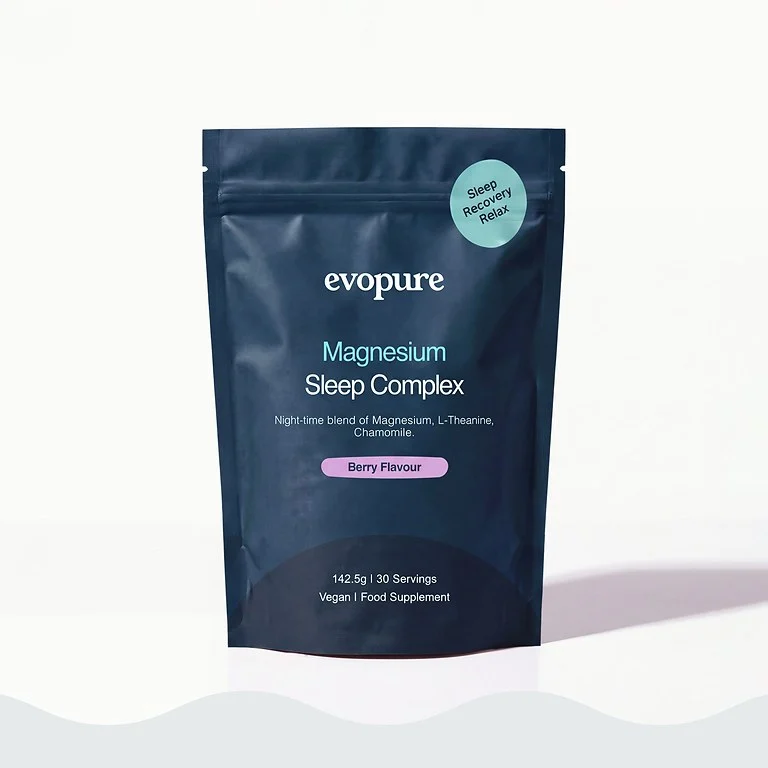
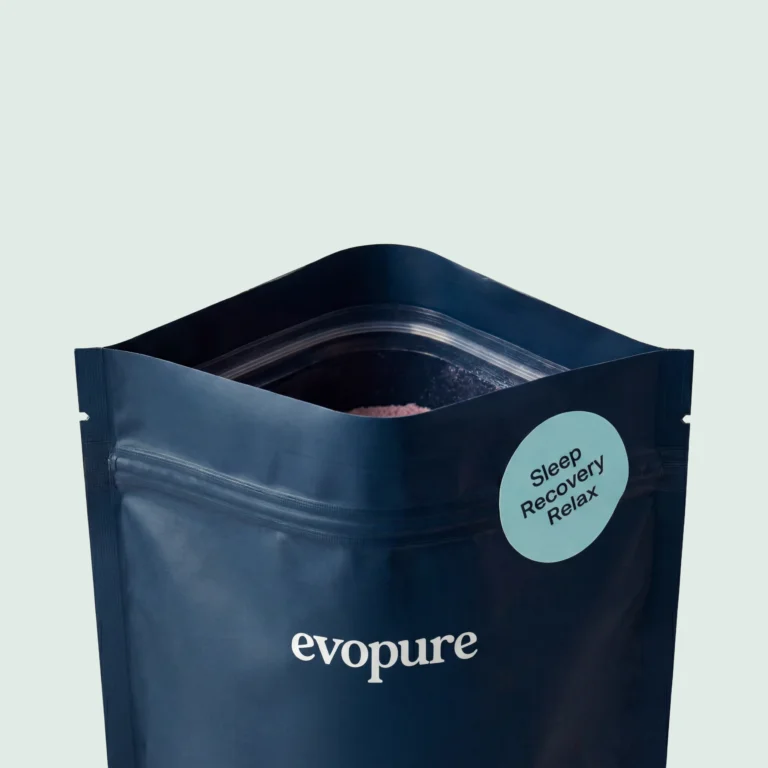
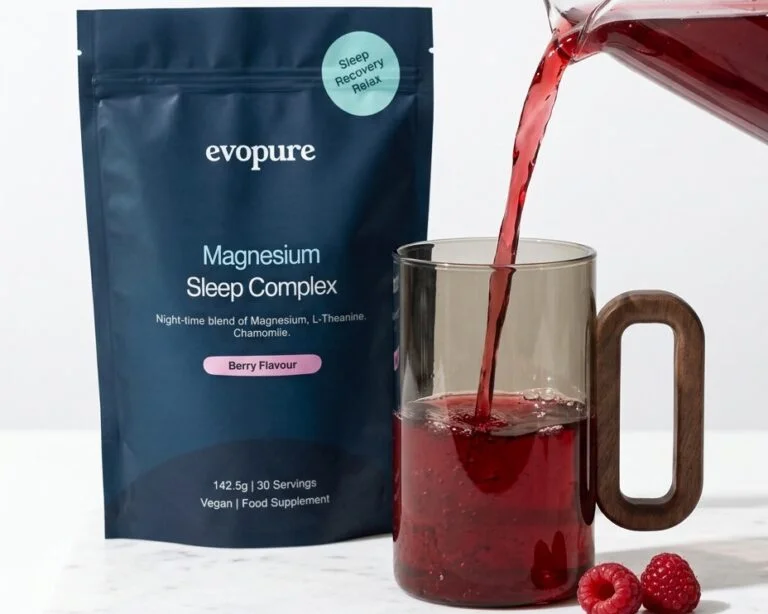
Our Magnesium Glycinate Sleep Complex uses both: bisglycinate for gentleness plus citrate, giving 148mg of elemental magnesium per serving, taken as a warm evening drink. It contains no threonate. If you are weighing a single form against a blend, see magnesium complex vs single forms.
Magnesium glycinate vs threonate
Magnesium L-threonate was developed by researchers studying how to raise magnesium levels in the brain. In rats it did this better than other forms, which is why it is marketed for memory and focus. The human trials so far are small, short and mostly funded by the companies that make the ingredient (details in the research section).
| Glycinate | L-threonate | |
|---|---|---|
| Magnesium per gram | About 140mg | About 80mg |
| Research focus | General intake; one 2025 sleep trial | Brain and sleep, small industry-funded trials |
| Cost per mg of magnesium | Lower | Much higher |
| Best for | Daily top-up, evenings, stress | People specifically interested in focus and memory |
Because threonate contains so little magnesium, it won’t do much to top up low levels on its own. If your main aim is an evening routine or correcting a shortfall, glycinate is the simpler and cheaper choice. If you want to try threonate for focus, it can be taken alongside. More in magnesium L-threonate and magnesium for sleep.
Magnesium citrate vs threonate
These do quite different jobs. Citrate is an affordable, well-absorbed way to raise your magnesium intake, with a mild laxative effect. Threonate is a specialist form that gives little magnesium per dose but has been studied for the brain. Choose citrate for general intake or constipation, and threonate only if focus and memory are your main interest.
What the research says about each form
Most magnesium research does not compare forms head to head, so it is worth knowing exactly what each one has been tested for.
Citrate: the best absorption data
The clearest head-to-head study comes from the University of Reading. In a 60-day randomised, double-blind trial, 46 healthy adults took 300mg of elemental magnesium a day as citrate, an amino acid chelate or oxide, or a placebo. Citrate gave the highest blood magnesium levels, both the citrate and chelate groups absorbed more than the oxide group, and oxide was no different from placebo. It is one small trial, but it is the reason citrate is often called the best-absorbed common form.
Glycinate: one recent sleep trial
In a 2025 German trial, 155 adults aged 18 to 65 who reported poor sleep took 250mg of elemental magnesium a day as bisglycinate, or a placebo. After 4 weeks insomnia scores had fallen a little more with magnesium than with placebo (3.9 points vs 2.3 points). The authors called the effect small and modest, and it looked larger in people who ate less magnesium to begin with. No differences were seen in the other psychological measures.
Keep that in context. A 2026 systematic review of 12 randomised trials of magnesium for sleep found inconsistent results and low to very low certainty evidence, and concluded that magnesium should not be seen as a routine treatment for insomnia. Magnesium has no authorised health claim for sleep in the UK.
L-threonate: promising, small and industry-funded
- Rats, 2010: the original study that made threonate famous was in rats. Raising brain magnesium with threonate improved learning and memory tests and increased synapse density.
- Older adults, 2016: in a 12-week trial of 44 adults aged 50 to 70 with memory complaints, a threonate supplement (MMFS-01) improved overall scores on thinking tests compared with placebo. The researchers worked for the company developing it.
- Healthy Chinese adults, 2022: 109 adults aged 18 to 65 took 2g a day of a formula combining threonate with phosphatidylserine and vitamins C and D, or a placebo, for 30 days. Memory test scores improved more with the formula, but because it contained other ingredients, the result can’t be pinned on threonate alone.
- Sleep, 2024: 80 adults aged 35 to 55 with sleep problems took 1g a day of threonate or a placebo for 21 days. Sleep scores from questionnaires and a sleep-tracking ring were better with threonate. Several authors worked for the ingredient supplier.
- Cognition and sleep, 2025: 100 adults aged 18 to 45 who were unhappy with their sleep took 2g a day of threonate or a placebo for 6 weeks. Overall thinking scores, working memory and reaction time improved more with threonate, and some self-reported sleep measures improved, but sleep measured by a wearable ring did not. The study was funded by the ingredient maker.
Taken together, threonate’s results are interesting but not yet strong: every human trial is small, short and linked to the companies selling it, and none has compared threonate directly with glycinate or citrate.
What about oxide, malate and bisglycinate?
- Magnesium bisglycinate vs glycinate: they are the same thing. Bisglycinate means each magnesium is bound to two glycine molecules, which is how magnesium glycinate is made. Brands use the names interchangeably.
- Magnesium oxide: the cheapest form and common in supermarket tablets. It contains a lot of magnesium by weight, but much less is absorbed. In the University of Reading trial, oxide performed no better than placebo for raising magnesium levels. It is more likely to cause loose stools.
- Magnesium malate: bound to malic acid, which is involved in energy production. It is gentle and often taken in the daytime, but there is little research comparing it directly with glycinate.
- Magnesium taurate, chloride and sulphate: taurate is sometimes chosen for heart health, chloride is used in sprays and flakes, and sulphate is Epsom salts for the bath. See types of magnesium.
Which magnesium is absorbed best?
Organic forms, those bound to an acid or amino acid such as citrate and glycinate, are generally better absorbed than inorganic forms such as oxide. In a 60-day controlled trial at the University of Reading, citrate led to the highest blood magnesium levels and an amino acid chelate also beat oxide.
Beyond that, the differences between good forms are smaller than marketing suggests. Taking magnesium every day, in a form you tolerate, matters more than picking the “perfect” type. Splitting larger doses and taking them with food can also help. See how long magnesium takes to work.
Best magnesium by goal: sleep, anxiety, constipation, brain fog, cramps
| Your goal | Best first choice | Read more |
|---|---|---|
| An evening wind-down | Glycinate, or a glycinate and citrate blend | Magnesium for sleep |
| Stress and tiredness | Glycinate | Magnesium for anxiety |
| Constipation | Citrate | Magnesium for constipation |
| Brain fog, focus and memory | Glycinate for a daily top-up; threonate if you want to try the brain-focused form | Magnesium for focus and brain fog |
| Muscle cramps | Glycinate or citrate | Magnesium for cramps |
| Menopause | Glycinate | Magnesium for menopause |
Magnesium contributes to the reduction of tiredness and fatigue, normal psychological function, normal functioning of the nervous system and normal muscle function, whichever form you take. Not sure when to take yours? See the best time to take magnesium.
Which magnesium is best for sleep?
Glycinate is the usual choice for an evening routine: it is gentle, well absorbed and now has a recent placebo-controlled sleep trial behind it, with a small effect. Threonate also has sleep trials, but they are industry-funded and the dose gives far less magnesium. Citrate works too if you don’t mind its effect on your gut. Overall, the research on magnesium and sleep is mixed, so think of it as one part of a wind-down routine rather than a fix. More in magnesium for sleep and glycine for sleep.
Which magnesium is best for anxiety and stress?
Most people choose glycinate because it is gentle and suits a daily routine. Magnesium contributes to normal psychological function and the normal functioning of the nervous system. A University of Leeds systematic review of 18 studies found the research suggestive but of poor quality, so magnesium is not a treatment for anxiety. If anxiety is affecting your daily life, speak to your GP. See magnesium for anxiety.
Which magnesium is best for constipation?
Citrate, because it draws water into the bowel. Oxide also loosens stools but is poorly absorbed. Glycinate has little effect on the bowel, which is why people who want to avoid loose stools choose it. Start low, and see a GP if constipation isn’t improving, keeps coming back, or comes with blood in your poo, weight loss or stomach pain. See magnesium for constipation.
Which magnesium is best for brain fog?
Brain fog has many possible causes, so if it lasts or comes with other symptoms, it is worth speaking to your GP. Magnesium contributes to the reduction of tiredness and fatigue and to normal psychological function. Glycinate is a sensible everyday form; threonate is the one studied for memory and thinking, with the caveats above. See brain fog: causes and what helps.
Which magnesium is best for leg cramps?
Magnesium contributes to normal muscle function, and glycinate or citrate are the usual choices. But be realistic: a Cochrane review of 11 trials found magnesium is unlikely to make a meaningful difference to night-time leg cramps in older adults. The NHS suggests regular calf stretches, and notes that some medicines, such as statins and diuretics, can cause cramps, so it is worth asking your pharmacist. See a GP if cramps disturb your sleep or last longer than 10 minutes. See leg cramps at night and magnesium for cramps.
Can you take different types of magnesium together?
Yes. Many supplements combine forms, such as glycinate with citrate, to balance gentleness and absorption. Some people take threonate in the morning and glycinate in the evening. The key is to add up the elemental magnesium from everything you take and stay within safe limits.
For example, one serving of our Magnesium Glycinate Sleep Complex (148mg) plus 2g of a threonate supplement (up to about 165mg) comes to roughly 310mg a day, inside the NHS guide of 400mg or less from supplements. Adding a multivitamin or another magnesium product on top could take you over, so check every label. See magnesium side effects.
How much magnesium should you take?
The NHS says adults need 300mg a day (men) or 270mg a day (women), and most people can get this from a varied diet. If you take a supplement, 400mg a day or less is unlikely to cause harm. Taking more than 400mg for a short time can cause diarrhoea. Start lower, around 100 to 200mg of elemental magnesium, and increase if needed. See signs of magnesium deficiency.
| Amount | |
|---|---|
| Men 19 to 64 (daily need) | 300mg |
| Women 19 to 64 (daily need) | 270mg |
| Supplements (NHS guide) | 400mg a day or less is unlikely to cause harm |
These figures are for elemental magnesium, whichever form you choose. So 400mg of magnesium from glycinate means nearly 3g of the compound, not a 400mg capsule.
Side effects and who should check first
The most common side effects are loose stools, nausea and stomach cramps, more likely with citrate and oxide or at high doses. Speak to your GP or pharmacist before taking magnesium if you:
- have kidney disease, as your body may not clear magnesium properly
- take antibiotics such as tetracyclines or quinolones (take them at least 2 hours before or 4 to 6 hours after magnesium)
- take osteoporosis medicines such as bisphosphonates, which need spacing from magnesium
- take diuretics or long-term acid-reducing medicines (PPIs)
- are pregnant or breastfeeding
Our supplements are for adults only, and we don’t recommend our products during pregnancy or breastfeeding. See also magnesium citrate: uses, dose and side effects and magnesium side effects.
Related guides
- For the difference between glycine and magnesium glycinate, see glycine for sleep.
- For a deep dive on malate, see our magnesium malate guide.
- How magnesium taurate compares.
- Wondering about chloride? See magnesium flakes vs Epsom salt and oral forms.
- We cover oxide on its own, including the 4% study, in our magnesium oxide guide.
- Still deciding? Our guide to the best magnesium supplement in the UK gives quick picks by goal.
- Magnesium powder vs tablets: why the form matters more than the format.
- If you also take zinc, any of these forms is fine alongside it: see magnesium and zinc together.
Black Friday, 27 to 30 November: see our Black Friday magnesium and supplement deals.
FAQs
Which is best: magnesium glycinate, citrate or threonate?
It depends on your goal. Glycinate is the gentle all-rounder for evenings and stress, citrate is well absorbed and suits constipation, and threonate is a pricier, low-magnesium form studied for memory and focus. For most people, glycinate or a glycinate and citrate blend is the best start.
Which is better, magnesium glycinate or citrate?
Both are well absorbed. Glycinate is gentler on the stomach and usually preferred for evenings and stress. Citrate has a mild laxative effect, so it suits people prone to constipation.
Is magnesium glycinate or threonate better for sleep?
Glycinate is the usual first choice for an evening routine and is cheaper. Threonate has small industry-funded trials showing better sleep scores, but it contains far less magnesium per dose.
Is magnesium threonate worth it?
Only if memory and focus are your main interest and you accept the cost. Its human trials are small, short and industry-funded, and it gives about 80mg of magnesium per gram, so it is a poor way to raise your overall intake.
Can I take magnesium glycinate and threonate together?
Yes. Some people take threonate in the morning and glycinate in the evening. Add up the elemental magnesium from both and keep supplements to 400mg a day or less.
Is magnesium bisglycinate the same as glycinate?
Yes. Bisglycinate describes how magnesium glycinate is made, with each magnesium bound to two glycine molecules. The names are used interchangeably.
How much elemental magnesium is in magnesium glycinate?
About 14%, or roughly 140mg per gram. So a 1,000mg magnesium glycinate capsule gives about 140mg of magnesium. Citrate gives about 120 to 160mg per gram and threonate about 80mg.
What is the most absorbable form of magnesium?
Organic forms such as citrate and glycinate are absorbed better than oxide. In one controlled trial, citrate raised blood levels the most. Taking it daily matters more than the exact form.
Which magnesium is best for constipation?
Magnesium citrate, because it draws water into the bowel. Start low, as too much can cause diarrhoea. See your GP if constipation isn’t improving or keeps coming back.
Which magnesium is best for brain fog?
Glycinate is a sensible everyday form, and threonate is the form studied for memory and thinking. Magnesium contributes to the reduction of tiredness and fatigue and to normal psychological function. If brain fog lasts, speak to your GP.
Which magnesium is best for leg cramps?
Glycinate or citrate are the usual choices, and magnesium contributes to normal muscle function. However, a Cochrane review found magnesium unlikely to make a meaningful difference to night-time cramps in older adults.
Is magnesium oxide any good?
It is cheap and contains a lot of magnesium by weight, but much less is absorbed and it is more likely to loosen stools. Glycinate or citrate are usually better choices.
Can I take magnesium glycinate and citrate together?
Yes. Many supplements combine them. Add up the elemental magnesium from both and keep supplements to 400mg a day or less.
Which magnesium is best for anxiety?
Most people choose glycinate because it is gentle and suits a daily routine. Magnesium contributes to normal psychological function and the normal functioning of the nervous system.
Sources
- NHS. Vitamins and minerals: magnesium.
- NHS. Constipation.
- NHS. Leg cramps.
- Walker AF et al (2003). Mg citrate found more bioavailable than other Mg preparations in a randomised, double-blind study. Magnesium Research.
- Schuster J et al (2025). Magnesium bisglycinate supplementation in healthy adults reporting poor sleep: a randomized, placebo-controlled trial. Nature and Science of Sleep.
- Lopresti AL et al (2026). Magnesium supplementation for sleep in adults: a systematic review of randomized controlled trials. Journal of Dietary Supplements.
- Slutsky I et al (2010). Enhancement of learning and memory by elevating brain magnesium. Neuron.
- Liu G et al (2016). Efficacy and safety of MMFS-01, a synapse density enhancer, for treating cognitive impairment in older adults. Journal of Alzheimer’s Disease.
- Zhang C et al (2022). A Magtein, magnesium L-threonate, based formula improves brain cognitive functions in healthy Chinese adults. Nutrients.
- Hausenblas HA et al (2024). Magnesium-L-threonate improves sleep quality and daytime functioning in adults with self-reported sleep problems. Sleep Medicine X.
- Lopresti AL, Smith SJ (2025). The effects of magnesium L-threonate (Magtein) on cognitive performance and sleep quality in adults. Frontiers in Nutrition.
- Boyle NB et al (2017). The effects of magnesium supplementation on subjective anxiety and stress: a systematic review. Nutrients.
- Garrison SR et al (2020). Magnesium for skeletal muscle cramps. Cochrane Database of Systematic Reviews.
- GOV.UK. Great Britain nutrition and health claims register.
This guide is general information, not medical advice. Evopure makes the Magnesium Glycinate Sleep Complex. Elemental magnesium percentages are our own calculations from molecular weights and are approximate.