Last updated: October 2026
Magnesium glycinate and magnesium bisglycinate are the same compound: one magnesium bound to two molecules of the amino acid glycine (“bis” means two). UK labels use both names. The difference that matters is whether a product is fully reacted bisglycinate or buffered with magnesium oxide, and how much elemental magnesium you get. Checked October 2026.
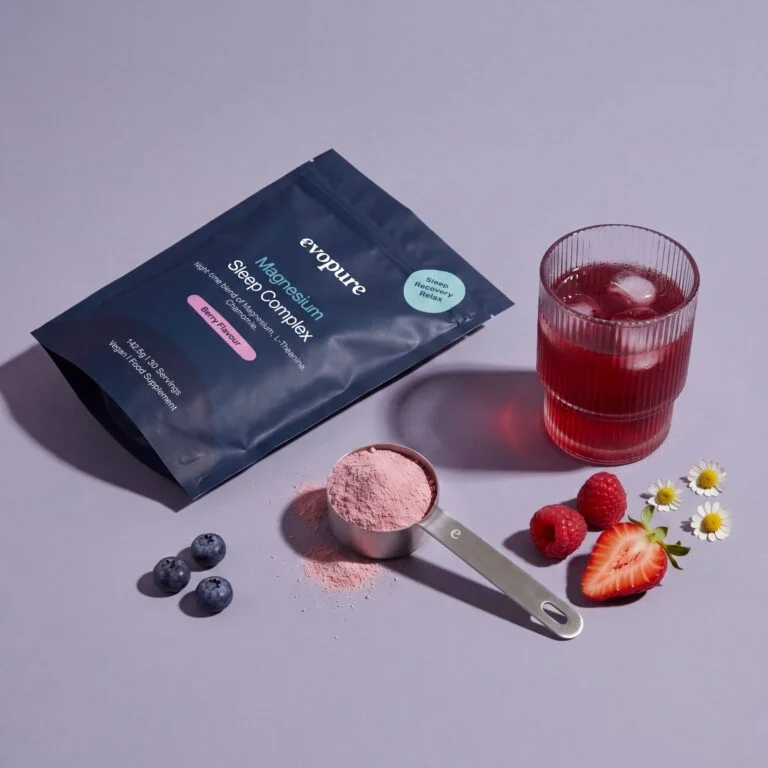
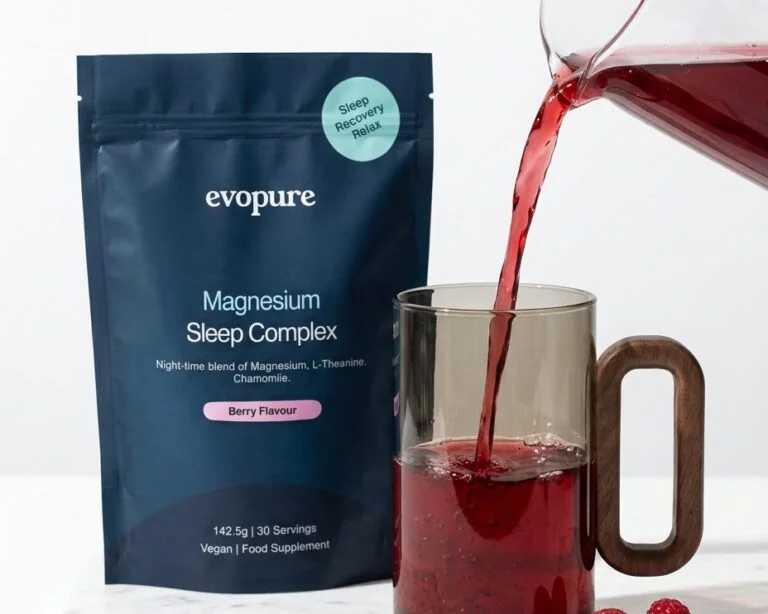
Below: the chemistry in plain English, chelated vs buffered, the label maths, how bisglycinate compares with citrate and oxide, side effects and what to look for in the UK. Our own Magnesium Glycinate Sleep Complex uses bisglycinate with citrate, and we explain exactly what that means.
Is magnesium bisglycinate the same as glycinate?
Yes. PubChem, the US government chemistry database, files “magnesium glycinate” and “magnesium bisglycinate” under one compound: C4H8MgN2O4, one magnesium with two glycine molecules. “Magnesium diglycinate” is a third name for the same thing.
“Glycinate” is the short everyday name; “bisglycinate” spells out the two glycines; “chelate” means the glycines hold the magnesium in a ring-shaped bond. So “magnesium bisglycinate chelate”, “magnesium glycinate” and “chelated magnesium glycinate” usually describe the same ingredient. For the general benefits and uses, see our full magnesium glycinate guide.
Which Evopure product fits your routine?
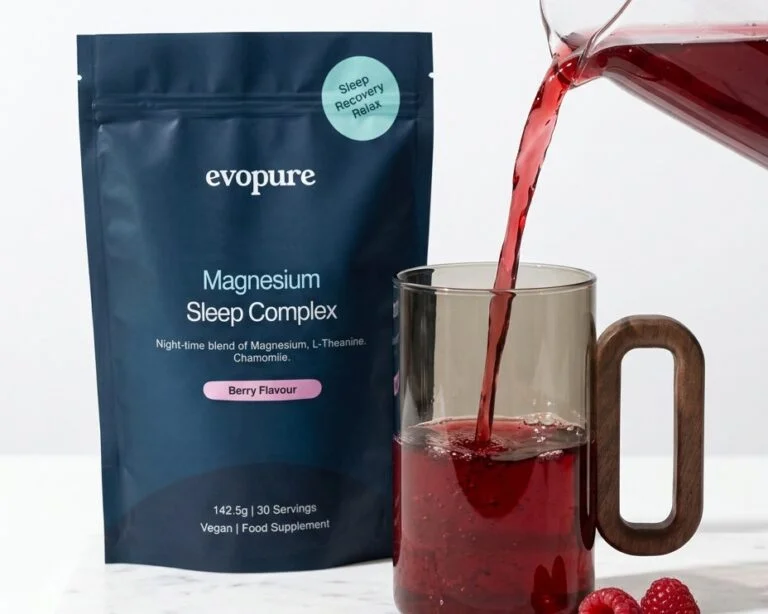
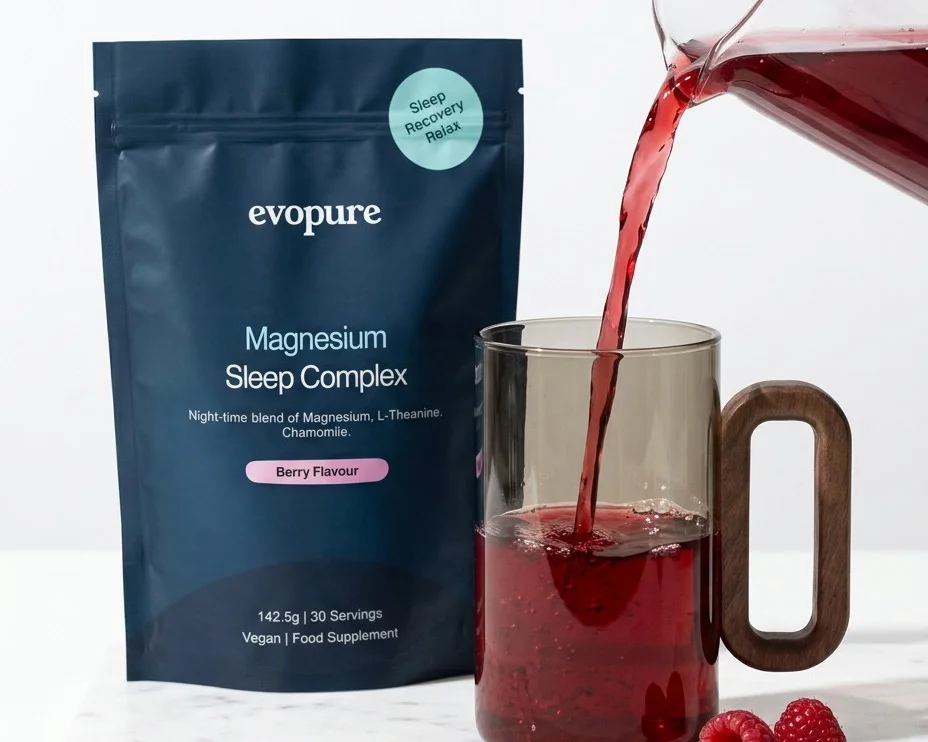
To be upfront: our magnesium is a blend, not pure bisglycinate. The Magnesium Glycinate Sleep Complex combines magnesium bisglycinate and magnesium citrate to give 148mg of elemental magnesium per 5g scoop. Magnesium contributes to a reduction of tiredness and fatigue. Here is how it sits with two other evening products, checked against our product pages in October 2026.
| Product | Format | How people use it | What’s in it |
|---|---|---|---|
| Magnesium Glycinate Sleep Complex | Berry drink powder, about 30 servings | One scoop in water or a warm drink, about 30 minutes before bed | Bisglycinate and citrate (148mg magnesium), glycine, L-theanine, oat straw, hops, chamomile, passionflower |
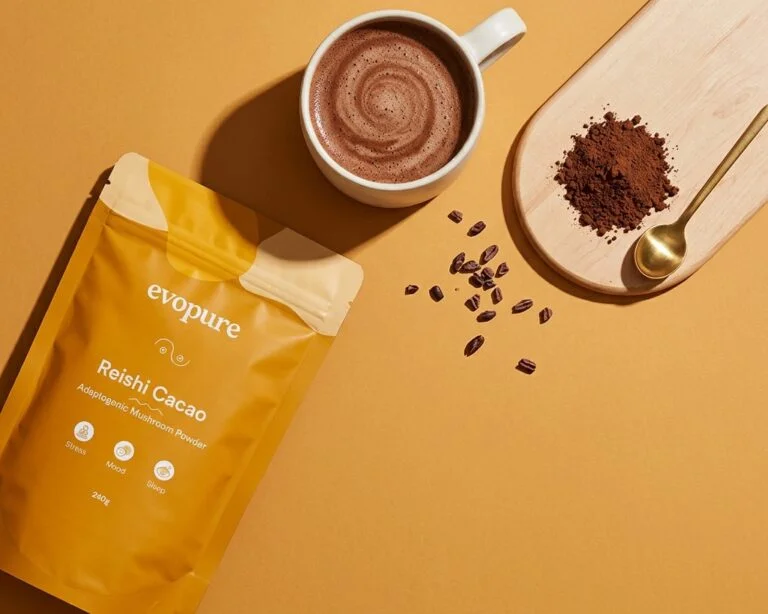
| Reishi Mushroom Adaptogenic Complex | Hot chocolate powder | A mug with warm milk or water in the evening | Reishi extract, organic cacao, maca, coconut milk powder. Contains a little natural caffeine |
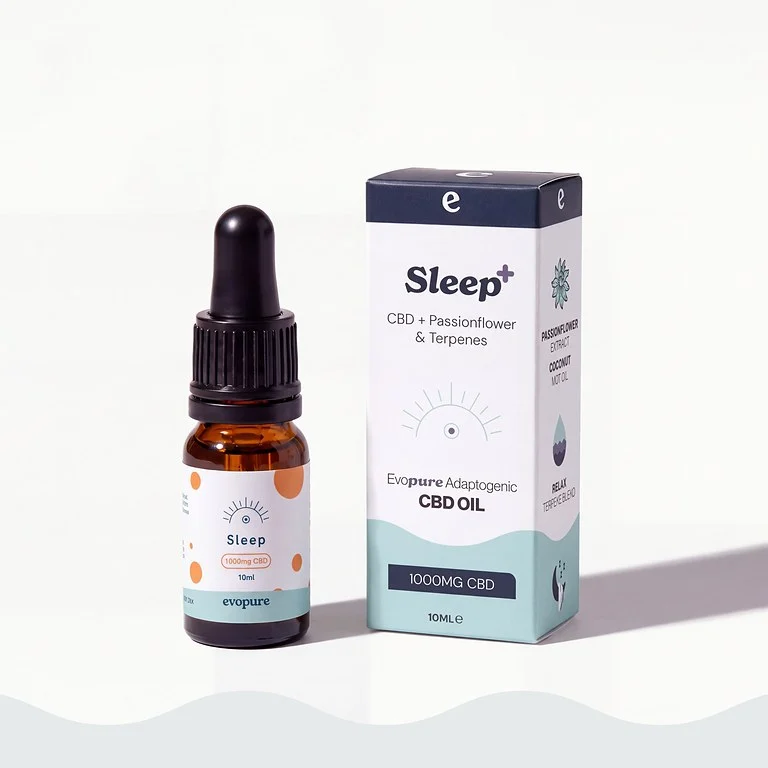
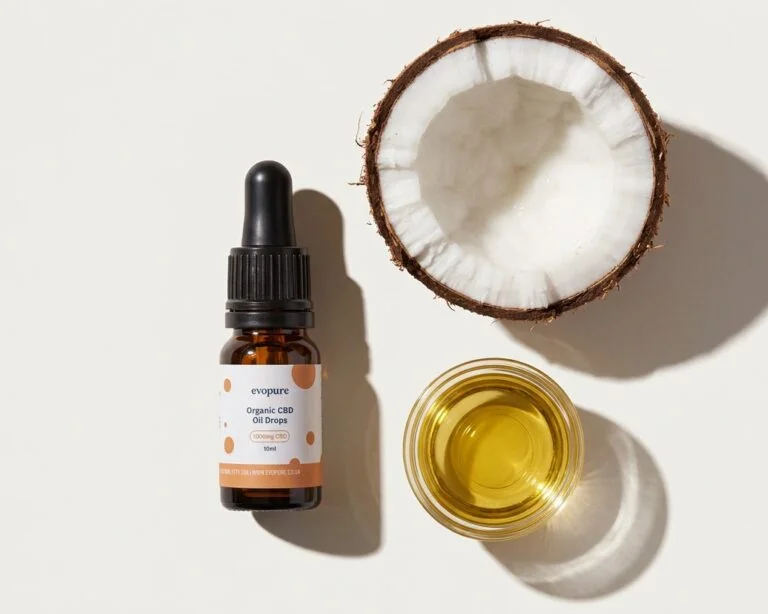
| Sleep CBD Oil with Passion Flower | Oil, 500mg or 1,000mg | A few drops under the tongue as part of a wind-down | Broad spectrum CBD, passion flower extract, MCT oil, terpene blend. 0% THC |
The FSA’s 10mg a day figure is precautionary advice rather than a legal limit, set while longer-term safety research continues. At Evopure we think it is a very cautious figure, and many adults use more. If you go above it, increase slowly, and check with your GP or pharmacist first if you take any medication.
Value: compare magnesium powders by price per 100mg of elemental magnesium, not per tub. Subscribe and Save lowers the price of every order, and you can skip, pause or cancel any time.
- Every batch third-party tested at ISO 17025 labs. Request reports on our lab testing page.
- Made in the UK and vegan. The CBD oil is broad spectrum, THC free and on the FSA public list, linked to validated applications.
- Tracked Royal Mail delivery, dispatched the same day if you order before 3pm Monday to Thursday (delivery details). Unopened, unused items can be returned within 14 days (returns policy).
These are food supplements, not medicines. We don’t recommend our products during pregnancy or breastfeeding, and they are for adults (18+) only.
Chelated vs buffered magnesium glycinate: the difference that matters
Albion Minerals (part of Balchem), a major maker of mineral chelates, describes two versions of its bisglycinate:
- Fully reacted (non-buffered): all the magnesium is bound to glycine.
- Buffered: bisglycinate plus extra magnesium oxide. This raises the magnesium per capsule, but part of your dose is then oxide, which dissolves poorly.
Buffered isn’t unsafe, but you are paying for part glycinate and part oxide, and in a small trial oxide was less well tolerated than the glycine chelate. How to spot it: the label says “buffered”, magnesium oxide appears in the ingredients, or a “glycinate” product claims far more than about 14% magnesium. See our magnesium oxide guide for that form.
How much magnesium is in magnesium bisglycinate?
About 14% by weight. PubChem gives the compound a molecular weight of 172.42, and magnesium is 24.3 of that. Hydrated or blended material can be lower or higher, so always read the elemental figure.
| Bisglycinate on the label | Elemental magnesium |
|---|---|
| 500mg | About 70mg |
| 1,000mg | About 141mg |
| 1,775mg | About 250mg |
The nutrition panel shows magnesium in mg. If a front label says “magnesium bisglycinate 1,000mg”, that is the compound; you get about 141mg of magnesium. We do this maths brand by brand in our Viridian, Holland and Barrett and Boots magnesium guides.
The NHS says adults need 300mg (men) or 270mg (women) a day, mostly from food, and that 400mg or less a day from supplements is unlikely to cause harm. More on how much magnesium per day.
Bisglycinate vs citrate vs oxide: how the forms compare
| Form | Magnesium by weight | What to know |
|---|---|---|
| Bisglycinate (glycinate) | About 14% | Bulky, so bigger capsules or a scoop. Usually gentle on the stomach |
| Buffered glycinate | Higher; varies | Part glycinate, part oxide. Check the ingredients |
| Citrate | About 12 to 16% | Dissolves well in water and stomach acid |
| Oxide | About 60% | Most magnesium per tablet, but dissolves poorly |
What the research says: in a 1990 study, citrate dissolved far better than oxide and more magnesium was absorbed. A small 1994 trial in people with bowel resection found the glycine chelate was better tolerated than oxide and partly absorbed intact. Not every study agrees: a 2024 industry-funded trial saw no rise in blood magnesium within six hours of bisglycinate. Form matters less than the dose you take consistently. Compare more forms in our glycinate vs citrate vs threonate guide, the magnesium citrate guide and 12 types of magnesium.
Best magnesium bisglycinate in the UK: what to look for
- Elemental magnesium per serving is stated, not only the compound weight.
- No hidden oxide. “Fully reacted” or “non-buffered” is a good sign.
- A dose that fits: with food, keep supplements to 400mg or less.
- A format you will take: capsules, or a magnesium glycinate powder you can drink. Our powder vs tablets guide compares them.
- Third-party testing and a clear ingredients list.
- Price per 100mg of magnesium, the fairest way to compare value.
Some products add other ingredients, like glycine or L-theanine in an evening blend; that is a choice, not a flaw, as long as the label is clear. For a wider comparison across forms and goals, see our guide to the best magnesium supplements in the UK.
Magnesium bisglycinate side effects and when to take it
Bisglycinate is usually well tolerated. The NHS says high doses of magnesium (more than 400mg) taken for a short time can cause diarrhoea. Start low and build up. Speak to a GP or pharmacist first if you have kidney problems or take medication. Our magnesium side effects guide covers the rest.
For sleep, the research is modest: in a 2025 German trial of 155 adults with poor sleep, 250mg of magnesium a day from bisglycinate improved insomnia scores slightly more than placebo after four weeks. Our magnesium for sleep guide covers this in depth, and glycine for sleep looks at the amino acid itself.
Many people take it in the evening; there is no fixed rule, so pick a time you will stick to. See the best time to take magnesium, how long magnesium takes to work and how long it stays in your body. Children need different amounts: see magnesium for kids and ask a GP or pharmacist first.
FAQs
Is magnesium bisglycinate the same as magnesium glycinate?
Yes. Both names describe one magnesium bound to two glycine molecules. Check the label for “buffered” or magnesium oxide, and compare the elemental magnesium per serving.
What does buffered magnesium glycinate mean?
It is bisglycinate mixed with magnesium oxide to raise the magnesium per capsule. Part of each dose is then oxide, which dissolves poorly. Check the ingredients list.
How much elemental magnesium is in magnesium bisglycinate?
About 14% by weight, so 1,000mg of bisglycinate gives roughly 141mg of magnesium. The nutrition panel shows the elemental figure.
What are the side effects of magnesium bisglycinate?
It is usually well tolerated. Taking more than 400mg of magnesium for a short time can cause diarrhoea, according to the NHS. Speak to a GP or pharmacist first if you have kidney problems or take medication.
Can you take magnesium bisglycinate every day?
Yes, within NHS amounts: 400mg or less a day from supplements is unlikely to cause harm. Count all your supplements together.
Is Evopure’s Magnesium Sleep Complex pure bisglycinate?
No. It is a berry drink powder with magnesium bisglycinate and citrate, giving 148mg of magnesium per 5g scoop, plus glycine, L-theanine and herbal extracts. It contains no magnesium oxide.
Sources
- NHS. Vitamins and minerals: others (magnesium).
- PubChem. Magnesium glycinate (CID 84645).
- Balchem (Albion Minerals). Magnesium bisglycinate chelate.
- Lindberg JS et al. Magnesium bioavailability from magnesium citrate and magnesium oxide. J Am Coll Nutr 1990.
- Schuette SA et al. Bioavailability of magnesium diglycinate vs magnesium oxide in patients with ileal resection. JPEN 1994.
- Pajuelo D et al. Comparative clinical study on magnesium absorption and side effects. Nutrients 2024.
- Schuster J et al. Magnesium bisglycinate supplementation in healthy adults reporting poor sleep. Nat Sci Sleep 2025.
This guide is general information, not medical advice. Evopure makes the Magnesium Glycinate Sleep Complex, Reishi Mushroom Adaptogenic Complex and Sleep CBD Oil.