
















Last updated: October 2026
Magnesium glycinate is magnesium bound to the amino acid glycine. It is one of the best-tolerated forms of magnesium: well absorbed and unlikely to upset your stomach. Magnesium contributes to the reduction of tiredness and fatigue, normal muscle function and the normal functioning of the nervous system, and many people take glycinate in the evening as part of their wind-down.
This guide covers what magnesium glycinate is, its benefits (including for women), when to take it, how much, side effects, how it compares with other forms, and how to choose a good one in the UK.
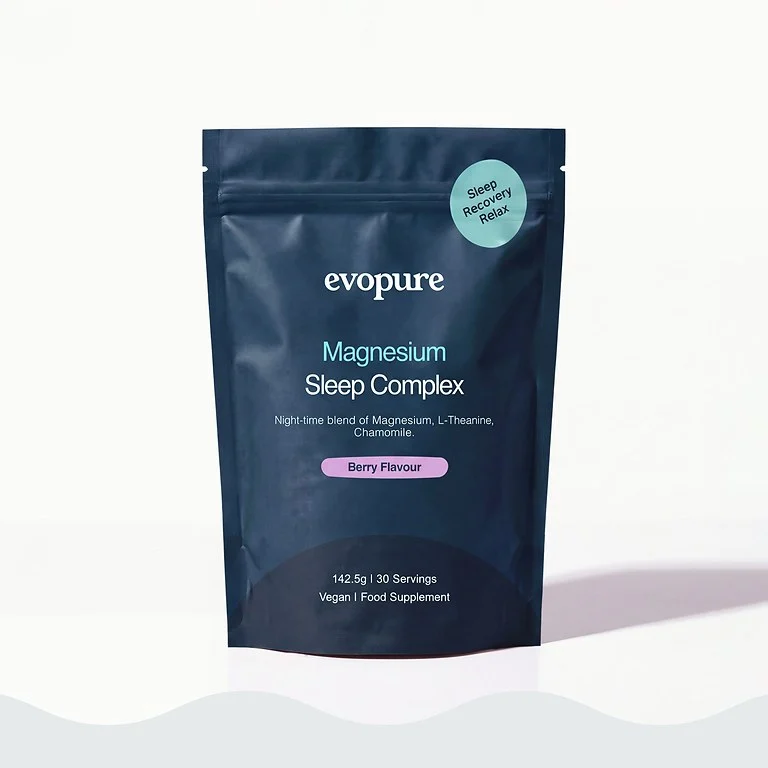
Our magnesium: Magnesium Glycinate Sleep Complex is magnesium bisglycinate and citrate with glycine, L-theanine, chamomile, passionflower, hops and oat straw, as a berry powder you mix into an evening drink. Magnesium contributes to the reduction of tiredness and fatigue. Vegan, made in the UK and tested by ISO 17025 accredited labs.
What is magnesium glycinate?
Magnesium on its own is not stable, so supplements bind it to another compound. In magnesium glycinate, each magnesium is bound to glycine, an amino acid your body also makes and uses.
- Glycinate and bisglycinate are the same thing. Bisglycinate means each magnesium is bound to two glycine molecules, which is how most glycinate supplements are made.
- It is gentle. Unlike citrate and oxide, glycinate rarely loosens stools, so it suits sensitive stomachs and evening use.
- Only part of it is magnesium. Glycinate is roughly 14% magnesium by weight, so check the “elemental magnesium” figure on the label (more on this below).
Magnesium glycinate benefits
In the UK, the health benefits of magnesium that have been officially approved are that it contributes to:
- a reduction of tiredness and fatigue
- normal functioning of the nervous system
- normal psychological function
- normal muscle function
- normal energy-yielding metabolism
- electrolyte balance
- the maintenance of normal bones and teeth
Here is the honest part most brands skip: these benefits come from magnesium itself, and most research uses magnesium in general rather than glycinate specifically. What makes glycinate stand out is not a special effect but that it is well absorbed and easy to take every day, which is what actually gets magnesium into your routine.
Magnesium glycinate benefits for women
Women make up a large share of magnesium glycinate buyers, and a few times of life stand out:
PMS, bloating and water retention
In a University of Reading trial, women who took 200mg of magnesium a day for two cycles had fewer premenstrual fluid retention symptoms by the second month, including bloating, swollen hands and feet, and breast tenderness. Read more in our guides to magnesium for water retention and magnesium for PMS.
Period cramps
Magnesium is widely used for period cramps because it supports normal muscle function. Research on it for period pain is limited and mostly small, so treat it as a gentle extra rather than a replacement for pain relief.
Perimenopause and menopause
Broken sleep, tiredness and low mood are common in perimenopause. Magnesium contributes to the reduction of tiredness and fatigue and to normal psychological function, and glycinate is easy to take in the evening. See magnesium for menopause for more.
Pregnancy and breastfeeding
Magnesium needs are similar in pregnancy, but always check with your midwife or GP before taking any supplement. Our magnesium in pregnancy guide explains more. We don’t recommend our own products during pregnancy or breastfeeding.
Read more: magnesium benefits for women
The FSA’s 10mg a day figure for CBD is precautionary advice rather than a legal limit, set while longer-term safety research continues. At Evopure we think it is a very cautious figure, and many adults use more. If you go above it, increase slowly, and check with your GP or pharmacist first if you take any medication.
Magnesium glycinate for sleep, stress and muscles
Sleep
Glycinate is the form most people choose for sleep. In a 2025 trial, adults who slept poorly and took 250mg of magnesium as bisglycinate every day had a small but real improvement in insomnia scores after four weeks compared with a placebo, with the biggest gains in people who ate the least magnesium. It is not a sleeping pill, but it can be a useful part of an evening routine. Our full guide to magnesium for sleep covers dose and timing.
Does magnesium glycinate make you sleepy?
Not in the way a sleeping pill or an antihistamine can. Magnesium glycinate is not a sedative, and in the 2025 bisglycinate trial, daytime sleepiness and stress scores changed no more than they did with the placebo. Some people say they feel calmer when they take it in the evening, but that hasn’t been shown in research, so think of it as one part of a wind-down routine rather than something that knocks you out.
Because it isn’t sedating, you can take it in the morning too (see the next section). For more, read does magnesium make you sleepy?, and if you are choosing a form for the evening, see our guide to the best magnesium for sleep.
Stress
Stress often shows up physically: tight shoulders, a clenched jaw, restlessness. Magnesium contributes to the normal functioning of the nervous system and normal psychological function, which is why many people make it part of a daily calm routine.
Muscles, cramps and recovery
Magnesium contributes to normal muscle function, so people who train hard, sweat a lot or get night-time cramps often take it. If restless legs are your issue, see our guide to magnesium for restless legs.
Magnesium glycinate for anxiety, migraines, constipation and more
| Searching for | The short answer |
|---|---|
| Anxiety | Magnesium contributes to normal psychological function, and glycinate is gentle enough to take daily, but it isn’t a treatment for anxiety. See magnesium for anxiety |
| Migraines and headaches | Most migraine studies used other forms of magnesium, so ask your GP about prevention. See magnesium for migraines |
| Constipation | Glycinate is the wrong pick, as it rarely loosens stools. Citrate is the usual choice. See magnesium for constipation |
| Men | Men need a little more magnesium than women (300mg vs 270mg a day), and glycinate suits training and evenings. See magnesium glycinate for active people |
| Weight loss | Magnesium doesn’t burn fat, but it can help you meet your needs while you diet. See magnesium for weight loss |
| Children | Children need less, depending on age. Ask a GP or pharmacist first. See magnesium for kids |
Magnesium contributes to the reduction of tiredness and fatigue, which is why many people also take it for low energy. See magnesium for energy and signs of magnesium deficiency.
When to take magnesium glycinate
- For sleep or winding down: 30 to 60 minutes before bed.
- For general top-up or tiredness: any time of day that you will remember. Consistency matters more than the exact time.
- With food if you have a sensitive stomach.
- Away from certain medicines: magnesium can reduce how well some antibiotics, osteoporosis medicines and thyroid medicine (levothyroxine) are absorbed. Ask your pharmacist how far apart to take them.
Most people notice a difference over two to four weeks of taking it daily. For more, see the best time to take magnesium and how long magnesium takes to work.
Can I take magnesium glycinate in the morning?
Yes. Magnesium is about meeting your needs day after day rather than a one-off effect, so taking it consistently matters more than the time on the clock. Evening is popular because it fits neatly into a wind-down routine, and sleep studies, including the 2025 bisglycinate trial, gave it 30 to 60 minutes before bed. We are not aware of any trial that compares morning with evening doses, so pick the time you will stick to, whether that is with breakfast or before bed.
If you take a larger amount, splitting it between morning and evening, with food, is gentler on the stomach. The NHS notes that taking more than 400mg of magnesium in a short time can cause diarrhoea. Our guide to the best time of day to take magnesium goes into more detail, including how to space it from medicines.
How much magnesium glycinate should you take?
The short answer: go by the elemental magnesium, not the weight of the magnesium glycinate. Most adults take 100 to 300mg of elemental magnesium a day from a supplement, on top of food, and the NHS says 400mg or less a day from supplements is unlikely to cause harm.
The NHS says adults aged 19 to 64 need 300mg of magnesium a day (men) or 270mg (women), mostly from food, and that 400mg or less a day from supplements is unlikely to cause harm.
The key is to read the elemental figure. Because glycinate is only about 14% magnesium, a capsule labelled “500mg magnesium glycinate” gives roughly 70mg of actual magnesium. Most people take 100 to 300mg of elemental magnesium a day, and sleep studies typically used 200 to 400mg.
Where does the 14% come from? Magnesium bisglycinate (C4H8MgN2O4) weighs about 172g per mole, and the magnesium in it about 24g, so roughly 14% of the compound is magnesium.
| Amount | Elemental magnesium | As magnesium glycinate (roughly) |
|---|---|---|
| NHS daily need, men 19 to 64 (mostly from food) | 300mg | 2,100mg |
| NHS daily need, women 19 to 64 (mostly from food) | 270mg | 1,900mg |
| NHS guide for supplements | 400mg or less a day | 2,800mg or less |
| A “500mg magnesium glycinate” capsule | About 70mg | 500mg |
| One serving of our Magnesium Glycinate Sleep Complex | 148mg | Bisglycinate and citrate blend |
Our Magnesium Glycinate Sleep Complex combines bisglycinate and citrate and gives 148mg of elemental magnesium per serving. That is about half the NHS daily amount for men and just over half for women, and comfortably inside the 400mg supplement guide, leaving room for the magnesium you get from food. The NHS says most people can get all the magnesium they need from a varied, balanced diet, so if you also take a multivitamin or another magnesium product, add the elemental figures together and stay at 400mg or less from supplements.
Magnesium glycinate side effects and who should check first
Glycinate is the gentlest form, and most people take it without problems. Possible side effects, usually at higher doses, include loose stools, nausea, stomach cramps and, occasionally, headaches or vivid dreams. Lowering the dose or taking it with food usually helps.
Is it safe for your kidneys and heart? Your kidneys control how much magnesium your body keeps, and healthy kidneys pass out any extra. Very high doses can lead to magnesium toxicity, with low blood pressure and an irregular heartbeat, but this is rare and mostly seen at very high doses or with kidney disease. Staying at or below the NHS guide of 400mg a day from supplements keeps you well clear.
Gummies: magnesium glycinate gummies are popular, but check the elemental magnesium per gummy and the sugar content, as you may need several to reach a useful amount.
For all forms, interactions and safe limits, see magnesium side effects.
Speak to your GP or pharmacist first if you:
- have kidney disease, as your kidneys clear excess magnesium
- take antibiotics, osteoporosis medicines, thyroid medicine or any regular prescription
- are pregnant or breastfeeding
Magnesium glycinate vs other forms
| Form | Gentle on the gut? | Best for |
|---|---|---|
| Glycinate / bisglycinate | Yes, very | Daily use, evenings, sensitive stomachs |
| Citrate | Can loosen stools | Constipation and bloating |
| L-threonate | Yes | Interest in focus and memory (early research) |
| Malate | Yes | Daytime routines |
| Oxide | Often loosens stools | Cheap, poorly absorbed |
| Melatonin | Not magnesium | A sleep hormone; prescription-only in the UK |
Magnesium glycinate vs melatonin: they’re very different. Melatonin is a hormone that the NHS lists as prescription-only in the UK, mainly for short-term insomnia. Magnesium glycinate is a food supplement you can buy freely and take daily. See melatonin in the UK.
Plain “magnesium” on a label usually means oxide or a mix. For every form side by side, see our guide to the types of magnesium, or read glycinate vs citrate vs threonate, magnesium L-threonate and magnesium for bloating for the citrate side.
Magnesium glycinate vs bisglycinate: is there a difference?
On most UK labels, no. Magnesium bisglycinate is one magnesium bound to two glycine molecules, and that is the form usually sold as “magnesium glycinate”. The two names are used for the same thing, so you are not missing out by choosing one over the other.
The difference that matters is how the product is made:
- Fully reacted (chelated): all the magnesium is bound to glycine. Ingredient makers describe a proper bisglycinate chelate this way.
- Buffered: bisglycinate mixed with extra magnesium oxide. This raises the magnesium per capsule, but part of it is then oxide, the cheaper form that is less well absorbed and more likely to loosen stools. If the label says “buffered” or lists magnesium oxide, that is what you are buying.
A quick check: pure bisglycinate is only about 14% magnesium by weight, so a product claiming much more magnesium than that from “glycinate” alone probably contains another form. Always compare the elemental magnesium per serving rather than the compound weight.
Our Magnesium Glycinate Sleep Complex uses magnesium bisglycinate plus magnesium citrate, and gives 148mg of elemental magnesium per serving.
How to choose the best magnesium glycinate in the UK
- Check the elemental magnesium per serving, not just the compound weight.
- Look for third-party lab testing and a brand that publishes its results.
- Choose a format you will actually take: capsules are quick, while powders double as an evening drink.
- Read the full ingredients. Blends may add other forms of magnesium or calming ingredients, so make sure they suit you.
- Avoid unnecessary fillers and artificial sweeteners if that matters to you.
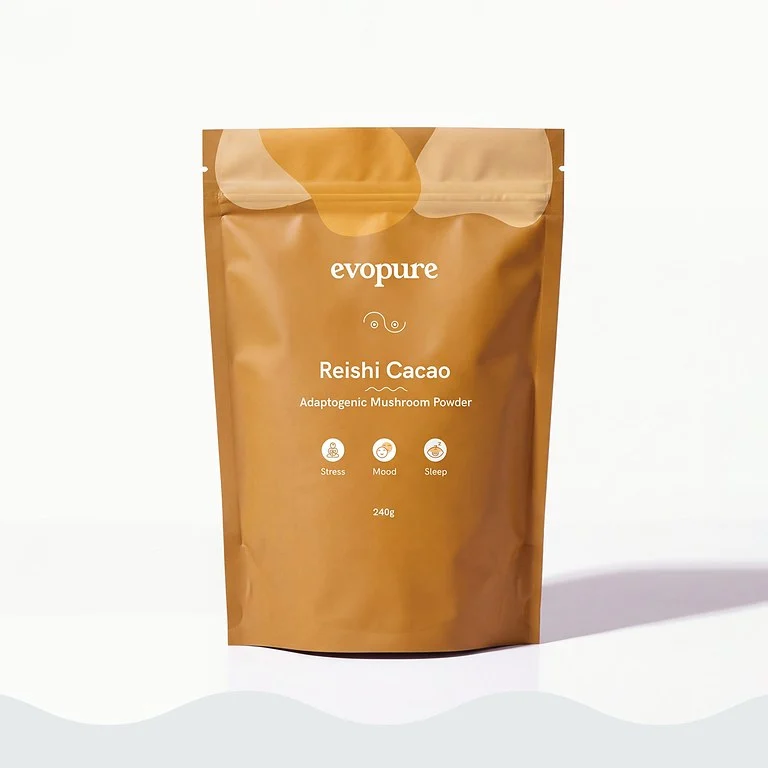
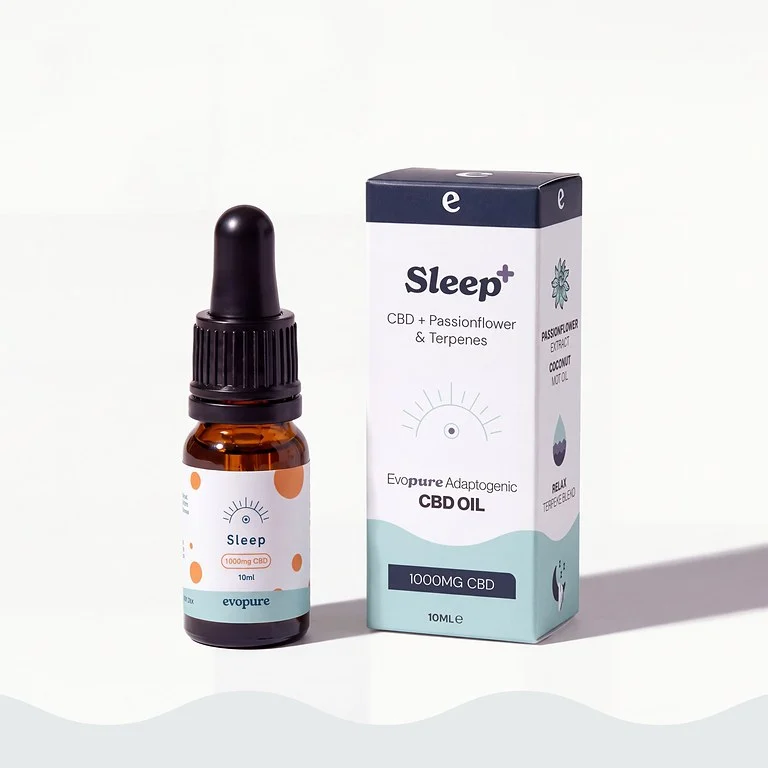
Our Magnesium Glycinate Sleep Complex is a berry powder combining magnesium bisglycinate and citrate with L-theanine, glycine, chamomile, passionflower, hops and oat straw. It is made in the UK, vegan and third-party lab tested. Some people pair it with Sleep CBD Oil or reishi cacao in the evening, or with Flow CBD Oil during the day.
Related guides
- Comparing products? See best magnesium supplement UK: how to choose.
- Glycinate comes as powder, capsules or tablets. See magnesium powder vs tablets.
- How magnesium citrate compares.
- Wondering about the glycine part on its own? See glycine for sleep: what the research shows.
- Comparing forms? See magnesium malate vs glycinate.
- Weighing up the two amino acid forms? See magnesium taurate vs glycinate.
- Magnesium glycinate for PCOS.
- For children, see kids’ magnesium glycinate gummies: are they safe?
- Magnesium glycinate vs ashwagandha, including how to take them together.
- Why there is no real magnesium glycinate spray.
- Many products pair glycinate with another form; we explain what a magnesium complex is and whether blends are better.
- Glycinate can be taken alongside zinc at normal doses; see can you take magnesium and zinc together.
- How much magnesium glycinate per day, with label maths for every form.
- Food comes first: our guide to which foods contain magnesium shows how to reach 270mg or 300mg a day.
Black Friday, 27 to 30 November: see our Black Friday magnesium and supplement deals.
FAQs
What is magnesium glycinate good for?
Magnesium contributes to the reduction of tiredness and fatigue, normal muscle function and the normal functioning of the nervous system. Glycinate is chosen because it is well absorbed and gentle on the stomach, and many people take it in the evening to wind down.
Is magnesium glycinate better than magnesium citrate?
They suit different needs. Glycinate is gentler and better for daily or evening use. Citrate has a mild laxative effect, which makes it better if you are also constipated.
Should I take magnesium glycinate in the morning or at night?
Either works. You can take magnesium glycinate in the morning, and taking it every day matters more than the exact time. Many people take it 30 to 60 minutes before bed as part of a wind-down routine, and you can split a larger amount between morning and evening, with food, if your stomach is sensitive.
How long does magnesium glycinate take to work?
Some people feel calmer within a few days, but most notice a difference after two to four weeks of daily use. Sleep studies measured results after four to eight weeks.
Can I take magnesium glycinate every day?
Yes. Most healthy adults can take it daily within the NHS guide of 400mg or less a day from supplements. Check with your GP if you have kidney problems or take regular medicines.
What are the benefits of magnesium glycinate for women?
Women often use it for premenstrual bloating and water retention, where a University of Reading trial found magnesium helped by the second month, as well as for sleep and tiredness in perimenopause. Check with your midwife or GP if you are pregnant or breastfeeding.
Can I take magnesium glycinate with CBD?
Yes, magnesium and CBD are often taken together in an evening routine. If you take prescription medicines, check with your pharmacist first, as CBD can interact with some of them.
How much magnesium is in 500mg of magnesium glycinate?
About 70mg. Magnesium glycinate is roughly 14% magnesium by weight, so always check the elemental magnesium figure on the label.
Is magnesium glycinate good for anxiety?
Magnesium contributes to normal psychological function, and glycinate is gentle enough to take every day. It isn’t a treatment for anxiety, so speak to your GP if anxiety affects daily life.
Does magnesium glycinate help with constipation?
Not much. Glycinate rarely loosens stools, which is why it suits sensitive stomachs. Magnesium citrate is the usual choice for constipation.
Is magnesium glycinate safe for your kidneys?
For healthy adults, yes, at the NHS guide of 400mg or less a day from supplements. If you have kidney disease, speak to your GP first, as your kidneys clear excess magnesium.
Is magnesium glycinate better than melatonin for sleep?
They’re different. Melatonin is a prescription-only medicine in the UK. Magnesium glycinate is a food supplement many people take as part of a calm evening routine.
How much magnesium glycinate should I take daily?
Go by elemental magnesium, not the weight of the glycinate. The NHS says men need 300mg a day and women 270mg, mostly from food, and that 400mg or less a day from supplements is unlikely to cause harm. Most people take 100 to 300mg of elemental magnesium from a supplement, which is roughly 700 to 2,100mg of magnesium glycinate. One serving of our Magnesium Glycinate Sleep Complex gives 148mg.
Does magnesium glycinate make you sleepy?
Not usually. It is not a sedative, and in a 2025 trial daytime sleepiness was no different from a placebo. Some people feel calmer when they take it in the evening, but that hasn’t been proven. If you do feel drowsy after it, simply take it in the evening.
Does magnesium help you sleep?
The evidence is modest, and there is no authorised sleep claim for magnesium in the UK. In a 2025 trial of 155 adults who slept poorly, 250mg of magnesium a day as bisglycinate improved insomnia scores slightly more than a placebo over four weeks, mostly in people who ate the least magnesium. Magnesium contributes to normal psychological function, and many people make it part of a calm evening routine.
Which magnesium is best for sleep?
Magnesium glycinate (bisglycinate) is the form most people choose for the evening, because it is gentle on the stomach and it is the form used in the 2025 sleep trial. Citrate suits you better if you are also constipated. See our guide to the best magnesium for sleep for a full comparison.
Is magnesium glycinate the same as bisglycinate?
Yes, in practice. Magnesium bisglycinate is one magnesium bound to two glycine molecules, which is the form sold as magnesium glycinate on most UK labels. Check whether the label says buffered, which means magnesium oxide has been added, and compare the elemental magnesium per serving.
What are the benefits of magnesium bisglycinate?
The benefits come from the magnesium itself. Magnesium contributes to a reduction of tiredness and fatigue, normal functioning of the nervous system, normal psychological function and normal muscle function. Bisglycinate is chosen because it is well absorbed and gentle on the stomach, so it is easy to take every day.
Sources
- NHS. Vitamins and minerals: magnesium.
- Schuster J et al (2025). Magnesium bisglycinate supplementation in healthy adults reporting poor sleep: a randomized, placebo-controlled trial. Nature and Science of Sleep.
- Walker AF et al (1998). Magnesium supplementation alleviates premenstrual symptoms of fluid retention. Journal of Women’s Health.
- Pattanittum P et al (2016). Dietary supplements for dysmenorrhoea. Cochrane Database of Systematic Reviews.
- NHS. Melatonin.
- NIH Office of Dietary Supplements. Magnesium: fact sheet for health professionals.
- PubChem. Magnesium glycinate (CID 84645): molecular formula and weight.
- Balchem (Albion Minerals). Magnesium bisglycinate chelate: fully reacted and buffered forms.
This guide is general information, not medical advice. Evopure makes the Magnesium Glycinate Sleep Complex.