Last updated: October 2026
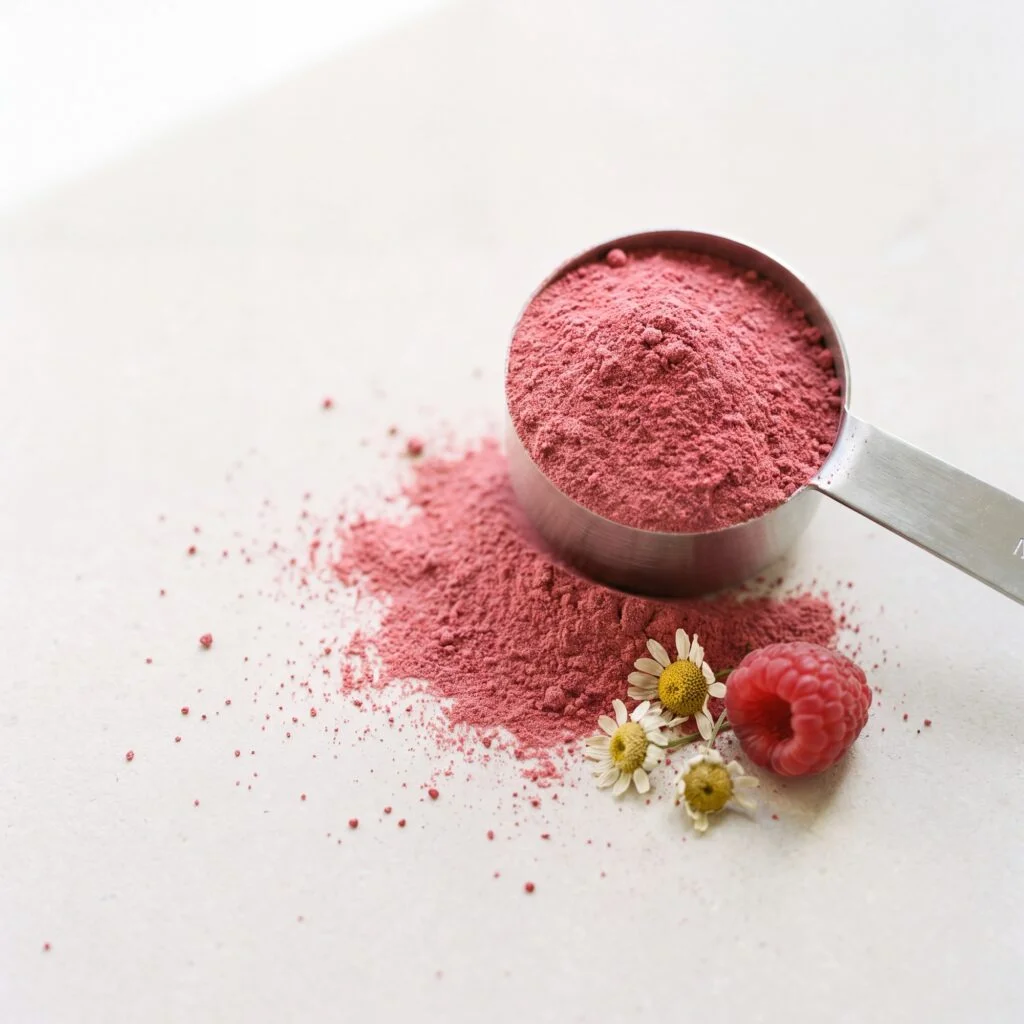
Magnesium powder is magnesium you stir into a drink. It’s easy to swallow, can hold more per serving than a tablet, and many people take it as a warm evening drink. The type matters more than the format: glycinate and citrate are well absorbed as powder or tablet, oxide poorly in both. Keep supplements to 400mg a day or less.
Below: magnesium powder benefits, magnesium powder for sleep, types of powder, how to take it, and powder vs tablets vs capsules.
Magnesium powder benefits
Magnesium in powder form does the same jobs as magnesium in any form. These are the authorised health claims for magnesium in the UK:
- Magnesium contributes to the reduction of tiredness and fatigue.
- Magnesium contributes to normal psychological function.
- Magnesium contributes to the normal functioning of the nervous system.
- Magnesium contributes to normal muscle function.
- Magnesium contributes to normal energy-yielding metabolism and electrolyte balance.
- Magnesium contributes to the maintenance of normal bones and teeth.
The practical benefits of powder are that there’s nothing to swallow, you can take a smaller amount at first, and it turns your supplement into a drink you look forward to. See signs of magnesium deficiency and foods high in magnesium.
Magnesium powder for sleep
Magnesium powder is popular as a bedtime drink. Research on magnesium and sleep is mixed: small trials suggest it may help people who are low in magnesium or older adults, but it isn’t a sleeping pill. The ritual itself helps too: a warm drink 30 minutes before bed is a clear signal to wind down. Glycinate is the usual choice for evenings because it’s gentle on the stomach. See magnesium for sleep and best time to take magnesium.
Types of magnesium powder
| Type | Absorption | Often used for |
|---|---|---|
| Glycinate (bisglycinate) | Good, gentle on the stomach | Evening drinks |
| Citrate | Good; dissolves easily | General use; more laxative at higher doses. See magnesium for constipation |
| Malate | Good | Daytime |
| Oxide | Poor | Cheap tablets and powders |
| Sulphate (Epsom salt) | Not for drinking as a supplement | Baths. See magnesium spray |
See types of magnesium and magnesium glycinate.
How to take magnesium powder
- Follow the label serving and check how much elemental magnesium it gives.
- Start with a smaller amount if your stomach is sensitive, and build up over a week or two.
- Stir into water, warm milk or juice. Warm, not boiling.
- Take it at the same time each day. For sleep routines, about 30 minutes before bed.
- Keep total supplements to 400mg a day or less from all products, as the NHS advises. See magnesium side effects.
Powder vs tablets vs capsules at a glance
| Powder | Tablets | Capsules | |
|---|---|---|---|
| Swallowing | None: you drink it | Can be large | Usually smaller |
| Magnesium per serving | Can be higher | Limited by tablet size | Limited by capsule size |
| Extra ingredients | Often combined with others, such as glycine or botanicals | Binders and coatings | Capsule shell |
| Taste | Flavoured or slightly salty | None | None |
| Convenience | Needs a drink and a minute | Very easy | Very easy |
| Routine | Suits a warm evening drink | Suits any time | Suits any time |
Absorption: does the format matter?
The biggest factor is the magnesium salt. In a 1990 study, magnesium citrate dissolved well even in water and was absorbed better than magnesium oxide, which barely dissolved. Dissolving magnesium before you drink it may give it a small head start, but there are no good head-to-head trials of powder vs tablets of the same compound. A well-absorbed form, taken daily, matters more. See types of magnesium and glycinate vs citrate vs threonate.
Stomach comfort
Loose stools are the most common side effect of magnesium, and they depend on the form and the amount, not the format. Glycinate is the gentlest; citrate and oxide have more of a laxative effect. Splitting your dose or taking it with food can help. See magnesium and digestion.
Reading the label: elemental magnesium
Look for the amount of elemental magnesium, the actual magnesium, rather than the weight of the compound. “1,000mg magnesium glycinate” might provide only around 140mg of magnesium. The NHS says adults need 300mg (men) or 270mg (women) a day, mostly from food, and that 400mg or less a day from supplements is unlikely to cause harm.
Which suits you?
| If you… | Consider |
|---|---|
| Dislike swallowing tablets | Powder |
| Want an evening wind-down ritual | A warm powder drink |
| Travel a lot or want speed | Tablets or capsules |
| Have a sensitive stomach | Glycinate in any format |
| Want magnesium with other ingredients | A blended powder |
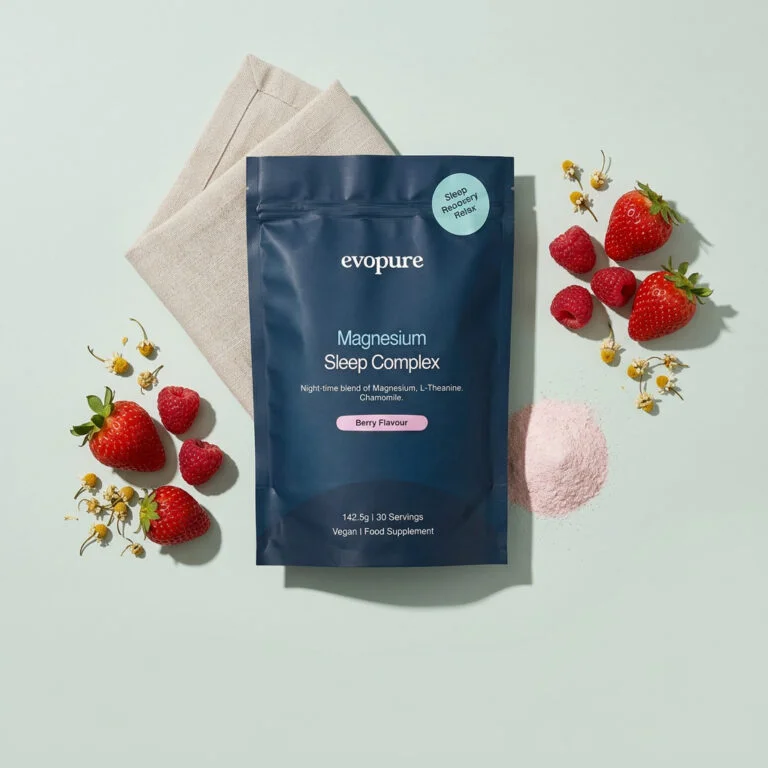
Our Magnesium Glycinate Sleep Complex is a powder: bisglycinate and citrate with glycine, L-theanine and botanicals, giving 148mg of magnesium per serving as a warm evening drink. Magnesium contributes to normal psychological function and the reduction of tiredness and fatigue. See best time to take magnesium.
FAQs
What is magnesium powder good for?
Magnesium contributes to the reduction of tiredness and fatigue, normal muscle function and normal psychological function. Powder is an easy way to take it as a drink.
Is magnesium powder good for sleep?
Many people use it as a bedtime drink. Research is mixed and it isn’t a sleeping pill, but a warm evening drink is a helpful wind-down cue.
Is magnesium powder better than tablets?
Not automatically. The type of magnesium matters more. Powder is easier to swallow and can hold more per serving; tablets are more convenient.
Is magnesium powder absorbed faster?
It’s already dissolved, which may give a small head start, but there are no good trials comparing powder and tablets of the same type.
Which form of magnesium is best absorbed?
Citrate and glycinate are well absorbed; oxide is poorly absorbed, whether as powder or tablet.
Can I take magnesium powder at night?
Yes. Many people have it as a warm drink in the evening as part of a wind-down routine.
How much magnesium powder should I take?
Follow the label and check the elemental magnesium. Keep supplements to 400mg a day or less, as the NHS advises.
Sources
- Lindberg JS et al. Magnesium bioavailability from magnesium citrate and magnesium oxide. J Am Coll Nutr, 1990.
- NHS. Vitamins and minerals: magnesium.
- Jahnen-Dechent W, Ketteler M. Magnesium basics. Clin Kidney J, 2012.