Last updated: October 2026
Yes. The NHS lists anxiety, mood swings and low mood among the common symptoms of perimenopause and menopause, and it can start even if you have never been an anxious person. HRT, CBT and simple lifestyle changes can all help, so it is worth seeing your GP. If you feel unsafe, call 111, Samaritans (116 123) or 999.
If you’ve hit your 40s or 50s and suddenly feel more on edge or not like yourself, you’re not imagining it, and it’s not a personal failing. Nothing here is medical advice.
How common is perimenopause anxiety?
Very common. Women’s Health Concern, the patient arm of the British Menopause Society, says anxiety, low mood and difficulty concentrating are “all common symptoms of menopause”, alongside irritability, mood swings, loss of confidence and panic attacks.
Perimenopause is the stage before your periods stop; menopause is when you have not had a period for 12 months. The NHS says symptoms usually last 7 to 9 years, sometimes longer, and change over time: hot flushes may ease and be replaced by low mood and anxiety.
The research is real but mixed. A US study that followed nearly 3,000 women for 10 years found that women who were not anxious beforehand were about 1.6 times more likely to report high anxiety during perimenopause and after menopause. A survey of women in England, by contrast, linked menopause with depression but not with generalised anxiety disorder.
Our pick
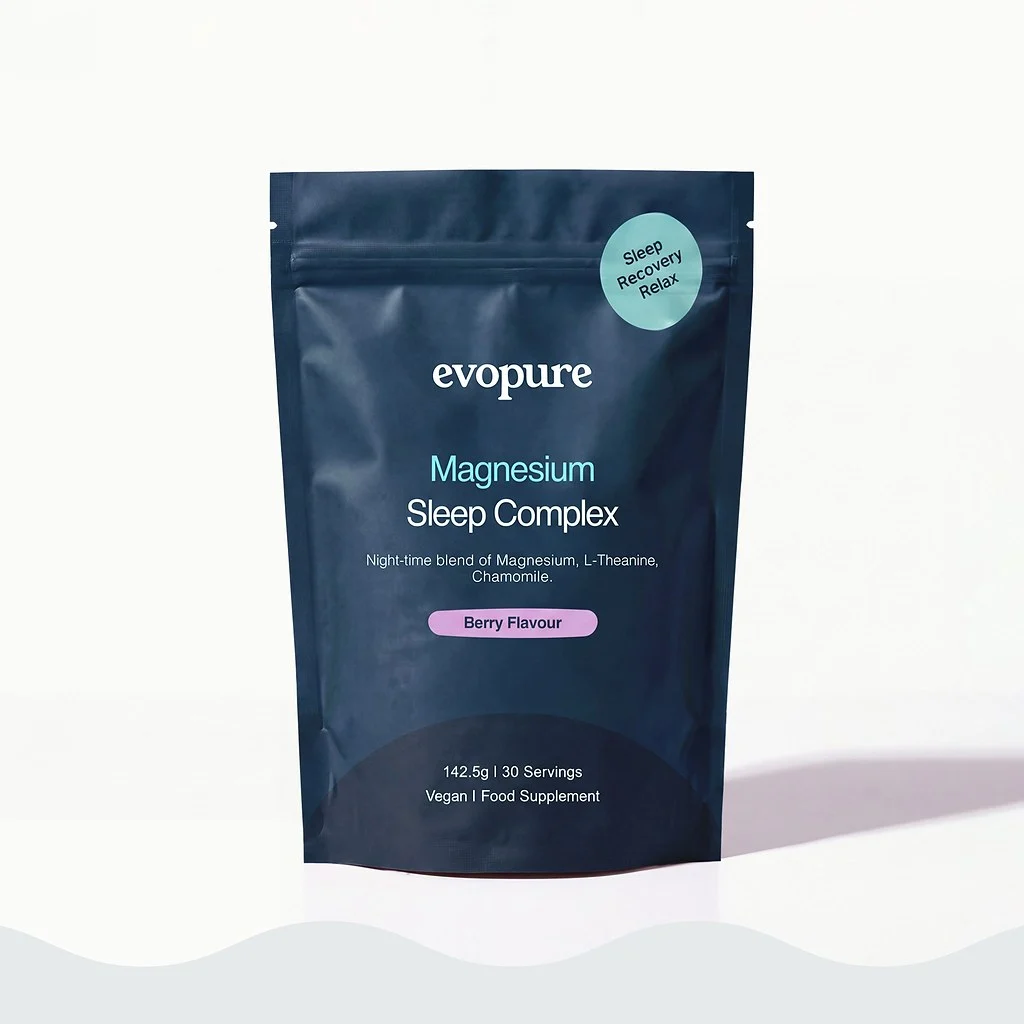
Magnesium Glycinate Sleep Complex
Magnesium Glycinate Sleep Complex is a berry drink powder with 290mg of magnesium a scoop from bisglycinate and citrate, plus glycine and L-theanine. Magnesium contributes to a reduction of tiredness and fatigue.
Add Magnesium Glycinate Sleep Complex to bag See ingredients and reviews
Vegan and made in the UK. Free UK delivery over £45, 14-day returns on unopened items.
Subscribe £22.49One-off £29.99
View productMenopause anxiety symptoms: what it feels like
Some women feel background, low-level worry; others have intense episodes that feel close to panic attacks. Common signs include:
- Racing thoughts, especially at night (see anxiety at night)
- A rising sensation in the chest or stomach
- Heart fluttering or pounding (palpitations)
- Restlessness, tension and feeling easily overwhelmed
- Jaw, shoulder and neck tightness
- Worrying more about health, family, work or the future
- Feeling unlike yourself, irritable or close to tears
The NHS says palpitations can be a sign of menopause, but see a GP if they keep coming back or last more than a few minutes, and call 999 if they come with chest pain, shortness of breath or fainting. Our guides to heart palpitations and stopping a panic attack explain more. If worry centres on other people, see social anxiety.
Anxiety often comes with brain fog, irritability and the other changes in our full list of perimenopause symptoms.
Why menopause can trigger anxiety
1. Hormonal changes
During perimenopause, oestrogen and progesterone rise and fall unpredictably before settling lower. Women’s Health Concern explains that these changes affect emotional and mental wellbeing, not just physical health.
2. Sleep disruption
Hot flushes, night sweats and early waking break up sleep. Women’s Health Concern notes that up to 63% of women have disturbed sleep around menopause, which can make emotional symptoms feel worse.
3. Physical symptoms that feel like anxiety
The NHS notes that hot flushes can bring on palpitations or anxiety. A sudden rush of heat and a racing heart can feel like panic, and dreading the next one adds to it.
4. Life changes and stress
Menopause often overlaps with children leaving home, ageing parents and work pressure. If you have had anxiety before, research suggests it often continues through this stage, so ask for support early.
The menopause, sleep and anxiety loop
Hormones disrupt sleep, poor sleep raises anxiety, and anxiety makes sleep harder. The NHS says sleep problems can leave you feeling “irritable, stressed and anxious”, so treating sleep is often a good first step.
Keep the bedroom cool, cut caffeine after lunchtime, limit screens before bed and build a simple wind-down routine. Night sweats deserve their own plan, and our guide to perimenopause and sleep covers the full approach. You can also compare CBD oils for sleep.
When to see a GP, and when to get urgent help
See your GP if anxiety is affecting your work, relationships or sleep, if worry feels hard to control, or if you think you have perimenopause symptoms and want to know your options. The NHS says early advice can reduce the effect of menopause on your health, relationships and work. Take a record of your symptoms with you.
If you need help now
- Call 111 and choose the mental health option, or use 111 online, if you need urgent support.
- Call Samaritans on 116 123 to talk to someone.
- Call 999 or go to A&E if you or someone else is at immediate risk.
See the NHS page on where to get urgent help for mental health.
If you are struggling at work, our guide to being signed off work with stress explains how it works in the UK.
How menopause anxiety is treated in the UK
There is no single fix. These are the main options your GP may discuss.
| Option | What it is | How to get it |
|---|---|---|
| HRT | Hormones to replace those that fall around menopause | GP, practice nurse or menopause clinic |
| CBT | A structured talking therapy, including menopause-specific CBT | Self-refer to NHS Talking Therapies (England) or via your GP |
| Antidepressants | May be offered for anxiety or low mood | GP |
| Lifestyle | Exercise, sleep, less caffeine and alcohol | Start today |
HRT. Women’s Health Concern says HRT can help with many emotional and cognitive symptoms of menopause and can improve sleep. The NICE menopause guideline (NG23) advises doctors to consider HRT for low mood that starts around the same time as other menopause symptoms.
CBT. In 2024 NICE added recommendations to consider menopause-specific CBT for hot flushes, sleep problems and depressive symptoms, alongside HRT or for women who can’t or prefer not to take it. In England, adults can refer themselves to NHS Talking Therapies for anxiety without seeing a GP.
Antidepressants. The NHS says you may be offered antidepressants for low mood, depression or anxiety caused by menopause. Women’s Health Concern adds that unless you have been diagnosed with depression, other treatments may be more helpful. See also how long menopause symptoms last.
Things you can do day to day
- Move most days. The NHS says walking, swimming and yoga can reduce anxiety and stress and help you sleep better.
- Cut back on caffeine. Coffee, tea, cola and energy drinks can disrupt sleep and make anxiety harder to control. See does caffeine cause anxiety?
- Go easy on alcohol. The NHS advises against using alcohol or cigarettes to cope.
- Practise slow breathing. Try breathwork, and our guide on how to calm down when anxiety spikes.
- Talk about it. Our perimenopause guide for partners can help them understand.
- Eat regularly. Meals with protein and fibre help keep energy steady; see menopause weight gain.
For more techniques, see how to deal with anxiety.
Supplements and your everyday routine
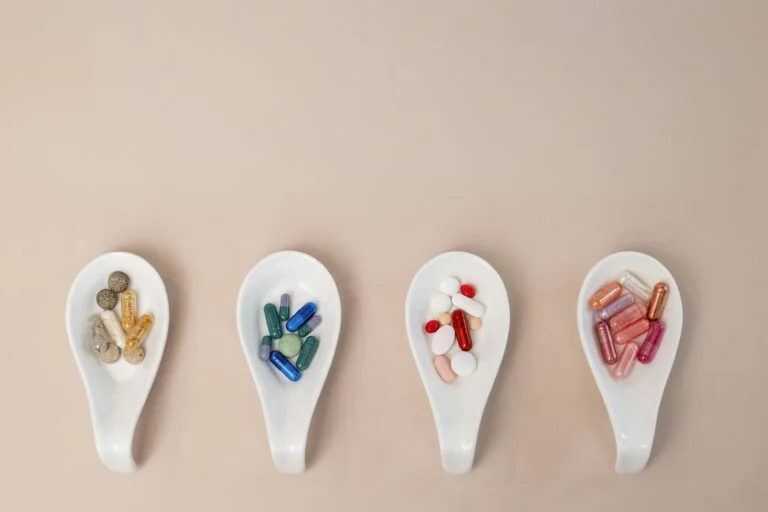
No supplement is a treatment for menopause anxiety. The NHS says there is very little evidence on how well herbal remedies work or how safe they are, and some interact with other medicines. Our guides to supplements for menopause and natural supplements for anxiety look at the research honestly.
If you’d like something as part of a calm evening routine, here is what our products contain:
- Magnesium Glycinate Sleep Complex: a berry drink powder with magnesium bisglycinate and citrate (290mg magnesium per serving), glycine, L-theanine, chamomile, passionflower, hops and oat straw. Magnesium contributes to a reduction of tiredness and fatigue and to normal psychological function. See magnesium for menopause.
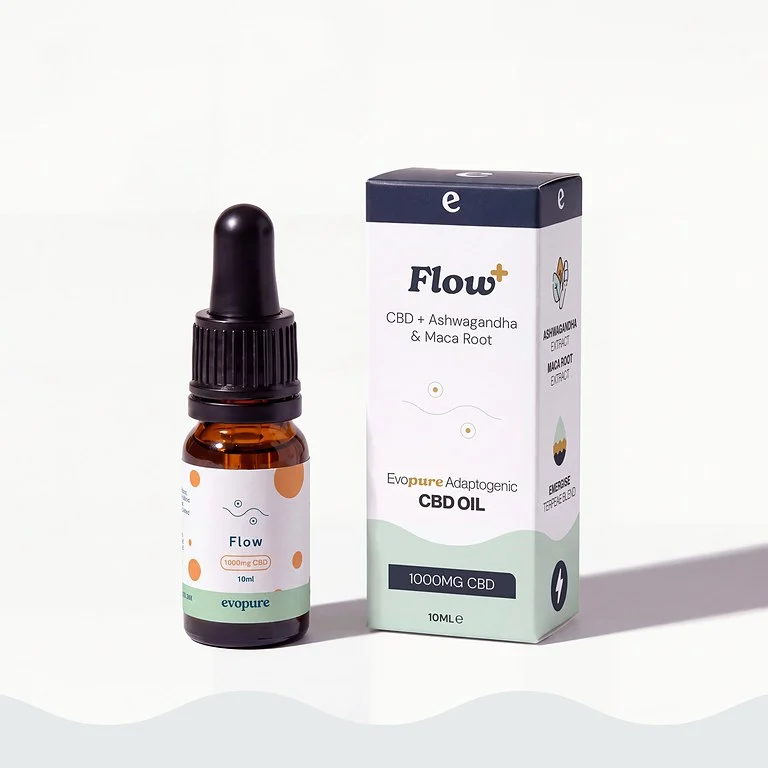
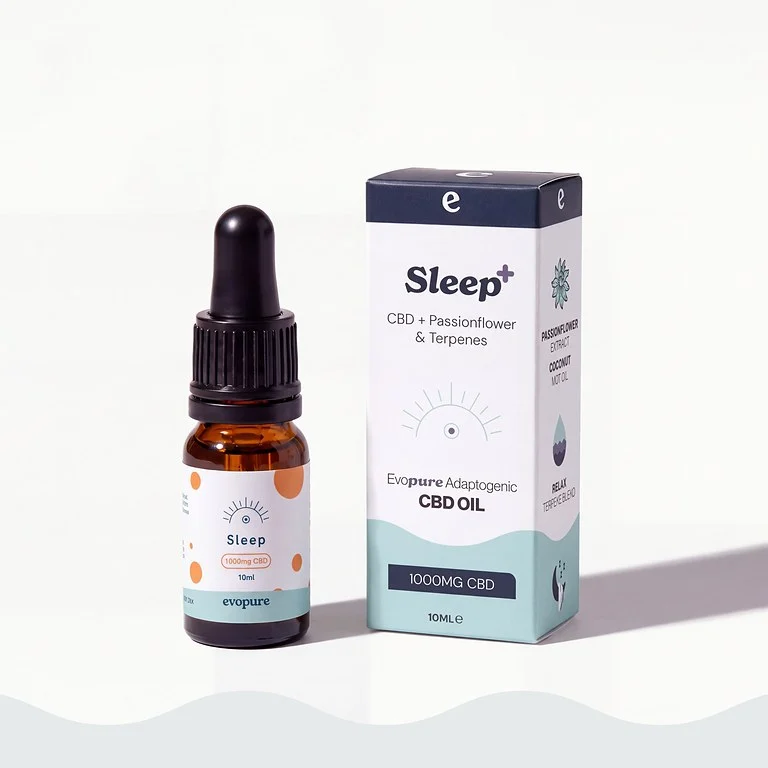
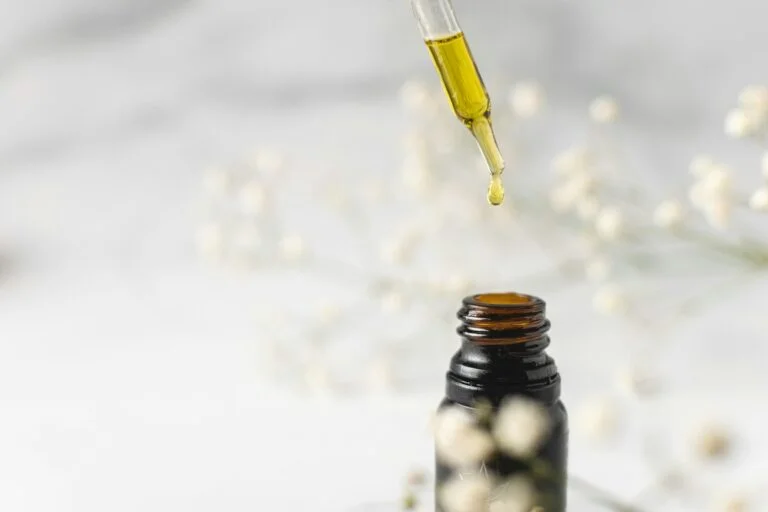
- Flow CBD Oil: broad spectrum CBD with ashwagandha and maca in MCT oil. Sleep CBD Oil pairs CBD with passion flower.
- Reishi Mushroom Adaptogenic Complex: a reishi hot chocolate with cacao and maca. It contains a little natural caffeine from the cacao, and caffeine can make anxiety worse for some people, so have it earlier or skip it if you are sensitive.
CBD isn’t a treatment for anxiety. Read what the studies show in CBD and anxiety and CBD for menopause.
The FSA’s 10mg a day figure is precautionary advice rather than a legal limit, set while longer-term safety research continues. At Evopure we think it is a very cautious figure, and many adults use more. If you go above it, increase slowly, and check with your GP or pharmacist first if you take any medication.
iOur products are for adults (18+) only. If you take HRT, antidepressants or any other medicines, check with your GP or pharmacist first. We don’t recommend our products during pregnancy or breastfeeding.
Sources 8
- NHS. Symptoms of menopause and perimenopause.
- NHS. Treatment for menopause and perimenopause.
- NHS. Generalised anxiety disorder (GAD).
- NHS. Heart palpitations.
- NICE (2015, updated 2026). Menopause: identification and management (NG23).
- Women’s Health Concern (2026). Emotional wellness in menopause.
- Bromberger JT et al (2013). Does risk for anxiety increase during the menopausal transition? Menopause.
- Adji A et al (2023). Associations between common mental disorders and menopause. BJPsych Open.