Last updated: October 2026
The best magnesium supplement for most UK adults is a well-absorbed form, such as glycinate or citrate, giving a clear amount of elemental magnesium within the NHS’s 400mg-a-day supplement guide. Choose by your goal: glycinate for a gentle evening routine, citrate for everyday use or constipation, and avoid products that are mostly oxide.
Below: the best form for each goal, a buyer’s checklist, how to compare value by elemental magnesium, formats compared, safety, and what’s in ours.
Best magnesium by goal
| Your goal | Best form to look for | Read more |
|---|---|---|
| An evening wind-down routine | Glycinate (bisglycinate) | Magnesium for sleep |
| Tiredness and fatigue | Glycinate or citrate | Signs of deficiency |
| Constipation | Citrate or oxide (short term) | Magnesium for constipation |
| Muscles and exercise | Glycinate or citrate | Magnesium for muscle pain |
| Sensitive stomach | Glycinate | Magnesium glycinate |
| Brain and focus | L-threonate is marketed for this, but evidence is small and industry-funded | Magnesium L-threonate |
Magnesium contributes to the reduction of tiredness and fatigue, normal muscle function, normal functioning of the nervous system and normal psychological function. For a full comparison of forms, see glycinate vs citrate vs threonate.
Buyer’s checklist
- Form named clearly: glycinate, citrate or similar, not just “magnesium” or mainly oxide.
- Elemental magnesium in mg and %NRV in the nutrition table (the reference value is 375mg).
- A sensible dose: enough to matter, within 400mg a day from supplements.
- Few unnecessary extras: check fillers, sugars and sweeteners, especially in gummies.
- Only authorised health claims: brands promising to cure anxiety, insomnia or migraines are breaking UK rules.
- A format you’ll take daily.
Many supplements fail on one of these. See why many magnesium supplements are wasted.
How to compare value
Compare the price per 100mg of elemental magnesium, not per tablet. A cheap tablet of magnesium oxide may list a big number but absorb poorly, while glycinate and citrate contain less magnesium by weight but are absorbed better.
| Compound | Roughly how much is actual magnesium | Absorption |
|---|---|---|
| Oxide | About 60% | Poor |
| Citrate | About 11 to 16% | Good |
| Bisglycinate | About 14% | Good |
| L-threonate | About 7 to 8% | Good, but very little magnesium per dose |
Capsules vs tablets vs powder vs gummies
| Format | Pros | Cons |
|---|---|---|
| Capsules | Easy, tasteless | Often several needed for a useful dose |
| Tablets | Cheap, compact | Large; may contain more binders |
| Powder drink | Higher dose in one serving; can be a calming ritual | Needs mixing |
| Gummies | Pleasant to take | Usually low dose; added sugar |
How much to take
The NHS says adults aged 19 to 64 need 300mg of magnesium a day (men) or 270mg (women), mostly from food such as nuts, seeds, leafy greens, beans and wholegrains, and that 400mg a day or less from supplements is unlikely to cause harm. Many people take magnesium in the evening. See best time to take magnesium and how long it takes to work.
Who should check first
- Kidney disease: don’t take magnesium supplements without medical advice.
- Medicines: magnesium can reduce absorption of some antibiotics and osteoporosis medicines; long-term acid-reducing medicines can lower magnesium levels. Ask a pharmacist.
- Pregnancy and breastfeeding: speak to your midwife or GP. We don’t recommend our products during pregnancy or breastfeeding.
- Side effects: loose stools are the most common, mainly with oxide, citrate or high doses.
Our magnesium
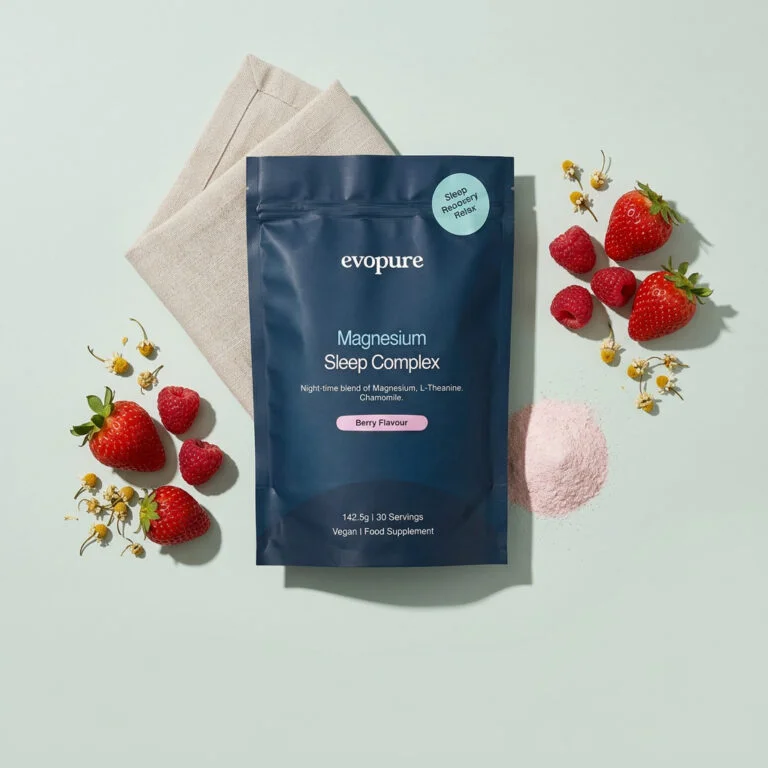
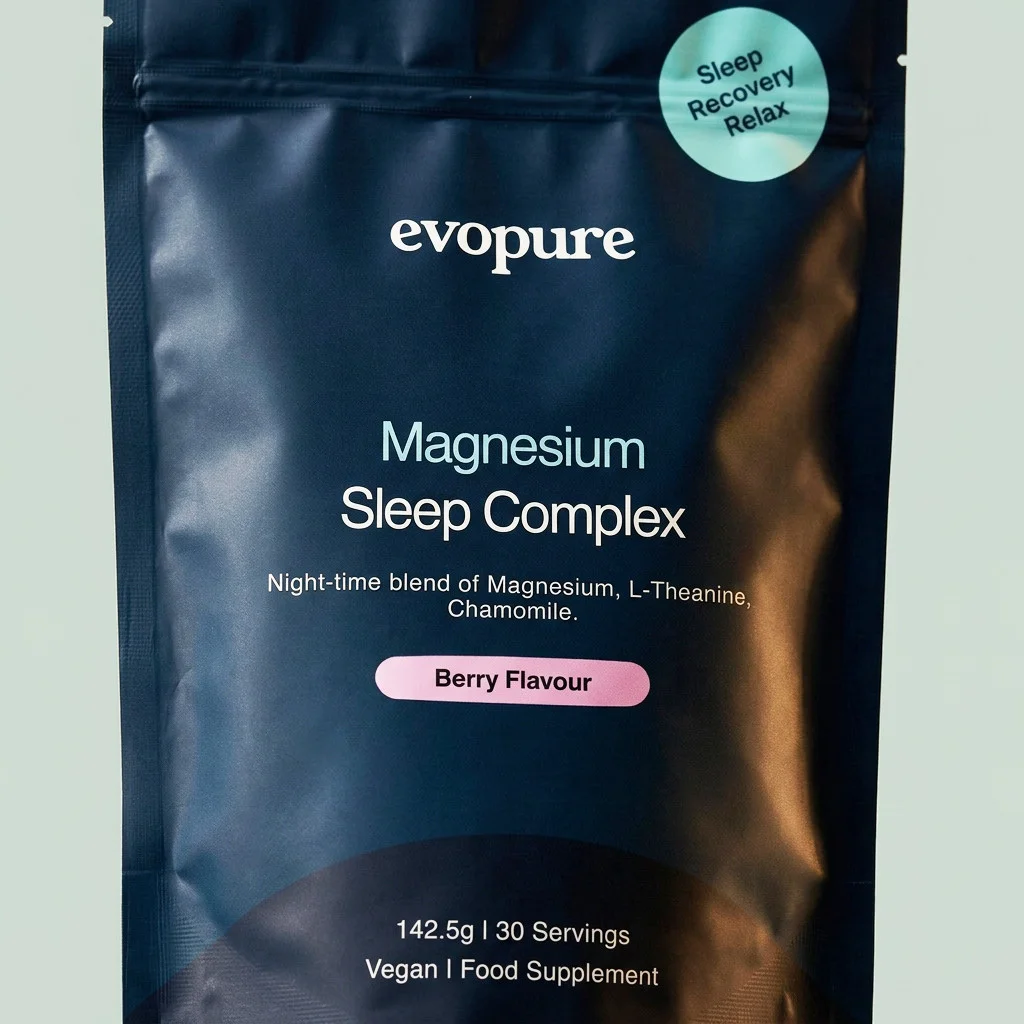
Our Magnesium Glycinate Sleep Complex is a powder drink built around these points: bisglycinate and citrate with glycine, L-theanine and botanicals, giving 148mg of magnesium per serving. It’s designed as a warm evening drink, so it suits people who want an evening routine more than those looking for the highest possible dose. It doesn’t contain threonate.
FAQs
What is the best magnesium supplement in the UK?
One with a well-absorbed form like glycinate or citrate, a clear elemental magnesium amount, and a dose within 400mg a day from supplements, chosen to suit your goal.
Which form of magnesium is best?
It depends on your goal. Glycinate is gentle and popular in the evening; citrate is well absorbed and helps constipation. Oxide is poorly absorbed.
Is magnesium glycinate or citrate better?
Both are well absorbed. Glycinate is gentler on the stomach; citrate can loosen stools at higher doses.
Should I take magnesium every day?
Many people do. Keep supplements to 400mg a day or less, and speak to your GP if you have kidney problems or take regular medicines.
What should I avoid in a magnesium supplement?
Products that are mainly oxide, labels without elemental magnesium in mg, high-sugar gummies, and any brand claiming to cure a condition.
Is magnesium powder better than tablets?
Powders can give a higher dose in one serving and make a relaxing drink; tablets are more convenient. The form matters more than the format.
Sources
- NHS. Vitamins and minerals: magnesium.
- Walker AF et al. Mg citrate found more bioavailable than other Mg preparations in a randomised, double-blind study. Magnes Res, 2003.
- Firoz M, Graber M. Bioavailability of US commercial magnesium preparations. Magnes Res, 2001.
- MHRA. Proton pump inhibitors in long-term use: reports of hypomagnesaemia.