Last updated: October 2026
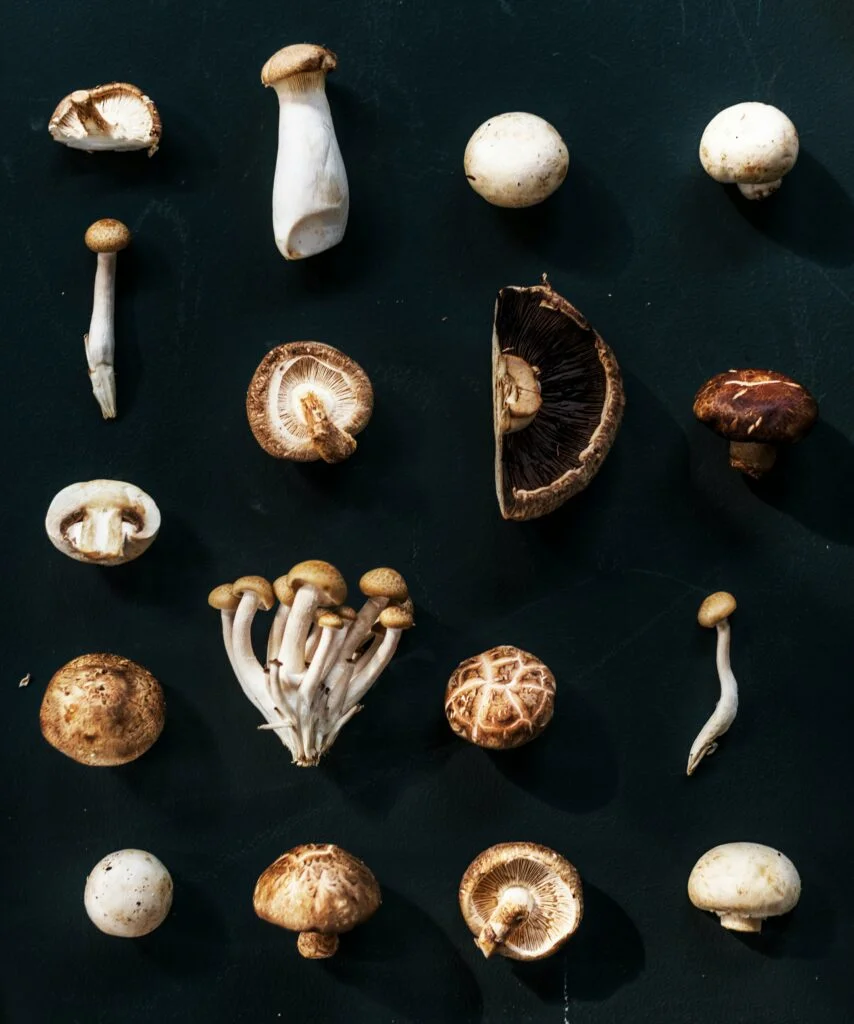
Adaptogenic mushrooms, also called functional or medicinal mushrooms, are non-psychedelic mushrooms such as lion’s mane, reishi, cordyceps, chaga, turkey tail, shiitake and maitake, taken as powders, capsules or drinks. Human research is small and early: the most promising trials are on lion’s mane for memory, but none is proven to treat any condition.
This guide explains what “adaptogenic” means, compares the seven most popular mushrooms, summarises the human evidence, and covers safety, quality and how to choose.
What are adaptogenic mushrooms?
“Adaptogen” is a term from herbal medicine for plants and fungi said to help the body cope with stress. It isn’t a scientific or regulatory category: in the UK, no health claims are authorised for adaptogens or for mushrooms. “Functional mushrooms” and “medicinal mushrooms” are used for the same group.
They are different from psychedelic “magic” mushrooms, which contain psilocybin and are a Class A drug in the UK. Functional mushrooms aren’t psychoactive.
Most of their interest comes from compounds such as beta-glucans (a type of fibre found in mushroom cell walls), triterpenes in reishi, and hericenones and erinacines in lion’s mane.
7 adaptogenic mushrooms compared
| Mushroom | Traditionally used for | Best human evidence | Our guide |
|---|---|---|---|
| Lion’s mane | Focus, memory | Small trials in older adults with memory decline | Lion’s mane |
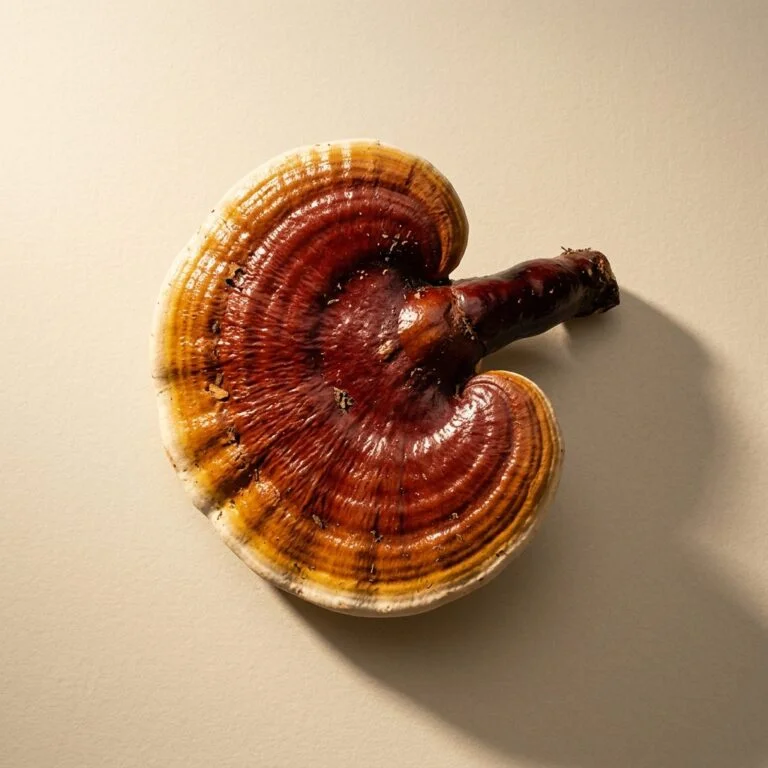
| Reishi | Calm, evening routine | A small trial on fatigue | Reishi |
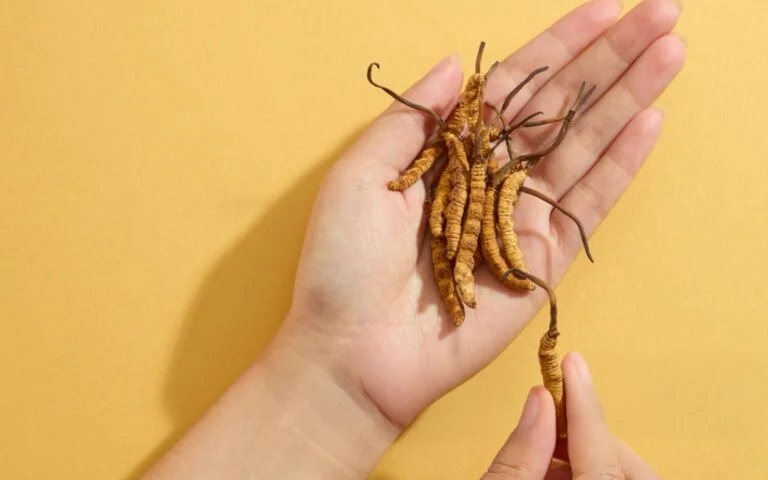
| Cordyceps | Energy, exercise | Small, mixed exercise trials | Cordyceps |
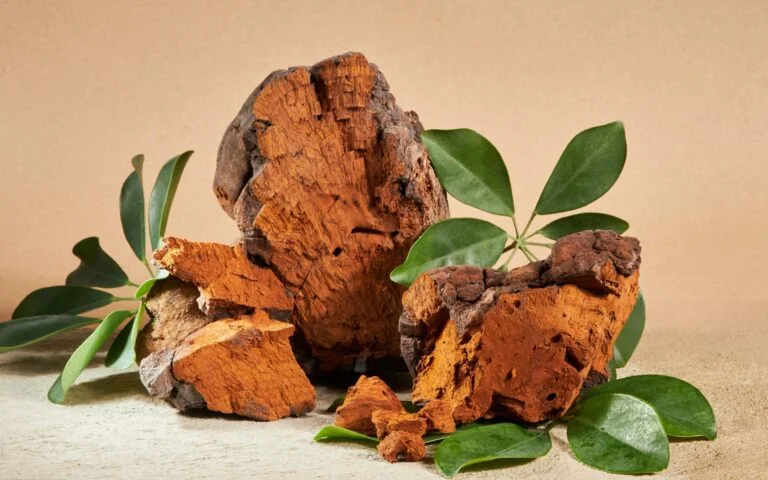
| Chaga | Traditional tea in northern Europe and Russia | Almost none in people | Chaga |
| Turkey tail | Immune support | An extract (PSK) is used as a medicine alongside cancer treatment in Japan; not the same as a supplement | Turkey tail |
| Shiitake | Food, immune support | A small trial of eating dried shiitake daily | Shiitake |
| Maitake | Food, blood sugar | Mostly lab and animal studies | Maitake |
Deciding between the three most popular? See lion’s mane vs reishi vs cordyceps.
Do they work? The human evidence
- Lion’s mane: in 30 Japanese adults aged 50 to 80 with mild memory decline, 3g a day for 16 weeks improved cognitive scores compared with placebo; the effect faded after stopping.
- Reishi: in 132 people with long-term fatigue (neurasthenia), a reishi extract for 8 weeks improved symptoms more than placebo.
- Cordyceps: in 20 adults aged 50 to 75, 12 weeks of an extract improved some exercise measures, but a trial in trained cyclists found no benefit.
- Shiitake: in 52 healthy young adults, eating 5 to 10g of dried shiitake daily for four weeks changed some markers of immune cell activity.
- Chaga, maitake, turkey tail supplements: very little good human research.
The US National Cancer Institute’s review of medicinal mushrooms reaches a similar view: interesting compounds, limited human evidence. Treat mushrooms as part of a healthy routine, not a cure for anything.
How to choose one
| If you want… | Try | When |
|---|---|---|
| Focus for the working day | Lion’s mane | Morning |
| An evening wind-down ritual | Reishi | Evening |
| Something before exercise | Cordyceps | Morning or pre-workout |
| More mushrooms in your diet | Shiitake, maitake | Cooked, with meals |
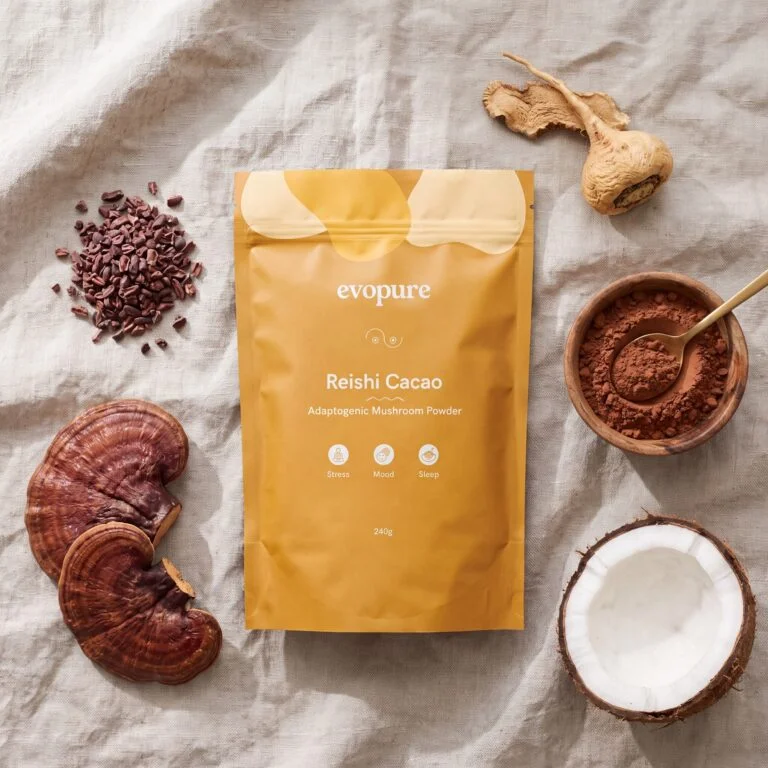
Start with one, take it daily for at least four weeks, then decide. Our Reishi Mushroom Adaptogenic Complex is an evening hot chocolate made with reishi extract, cacao, maca and coconut milk. See also best mushrooms for stress and anxiety, mushroom coffee and mushroom tea. Stocking up? Our sale runs 27 to 30 November: see our Black Friday supplement deals.
How to spot a good product
- Fruiting body, not just mycelium: some cheap products are mostly mycelium grown on grain, which can be largely starch.
- Stated extract or beta-glucan content: “1,000mg mushroom” tells you little without it.
- Testing for heavy metals and contaminants, as mushrooms absorb them from where they grow.
- No disease claims: a brand saying its mushroom treats or cures a condition is breaking UK advertising rules.
Safety and who should avoid them
- Pregnancy and breastfeeding: avoid, as there isn’t enough safety data.
- Medication: check with your pharmacist if you take blood thinners, diabetes or blood pressure medicines, or immunosuppressants.
- Chaga is very high in oxalates and has been linked with kidney damage in case reports. Avoid it if you’ve had kidney stones or kidney problems.
- Reishi powder has rare reports of liver problems.
- Raw or undercooked shiitake can cause an itchy, whip-like rash in some people.
- Mushroom allergy: avoid all of them.
- Never forage for medicinal mushrooms unless you’re an expert. Some poisonous species look similar.
Ready to buy? See how to choose the best mushroom supplement.
FAQs
What are adaptogenic mushrooms?
Non-psychedelic mushrooms such as lion’s mane, reishi, cordyceps, chaga, turkey tail, shiitake and maitake, taken as supplements or drinks. “Adaptogen” is a traditional term, not a scientific category.
What is the most powerful adaptogenic mushroom?
None has been proven more powerful than the others. Lion’s mane has the most promising human trials, for memory in older adults.
Are adaptogenic mushrooms psychedelic?
No. Functional mushrooms contain no psilocybin and aren’t psychoactive. Psilocybin mushrooms are a Class A drug in the UK.
Are functional mushrooms legal in the UK?
Yes. Lion’s mane, reishi, cordyceps and the others are sold legally as foods and food supplements.
Can you take several adaptogenic mushrooms together?
Healthy adults usually can. Add one at a time, and split them by time of day, such as lion’s mane in the morning and reishi in the evening.
How long do adaptogenic mushrooms take to work?
Most trials ran for 4 to 16 weeks. Take one daily for at least four weeks before judging it.
Sources
- National Cancer Institute. Medicinal mushrooms (PDQ).
- Mori K et al. Improving effects of Hericium erinaceus on mild cognitive impairment. Phytother Res, 2009.
- Tang W et al. A Ganoderma lucidum polysaccharide extract in neurasthenia. J Med Food, 2005.
- Chen S et al. Effect of Cs-4 (Cordyceps sinensis) on exercise performance in healthy older subjects. J Altern Complement Med, 2010.
- Dai X et al. Consuming shiitake mushrooms daily improves human immunity. J Am Coll Nutr, 2015.
- Kwon O et al. Chaga mushroom-induced oxalate nephropathy: a case report. Medicine, 2022.