







Last updated: October 2026
Nootropics are substances claimed to improve thinking, focus or memory. In the UK, the ones with real evidence are mostly ordinary: caffeine, caffeine with L-theanine, and possibly creatine. Herbal “brain boosters” have limited evidence. Prescription stimulants like modafinil show only small effects in healthy people and shouldn’t be bought without a prescription.
Below: what nootropics are, which have evidence, what’s legal in the UK, how to judge a nootropic product, and what improves focus more than any pill.
What are nootropics?
“Nootropic” is a marketing and wellness term, sometimes called “smart drugs” or “brain supplements”. It covers three very different groups:
- Everyday substances: caffeine, L-theanine (found in tea), creatine.
- Herbal and mushroom supplements: lion’s mane, rhodiola, ginseng and others.
- Prescription medicines used off-label: modafinil, methylphenidate.
In the UK, food supplements can’t claim to improve brain function unless a claim has been authorised. Very few have been.
Nootropics ranked by evidence
| Nootropic | What the evidence shows |
|---|---|
| Caffeine | Reliably improves alertness and reaction time in moderate amounts. The original nootropic. See caffeine and anxiety |
| Caffeine plus L-theanine | A 2026 review found L-theanine gives small improvements in attention, especially with caffeine. See L-theanine |
| Creatine | A 2024 meta-analysis of 16 trials found benefits for memory and attention, but the European Food Safety Authority rejected a brain function claim the same year |
| Lion’s mane | Small, early human studies. See lion’s mane |
| Rhodiola, ginseng | Mixed or weak. See adaptogens for energy |
| Magnesium | Magnesium contributes to normal psychological function; a benefit mainly if your intake is low. See magnesium for focus |
| Modafinil, methylphenidate | In healthy adults, meta-analyses found only small effects on some thinking skills. Prescription-only, with side effects |
Are nootropics legal in the UK?
- Food supplements such as caffeine, L-theanine, creatine and herbal extracts are legal to buy, but must be safe and can’t make unauthorised health claims.
- Prescription medicines such as modafinil and methylphenidate need a prescription. Methylphenidate is also a controlled drug. Buying them from unregulated websites is risky, as products may be fake or contaminated.
- Unregulated “research chemicals” sold as nootropics may fall under the Psychoactive Substances Act 2016, which makes it illegal to supply psychoactive substances unless they’re exempt, as foods, caffeine and medicines are.
How to judge a nootropic product
- Check the doses. “Proprietary blends” often hide tiny amounts of each ingredient.
- Look for real ingredient amounts that match the doses used in studies.
- Count the caffeine, including from coffee and energy drinks.
- Be wary of big claims like “boosts IQ” or “unlocks your brain”; they aren’t allowed in the UK for good reason.
- Ask for lab testing and buy from established UK brands.
- Check medicines with a pharmacist, especially for mood, blood pressure or ADHD.
What works better than nootropics
| Habit | Why |
|---|---|
| Sleep | Sleep loss hits attention harder than any other thinking skill. See sleep hygiene |
| Movement breaks | Breaking up sitting gives small improvements in working memory |
| Fewer interruptions | Notifications off, one task at a time. See how to focus better |
| Regular meals and water | Avoids the crash. See the afternoon slump |
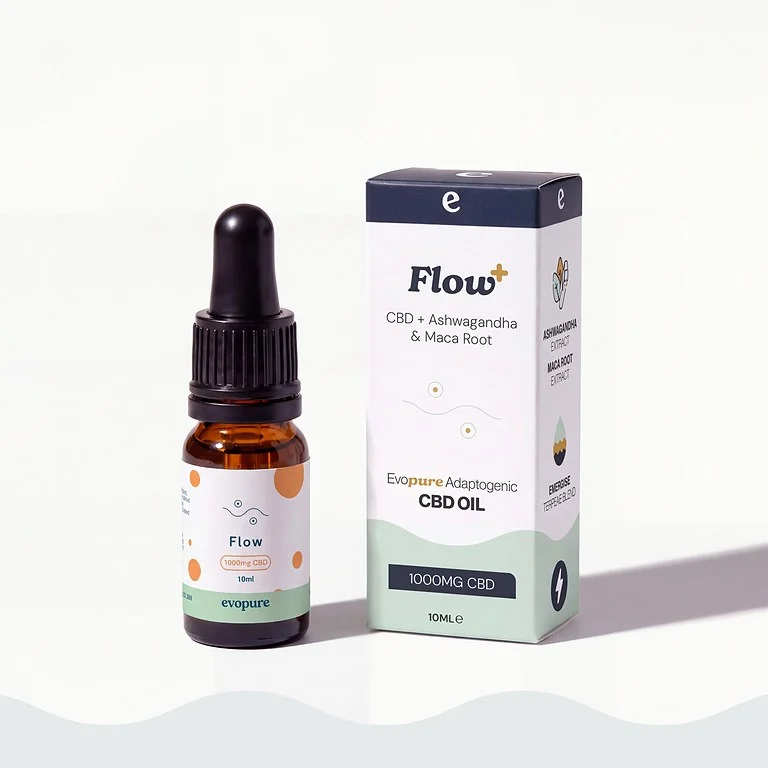
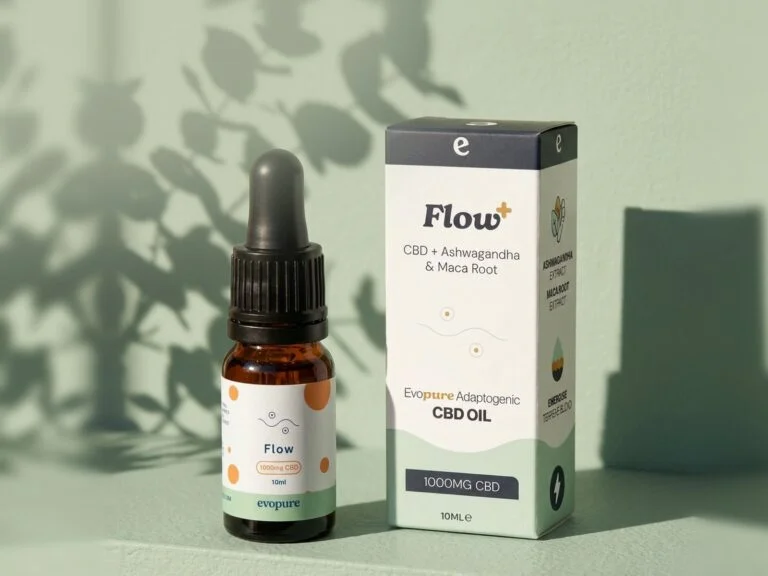
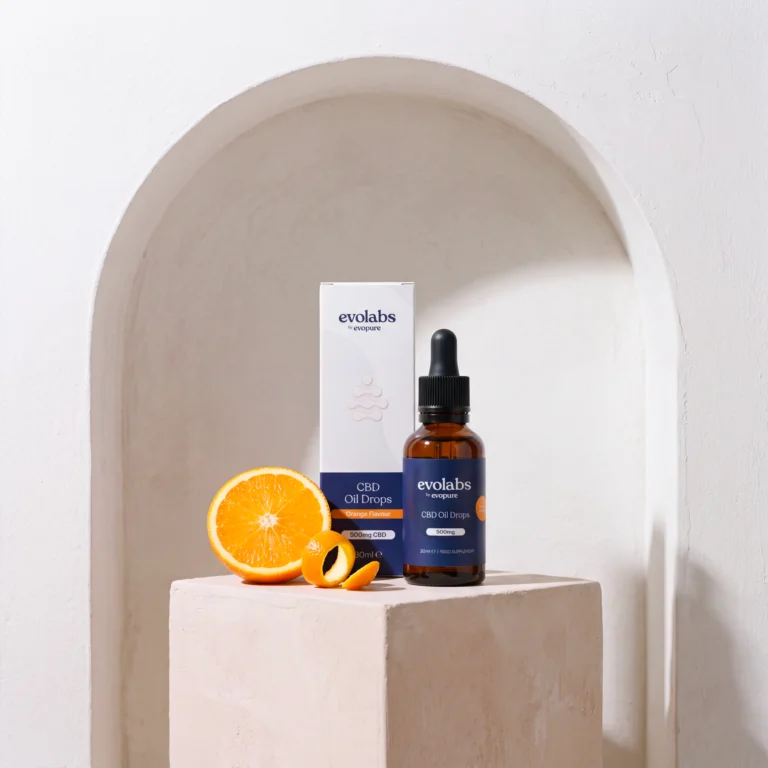
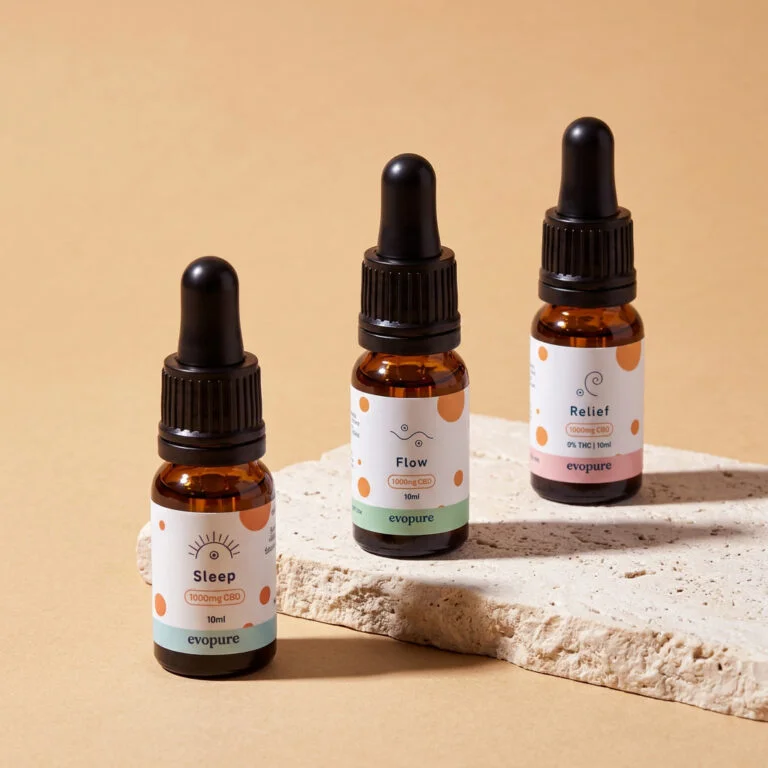
Our Flow CBD Oil, with ashwagandha and maca, is made for daytime routines. See also best supplements for energy and focus and brain fog.
Related guides
- Before reaching for a supplement, it’s worth getting the basics right: see what to eat for memory and focus.
- Rhodiola benefits for focus and fatigue.
- Our honest guide to shilajit.
- The UK ashwagandha safety review.
- Ginseng for focus and memory: the honest evidence.
- Wondering whether CBD belongs on the list? See CBD for focus and studying: what the trials show.
- Magnesium L-threonate (Magtein): the evidence and UK rules.
- For dose, side effects and whether 10g “brain” servings make sense, see creatine: benefits, dose and side effects.
- For a wider look at vitamins, minerals and herbs ranked by evidence, see our guide to focus supplements.
- For CBD specifically, see what the research says on CBD and ADHD.
- Mushroom “nootropics” differ a lot: our guide to lion’s mane vs reishi vs cordyceps compares the evidence side by side.
- CBD is legal in the UK when it meets the THC and FSA rules (see is CBD legal in the UK?), while THCV and CBN products are not.
FAQs
Do nootropics actually work?
Some do, modestly: caffeine, caffeine with L-theanine and possibly creatine. Most herbal “brain boosters” have limited evidence.
Are nootropics legal in the UK?
Food supplements like caffeine, L-theanine and creatine are legal. Modafinil and methylphenidate need a prescription, and some research chemicals fall under the Psychoactive Substances Act.
What is the best natural nootropic?
Caffeine with L-theanine, as found in tea, has the best evidence for short-term attention. Good sleep matters more than any supplement.
Is creatine a nootropic?
A 2024 meta-analysis found benefits for memory and attention, but EFSA rejected a brain function claim, so the evidence isn’t settled.
Is modafinil safe to take for focus?
It’s a prescription-only medicine with side effects, and studies show only small benefits in healthy people. Don’t buy it without a prescription.
Sources
- Cotter J, Kilpatrick HE (2026). Effects of L-theanine on cognition, mood and sleep: evidence from human trials. Frontiers in Nutrition.
- Xu C et al (2024). The effects of creatine supplementation on cognitive function in adults: a systematic review and meta-analysis. Frontiers in Nutrition.
- EFSA Panel (2024). Creatine and improvement in cognitive function: evaluation of a health claim. EFSA Journal.
- Roberts CA et al (2020). How effective are pharmaceuticals for cognitive enhancement in healthy adults? A series of meta-analyses. European Neuropsychopharmacology.
- UK legislation. Psychoactive Substances Act 2016.
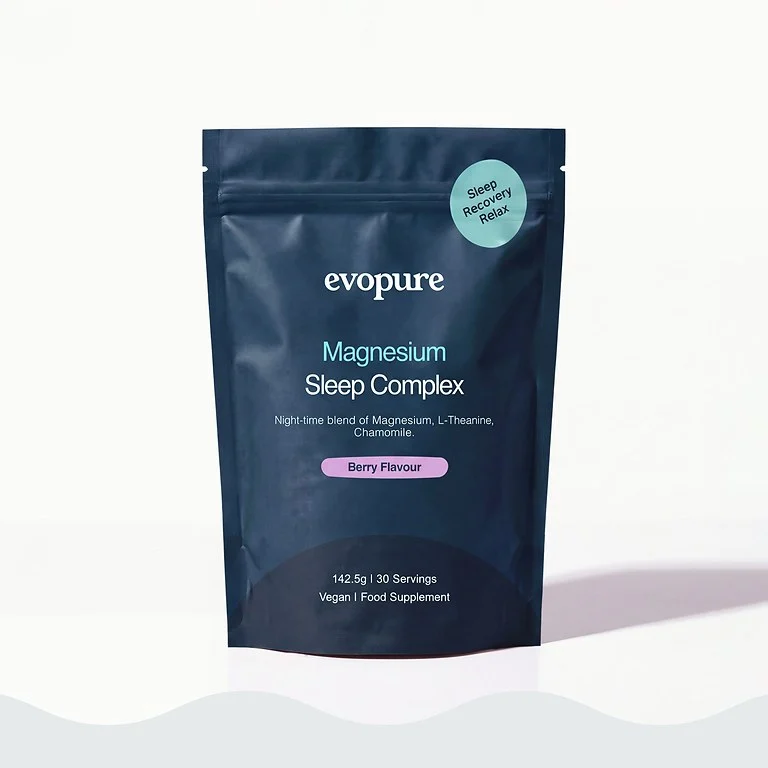
This guide is general information, not medical advice. Evopure makes the Flow CBD Oil and Magnesium Glycinate Sleep Complex.