Last updated: 10 November 2026
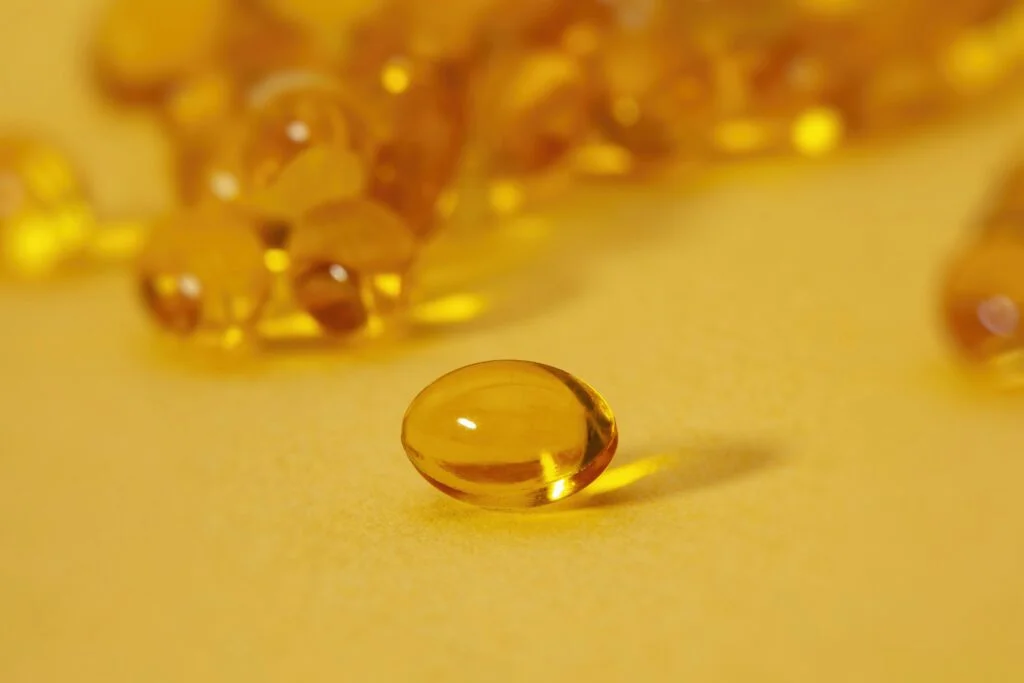
Coenzyme Q10 (CoQ10) is a vitamin-like compound your body makes in almost every cell, where it helps mitochondria turn food into energy and acts as an antioxidant. Levels fall with age and on statins. Supplements usually give 100mg or 200mg a day, as ubiquinone or ubiquinol, but CoQ10 has no authorised health claims in the UK.
iBelow: what CoQ10 is, 100mg vs 200mg, ubiquinol vs ubiquinone for over 50s, what the trials show, whether it helps statin side effects, whether Kaneka ubiquinol is worth paying for, and who should check with a GP first.

Our pick
Magnesium Glycinate Sleep Complex
Evopure doesn’t sell CoQ10. If tiredness is why you’re looking, Evopure’s Magnesium Glycinate Sleep Complex is a berry drink powder with 290mg of magnesium (77% NRV) per 4.75g serving, from magnesium bisglycinate and citrate. Magnesium contributes to a reduction of tiredness and fatigue and to normal energy-yielding metabolism.
Add Magnesium Glycinate Sleep Complex to bag See ingredients and reviews
Vegan and made in the UK. Subscribe and save 25% on your first order, then 20%. New to Evopure? Join our emails for 20% off a one-off first order. Free UK delivery over £45.
Subscribe £22.49One-off £29.99
View productWhat is coenzyme Q10?
Coenzyme Q10 is a fat-soluble compound made by the body and found in the membranes of nearly every cell, with the highest amounts in the heart, liver and kidneys. It helps mitochondria, the cell’s power stations, make energy (ATP), and as ubiquinol it works as an antioxidant. It isn’t a vitamin, because the body makes its own.
| CoQ10 fact | The detail |
|---|---|
| Other names | Ubiquinone (oxidised form), ubiquinol (reduced form), ubidecarenone |
| Made by the body | Yes; levels are lower in older age and on statins |
| From food | About 3 to 6mg a day, mostly from meat, oily fish, nuts and some oils |
| Common supplement sizes | 30mg, 100mg and 200mg capsules or softgels |
| Doses used in trials | 100 to 300mg a day, often split into 2 or 3 doses |
| Safety data | No safety concerns seen up to 1,200mg a day; German rules allow up to 100mg a day in supplements |
| UK status | Sold as a food supplement; no UK daily reference intake |
| Authorised health claims | None: EFSA found claims for energy, blood pressure and cognitive function not proven |
| Check with a GP first | Warfarin, blood pressure or diabetes medicines, cancer treatment, pregnancy, breastfeeding, under 18s |
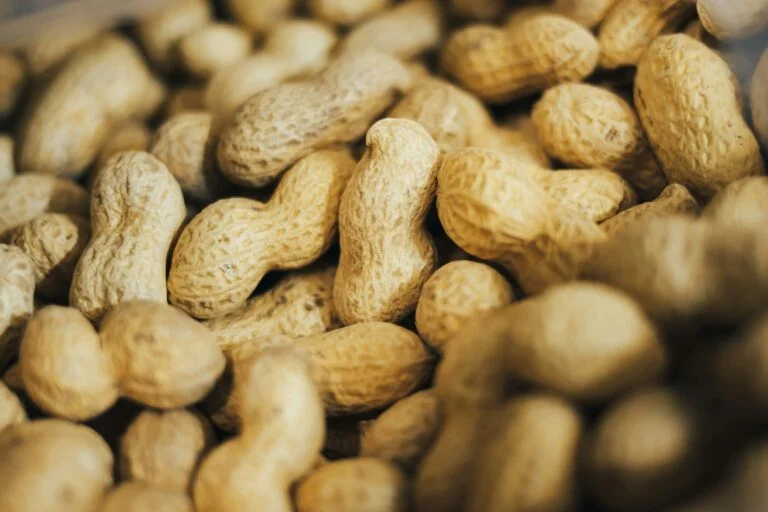
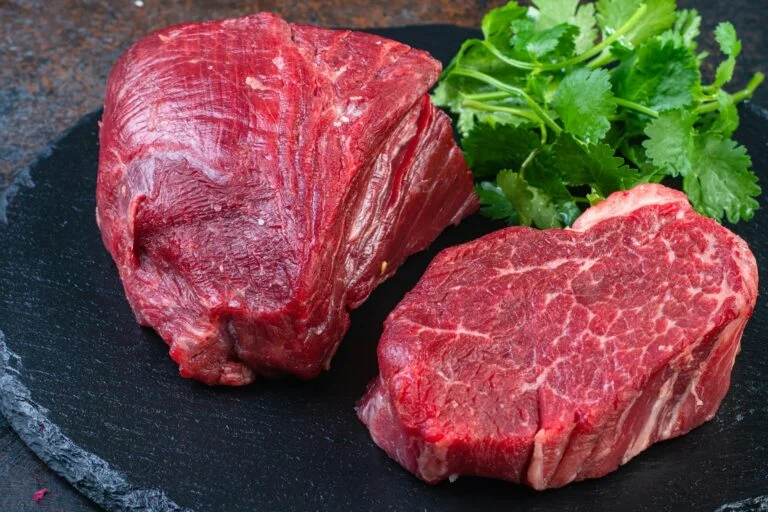
Germany’s risk assessment body (BfR) says there is no known CoQ10 deficiency disease, so supplements are unnecessary for most people. The richest foods are organ meats such as heart and liver, followed by beef, chicken, sardines and mackerel, with smaller amounts in peanuts, pistachios, soya oil and rapeseed oil.
CoQ10 100mg vs 200mg: which dose?
CoQ10 100mg a day is the most common supplement dose and is the most Germany allows in a daily food supplement. CoQ10 200mg a day was used in many trials in older adults and people on statins. Above 100mg, split the dose and take it with meals containing some fat, because CoQ10 is fat-soluble and absorbed slowly.
- 100mg: the usual starting amount. Germany’s BfR advises anyone on blood pressure medicines or coumarin blood thinners such as warfarin to talk to a doctor before going above 100mg a day.
- 200mg: a typical dose in statin and older-adult studies (for example 200mg with selenium in a Swedish trial of people aged 70 to 88). Take it as 100mg with breakfast and 100mg with lunch.
- 300mg: used in heart failure and migraine trials, under medical supervision.
- Timing: some people find CoQ10 keeps them awake, so take it earlier in the day if that happens.
If tiredness is the reason you’re looking, rule out the common causes first: see why am I always tired? and the best supplements for energy, ranked by evidence.
Ubiquinol vs ubiquinone: which is better over 50?
Ubiquinol and ubiquinone are the same CoQ10 molecule in two states: ubiquinol is the reduced (antioxidant) form, ubiquinone the oxidised form, and the body switches between them. Ubiquinol is marketed as better for over 50s, but in a 2020 trial in adults aged 65 to 74, ubiquinol wasn’t significantly better absorbed than standard ubiquinone.
| How they differ | Ubiquinone | Ubiquinol |
|---|---|---|
| Form | Oxidised CoQ10 | Reduced CoQ10 |
| In your blood | Mostly converted to ubiquinol | Mostly stays as ubiquinol |
| Absorption | Depends strongly on the carrier (oil or solubilised forms do better) | Some studies show higher levels; not significant in the 2020 older-adult trial |
| Stability and cost | Stable; usually cheaper per mg | Oxidises easily, so sold in sealed softgels; usually dearer |
In that study, 21 healthy adults aged 65 to 74 took 100mg of three products a week apart. Ubiquinol raised blood CoQ10 1.7 times as much as ubiquinone capsules (not statistically significant); a water-soluble ubiquinone syrup did best, at 2.4 times. Either way, the CoQ10 in their blood was mostly ubiquinol.
Our honest summary for adults over 50: the carrier and dose matter at least as much as the form. Ubiquinol is a reasonable choice if you prefer it; a 200mg ubiquinone softgel taken with food is also reasonable. For other supplements people consider at this age, see supplements for men over 50 and supplements for women over 40, 50 and 60.
What does CoQ10 do? What the trials show
CoQ10’s job in energy production is well established, but whether extra CoQ10 from a supplement helps healthy people isn’t. No CoQ10 health claim is authorised in the UK. These are the main research areas, described honestly:
| Research area | What studies found | How strong |
|---|---|---|
| Heart failure | Q-SYMBIO: 420 patients on 100mg three times a day for 2 years had fewer major heart events (15% vs 26%). A 2021 Cochrane review found moderate-quality evidence, mostly from that trial | Moderate, one main trial; CoQ10 makers supported it |
| Older adults’ heart health | KiSel-10: 443 Swedes aged 70 to 88 took 200mg CoQ10 plus selenium for 4 years; heart deaths were 5.9% vs 12.6% | One trial of a combination; supplement maker supplied the tablets |
| Blood pressure | A 2016 Cochrane review (3 trials, 96 people) found no clear lowering | Low |
| Tiredness | A 2019 review of 16 studies: 10 reported less fatigue, mainly in statin users and people with fibromyalgia | Mixed, small studies |
| Migraine | 300mg a day cut attack frequency more than placebo in 42 people | One small trial |
| Parkinson’s disease | A large NIH-funded trial found no improvement in early Parkinson’s | Good evidence of no effect |
CoQ10 is not a treatment for any of these conditions, and it should never replace or change prescribed heart medicines. If you’re reading about migraine, see our migraine guide and magnesium for migraines; for long-lasting exhaustion, see chronic fatigue syndrome (ME/CFS).
Does CoQ10 help statin side effects?
The evidence on CoQ10 for statin side effects is mixed. Statins lower blood CoQ10 because they block the pathway that makes both cholesterol and CoQ10. A 2015 analysis of 6 trials found no benefit for muscle pain, while a 2018 analysis of 12 trials (575 people) found less muscle pain, weakness, cramps and tiredness.
- Keep taking your statin. Never stop or cut down a statin because of muscle aches or tiredness without speaking to your GP. The NHS says your cholesterol may go up again if you stop.
- NICE guidance: doctors are advised not to offer CoQ10 to help people keep taking statins, because the evidence isn’t strong enough.
- Tell your GP or pharmacist about muscle pain, tenderness or weakness. They may check your muscles with a blood test, change the dose or try a different statin.
- If you want to try CoQ10 alongside a statin, ask your pharmacist first, especially if you also take a blood thinner or blood pressure medicine.
Our full guide covers the rest: do statins make you tired? For other heart-related reading, see does stress cause high cholesterol?, what is a normal blood pressure? and do beta blockers make you tired?
Is Kaneka ubiquinol worth it?
Kaneka is a Japanese company that has made CoQ10 by yeast fermentation since 1977 and launched Kaneka Ubiquinol in 2006. Many brands use its ingredient and show the Kaneka name on the pack. It gives you a known, well-documented source, but no trial shows Kaneka-based products work better than other good-quality CoQ10 at the same form and dose.
Cheaper alternatives are often plain ubiquinone, which can work well in an oil-based softgel. Whichever you choose, check the label for:
- Form: ubiquinol or ubiquinone, stated clearly.
- Amount per capsule and per daily serving: 100mg per softgel is easy to compare.
- Carrier: an oil-filled softgel or solubilised form usually absorbs better than a dry powder capsule.
- Raw material source: a named source (Kaneka or another) means the brand can trace its ingredient.
- Other ingredients: added vitamin E or selenium counts towards your daily total.
- Cost per 100mg: divide the price by the total mg in the pack to compare fairly.
For more on reading supplement labels, see are multivitamins worth taking? and can you overdose on vitamins?
Is CoQ10 safe? Side effects and medicines
CoQ10 is generally well tolerated. Side effects include nausea, heartburn, diarrhoea and, occasionally, a rash or trouble sleeping. It can interact with some medicines, and long-term data in healthy people are limited.
- Warfarin and other coumarin blood thinners: CoQ10 is chemically similar to vitamin K, and there are reports of it reducing warfarin’s effect. A small trial of 100mg a day found no change in warfarin dose, but don’t start or stop CoQ10 without asking your anticoagulant clinic, and get your INR checked if you do.
- Blood pressure medicines: CoQ10 may add to their lowering effect; the BfR advises speaking to a doctor before taking more than 100mg a day.
- Insulin and other diabetes medicines: CoQ10 may affect blood sugar, so check with your diabetes team.
- Cancer treatment: antioxidant supplements may not be compatible with some chemotherapy or radiotherapy; ask your oncology team.
- Pregnancy, breastfeeding and under 18s: the BfR advises avoiding CoQ10 supplements or getting medical advice first.
- Before an operation: tell the surgical team about every supplement you take.
Many other supplements also affect blood thinners; see vitamin K2 and warfarin and our guide to vitamin E. Report any suspected side effect to the MHRA Yellow Card scheme.
Next step
Magnesium Glycinate Sleep Complex
CoQ10 has no authorised claims, but magnesium does. Evopure’s Magnesium Glycinate Sleep Complex gives 290mg of magnesium (77% NRV) per 4.75g serving, plus 500mg glycine and 100mg L-theanine, as a berry drink. Magnesium contributes to a reduction of tiredness and fatigue and to normal muscle function.
Add Magnesium Glycinate Sleep Complex to bag How magnesium fits with energy
Subscribe and save 25% on your first order, then 20%. New to Evopure? Join our emails for 20% off a one-off first order. Free UK delivery over £45. If you take any regular medicines, check with your GP or pharmacist first. We don’t recommend our products during pregnancy or breastfeeding.
Subscribe £22.49One-off £29.99
View productAlready use CBD? Our Broad Spectrum CBD Oil is CBD in organic MCT oil, nothing else. The FSA advises healthy adults to take no more than 10mg of CBD a day: about 0.2ml of the 500mg (0.1ml of the 1,000mg) gives 10mg. Adults only. CBD can interact with some medicines, including warfarin and some statins, so if you take any regular medicines, check with your GP or pharmacist first.
The FSA’s 10mg a day figure is precautionary advice rather than a legal limit, set while longer-term safety research continues. At Evopure we think it is a very cautious figure, and many adults use more. If you go above it, increase slowly, and check with your GP or pharmacist first if you take any medication.
Our Reishi Mushroom Adaptogenic Complex is a cocoa drink with 0.5g reishi and 0.5g maca per 8g serving; it contains a little natural caffeine, and the pack says it isn’t for anyone pregnant, breastfeeding or taking medication.
Sources 19
- German Federal Institute for Risk Assessment (BfR, 2023). Coenzyme Q10: what is known about health risks and what isn’t (in German).
- EFSA Panel on Dietetic Products, Nutrition and Allergies (2010). Scientific opinion on the substantiation of health claims related to coenzyme Q10. EFSA Journal 8(10):1793.
- NIH National Center for Complementary and Integrative Health. Coenzyme Q10.
- NICE (2023). Cardiovascular disease: risk assessment and reduction, including lipid modification (NG238).
- NHS. Statins.
- Pravst I et al (2020). Comparative bioavailability of different coenzyme Q10 formulations in healthy elderly individuals. Nutrients.
- Mortensen SA et al (2014). The effect of coenzyme Q10 on morbidity and mortality in chronic heart failure: results from Q-SYMBIO. JACC Heart Failure.
- Al Saadi T et al (2021). Coenzyme Q10 for heart failure. Cochrane Database of Systematic Reviews.
- Alehagen U et al (2013). Cardiovascular mortality and N-terminal-proBNP reduced after combined selenium and coenzyme Q10 supplementation. International Journal of Cardiology.
- Ho MJ et al (2016). Blood pressure lowering efficacy of coenzyme Q10 for primary hypertension. Cochrane Database of Systematic Reviews.
- Mehrabani S et al (2019). Effect of coenzyme Q10 supplementation on fatigue: a systematic review of interventional studies. Complementary Therapies in Medicine.
- Sándor PS et al (2005). Efficacy of coenzyme Q10 in migraine prophylaxis: a randomized controlled trial. Neurology.
- Banach M et al (2015). Effects of coenzyme Q10 on statin-induced myopathy: a meta-analysis of randomized controlled trials. Mayo Clinic Proceedings.
- Qu H et al (2018). Effects of coenzyme Q10 on statin-induced myopathy: an updated meta-analysis of randomized controlled trials. Journal of the American Heart Association.
- Qu H et al (2018). The effect of statin treatment on circulating coenzyme Q10 concentrations. European Journal of Medical Research.
- Hathcock JN, Shao A (2006). Risk assessment for coenzyme Q10 (ubiquinone). Regulatory Toxicology and Pharmacology.
- Engelsen J et al (2002). Effect of coenzyme Q10 and Ginkgo biloba on warfarin dosage in stable, long-term warfarin treated outpatients. Thrombosis and Haemostasis.
- Kaneka Nutrients Europe. Ubiquinol by Kaneka (checked November 2026).
- FSA. Cannabidiol (CBD) guidance.
This guide is general information, not medical advice. Evopure doesn’t sell CoQ10 or ubiquinol; we have no connection with Kaneka. Brand facts checked November 2026.