Last updated: October 2026
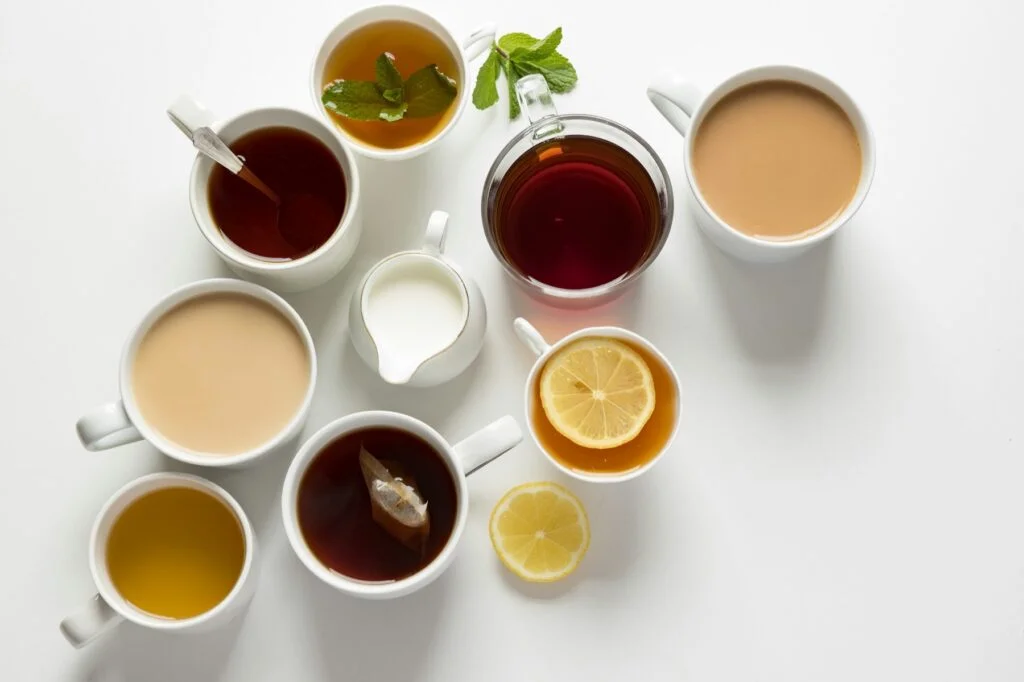
The best coffee alternatives depend on what you want. For a gentler lift, try green tea or matcha, which have less caffeine than coffee plus L-theanine. For no caffeine, try chicory, rooibos or herbal teas. For a cosy evening ritual, try a cacao-based drink. Pair any swap with good sleep, regular meals and daylight for steadier energy.
Below: 12 swaps compared by caffeine, taste and best use, which one to pick for mornings, reflux or pregnancy, how to cut down without headaches, and how to get energy without caffeine at all.
Quick picks: want a lift without the jitters? Matcha or green tea. Want the taste of coffee with no caffeine? Chicory or dandelion “coffee”. Want something warm in the evening? Rooibos, golden milk or a low-sugar hot chocolate.
12 coffee alternatives compared
Caffeine figures are approximate and per typical cup or serving. Brand, strength and brewing time all change the number, so check the label where there is one.
| Swap | Caffeine (approx.) | Taste | Best for |
|---|---|---|---|
| Instant coffee (for comparison) | About 100mg a cup; filter and coffee-shop coffee often more | Roasted, bitter | The baseline you’re swapping from |
| Matcha | About 38 to 89mg per 2g serving | Grassy, creamy as a latte | Morning focus with a smoother feel |
| Green tea | Up to about 75mg; often less than black tea | Light, grassy | A gentle lift through the day |
| Black tea | About 75mg | Malty, familiar | Cutting down step by step |
| Yerba mate | About 31 to 70mg in bottled drinks tested; loose leaf varies | Earthy, smoky, bitter | A strong-ish morning lift |
| Chai | Similar to black tea; café syrups and powders vary | Spiced, sweet | Cold mornings, a treat |
| Chicory “coffee” | None, unless blended with coffee | Roasted, closest to coffee | The coffee taste without caffeine |
| Dandelion “coffee” | None, unless blended with coffee | Roasted, slightly bitter | A caffeine-free morning ritual |
| Rooibos | None | Sweet, nutty, mild | All-day tea with no caffeine |
| Golden milk (turmeric latte) | None, unless made with tea | Warm, spiced, earthy | A cosy caffeine-free latte |
| Mushroom coffee | Usually less than coffee; varies by blend | Like coffee, slightly earthy | Cutting down while keeping coffee |
| Cacao or hot chocolate | About 4mg from an instant mix; more with strong cacao | Rich, chocolatey | An evening ritual |
| Decaf coffee | Low, not zero: about 0 to 14mg in a large cup | Just like coffee | Keeping the habit, losing most of the caffeine |
Coffee and tea figures are from the NHS. Matcha, yerba mate, decaf and cocoa figures come from laboratory analyses listed in the sources. Herbal drinks made from plants that don’t contain caffeine, like chicory, dandelion, rooibos and turmeric, have none, but blends sometimes add tea or coffee.
Swaps with a gentler caffeine lift
If you still want some caffeine, the easiest win is simply a smaller dose. These drinks keep a lift but usually with less caffeine than a coffee.
Matcha
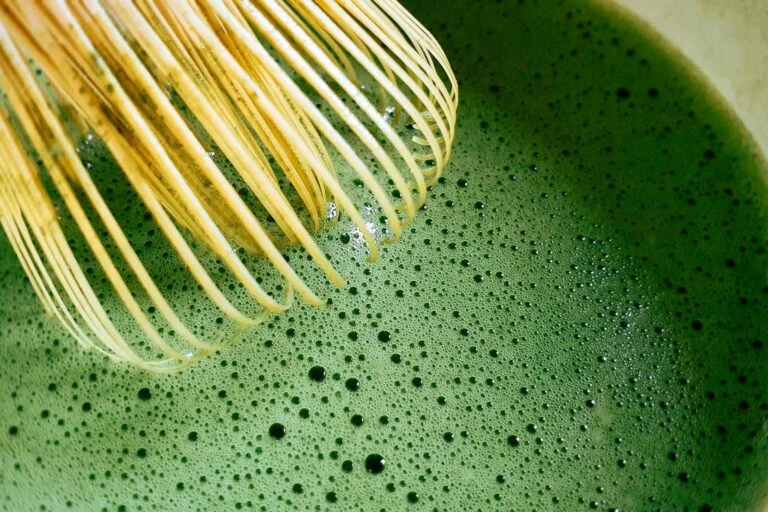
Matcha is powdered green tea, and you drink the whole leaf. Lab analyses put it at about 19 to 44mg of caffeine per gram, so a 2g serving has roughly 38 to 89mg. It also contains L-theanine, an amino acid found in tea. In a small trial of 27 people, run by a food company’s researchers, caffeine plus L-theanine improved performance on demanding attention tasks more than caffeine alone. Many people describe matcha as a smoother lift, though that’s personal. See our full guide to matcha benefits and caffeine and L-theanine.
Green and black tea
The NHS uses about 75mg for a cup of tea, black or green. In UK lab tests, green tea leaves contained less caffeine than black tea leaves, and a short brew gives you less again. Tea is a good stepping stone if you’re cutting down: same mug, same ritual, smaller dose.
Yerba mate and chai
Yerba mate is a South American leaf drink with a strong, earthy taste. Bottled mate drinks tested in one study had about 31 to 70mg per serving, so it’s not a big cut from instant coffee. Chai is black tea brewed with spices, so its caffeine is similar to tea, but café chai lattes can be sweet, so check the sugar.
Mushroom coffee
Most mushroom coffees are part coffee, part mushroom powder, so they usually have less caffeine than regular coffee. Any focus boost you feel is most likely the caffeine. See does mushroom coffee work?
Swaps that taste most like coffee
If what you love is the roasted, bitter taste rather than the buzz, these come closest.
- Chicory “coffee”: roasted chicory root, brewed or sold as an instant powder. It’s the classic caffeine-free coffee substitute. Some blends mix it with real coffee, which is a handy halfway step.
- Dandelion “coffee”: roasted dandelion root, often blended with chicory. Slightly lighter and more bitter.
- Decaf: the closest match of all, but not caffeine-free. Decaf coffees tested in one US study had about 0 to 14mg in a large 16oz cup, and decaf espresso had about 3 to 16mg per shot. Fine for most people, but worth knowing if you’ve been told to avoid caffeine completely.
If coffee upsets your stomach first thing, try having it with food; see coffee on an empty stomach.
Caffeine-free and evening swaps
The NHS notes that caffeine’s effects can last up to 7 hours, so an afternoon coffee can still be with you at bedtime. See how long caffeine lasts. For the second half of the day, these are better choices.
- Rooibos: a South African bush, not a true tea, so it has no caffeine. It’s mild and slightly sweet, and works with or without milk.
- Herbal teas: in one lab study of brewed teas, no caffeine was detected in the herbal varieties. Peppermint, ginger and chamomile are easy places to start. See chamomile tea and the best tea for sleep.
- Golden milk: warm milk with turmeric, ginger and black pepper. No caffeine, and a nice swap for a milky latte.
- Cacao or hot chocolate: a warm, rich ritual with only a little caffeine. A hot cocoa made from an instant mix has about 4mg, and cocoa powder has about 2mg of caffeine per gram in lab analyses, so even a strong mug is far below a 100mg instant coffee. See healthy hot chocolate.
Our Reishi Mushroom Adaptogenic Complex is a reishi hot chocolate made with reishi mushroom extract, organic cacao, maca, coconut milk powder and coconut sugar. It contains a little natural caffeine from the cacao, so it isn’t caffeine-free, but a mug made with a teaspoon or so is much lower in caffeine than a cup of coffee. It’s made as an evening drink, a warm swap for a late coffee. Read more in reishi cacao benefits.
Which swap for which situation?
| You want | Try | Good to know |
|---|---|---|
| Energy in the morning | Matcha, green or black tea, yerba mate | Have breakfast too; food helps keep energy steady |
| To stay awake for work or study | Tea or matcha, spaced out | Several smaller doses through the morning, then stop by early afternoon |
| Less jittery or anxious | Green tea, matcha, rooibos | See does caffeine cause anxiety? |
| Caffeine with no crash | Smaller doses, with food | See why coffee crashes happen |
| An afternoon pick-me-up | Rooibos, peppermint tea, a short walk | See the afternoon slump |
| Something warm at night | Herbal tea, golden milk, low-sugar hot chocolate | Cacao has a little caffeine, so keep it modest if you’re sensitive |
| Pregnancy | Rooibos, decaf, herbal teas in moderation | NHS: under 200mg caffeine a day, no more than 4 cups of herbal tea, avoid liquorice root tea |
| Fewer sugary drinks | Plain tea, rooibos, chicory, unsweetened cocoa | Café syrups and chai concentrates add sugar fast |
We don’t recommend our products during pregnancy or breastfeeding.
Coffee alternatives for acid reflux
The NHS lists coffee, along with chocolate, alcohol, tomatoes and fatty or spicy food, as possible heartburn triggers, and advises avoiding the foods and drinks that set yours off. Everyone’s triggers differ, so keep a simple diary. Note that chocolate is on the list too, so hot chocolate isn’t automatically a safe swap. See a GP if you have heartburn most days, if pharmacy medicines and lifestyle changes aren’t helping, or if you’re losing weight for no reason.
A note on sugar and diabetes
Swapping a black coffee for a syrupy chai latte or a sweet hot chocolate can add a lot of sugar. The NHS says adults should have no more than 30g of free sugars a day, and that includes honey, syrups and coconut sugar. If you have diabetes, unsweetened tea, rooibos, chicory and herbal teas are simple choices; check labels on powders, and ask your diabetes team if you’re unsure.
How much caffeine is too much?
- Healthy adults: the European Food Safety Authority (EFSA) considers up to 400mg a day, spread through the day, and single doses up to 200mg, safe for most people. That’s about four cups of instant coffee.
- Pregnancy: the NHS advises no more than 200mg a day.
- Sleep: if you struggle to sleep, cut caffeine in the evening; its effects can last up to 7 hours.
Count every source: tea, coffee, cola, energy drinks and chocolate all add up. See energy drinks for how cans compare.
How to cut down on coffee without headaches
A major review of caffeine withdrawal found symptoms usually start 12 to 24 hours after your last dose, peak at about 20 to 51 hours and last 2 to 9 days. Headache affected about half of people in experiments, and tiredness, low mood, irritability and poor concentration were common too. Stopping as little as 100mg a day caused symptoms in some people. An NHS page on tiredness also notes that stopping suddenly can lead to insomnia and headaches, so go gradually.
| Week | What to do |
|---|---|
| Week 1 | Swap one coffee a day for tea, matcha or half-caff. Move your last caffeinated drink before 2pm. |
| Week 2 | Swap a second coffee for green tea, chicory or decaf. Keep your first morning cup if you need it. |
| Week 3 | Make afternoons caffeine-free: rooibos, herbal tea or golden milk. |
| Week 4 | Decide where you want to land: one morning coffee or matcha is fine for most adults. |
Drink water, eat regular meals and expect a few flat days. If headaches are severe or don’t settle, speak to a pharmacist or GP.
Energy without caffeine
No drink fixes tiredness on its own. The NHS tips that make the biggest difference are simple:
- Eat regularly: meals and healthy snacks every 3 to 4 hours, rather than one big meal.
- Move: even a single 15-minute walk can give you an energy boost. Get outside in daylight when you can.
- Drink water: mild dehydration can make you feel tired.
- Protect your sleep: keep regular bed and wake times.
- Go easy on alcohol: you sleep less deeply after drinking.
Magnesium contributes to the reduction of tiredness and fatigue, so it’s worth making sure your diet covers it; see magnesium for energy. For more ideas, read how to boost energy naturally. If you’re tired all the time despite good habits, see a GP.
Related guides
- How much caffeine is really in decaf coffee.
- Thinking about golden milk? See turmeric in food vs supplements.
- How to cut down on caffeine without withdrawal headaches.
FAQs
What is the best alternative to coffee for energy?
Matcha or green tea, if you still want some caffeine. They have less than most coffee, plus L-theanine. For energy without caffeine, focus on regular meals, a daily walk, water and good sleep.
What can I drink instead of coffee in the morning?
Matcha, green or black tea or yerba mate for a lift. Chicory or dandelion “coffee” if you want the taste without caffeine. Rooibos or golden milk if you want no caffeine at all.
What tastes most like coffee without caffeine?
Roasted chicory root is the closest, followed by dandelion “coffee”. Decaf tastes the same as coffee but still has a little caffeine.
Is matcha better than coffee?
Not better, just different. A 2g serving has roughly 38 to 89mg of caffeine, less than many coffees, and it contains L-theanine, which many people find gives a smoother lift.
How long does caffeine withdrawal last?
Symptoms usually start 12 to 24 hours after your last dose, peak at around 20 to 51 hours and last 2 to 9 days. Cutting down gradually helps avoid headaches.
Is hot chocolate caffeine-free?
No. Cacao naturally contains a little caffeine: about 4mg in a mug made from an instant mix, more with strong cacao. That’s still far less than a cup of coffee.
Sources
- NHS. Foods to avoid in pregnancy (caffeine and herbal teas).
- EFSA. Caffeine.
- NHS. Self-help tips to fight tiredness.
- NHS. Heartburn and acid reflux.
- NHS. Sugar: the facts.
- Juliano LM, Griffiths RR (2004). A critical review of caffeine withdrawal: empirical validation of symptoms and signs, incidence, severity, and associated features. Psychopharmacology.
- Kochman J et al (2020). Health benefits and chemical composition of matcha green tea: a review. Molecules.
- Owen GN et al (2008). The combined effects of L-theanine and caffeine on cognitive performance and mood. Nutritional Neuroscience.
- Khokhar S, Magnusdottir SG (2002). Total phenol, catechin, and caffeine contents of teas commonly consumed in the United Kingdom. Journal of Agricultural and Food Chemistry.
- Chin JM et al (2008). Caffeine content of brewed teas. Journal of Analytical Toxicology.
- Welna M et al (2023). Novel ICP-OES-based method for the reliable determination of the total content of 15 elements in yerba mate drinks along with the determination of caffeine. Molecules.
- McCusker RR et al (2006). Caffeine content of decaffeinated coffee. Journal of Analytical Toxicology.
- Shively CA, Tarka SM (1984). Methylxanthine composition and consumption patterns of cocoa and chocolate products. Progress in Clinical and Biological Research.
This guide is general information, not medical advice. Evopure makes the Reishi Mushroom Adaptogenic Complex.