Last updated: October 2026
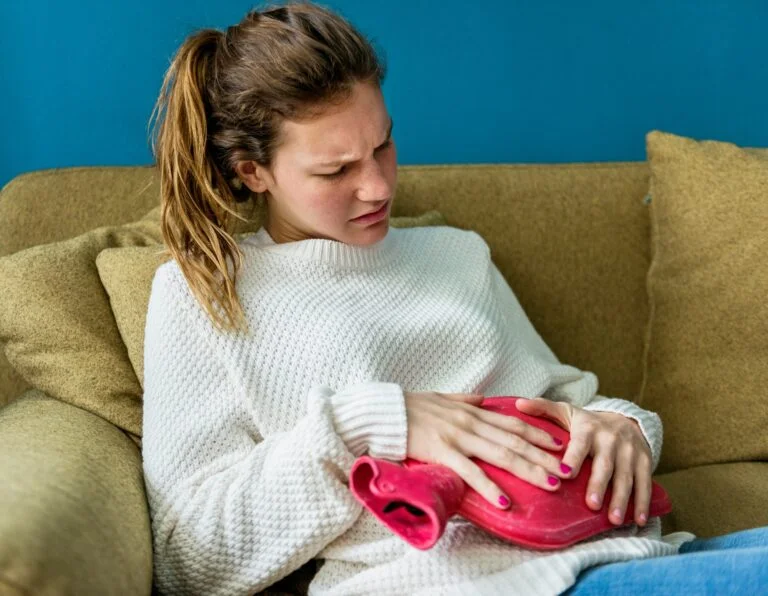
“Hormonal imbalance” isn’t a diagnosis, but it’s a useful way to describe symptoms caused by hormone changes or conditions, such as irregular periods, tiredness, weight changes, mood swings, acne, hair changes and poor sleep. Common causes in women include PMS, perimenopause, PMOS (formerly PCOS) and thyroid problems. A GP can check which, if any, applies.
This guide covers the main signs, the conditions behind them, symptoms by life stage, tests on the NHS, what you can do yourself, and when to see a GP.
Before you buy a “hormone balancing” product or home test: most symptoms have a specific, treatable cause that needs the right test. Hormone levels also change through your cycle, so a one-off home test can be misleading. Start with your GP.
Common signs of hormonal imbalance in women
| Area | Signs |
|---|---|
| Periods | Irregular, heavy, painful, missed or very long gaps between periods |
| Mood | Mood swings, irritability, anxiety, low mood, feeling tearful. See crying for no reason |
| Energy | Tiredness that rest doesn’t fix. See why am I always tired? |
| Weight | Weight gain, especially around the middle, or difficulty losing weight |
| Skin | Acne, oily skin, dry skin, dark patches on the neck or armpits |
| Hair | Thinning hair or hair loss, or extra hair on the face or body |
| Sleep | Trouble sleeping, night sweats. See night sweats |
| Temperature | Hot flushes, or feeling cold all the time |
| Brain | Brain fog, forgetfulness, poor concentration. See brain fog |
| Other | Low sex drive, vaginal dryness, bloating, headaches, difficulty getting pregnant |
Many of these signs are common and have other causes too, which is why it’s worth looking at the pattern: when they started, whether they follow your cycle, and what else is going on.
What causes hormonal imbalance? The main conditions
Premenstrual syndrome (PMS)
Mood swings, bloating, breast tenderness, tiredness and irritability in the 2 weeks before a period, easing once it starts. A severe form, PMDD, can cause intense depression or anxiety before periods. See PMS symptoms.
Perimenopause and menopause
Falling oestrogen levels, usually from your mid-40s, can cause irregular periods, hot flushes, night sweats, poor sleep, anxiety, low mood, brain fog and joint aches, sometimes for years before periods stop. See perimenopause symptoms, perimenopause and sleep and menopause weight gain.
PMOS (formerly PCOS)
The NHS now calls polycystic ovary syndrome polyendocrine metabolic ovarian syndrome (PMOS). It’s a hormone condition that usually starts around puberty. The main symptoms are irregular periods or long gaps between them, excess hair growth or hair loss, weight gain or difficulty losing weight, difficulty getting pregnant, depression or anxiety, oily skin and acne, feeling very tired, and dark patches of skin on the neck or armpits.
Thyroid problems
An underactive thyroid causes tiredness, feeling cold, weight gain, low mood and heavy periods. An overactive thyroid causes anxiety, a racing heart, weight loss and feeling hot. See underactive thyroid symptoms.
Other causes
- Pregnancy, after birth and breastfeeding
- Hormonal contraception, starting or stopping it
- Very low body weight, under-eating or over-exercising, which can stop periods
- Diabetes and insulin resistance
- Rarer conditions affecting the pituitary or adrenal glands
Symptoms by life stage
| Life stage | Common hormone-related causes |
|---|---|
| Teens and 20s | Irregular periods as cycles settle, PMS, PMOS, acne |
| 20s and 30s | PMS, PMOS, contraception changes, pregnancy and postnatal changes, thyroid problems |
| Late 30s to 40s | Perimenopause can begin, thyroid problems become more common |
| Late 40s to 50s | Perimenopause and menopause (average age of menopause in the UK is 51) |
| After menopause | Vaginal dryness, sleep changes, bone and heart health matter more |
Stress, sleep and cortisol
Cortisol, the main stress hormone, gets talked about a lot online. Long-term stress and poor sleep can affect your periods, mood, sleep and appetite, and can make other hormone symptoms feel worse. True cortisol disorders, such as Cushing’s syndrome, are rare and need medical tests. For most people, managing stress and sleep is what helps. See high cortisol symptoms in women, how to lower cortisol naturally and stress symptoms.
Tests for hormonal imbalance
There isn’t a single “hormone imbalance test”. Your GP chooses tests based on your symptoms, for example:
- Thyroid function (TSH and T4) for tiredness, weight and mood changes.
- Hormone and insulin levels and sometimes an ultrasound scan if PMOS is suspected.
- Pregnancy test if periods have stopped.
- Blood count, iron, vitamin B12 and vitamin D if tiredness is the main symptom. See iron deficiency.
- Blood sugar if diabetes is possible.
For perimenopause, NICE guidance says women over 45 with typical symptoms can usually be diagnosed from their symptoms, without a blood test. Keeping a symptom and period diary for 2 to 3 months is one of the most useful things you can bring to an appointment.
What you can do yourself
No food or supplement can “balance your hormones” on its own, and claims that they do should be treated with caution. But everyday habits make a real difference to how you feel:
- Track your cycle and symptoms to spot patterns.
- Eat regular, balanced meals with plenty of fibre, protein and vegetables. See food and mood and sugar cravings.
- Move most days. Strength training helps muscles and bones, especially around menopause. See creatine for women.
- Protect your sleep. See how to sleep better.
- Manage stress with small daily habits. See how to relieve stress.
- Cut back on alcohol and caffeine, which can worsen hot flushes, sleep and anxiety.
- Take vitamin D in autumn and winter, as the NHS advises for everyone in the UK.
A calming evening ritual can help with sleep. Our Magnesium Glycinate Sleep Complex is a berry bedtime drink with L-theanine. Magnesium contributes to normal psychological function, the reduction of tiredness and fatigue, and normal muscle function. Many women also take our Flow CBD Oil, with ashwagandha and maca, as part of their routine. The FSA’s 10mg a day figure for CBD is precautionary advice rather than a legal limit, set while longer-term safety research continues. At Evopure we think it is a very cautious figure, and many adults use more. If you go above it, increase slowly, and check with your GP or pharmacist first if you take any medication, including HRT or contraception. See best supplements for menopause.
Treatments
Treatment depends on the cause. For example:
- Perimenopause and menopause: HRT is the main treatment for many symptoms. NICE also recommends CBT for low mood, anxiety and hot flushes linked to menopause.
- PMOS: the NHS lists options such as the combined pill or an IUS for irregular periods, medicines for hair growth and fertility, metformin, and lifestyle changes.
- PMS and PMDD: lifestyle changes, the combined pill, and sometimes antidepressants.
- Thyroid problems: levothyroxine for an underactive thyroid.
When to see a GP
See a GP if:
- your periods are irregular, very heavy, very painful or have stopped (and you’re not pregnant)
- you have perimenopause symptoms affecting your life
- you have extra hair growth, acne or hair loss with irregular periods
- you’re tired all the time, gaining or losing weight without trying, or feel low
- you’re struggling to get pregnant
- you have bleeding after sex, between periods or after the menopause, which always needs checking
FAQs
What are the signs of hormonal imbalance in women?
Irregular or heavy periods, mood swings, tiredness, weight changes, acne, hair loss or extra hair growth, poor sleep, hot flushes and low sex drive.
What causes hormonal imbalance?
Common causes include PMS, perimenopause and menopause, PMOS (formerly PCOS), thyroid problems, pregnancy, contraception changes and stress.
Can I get a hormone test on the NHS?
Yes, if your GP thinks it’s needed. They’ll choose specific tests, such as thyroid, hormone or insulin levels, based on your symptoms.
What is PMOS?
Polyendocrine metabolic ovarian syndrome is the new NHS name for polycystic ovary syndrome (PCOS). It’s a hormone condition affecting periods, hair, skin, weight, fertility and mood.
Can you balance hormones naturally?
Healthy habits such as good sleep, regular meals, exercise and managing stress help how you feel, but many hormone conditions need medical treatment. See your GP first.
Can stress cause hormonal imbalance?
Long-term stress can affect your periods, sleep, mood and appetite, and make other hormone symptoms worse.
Sources
- NHS. Polyendocrine metabolic ovarian syndrome (PMOS).
- NHS. Menopause and perimenopause symptoms.
- NHS. Premenstrual syndrome (PMS).
- NHS. Underactive thyroid.
- NICE. Menopause: identification and management (NG23).
This guide is general information, not medical advice. Evopure makes the Magnesium Glycinate Sleep Complex and Flow CBD Oil.