










Last updated: October 2026
Sleep, food, movement and fewer distractions do more for focus than any pill. Of the supplements, the best evidence is for caffeine (with or without L-theanine), fixing a deficiency (iron, B12, iodine, vitamin D in winter), creatine (some evidence under sleep loss) and omega-3 if you eat no oily fish. Most “nootropic” blends lack evidence, and none treats ADHD.
Below: focus supplements ranked by evidence in one table, what the UK actually allows brands to claim, what’s hype, supplements for studying, ADHD, safety and a checklist for choosing a product.
Where we fit: we don’t make a focus supplement, and we won’t pretend otherwise. Sleep is the foundation of focus, so that’s where we can help. Our Magnesium Glycinate Sleep Complex is a caffeine-free evening drink with magnesium bisglycinate and citrate, glycine and L-theanine. Magnesium contributes to normal psychological function and to a reduction of tiredness and fatigue. Vegan, made in the UK, for adults only.
Focus supplements ranked by evidence
The common focus supplements, what the research tested, and what Great Britain’s health claims register allows a brand to say. If a claim isn’t on the register, a product can’t legally make it.
| Supplement | What studies looked at | Strength of evidence | Key caveat | GB authorised claim |
|---|---|---|---|---|
| Caffeine | Alertness, attention, reaction time | Good, short term | Less consistent for memory and decision-making; disturbs sleep | None. “Caffeine helps to increase alertness” is listed as non-authorised |
| Caffeine plus L-theanine | Attention switching, alertness in the first 2 hours | Moderate, short term | Caffeine seems to do most of the work | None |
| Creatine | Memory, attention, thinking under sleep loss | Moderate for memory; low for attention | EFSA found no proven cause and effect for cognitive function in 2024 | None for the brain. A cognitive function claim is listed as non-authorised |
| Omega-3 (DHA) | Memory and reaction time in people who eat little DHA | Some, mixed | Mainly helps if your diet is low in oily fish | “DHA contributes to maintenance of normal brain function” (with 250mg DHA a day) |
| Iron | Attention and concentration in teenagers and women | Some, in small trials | Only take it if a blood test shows you need it | “Iron contributes to normal cognitive function” |
| Vitamin B12 | Memory and thinking problems from deficiency | Good when deficient | Helps if you’re low, so get tested | “Vitamin B12 contributes to normal psychological function” |
| Iodine | Deficiency | Matters if you’re low | Mainly relevant if you eat no dairy, fish or eggs | “Iodine contributes to normal cognitive function” |
| Zinc | Deficiency | Limited for focus | Deficiency is uncommon with a varied diet | “Zinc contributes to normal cognitive function” |
| Vitamin D | Cognition in adults | Weak for focus | Take it in autumn and winter for bones and muscles, not for focus | None for the brain |
| Magnesium | Tiredness, stress, sleep routines | Limited direct evidence for focus | Most useful if your intake is low | “Magnesium contributes to normal psychological function” |
| Lion’s mane | Speed on attention tests, mood | Early, tiny trials | Pilot studies with mixed and null results | None |
| Ginkgo | Memory and attention in healthy people | Largely negative | Bleeding risk with blood thinners | None |
| Bacopa | Speed of attention after 12 weeks or more | Some, small effects | Takes months, not a quick fix | None |
| Rhodiola | Mental fatigue | Mixed, flawed trials | Flawed trials; check with a pharmacist if you take medicines | None. A tiredness claim is listed as non-authorised |
| Ashwagandha | Memory in mild cognitive impairment; mostly stress and sleep | Weak for focus | Under UK safety review; liver and thyroid cautions | None |
| “Nootropic stacks” | Rarely tested as the finished product | Usually none for the blend | Hidden doses, hidden caffeine | Only for any vitamins or minerals they contain |
For the legal side of “smart drugs” such as modafinil, see our guide to nootropics in the UK.
Caffeine and L-theanine: the best-studied option
Caffeine is one of the most researched focus aids there is, and it’s in your kitchen already. A 2016 review of the research found that low to moderate doses, from about 40mg up to about 300mg, improve alertness, vigilance, attention and reaction time. The effects on memory and on higher-level thinking, like judgement and decision-making, were less consistent.
For scale, EFSA’s guide figures are about 90mg in a cup of filter coffee, 80mg in an espresso and 50mg in a cup of black tea.
Why people pair caffeine with L-theanine
L-theanine is an amino acid found naturally in tea. In a small 2008 trial of 27 people, 50mg of caffeine with 100mg of L-theanine improved both speed and accuracy on an attention-switching task, and made people less distracted during a memory task. A 2014 meta-analysis of 11 studies found moderate effects for the combination on alertness and attention switching in the first two hours. Interestingly, the caffeine dose seemed to matter more than the L-theanine dose.
So a cup of tea, or green tea, is a decent focus drink in its own right. If coffee makes you jittery, see our guide to L-theanine benefits.
The catch: sleep
Caffeine borrows from tomorrow. EFSA notes that even 100mg may affect sleep in some adults if taken close to bedtime, and poor sleep hits attention hard. Keep caffeine to the morning and early afternoon.
Fix a deficiency first: iron, B12, iodine and vitamin D
The biggest supplement wins come from correcting something you’re short of. If you’ve been tired and unable to concentrate for weeks, see your GP first: a blood test can check iron, B12, folate and thyroid function.
Iron
Iron deficiency anaemia causes tiredness and lack of energy, which makes it hard to concentrate. A 2010 meta-analysis of 14 trials in older children, teenagers and women found that iron improved attention and concentration, though the trials were small, short and of limited quality. Women are more likely to run low because of periods and pregnancy. Don’t take iron unless a test shows you need it: the NHS says 17mg a day or less from supplements is unlikely to cause harm, and high doses can cause constipation and sickness. See iron deficiency symptoms.
Vitamin B12
The NHS lists problems with memory, understanding and judgement among the possible symptoms of B12 deficiency. People at higher risk include vegans who don’t take B12 or eat fortified foods, and people taking metformin or acid-reducing medicines called proton pump inhibitors. Vitamin B12 contributes to normal psychological function. See our guide to B vitamins.
Iodine
Adults need 140 micrograms of iodine a day, mostly from dairy, fish and eggs. The NHS suggests people on a strict vegan diet consider fortified foods or a supplement. Iodine contributes to normal cognitive function.
Vitamin D
Everyone in the UK should consider 10 micrograms of vitamin D a day in autumn and winter, according to the NHS. Take it for that reason, not for focus: a 2021 review of 20 trials found no good evidence that vitamin D supplements improve thinking in adults. See vitamin D in winter.
Zinc and magnesium
Both have authorised claims: zinc contributes to normal cognitive function, and magnesium contributes to normal psychological function. We found little trial evidence that extra amounts sharpen focus if you already get enough. See magnesium for focus and brain fog.
Creatine and omega-3: promising, with caveats
Creatine
Creatine is best known for strength training, but it’s also stored in the brain. A 2024 meta-analysis of 16 trials with 492 people found improvements in memory (moderate-certainty evidence) and in attention and processing speed (low certainty), but no improvement in overall cognitive function.
The most interesting finding is under sleep loss. In a 2024 study, a single very large dose (0.35g per kg of body weight, about 25g for a 70kg adult) improved cognitive performance and processing speed during a night without sleep. That’s far more than the usual daily amount people take, so it isn’t a habit to copy.
Regulators are not convinced yet. In 2024, EFSA concluded that a cause and effect relationship between creatine and improved cognitive function had not been established, and a similar claim is listed as non-authorised in GB. See our full creatine guide.
Omega-3
DHA is a type of omega-3 that’s important for brain function. In a 2013 trial of 176 healthy adults aged 18 to 45 who ate little DHA, 1.16g of DHA a day for six months improved memory reaction times compared with placebo. The benefit was seen in people whose diets were low in DHA, which is the point: the NHS recommends at least one portion (about 140g) of oily fish a week, and most of us don’t eat that much. If you eat oily fish weekly, a supplement is unlikely to add much. See omega-3.
Lion’s mane, ginkgo, bacopa, rhodiola and ashwagandha: the honest verdict
None of these has an authorised health claim in GB, and the evidence for focus is thinner than the marketing suggests.
- Lion’s mane: in a 2023 pilot study of 41 young adults, people were quicker on one attention test an hour after a single dose, but there were also null results, and after 28 days the clearest finding was a borderline trend in stress. See lion’s mane.
- Ginkgo: a systematic review of 15 trials in healthy people under 60 found no convincing evidence of a robust effect on any aspect of thinking.
- Bacopa: a meta-analysis of nine trials of at least 12 weeks found small improvements in speed of attention. It’s the most promising herb here, but it works slowly, if at all.
- Rhodiola: traditionally used for mental fatigue. A review found three of five trials on mental fatigue were positive, but every study had a high or unclear risk of bias. See rhodiola rosea.
- Ashwagandha: mostly studied for stress and sleep. One 2017 pilot trial in 50 adults with mild cognitive impairment reported better memory scores after eight weeks, but that’s a small study in a specific group, not healthy people wanting sharper focus. The UK Food Standards Agency launched a call for evidence on its safety in 2024. See ashwagandha side effects.
Nootropic stacks: where the hype lives
Many “focus” products combine 10 or more ingredients. The blend itself has usually never been tested, and a long list often means tiny amounts of each.
- Proprietary blends hide how much of each ingredient you get, so you can’t compare doses with the studies.
- Hidden caffeine: guarana, green tea extract and coffee extracts all contain caffeine, which may be doing all the work.
- Borrowed claims: a single authorised claim, such as one from added zinc or B vitamins, can make a whole formula look “proven”.
- Big promises like “boosts IQ” or “unlocks your brain” aren’t authorised claims, so treat them as a red flag.
If you’re curious about CBD, see CBD for focus and studying. CBD isn’t a treatment for ADHD or poor concentration.
Food and habits first
These cost little and beat any supplement.
| Habit | Why it matters for focus |
|---|---|
| Sleep | A meta-analysis of 70 studies found that short-term sleep loss hits simple attention hardest of all thinking skills, with a large effect on lapses |
| Movement | A single bout of exercise gives a small, real boost to thinking performance, according to a meta-analysis of 79 studies |
| Regular meals | Balanced, regular meals keep your energy steadier through the day. See breakfast for energy |
| Water | Water contributes to the maintenance of normal physical and cognitive functions, an authorised claim based on at least 2 litres a day from all sources |
| Fewer distractions | Phone in another room, notifications off, one task at a time |
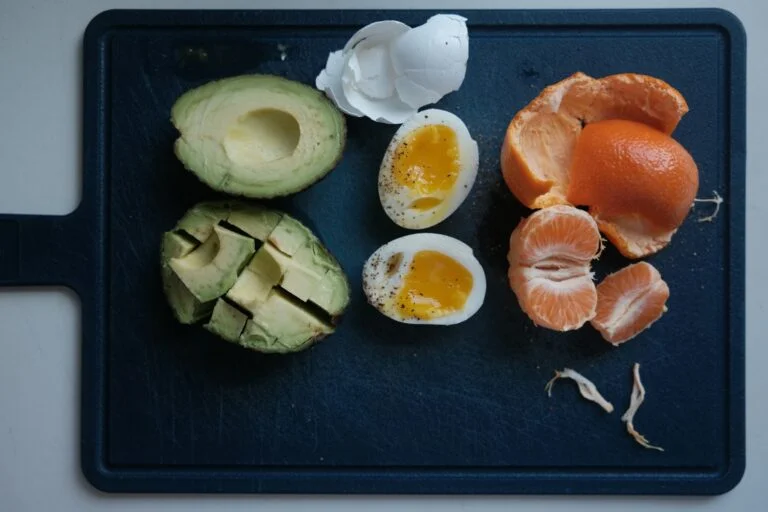
| Brain-friendly food | Oily fish, eggs, wholegrains and leafy greens supply many of the nutrients above. See brain foods |
For the full list of habits, see how to focus better, and if your thinking feels cloudy rather than just distracted, read brain fog.
Because sleep comes first, a calm evening routine is one of the most useful things you can build. Our Magnesium Glycinate Sleep Complex is a caffeine-free evening drink, and magnesium contributes to normal psychological function and to a reduction of tiredness and fatigue. If you want a warm afternoon drink instead of another coffee, our Reishi Mushroom Adaptogenic Complex is a reishi hot chocolate with cacao and maca. It contains a little natural caffeine from the cacao. Neither is a focus supplement.
Focus supplements for studying and exams
The honest priority list is short:
- Protect your sleep, especially the night before an exam. An all-nighter costs more attention than any supplement can give back.
- Use caffeine carefully. A coffee or tea before a revision session or exam is reasonable for adults. Don’t stack energy drinks, and stop by early afternoon. EFSA suggests teenagers keep caffeine to about 3mg per kg of body weight a day.
- Eat regular meals and drink water, particularly on exam days.
- Move between study blocks: a brisk 10-minute walk is a better break than scrolling.
Under 18?
Children and teenagers shouldn’t take focus supplements without talking to a GP or pharmacist first. The exception is NHS advice that everyone over 4 should consider 10 micrograms of vitamin D a day in autumn and winter. Our products are for adults only. If a child struggles to concentrate, speak to the school and your GP.
Focus supplements and ADHD
If you think you or your child might have ADHD, start with your GP. NICE guidance says ADHD should only be diagnosed by a specialist psychiatrist, paediatrician or other appropriately qualified professional. Adults can ask their GP for a referral for assessment.
Supplements are not a substitute for diagnosis or treatment. NICE advises against dietary fatty acid supplementation for treating ADHD in children and young people, and stresses a balanced diet, good nutrition and regular exercise. A 2023 Cochrane review of 37 trials found high-certainty evidence that omega-3 and omega-6 supplements made no difference to parent-rated ADHD symptoms or inattention in children and teenagers.
If you take ADHD medicine, check with your prescriber or pharmacist before adding caffeine-based or herbal products. Sleep is often a big part of the picture: see ADHD and sleep.
Safety
- Caffeine: EFSA says up to 400mg a day spread through the day, and single doses up to 200mg, don’t raise safety concerns for healthy adults. In pregnancy the NHS advises no more than 200mg a day. Count coffee, tea, cola, energy drinks, chocolate and supplements with guarana.
- Stimulant stacks: avoid combining several caffeine-containing products, and take extra care if you have a heart condition, high blood pressure or anxiety.
- Iron: only at higher doses if your GP advises it, and always keep iron out of reach of children.
- Ginkgo: may increase the risk of bleeding if you take anticoagulants such as warfarin.
- Ashwagandha: rare cases of liver injury have been reported. Avoid it in pregnancy and while breastfeeding, and if you have a thyroid or autoimmune condition or are due to have surgery.
- Medicines: herbs and minerals can interact with prescription medicines. Ask your GP or pharmacist before you start.
- Pregnancy: we don’t recommend our products during pregnancy or breastfeeding. All Evopure products are for adults only.
How to choose a focus supplement
- Have you fixed the basics? Sleep, meals, movement and distractions come first.
- Could you be deficient? Ask your GP about a blood test if you’re tired and foggy for weeks.
- Is the dose on the label? Skip proprietary blends that hide amounts.
- Does the dose match the research? Compare it with the studies above.
- How much caffeine is in it? Add it to your coffee and tea.
- Are the claims authorised? In GB, only claims on the register are allowed. “Contributes to normal cognitive function” is fine for iron, iodine and zinc; “boosts brain power” isn’t.
- Is it lab tested and from an established UK brand?
- Have you checked your medicines? A pharmacist can tell you in a minute.
If tiredness is the bigger problem than focus, see our ranking of the best supplements for energy.
FAQs
What is the best supplement for focus?
For most adults, caffeine has the strongest short-term evidence, ideally with L-theanine, as in tea. Beyond that, the best supplement is the one that fixes a shortfall, such as iron or vitamin B12 if a blood test shows you’re low. Sleep matters more than either.
Do focus supplements work?
Some do, modestly. Caffeine reliably improves alertness and attention, and correcting a deficiency helps. Creatine and omega-3 show some promise. Most herbal and multi-ingredient “nootropic” products have weak or no evidence.
What vitamins help with concentration?
In GB, iron, iodine and zinc are authorised to say they contribute to normal cognitive function, and several B vitamins (including B6 and B12), vitamin C and magnesium to say they contribute to normal psychological function. They help most if you’re low.
Are nootropics safe?
Everyday options like moderate caffeine are safe for most healthy adults. Multi-ingredient stacks can hide high caffeine doses or herbs that interact with medicines, and prescription drugs bought online without a prescription are risky. Check with a pharmacist.
What’s the best supplement for focus without caffeine?
There isn’t a strong caffeine-free option. Creatine has some evidence, omega-3 may help if you eat little oily fish, and fixing a deficiency can make a real difference. Good sleep and exercise beat all of them.
Are there supplements for ADHD focus?
No supplement is a treatment for ADHD. NICE advises against fatty acid supplements for treating ADHD in children and young people, and a Cochrane review found omega-3 didn’t improve symptoms. See your GP for assessment and support.
What supplements help with focus for studying?
For adults, a coffee or tea before studying is the best-evidenced choice. Sleep, regular meals and short exercise breaks matter more. Under-18s shouldn’t take focus supplements without talking to a GP or pharmacist.
Sources
- Department of Health and Social Care. Great Britain nutrition and health claims (NHC) register (updated May 2026).
- EFSA. Caffeine.
- McLellan TM et al (2016). A review of caffeine’s effects on cognitive, physical and occupational performance. Neuroscience and Biobehavioral Reviews.
- Owen GN et al (2008). The combined effects of L-theanine and caffeine on cognitive performance and mood. Nutritional Neuroscience.
- Camfield DA et al (2014). Acute effects of tea constituents L-theanine, caffeine, and epigallocatechin gallate on cognitive function and mood: a systematic review and meta-analysis. Nutrition Reviews.
- Xu C et al (2024). The effects of creatine supplementation on cognitive function in adults: a systematic review and meta-analysis. Frontiers in Nutrition.
- Gordji-Nejad A et al (2024). Single dose creatine improves cognitive performance and induces changes in cerebral high energy phosphates during sleep deprivation. Scientific Reports.
- EFSA NDA Panel (2024). Creatine and improvement in cognitive function: evaluation of a health claim. EFSA Journal.
- Stonehouse W et al (2013). DHA supplementation improved both memory and reaction time in healthy young adults: a randomized controlled trial. American Journal of Clinical Nutrition.
- Falkingham M et al (2010). The effects of oral iron supplementation on cognition in older children and adults: a systematic review and meta-analysis. Nutrition Journal.
- Beauchet O et al (2021). Vitamin D supplementation and cognition in adults: a systematic review of randomized controlled trials. CNS Drugs.
- Docherty S et al (2023). The acute and chronic effects of lion’s mane mushroom supplementation on cognitive function, stress and mood in young adults. Nutrients.
- Canter PH, Ernst E (2007). Ginkgo biloba is not a smart drug: an updated systematic review of randomised clinical trials testing the nootropic effects of G. biloba extracts in healthy people. Human Psychopharmacology.
- Kongkeaw C et al (2014). Meta-analysis of randomized controlled trials on cognitive effects of Bacopa monnieri extract. Journal of Ethnopharmacology.
- Ishaque S et al (2012). Rhodiola rosea for physical and mental fatigue: a systematic review. BMC Complementary and Alternative Medicine.
- Choudhary D et al (2017). Efficacy and safety of ashwagandha root extract in improving memory and cognitive functions. Journal of Dietary Supplements.
- Lim J, Dinges DF (2010). A meta-analysis of the impact of short-term sleep deprivation on cognitive variables. Psychological Bulletin.
- Chang YK et al (2012). The effects of acute exercise on cognitive performance: a meta-analysis. Brain Research.
- NICE (2018, updated 2019). Attention deficit hyperactivity disorder: diagnosis and management (NG87).
- Gillies D et al (2023). Polyunsaturated fatty acids (PUFA) for attention deficit hyperactivity disorder (ADHD) in children and adolescents. Cochrane Database of Systematic Reviews.
- NHS. Vitamin D, Iodine and Iron.
- NHS. Vitamin B12 or folate deficiency anaemia: symptoms and causes.
- NHS. Fish and shellfish.
- NHS. Foods to avoid in pregnancy (caffeine).
- NHS. ADHD in adults.
- NCCIH. Ginkgo and Ashwagandha.
- Which? (2026). Ashwagandha: stress buster or health risk? (includes the FSA’s comment on its safety review).
This guide is general information, not medical advice. Evopure makes the Magnesium Glycinate Sleep Complex and Reishi Mushroom Adaptogenic Complex.