Last updated: October 2026
Rhodiola rosea is an adaptogenic root from cold mountain regions. Small trials suggest it may ease stress-related fatigue and improve how tired people feel, but the evidence is limited and mixed. It’s generally well tolerated in the short term, though some people get headaches, restlessness or poor sleep, so it’s best taken in the morning.
Below: what the research shows, UK status, trial doses, side effects, who should avoid it, and how it compares with ashwagandha, ginseng and maca.
Quick facts: traditionally used for tiredness under stress. Trials used about 200 to 680mg of root extract a day. Some UK products are registered traditional herbal medicines, based on traditional use rather than trial proof.
What is rhodiola rosea?
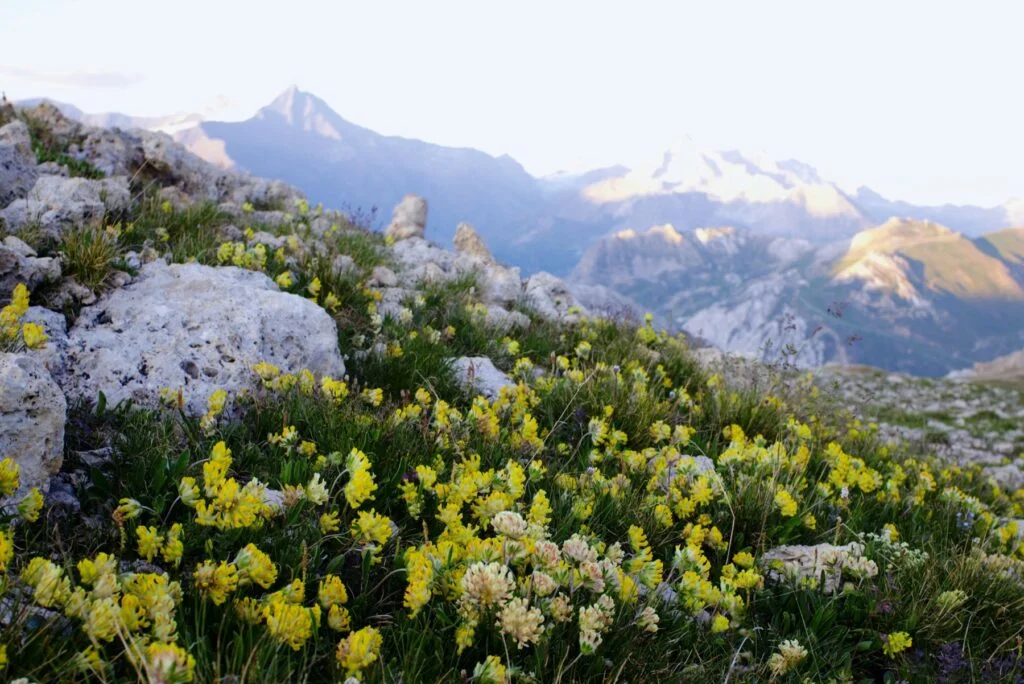
Rhodiola rosea is a small flowering plant that grows in cold regions and at high altitude across Europe, Asia and North America. Its root and rhizome (the underground stem) have a long history of use in Russia and Scandinavia for work performance, endurance and tiredness. You’ll also see it sold as golden root, rose root, rosenroot or Arctic root.
It’s usually called an adaptogen: a plant thought to help the body cope with stress. See adaptogens for energy for the main ones ranked by evidence.
Rosavins and salidroside
The root contains around 140 identified compounds. The two most talked about are salidroside and a group called rosavins (rosavin, rosin and rosarin). The European Medicines Agency notes that the amounts vary a lot between plants and extraction methods, one reason results differ between products. Most trials used a standardised root extract.
Rhodiola benefits: what the evidence shows
Rhodiola has more human research than most adaptogens, but most trials are small and short. In 2024 the European Medicines Agency’s herbal committee reviewed the trials and concluded there wasn’t enough evidence of clinical efficacy for fatigue or exhaustion, so it accepted rhodiola only on the basis of traditional use. Here’s how the evidence stacks up.
| Use | Key studies | Evidence strength |
|---|---|---|
| Stress-related fatigue and burnout | 2009 Swedish trial of 60 people (576mg a day, 28 days): burnout scores and some attention measures improved more than with placebo, though both groups improved. Two 2017 studies of 100 and 118 people (400mg a day) reported less fatigue from week 1, but had no placebo group. | Limited. The most studied use, but trials are small and reviews call the results contradictory |
| Low mood | 2007 trial of 89 people with mild to moderate depression: 340 or 680mg a day for 6 weeks improved scores versus placebo. A 2015 US trial of 57 people found rhodiola, sertraline and placebo all gave modest improvements, with no significant difference between groups, but rhodiola had fewer side effects than sertraline. | Preliminary. Not a treatment for depression |
| Anxiety | A 2008 pilot of 10 people with generalised anxiety disorder, and a 2015 UK study of 80 mildly anxious adults (400mg a day for 14 days), both reported lower anxiety scores. Neither had a placebo group. | Very limited |
| Focus and mental performance | The 2009 trial found better attention scores; the 2015 UK study found no cognitive difference. A 2012 review found 3 of 5 mental fatigue trials positive, all with flaws. | Mixed |
| Exercise and endurance | A 2025 meta-analysis of 26 trials in 668 healthy, mostly young people found small gains in VO2 max and time to exhaustion, with wide variation between studies. | Moderate, small effects |
| Cortisol | In the 2009 trial, the morning cortisol response changed more in the rhodiola group than with placebo. | One small trial |
| Sleep | No good trials of rhodiola alone for sleep. Insomnia is a listed side effect. | Not a sleep aid |
Rhodiola for stress and fatigue
This is rhodiola’s most studied use, and the adaptogen people reach for when they feel drained rather than wired. Be realistic: in the best trial both groups improved, and rhodiola’s extra effect was modest. If you’re tired all the time, rule out the common causes first with our guide to why you might always be tired, and read about burnout symptoms if work stress is the driver.
Rhodiola for anxiety and low mood
The early findings are far from proof, and none of the anxiety studies used a placebo. Rhodiola isn’t a treatment for depression or anxiety disorders. If low mood or worry is affecting daily life, speak to your GP; adults in England can also refer themselves to NHS Talking Therapies.
Rhodiola for ADHD, weight loss and other uses
Rhodiola is also promoted for ADHD, weight loss, menopause and testosterone. We couldn’t find good human trials for any of these. For focus, see how to focus better and our honest look at nootropics in the UK.
Is rhodiola legal in the UK?
Yes. Rhodiola is sold in two ways in the UK:
- As a registered traditional herbal medicine. The MHRA’s list of traditional herbal registrations includes several rhodiola products, including 200mg root extract tablets sold in pharmacies and high street chains. Their registered use is the temporary relief of symptoms associated with stress, such as fatigue, exhaustion and mild anxiety, based on traditional use only. That means at least 30 years of use, set quality standards and a patient leaflet, not proof from clinical trials.
- As a food supplement. Many rhodiola capsules and powders are sold as food supplements. These can’t make medicinal claims, and herbs like rhodiola have no authorised health claims in Great Britain.
For set quality standards, look for a registration number starting with “THR” on the pack.
How to take rhodiola: dose and timing
These are the amounts used in studies and registered products, not a personal recommendation. Always follow the label.
| Source | Daily amount of extract | How long |
|---|---|---|
| EMA traditional use monograph | 144 to 400mg, in 1 or 2 doses | See a doctor if symptoms last over 2 weeks |
| Stress-related fatigue trial (2009) | 576mg | 28 days |
| Fatigue and burnout studies (2017) | 400mg (2 x 200mg) | 8 to 12 weeks |
| Low mood trial (2007) | 340 or 680mg | 6 weeks |
| Exercise meta-analysis (2025) | Varied; larger effects above 600mg | Average 33 days |
- Take it in the morning. Rhodiola can feel mildly stimulating and may disturb sleep. In the UK anxiety study, people took one 200mg tablet before breakfast and one before lunch.
- Choose root extract. Look for Rhodiola rosea root extract with the strength stated, ideally THR-registered or tested.
- Keep courses limited. Some studies reported changes within a week. Safety data mostly cover up to 12 weeks, so check with a pharmacist before taking it longer.
- Basics first. Sleep, food, daylight and movement do more. See how to boost energy naturally and our guide to the afternoon slump.
Side effects and who should avoid it
Rhodiola was usually well tolerated in trials lasting a few weeks. Reported side effects include:
- dizziness, headache and dry mouth (or extra saliva)
- insomnia, especially if taken later in the day
- nausea, stomach pain or diarrhoea
- skin rash or itching
- restlessness or agitation in a few people, mostly reported alongside antidepressants
Stop taking it if you feel wired, anxious or can’t sleep.
Who should avoid rhodiola or check first
- Pregnancy and breastfeeding: safety hasn’t been established, so it isn’t recommended. We don’t recommend our products during pregnancy or breastfeeding either.
- Under-18s: not recommended, as there’s no safety data in children or teenagers.
- Bipolar disorder: there’s a published case report of mania linked to rhodiola. Don’t take it unless your psychiatrist agrees.
- Antidepressants: European safety data include reports of agitation, insomnia and one case of serotonin syndrome in people taking rhodiola with antidepressants. Talk to your GP first.
- Blood pressure medicines: an interaction with losartan has been reported.
- Diabetes medicines: rhodiola lowered blood glucose in animal studies, so check with your pharmacist.
- Blood thinners or epilepsy medicines: rhodiola may affect how warfarin and phenytoin are processed.
If you take any regular medicine, ask a pharmacist before starting rhodiola or any herbal product.
Rhodiola vs ashwagandha, ginseng and maca
The short version: rhodiola is the “drained and flat” adaptogen, ashwagandha the “wired and tense” one. For the full side-by-side, read ashwagandha vs rhodiola.
| Rhodiola | Ashwagandha | Ginseng | Maca | |
|---|---|---|---|---|
| Typical use | Tired and run down under stress | Stressed, tense, sleeping poorly | Energy, stamina | Energy, mood, libido |
| Evidence | Small trials, mixed | 12 trials on stress, low certainty | 19 trials on fatigue, no clear overall effect | Few small trials |
| UK status | Some products are THR medicines | Food supplement under FSA safety review | Food supplement and THR products | Food or food supplement |
More detail: ashwagandha’s UK safety review, maca root benefits and holy basil, another calming adaptogen. If you’re comparing rhodiola with L-theanine, that’s a different kind of ingredient: an amino acid from tea, studied for calm focus. See L-theanine benefits.
Want something with authorised health claims instead? Magnesium contributes to the reduction of tiredness and fatigue and to normal psychological function. Our guide to magnesium for energy explains who might benefit, and our best supplements for energy ranks the main options by evidence.
Other adaptogens in our range
We don’t sell rhodiola. These are the two products in our range that use adaptogens:
- Flow CBD Oil combines broad spectrum CBD with ashwagandha root and maca in MCT oil, made for daytime routines. It contains ashwagandha, so read our ashwagandha safety guide first, and avoid it if you have a liver or thyroid condition. The FSA’s 10mg a day figure is precautionary advice rather than a legal limit, set while longer-term safety research continues. At Evopure we think it is a very cautious figure, and many adults use more. If you go above it, increase slowly, and check with your GP or pharmacist first if you take any medication.
- Reishi Mushroom Adaptogenic Complex is a hot chocolate made with reishi mushroom extract, cacao, maca, coconut milk powder and coconut sugar. Cacao contains a little natural caffeine, so bear that in mind if you’re sensitive to it.
Try one new adaptogen at a time so you can tell how each affects you.
FAQs
What is rhodiola rosea good for?
It’s traditionally used for tiredness and exhaustion linked to stress. Small trials suggest it may help stress-related fatigue, but the evidence is limited and mixed.
How long does rhodiola take to work?
Some studies reported changes within a week, but most trials ran for 4 to 12 weeks. If symptoms last more than 2 weeks, see your GP.
Is it OK to take rhodiola every day?
Studies used it daily for up to 12 weeks and it was generally well tolerated. Longer-term safety isn’t well known, so check with a pharmacist before taking it for longer.
Does rhodiola keep you awake?
It can. Insomnia is a reported side effect, so take it in the morning or before lunch, not in the evening.
Can I take rhodiola with antidepressants?
Not without asking your GP first. There are reports of agitation, insomnia and serotonin syndrome when rhodiola was taken with antidepressants.
Is rhodiola better than ashwagandha?
They suit different people. Rhodiola is more often used for feeling drained, ashwagandha for feeling wired and tense. Ashwagandha has more trials, though of low certainty.
Is rhodiola the same as rhodiola rosea?
Rhodiola rosea is the species used in most European research and in UK registered products. Check the label names Rhodiola rosea root or rhizome extract.
Sources
- European Medicines Agency (2024). European Union herbal monograph on Rhodiola rosea L., rhizoma et radix and assessment report.
- MHRA (2025). Herbal medicines granted a traditional herbal registration (THR). GOV.UK.
- NCCIH. Rhodiola: usefulness and safety.
- Memorial Sloan Kettering Cancer Center. Rhodiola. About Herbs.
- Panossian A et al (2010). Rosenroot (Rhodiola rosea): traditional use, chemical composition, pharmacology and clinical efficacy. Phytomedicine.
- Olsson EM et al (2009). A randomised, double-blind, placebo-controlled, parallel-group study of the standardised extract SHR-5 of the roots of Rhodiola rosea in the treatment of subjects with stress-related fatigue. Planta Medica.
- Lekomtseva Y et al (2017). Rhodiola rosea in subjects with prolonged or chronic fatigue symptoms: results of an open-label clinical trial. Complementary Medicine Research.
- Kasper S, Dienel A (2017). Multicenter, open-label, exploratory clinical trial with Rhodiola rosea extract in patients suffering from burnout symptoms. Neuropsychiatric Disease and Treatment.
- Darbinyan V et al (2007). Clinical trial of Rhodiola rosea L. extract SHR-5 in the treatment of mild to moderate depression. Nordic Journal of Psychiatry.
- Mao JJ et al (2015). Rhodiola rosea versus sertraline for major depressive disorder: a randomized placebo-controlled trial. Phytomedicine.
- Bystritsky A et al (2008). A pilot study of Rhodiola rosea (Rhodax) for generalized anxiety disorder (GAD). Journal of Alternative and Complementary Medicine.
- Cropley M et al (2015). The effects of Rhodiola rosea L. extract on anxiety, stress, cognition and other mood symptoms. Phytotherapy Research.
- Ishaque S et al (2012). Rhodiola rosea for physical and mental fatigue: a systematic review. BMC Complementary and Alternative Medicine.
- Wang X et al (2025). The effect of Rhodiola rosea supplementation on endurance performance and related biomarkers: a systematic review and meta-analysis. Frontiers in Nutrition.
- Whig R, Leo RJ (2022). Mania associated with Rhodiola rosea: an adaptogen with antidepressant effects. Primary Care Companion for CNS Disorders.
- Akhgarjand C et al (2022). Does ashwagandha supplementation have a beneficial effect on the management of anxiety and stress? Phytotherapy Research. Li X et al (2023). Ginseng and ginseng herbal formulas for symptomatic management of fatigue. Journal of Integrative and Complementary Medicine.
This guide is general information, not medical advice. Evopure makes the Flow CBD Oil and Reishi Mushroom Adaptogenic Complex mentioned above; we don’t sell rhodiola.