Last updated: October 2026
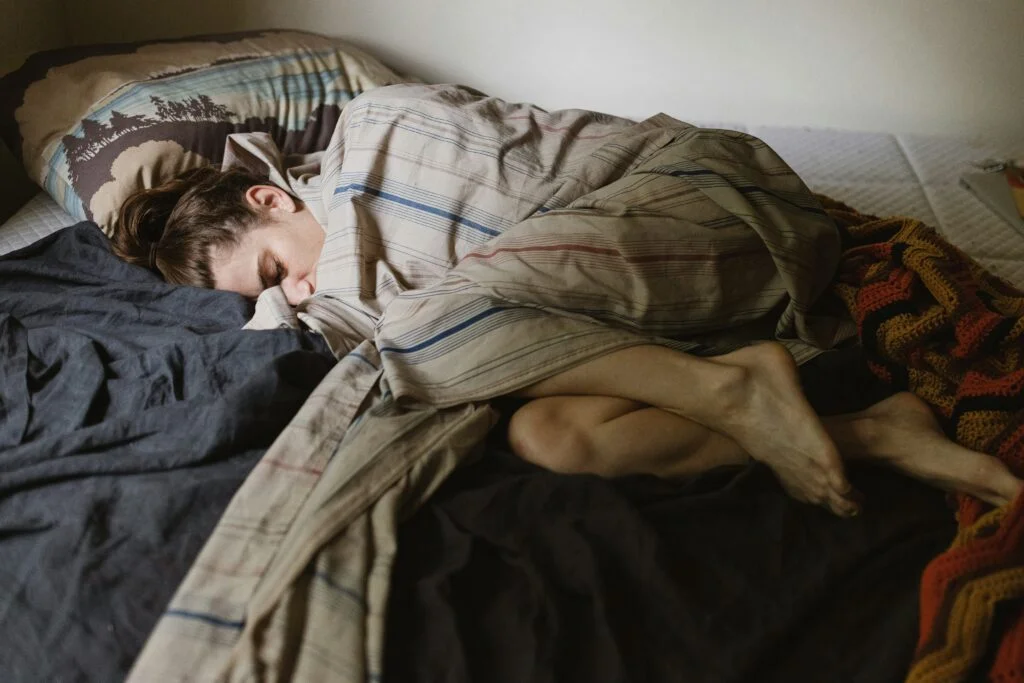
Being jolted awake means waking suddenly, with a start. If it happens just as you drift off, it’s almost always a hypnic jerk, also called a sleep start: a harmless twitch, often with a feeling of falling, that most people get. They’re more likely when you’re overtired, stressed or anxious, or after late caffeine or exercise.
iBelow: what jolting awake means at different times of night, why it can happen every time you drift off, how to stop it, how anxiety fits in and when to see your GP.

Our pick
Magnesium Glycinate Sleep Complex
Magnesium Glycinate Sleep Complex is a berry-flavoured drink powder for your evening wind-down, with 290mg of magnesium per serving from bisglycinate and citrate, plus glycine, L-theanine and chamomile. Magnesium contributes to normal muscle function and to a reduction of tiredness and fatigue. It won’t stop hypnic jerks, but it’s one easy step in a calmer routine. For adults 18+. We don’t recommend our products during pregnancy or breastfeeding, and if you take any medication, check with your GP or pharmacist first.
Add Magnesium Glycinate Sleep Complex to bag See ingredients and reviews
Vegan and made in the UK. Free UK delivery over £40, 14-day returns on unopened items. Subscribe and save 25% on your first order, then 20%.
Subscribe £22.49One-off £29.99
View productWhat does jolted awake mean?
To be jolted awake is to be woken suddenly and sharply, rather than surfacing slowly. “Jolt awake”, “jerk awake” and “startle awake” mean the same. The jolt can come from outside, like a noise, or from your own body. When it happens tells you most about the cause.
| When you jolt awake | Most likely cause | Read more |
|---|---|---|
| Just as you drift off, often with a falling feeling | A hypnic jerk, harmless and very common | Below |
| Nodding off on the sofa, a train or a plane | Usually a hypnic jerk too | Why it happens |
| Later in the night, with fear and a pounding heart that build for minutes | Possibly a night-time panic attack | Anxiety section |
| Gasping or choking, with loud snoring | Possibly sleep apnoea: see a GP | Sleep apnoea |
| Out of a vivid or frightening dream | A nightmare | Nightmares |
| At every small sound, or needing a wee | Light, broken sleep | Light sleeper |
Jolting awake in the middle of the night
A jolt deep in the night is rarely a hypnic jerk, which happens as you fall asleep. The NHS lists stress, noise, a room that’s too hot or cold, and alcohol, caffeine or nicotine among the most common causes of broken sleep. See why you wake up at 3am, middle insomnia and how to stay asleep.
Why do I jolt awake when falling asleep?
In almost every case, that jolt is a hypnic jerk: a brief, involuntary jerk of the whole body or a limb in the moments between being awake and asleep. You might hear it called a sleep start, a sleep twitch or a hypnagogic jerk. People often describe:
- a feeling of falling or missing a step
- a sudden kick or twitch that jolts them up
- a flash of light or a loud bang in their head
- a racing heart and quick breathing afterwards
It is very common. NHS Scotland clinical guidance says at least 80% of people report having had hypnic jerks, and up to 10% have them every night. Sleep experts class them as a benign sleep-wake transition event, which means they happen at the edge of sleep and are not a sign of disease on their own.
A calm, regular evening routine is the most useful thing you can build around them. If magnesium is part of yours, our Magnesium Glycinate Sleep Complex is a berry drink with 290mg of magnesium per serving from bisglycinate and citrate, plus glycine and L-theanine. Magnesium contributes to normal muscle function. To be clear, there’s no good trial evidence that magnesium stops hypnic jerks, so think of it as one part of a wind-down, not a fix. Our best magnesium supplement UK guide explains the forms and doses, and the natural sleep aids guide rates other options people try.
The FSA’s 10mg a day figure for CBD is precautionary advice rather than a legal limit, set while longer-term safety research continues. At Evopure we think it is a very cautious figure, and many adults use more. If you go above it, increase slowly, and check with your GP or pharmacist first if you take any medication.
Why it happens: what your brain is doing
Nobody knows exactly why hypnic jerks happen. They occur in the lightest stage of sleep, as your muscles relax and your brain hands over from waking to sleeping. The most popular theory is that the brain briefly misreads that sudden relaxation as falling and fires a quick “catch yourself” reflex, which is why so many people feel they are tripping or dropping.
In sleep lab recordings, a hypnic jerk shows up as a short burst of muscle activity as light sleep tips back towards waking, and it can come with a brief jump in heart rate. The handover into sleep is less smooth when your nervous system is still revved up, which is why the triggers below all have something in common: they keep you more alert at bedtime.
Why does it feel like falling?
The falling feeling is part of the jerk itself, not a dream you happen to remember. Some people also see a flash or hear a bang. A loud bang with no movement is a separate, also harmless thing called exploding head syndrome.
Jolting awake every time you fall asleep
Up to 10% of people have hypnic jerks every night, according to NHS Scotland guidance. For some, they come in a run: you drift, jolt, settle, drift and jolt again. That pattern usually tracks with how tired, stressed or wired you are, and it feeds itself.
- The jolt wakes your body up. A hypnic jerk comes with a quick burst of faster heart rate and breathing, and sometimes sweating. That’s a normal startle, but it can take a little while to settle.
- Then the worry starts. Lying there braced for the next one keeps you alert, so you spend longer in the light, jolt-prone stage of sleep.
- Short nights make it worse. Being overtired is one of the main triggers, so a few bad nights can make the jolts more frequent.
A published case report describes exactly this loop: jolts with palpitations, tension and a strong fear of not getting back to sleep, until falling asleep itself became hard. If you’re also thinking about CBD as part of your evening routine, our guide to the best CBD for sleep in the UK compares the options.
“Every time I almost fall asleep, I panic”
If the jolt brings a wave of fear, it can feel like a panic attack. The difference is time. A hypnic jerk is over in a moment, and the fright fades as you calm down. The NHS says most panic attacks last between 5 and 20 minutes. If yours build and last for minutes, or happen often, see the anxiety section and talk to your GP.
How to break the cycle
- Expect a jolt or two, and let them pass. Fighting them keeps you awake.
- Only go to bed when you’re sleepy, as the NHS advises, and keep the same wake time every day.
- If it’s gone on for weeks, ask your GP about CBT for insomnia, which the NHS says can help. Sleepio is one digital version.
iIf you’re having many jolts every night, or they carry on once you’re asleep, see the GP section below.
Common triggers of hypnic jerks, and what to try
| Common trigger | Why it may matter | What to try |
|---|---|---|
| Caffeine | A stimulant that keeps your nervous system more alert as you drift off. In a sleep study, 400mg of caffeine taken even 6 hours before bed still disrupted sleep | Last coffee, tea, cola or energy drink by early afternoon. See how long caffeine lasts |
| Stress and anxiety | A tense, busy mind and body make the switch into sleep less smooth | A wind-down hour and a worry list. See anxiety at night |
| Being overtired | NHS guidance notes jerks are more frequent when you’re overtired | Protect your sleep window and avoid long catch-up lie-ins. See sleep deprivation |
| Hard exercise late in the evening | Leaves your body and heart rate revved up at bedtime | Train earlier; keep the last 4 hours before bed to gentle stretching |
| Nicotine | Another stimulant; a 2025 case report described nightly hypnic jerks that stopped after the person gave up snus | Avoid cigarettes, vapes and pouches in the hours before bed |
| Alcohol | It can help you drop off but leaves sleep lighter and more broken, and short, broken sleep is a trigger | Keep drinks earlier and fewer. See alcohol and sleep |
| Some medicines | Case reports and a small case series link hypnic jerks to some SSRI antidepressants, including escitalopram, sertraline and fluoxetine | Never stop or change a medicine yourself. Speak to your GP or pharmacist |
| An irregular sleep schedule | Late nights, lie-ins and shift work all unsettle the handover into sleep | A fixed wake time, even at weekends. See how to fix your sleep schedule |
| An uncomfortable position | NHS guidance also links jerks to sleeping in an uncomfortable position | Check your pillow and mattress, and settle into a position you can relax in |
The NHS advice for better sleep backs up most of this table: avoid caffeine, alcohol and smoking for at least 6 hours before bed, and don’t exercise in the 4 hours before bed.
How to stop hypnic jerks
There’s no switch that turns hypnic jerks off on the spot. What you can do is stop one jolt from wrecking the night, and cut down how often they happen by working on the triggers.
Tonight: what to do straight after you jolt awake
- Name it. Tell yourself “that was a sleep start”. It’s a normal reflex at the edge of sleep, and most people drift straight back off.
- Breathe out slowly. Breathe in through your nose for 4 and out for 6 to 8, for a few minutes. Try 4-7-8 breathing if you like a set count.
- Let your body go heavy. Unclench your jaw, drop your shoulders, and work through each muscle group from your feet up. Here’s how to do progressive muscle relaxation in bed.
- Get comfortable. If you were lying awkwardly, change position before you try again.
- Leave the phone alone. Checking the time or scrolling wakes your brain up further.
- If you’re wide awake and frustrated, get up for a while, do something calm in dim light and go back when you feel sleepy. More ideas in how to fall asleep fast.
Over the next week or two
- Cut caffeine after midday, including tea, cola, energy drinks and pre-workout. See caffeine and anxiety.
- Keep a regular sleep schedule with a fixed wake time, so you’re not going to bed overtired.
- Move hard exercise earlier in the day; gentle stretching in the evening is fine.
- Wind down for an hour: dim lights, screens off, a warm shower. Our 60-minute bedtime routine sets it out step by step.
- Deal with the worries earlier. Write tomorrow’s to-do list before you get into bed, not in it.
- Don’t worry about the jolts. Anxiety about the next one keeps you more alert and makes another more likely.
- Keep a simple sleep diary for 2 weeks: bedtime, caffeine, alcohol, exercise and how many jolts. Patterns usually show up quickly.
Does magnesium help hypnic jerks?
Honestly, we don’t know. There are no good trials of magnesium for hypnic jerks. Magnesium contributes to normal muscle function and to a reduction of tiredness and fatigue, and many people enjoy a magnesium drink as part of their bedtime routine. Most adults can get what they need from food: the NHS gives 300mg a day for men and 270mg a day for women, and says 400mg or less a day from supplements is unlikely to cause harm. For more on types and timing, see magnesium for sleep.
Jolting awake from sleep with anxiety or a racing heart
A hypnic jerk is a small startle. Your heart can thump, your breathing quickens and you feel suddenly, horribly awake. If you already feel anxious at night, a few in a row can turn bedtime into something you dread. The slow breathing in the tonight steps above is the place to start, and our guide to anxiety at night covers the wider picture. If a racing heart bothers you most, read heart palpitations at night.
Is a hypnic jerk to do with your heart?
Not usually. The thump is part of the startle: research describes hypnic jerks as coming with a brief rise in heart rate and breathing. A heart that keeps racing, or comes with chest pain or breathlessness, is different: read heart palpitations and the urgent help line below.
Jolting awake later in the night with fear
Jolting awake from sleep with anxiety is not always a hypnic jerk. If you wake later in the night, not as you drift off, with a wave of fear, a pounding heart, sweating or breathlessness that builds over several minutes, that is more like a night-time panic attack. See how to stop a panic attack, and talk to your GP if it keeps happening.
Get urgent help: the NHS says call 999 or go to A&E if you have palpitations that don’t go away, or palpitations with chest pain, shortness of breath or feeling faint.
Hypnic jerks or something else?
Most jolts as you fall asleep are hypnic jerks. These are the things people most often mix them up with.
| What it might be | When it happens | What it feels like | What to do |
|---|---|---|---|
| Hypnic jerks | As you drift off | One or a few jolts, often a falling feeling, then you sleep | Harmless; work on the triggers above |
| Restless legs syndrome | Evening and night, while resting and before you sleep | A strong urge to move your legs, with tingling, throbbing or itching, eased by moving | GP if it’s stopping you sleep. See restless legs |
| Periodic limb movements | Through the night, once you’re asleep | Repeated, regular leg kicks, usually noticed by a partner rather than you | GP; may need a sleep study |
| Sleep apnoea | During sleep | Loud snoring, breathing that stops and starts, gasping, snorting or choking noises, very tired in the day | GP. See sleep apnoea |
| Night-time seizures | Any time, and often in the day too | Jerking or stiffening, losing awareness, peeing unintentionally; myoclonic seizures are brief muscle jerks | Urgent GP appointment or NHS 111 |
| Night cramps | Any time in the night | Painful tightening of the calf or foot that wakes you | See leg cramps at night |
| Exploding head syndrome | Falling asleep or waking | A loud bang or flash with no pain and no movement | Harmless. See exploding head syndrome |
| Sleep paralysis | Falling asleep or waking | Awake but briefly unable to move, sometimes with a sense of a presence | See sleep paralysis |
Jolting awake gasping for air
A single gasp along with a hypnic jerk is common: it’s part of the startle. Waking repeatedly through the night gasping or choking, especially with loud snoring or someone noticing your breathing stop, is different. The NHS lists those as main symptoms of sleep apnoea, and says to see a GP.
Twitching during the day?
Small twitches you notice while you’re awake, in an eyelid, calf or thumb, are usually a different, also common thing. See muscle twitching: causes and when to worry and eye twitching.
When to see your GP
iTypical hypnic jerks don’t need tests or treatment. NHS Scotland guidance suggests further assessment if someone has lots of jerks during normal wakefulness, or if the jerks keep happening through the night. See your GP if:
- jerks happen many times a night and stop you sleeping, or are affecting your mood
- you have jerks during the day or while fully awake
- they come with confusion, injury, tongue biting, wetting the bed or loss of awareness
- they started after a new medicine (don’t stop it yourself)
- a partner sees repeated leg kicks, or your breathing stopping, once you’re asleep
iCall 999 if you think someone is having a seizure and it’s the first time, or it lasts longer than 5 minutes. For other suspected seizures, ask for an urgent GP appointment or contact NHS 111.
It helps to bring a 2-week sleep diary to your appointment, and to ask a partner what they notice. If you wake unable to move, see sleep paralysis. If your problem is waking in the small hours rather than jolting as you drop off, see why you wake up at 3am.
Related guides
- What causes sleepwalking
- Why do I talk in my sleep?
- Night terrors: what they are and what to do
- What lucid dreaming is and how to do it
- Sleep cycles and how many you need
- Tired but wired at bedtime
- Magnesium spray for sleep: does it work?
- What helps restless legs at night
- If you’re thinking about CBD as part of an evening routine, our guide to the best CBD oil for sleep explains what to check and what the research shows.
Next step
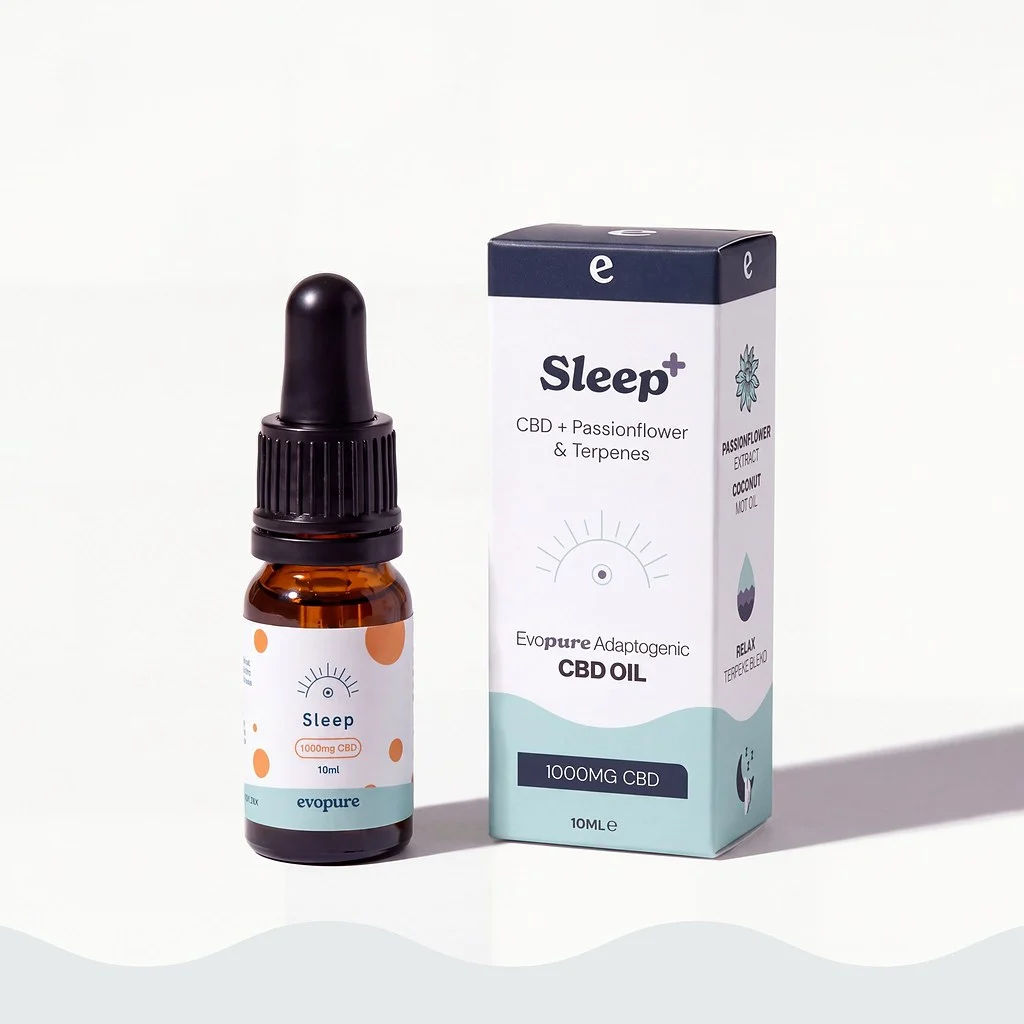
Sleep CBD Oil With Passion Flower
If you’re building the regular wind-down routine above and would like an evening oil in it, Sleep CBD Oil is broad spectrum CBD with passionflower: 10mg of CBD is about 0.2ml of the 500mg (10ml), and half a pipette has 70mg passionflower extract. 0% THC and third-party lab tested.
Add Sleep CBD Oil 500mg to bag or choose another strength
Subscribe and save 25% on your first order, then 20%. New to Evopure? Join our emails for 20% off a one-off first order. Free UK delivery over £40. The FSA advises up to 10mg CBD a day: about 0.2ml of the 500mg oil. If you take any regular medicines, check with your GP or pharmacist first. We don’t recommend our products during pregnancy or breastfeeding.
Subscribe from £22.49One-off from £29.99
View productSources 17
- NHS Borders, Right Decisions (2025). Hypnic jerk.
- Cuellar NG et al (2015). Hypnic jerks: a scoping literature review. Sleep Medicine Clinics.
- Calandra-Buonaura G et al (2014). Hypnic jerks: neurophysiological characterization of a new motor pattern. Sleep Medicine.
- Walters AS (2007). Clinical identification of the simple sleep-related movement disorders. Chest.
- Drake C et al (2013). Caffeine effects on sleep taken 0, 3, or 6 hours before going to bed. Journal of Clinical Sleep Medicine.
- Houter E et al (2025). Sleep, shocks and SNUS: a case report on nicotine-induced hypnic jerks. Journal of Sleep Research.
- Alghamdi SA (2023). Hypnic jerks, major depressive disorder, and antidepressant use: a possible relationship. Cureus.
- Kumar R et al (2023). SSRI induced hypnic jerks: a case series. Indian Journal of Psychiatry.
- Sathe H et al (2015). Hypnic jerks possibly induced by escitalopram. Journal of Neurosciences in Rural Practice.
- NHS. Insomnia.
- NHS. Panic disorder.
- NHS. Restless legs syndrome.
- NHS. Sleep apnoea.
- NHS. Epilepsy.
- NHS. Heart palpitations.
- NHS. Vitamins and minerals: magnesium.
- NHS. Sleep and tiredness.
This guide is general information, not medical advice. Evopure makes the Magnesium Glycinate Sleep Complex.