







Last updated: October 2026
To sleep well on shifts, protect a consistent main sleep, make your bedroom completely dark and quiet, nap before a night shift, use bright light at the start of your shift and wear sunglasses on the way home. Keep caffeine to the first half of the shift. If you’re struggling to stay awake, talk to your GP.
Below: why shift work disrupts sleep, how to sleep during the day, a night shift plan, eating and caffeine on shifts, rotating shifts, and when it’s shift work sleep disorder.
Why shift work disrupts sleep
Your body clock is set by daylight to make you alert in the day and sleepy at night. Working nights asks you to be awake when your body expects sleep, and to sleep when it’s light, noisy and your body clock is pushing you to wake. Most night workers never fully adjust, especially if they switch back to a daytime pattern on days off. The result is often short, broken daytime sleep and sleepiness at work. The HSE recognises fatigue from shift work as a workplace safety risk.
How to sleep during the day
- Make it dark: blackout blinds or curtains, plus an eye mask.
- Make it quiet: earplugs or a fan; phone on do not disturb; a “sleeping” sign on the door.
- Keep it cool: bedrooms heat up in the day, so use a fan and light bedding.
- Go to bed soon after getting home, before the day gets going.
- Wear sunglasses on the way home to cut morning light, which signals “wake up” to your brain.
- Keep a short wind-down: a shower, a light snack, no screens.
- Tell your household your sleep hours so they can protect them.
See sleep hygiene and how to fall asleep fast.
A night shift sleep plan
| When | What to do |
|---|---|
| Before your first night | Sleep in a little, then take a 90-minute nap in the afternoon |
| Start of shift | Bright light: well-lit work areas help alertness |
| During the shift | A 10 to 20 minute nap on your break if allowed; light snacks; keep moving |
| Second half of shift | No more caffeine |
| Going home | Sunglasses; don’t drive if you’re struggling to stay awake |
| Main sleep | Straight after getting home, in a dark, quiet room, aiming for 7 hours |
| After your last night | A short sleep in the morning, then get up and outside to reset for days |
A review of 22 studies on nurses found napping on night shifts can improve wellbeing and alertness, though more research is needed. A meta-analysis of bright light for nurses on shifts found possible benefits for sleepiness, but the evidence was mixed. See power nap.
Caffeine and food on shifts
- Caffeine: use it at the start of a shift, not in the last 4 to 6 hours before you plan to sleep. See caffeine and anxiety.
- Eat your main meal before the shift, and stick to lighter snacks overnight; heavy meals at 3am can leave you sluggish and unsettled.
- Drink water through the shift.
- Avoid alcohol to help you sleep after a shift. It breaks up daytime sleep even more.
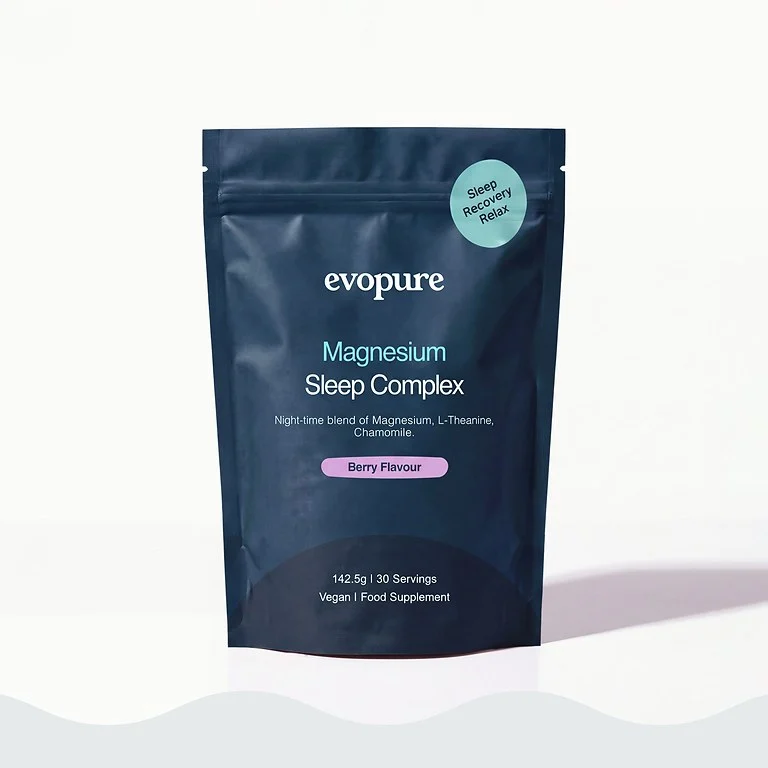
Some shift workers use a warm drink as a cue to wind down after a shift. Magnesium contributes to the reduction of tiredness and fatigue.
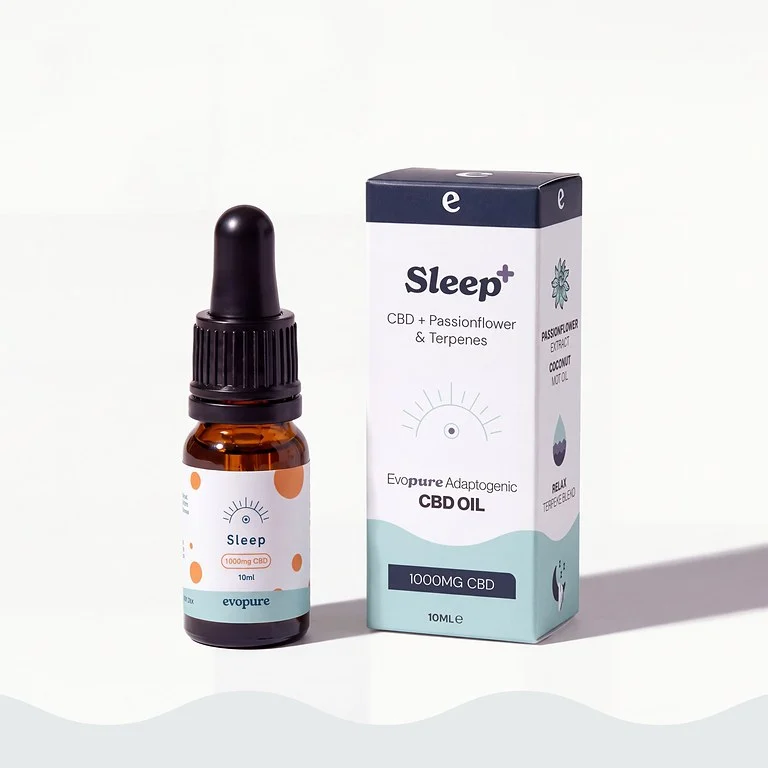
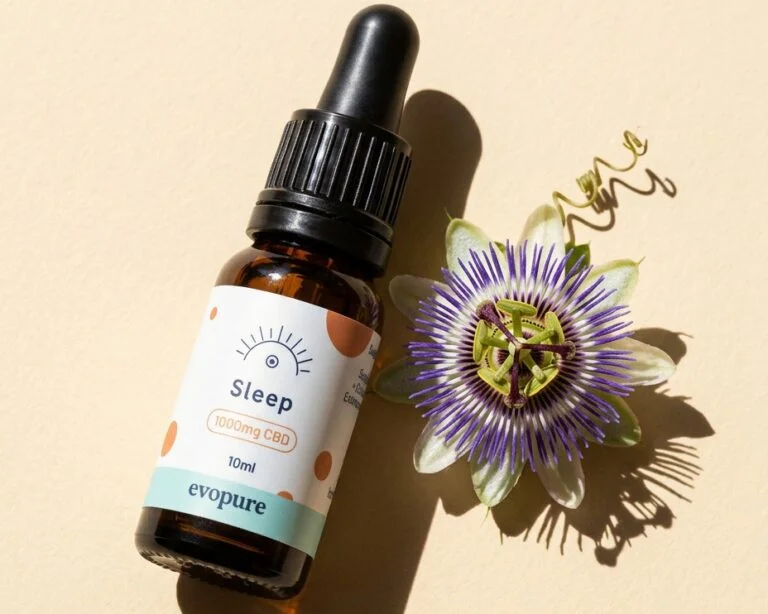
The FSA’s 10mg a day figure for CBD is precautionary advice rather than a legal limit, set while longer-term safety research continues. At Evopure we think it is a very cautious figure, and many adults use more. If you go above it, increase slowly, and check with your GP or pharmacist first if you take any medication.
Rotating and early shifts
- Forward rotation (days, then evenings, then nights) is easier on your body clock than backward rotation. It’s worth raising with your employer.
- Early starts: go to bed earlier the night before, and get bright light as soon as you wake.
- Days off: try not to swing fully back to a daytime schedule if you’re back on nights soon. A compromise sleep time can help.
Shift work sleep disorder and getting help
If you have ongoing insomnia or excessive sleepiness linked to your work schedule, this can be shift work sleep disorder. See your GP if:
- you’re struggling to stay awake at work or when driving
- you can’t sleep even when you have the chance
- you feel low, anxious or exhausted much of the time
Talk to your employer or occupational health too: they have a duty to manage the risks of fatigue. If you’re sleepy at the wheel, stop somewhere safe. See also why am I always tired? and burnout symptoms.
Related guides
- See sleep calculator to plan your sleep around a shift.
- Resetting your body clock.
- See eating before bed for late meals.
- Sleep deprivation: symptoms and recovery.
- How to get over jet lag.
- White noise for sleeping in the day.
- Circadian rhythm explained.
- Bedtime routines, including one for after a late shift.
- How to recover from sleep debt.
- For tips on fit, fabric and hygiene, see our guide to choosing a sleep mask.
- For daytime noise, see which earplugs are best for sleeping and how to fit them.
- On very early starts, a sunrise alarm gives a gradual light cue instead of waking you in total darkness.
- For body-clock problems, see melatonin in the UK: who can get it and how.
- Irregular hours from shift work are one of the NHS-listed links with sleep paralysis.
- Working nights when the clocks go back on 25 October 2026? The shift runs an hour longer by the clock, so check how your employer handles it.
FAQs
How do night shift workers sleep during the day?
Make the bedroom completely dark, quiet and cool, go to bed soon after getting home, and wear sunglasses on the way home.
How many hours should a night shift worker sleep?
Aim for about 7 hours, either in one block or a main sleep plus a nap before your shift.
Should I nap before a night shift?
Yes. A nap in the afternoon before your first night helps, and a 10 to 20 minute nap on a break can improve alertness.
When should shift workers stop drinking caffeine?
Avoid it in the last 4 to 6 hours before you plan to sleep, so use it early in the shift.
What is shift work sleep disorder?
Ongoing insomnia or excessive sleepiness caused by working outside normal hours. See your GP if it affects your work, driving or mood.
Sources
- Health and Safety Executive. Human factors: fatigue.
- Li H et al (2019). Napping on night-shifts among nursing staff: a mixed-methods systematic review. Journal of Advanced Nursing.
- Aemmi SZ et al (2020). The effectiveness of bright light exposure in shift-worker nurses: a systematic review and meta-analysis. Sleep Science.
- NHS. Insomnia.
This guide is general information, not medical advice. Evopure makes the Magnesium Glycinate Sleep Complex and Sleep CBD Oil.