Last updated: 11 November 2026
Over-the-counter sleeping tablets (sleep aid tablets) in the UK are either drowsy antihistamines, such as diphenhydramine (Nytol One-A-Night) or promethazine (Sominex), or registered herbal remedies such as valerian. The NHS says they can’t cure insomnia, may help for 1 to 2 weeks and shouldn’t be taken for longer. Stronger sleeping tablets, like zopiclone, need a prescription.
Ask a pharmacist before you buy one, especially if you take other medicines, are over 65 or are pregnant. Product facts were checked on the NHS website, the leaflets on the electronic medicines compendium, the MHRA’s list of registered herbal medicines and the brands’ own websites in November 2026. We don’t compare prices or rate brands.
What sleeping tablets can you buy over the counter in the UK?
UK pharmacies sell two types of sleeping tablet without a prescription: sedating antihistamines (diphenhydramine and promethazine) and herbal medicines registered under the MHRA’s traditional herbal registration (THR) scheme, usually valerian, sometimes with hops and passionflower. All are for short-term sleep problems only. Prescription sleeping pills aren’t sold over the counter.
| Product (active) | Licensed use | How long (pack or NHS) | Key cautions |
|---|---|---|---|
| Nytol One-A-Night (diphenhydramine 50mg) | Temporary sleeplessness, age 16+ (NHS) | See a pharmacist or GP if it goes on for more than 2 weeks | Next-day drowsiness, no alcohol, glaucoma, peeing problems |
| Sominex (promethazine 20mg) | Night-time sleep aid for temporary sleep disturbance, 16+ | No more than 7 days (leaflet) | Next-morning drowsiness, sun sensitivity, heart rhythm, MAOIs |
| Nytol Herbal Simply Sleep One-A-Night or Kalms Night One-A-Night (valerian extract 385mg) | THR: temporary relief of sleep disturbances, traditional use only | Follow the pack; NHS: pharmacy sleep aids 1 to 2 weeks | Pregnancy, other medicines |
| Nytol Herbal Tablets (hops, valerian, passionflower) | THR: temporary relief of sleep disturbances, traditional use only | Follow the pack; NHS: pharmacy sleep aids 1 to 2 weeks | Pregnancy, other medicines |
| Piriton Allergy Tablets (chlorphenamine 4mg) | Hay fever and allergies; not licensed as a sleep aid | Not for more than 14 days without a doctor | Very common drowsiness, other sleep medicines |
Sources: NHS diphenhydramine page, the Sominex leaflet (revised January 2026), the MHRA THR list (29 October 2026), the Piriton Allergy Tablets leaflet (revised February 2024) and nytol.co.uk, all checked November 2026. Shops’ own-brand versions, such as Boots Sleepeaze, use the same active ingredients.
Our pick for an evening routine
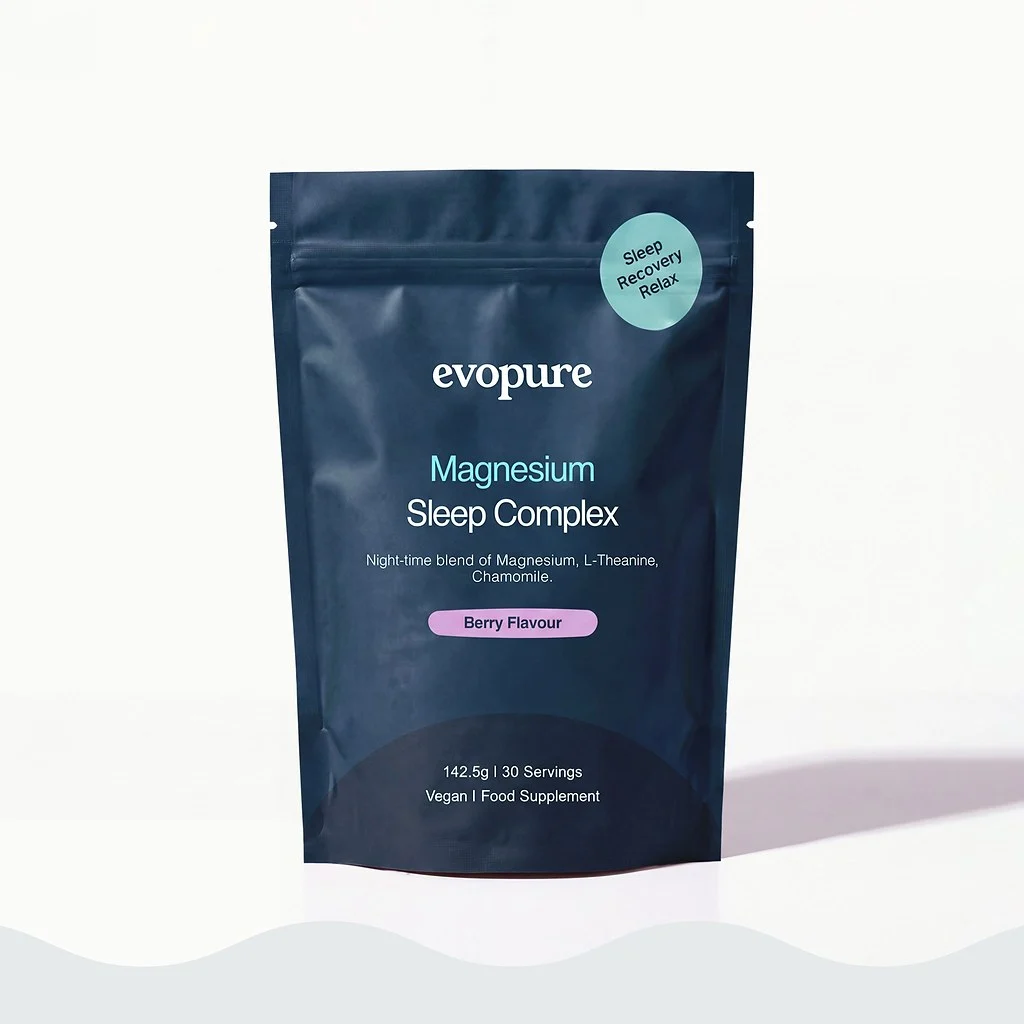
Magnesium Glycinate Sleep Complex
if you’d like a caffeine-free drink as part of your evening routine, the Magnesium Glycinate Sleep Complex is a berry drink powder with 290mg of magnesium (77% NRV) per 4.75g serving, from bisglycinate and citrate, plus glycine and L-theanine. Magnesium contributes to a reduction of tiredness and fatigue. It isn’t a medicine.
Add Magnesium Glycinate Sleep Complex to bag See ingredients and reviews
Vegan and made in the UK. Subscribe and save 25% on your first order, then 20%. New to Evopure? Join our emails for 20% off a one-off first order. Free UK delivery over £45. If you take any regular medicines, check with your GP or pharmacist first.
Subscribe £22.49One-off £29.99
View productAntihistamine sleeping tablets: Nytol and Sominex
The strongest sleep aids you can buy without a prescription are the drowsy antihistamines. The NHS says diphenhydramine blocks histamine in the brain and enters the brain in large amounts, which is why it makes you sleepy. It also blocks a chemical called acetylcholine, which causes side effects such as a dry mouth.
Nytol One-A-Night (diphenhydramine)
Nytol One-A-Night is one 50mg diphenhydramine tablet taken 20 minutes before bed, according to nytol.co.uk (checked November 2026). Nytol Original also contains diphenhydramine. The NHS says diphenhydramine starts to make you drowsy around 20 to 30 minutes after you take it, and is only suitable for sleep problems in people aged 16 and over.
The NHS says you can become dependent on diphenhydramine tablets or liquid if you take them for too long without a break, and they may stop working as well. Speak to your doctor if you need it for more than 2 weeks. Nytol’s own FAQ says visit your pharmacist or GP if symptoms persist continuously for more than two weeks.
Sominex (promethazine)
Sominex contains 20mg of promethazine, a sedating antihistamine. Its leaflet says it’s a night-time sleep aid for temporary disturbances of sleep pattern, for adults and children over 16, taken as one tablet at bedtime. The leaflet says don’t take it for longer than 7 days, and talk to your doctor if natural sleep doesn’t return within 7 days.
The Sominex leaflet also warns it can make your skin more sensitive to sunlight, can affect some pregnancy and skin allergy tests, and needs care if you have heart problems or an irregular heartbeat. Promethazine is sold as Phenergan for allergies and travel sickness too, so check you aren’t taking it twice.
Herbal sleep aids: what THR means
A herbal sleep aid sold as a medicine in the UK carries a THR number and mark. The MHRA grants a traditional herbal registration only for minor conditions, based on quality, safety and evidence that the herb has been used for that purpose for at least 30 years. It doesn’t require trials proving the medicine works.
On the MHRA’s THR list (updated 2 November 2026), sleep products include:
- Nytol Herbal Simply Sleep One-A-Night and Kalms Night One-A-Night (THR 01074/0002): 385mg of valerian root extract per tablet.
- Kalms Night (THR 01074/0229): 96mg of valerian root extract per tablet.
- Nytol Herbal Tablets, also sold as Sominex Herbal, Boots Sleepeaze Herbal and several supermarket sleep aids (THR 20894/0073): extracts of hops 34mg, valerian 30.8mg and passionflower 18.2mg per tablet.
The registered wording, which belongs to these medicines, is: “Traditional herbal medicinal products for use in the temporary relief of sleep disturbances exclusively based upon long-standing use as traditional remedies” (nytol.co.uk, checked November 2026). Trial evidence for valerian is mixed; see our valerian root guide and passionflower for sleep.
iHerbal doesn’t mean risk free. Read the leaflet, check with a pharmacist if you take other medicines, and don’t combine a herbal sleep aid with an antihistamine one.
Can you take Piriton to help you sleep?
Piriton isn’t licensed as a sleep aid. Piriton Allergy Tablets contain 4mg of chlorphenamine, and the leaflet says they treat hay fever and other allergy symptoms. Drowsiness and sedation are very common side effects, affecting more than 1 in 10 people, which is why some people take it at night. That drowsiness is a side effect, not its licensed use.
The Piriton leaflet says talk to your doctor or pharmacist first if you take medicines for anxiety or to help you sleep, and don’t take it with other antihistamines, including cold and cough products. The NHS says don’t take another drowsy antihistamine, such as chlorphenamine (Piriton) or promethazine, together with diphenhydramine: it will make you very tired and sleepy.
iIf itching from hives or eczema keeps you awake, the NHS says a doctor may suggest a drowsy antihistamine at night alongside a non-drowsy one in the day. Ask a pharmacist or GP rather than doubling up yourself. For night-time allergy symptoms, see dust mite allergy.
Can you take Night Nurse as a sleep aid?
Night Nurse isn’t a sleep aid. Its leaflet says it’s for the night-time relief of cold, chills and flu symptoms, and each 20ml dose contains 1,000mg paracetamol, 20mg promethazine and 15mg dextromethorphan. Taking it just to sleep means taking paracetamol and a cough medicine you don’t need. The leaflet says don’t take it for more than 3 days.
The leaflet also says take only one dose a night, don’t take anything else containing paracetamol within 4 hours, don’t take it if you’ve already had 4 doses (4,000mg) of paracetamol in 24 hours, and don’t take it with other antihistamines or cough and cold medicines. It contains alcohol (up to 2.9g per dose), and you mustn’t drink alcohol with it. It isn’t for under 16s, or older people with confusion. Too much paracetamol can seriously harm your liver. See cold and flu tablets.
Next-day drowsiness and driving
The NHS says diphenhydramine drowsiness usually wears off around 8 hours after a dose. Don’t drive, ride a bike or use tools or machinery while you still feel sleepy, dizzy or unable to concentrate. The Sominex leaflet says you may feel drowsy, dizzy or have blurred vision the morning after, so don’t drive until you know how it affects you.
GOV.UK says it’s illegal in England, Scotland and Wales to drive with legal drugs in your body if they impair your driving, and that includes over-the-counter medicines. If you’re not sure, talk to your pharmacist or doctor before you drive. See also how to stay awake when tired.
Alcohol and mixing medicines
Don’t drink alcohol with an antihistamine sleeping tablet. The NHS says alcohol and diphenhydramine together can make you sleep very deeply, so you can’t breathe properly and may have difficulty waking up. The Sominex and Piriton leaflets also say avoid alcohol. See alcohol and sleep.
- Check night-time cold and flu products. Several contain diphenhydramine or promethazine. Don’t take them with a sleeping tablet. See cold and flu tablets.
- Don’t add one to a prescription sleeping pill. The NHS lists drowsy antihistamines such as chlorphenamine and promethazine among the medicines that may not mix well with zopiclone.
- Tell the pharmacist about everything else you take, including antidepressants (Sominex must not be taken within 2 weeks of an MAOI), opioid painkillers, anxiety medicines and heart rhythm medicines.
- Avoid caffeine. The NHS says caffeine has the opposite effect to diphenhydramine and can stop it working.
Are sleeping tablets safe for over 65s?
Over 65s should be extra careful with antihistamine sleeping tablets. The NHS says you may be more likely to get diphenhydramine side effects if you’re over 65, and it may not suit older people who have confusion. The Sominex leaflet lists confusion, especially in elderly people. Dizziness and next-day drowsiness also raise the risk of falls.
Both medicines have anticholinergic effects (they block acetylcholine). The American Geriatrics Society’s 2023 Beers Criteria advise avoiding first-generation antihistamines in older adults because of confusion, dry mouth, constipation and other effects. A US study of 3,434 people aged 65 and over found that higher long-term use of strong anticholinergic medicines, most often tricyclic antidepressants, first-generation antihistamines and bladder medicines, was linked to a higher risk of dementia. It was observational, so it can’t prove cause.
iIf you’re over 65 and sleeping badly, ask your pharmacist or GP for advice before buying a sleep aid, and see sleep as you get older and sleep and dementia.
Who should not take over-the-counter sleeping tablets?
iCheck with a pharmacist or doctor first, and don’t take an antihistamine sleep aid without advice, if you:
- are under 16 (the NHS says don’t give diphenhydramine to children to help them sleep)
- are pregnant or breastfeeding (the Sominex leaflet says don’t take it while breastfeeding)
- have primary angle closure glaucoma, problems peeing or an enlarged prostate
- have asthma, COPD or another lung problem, epilepsy, or liver or kidney problems
- have heart problems or an irregular heartbeat (Sominex)
- take an MAOI antidepressant, or have in the last 2 weeks
- have myasthenia gravis, or are older and have confusion (diphenhydramine)
Herbal sleep aids have their own leaflet warnings. The THR list says always read the patient leaflet to make sure the product is suitable for you.
Can you buy zopiclone or melatonin over the counter?
No. Zopiclone is a prescription-only Z-drug, and the NHS says GPs now rarely prescribe sleeping pills, and only for a few days or weeks at most. Melatonin is also prescription-only in the UK; see melatonin in the UK. Only get them on a prescription.
iFor long-term insomnia, a GP may offer cognitive behavioural therapy (CBT), face to face or through an online programme such as Sleepio. See our insomnia guide.
Ask a pharmacist first and when to see a GP
iThe NHS says check with your doctor before taking anything for your sleep problems. A pharmacist can tell you whether a sleep aid suits you if you tell them:
- every medicine, herbal remedy and supplement you take, including cold and allergy products
- any health conditions, especially glaucoma, prostate, breathing, liver, kidney or heart problems
- whether you’re pregnant, breastfeeding or over 65
- how long you’ve been sleeping badly, and whether you drive for work
See a GP if changing your sleep habits hasn’t helped, you’ve had trouble sleeping for months, or it’s affecting your daily life so that it’s hard to cope (NHS). Snoring with pauses in breathing can be sleep apnoea, which needs a GP; zopiclone, for example, isn’t suitable for people with sleep apnoea. For ideas to try first, see why can’t I sleep? and how to fall asleep fast.
Evopure in an evening routine
If you’d rather not take a medicine, some people add a bedtime routine product. None of these is a medicine or a sleep aid, and none makes a sleep claim. Evopure doesn’t sell sleeping tablets.
- Magnesium Glycinate Sleep Complex: a berry drink powder with 290mg of magnesium (77% NRV) per 4.75g serving, from bisglycinate and citrate, plus 500mg glycine and 100mg L-theanine. Magnesium contributes to a reduction of tiredness and fatigue and to normal psychological function.
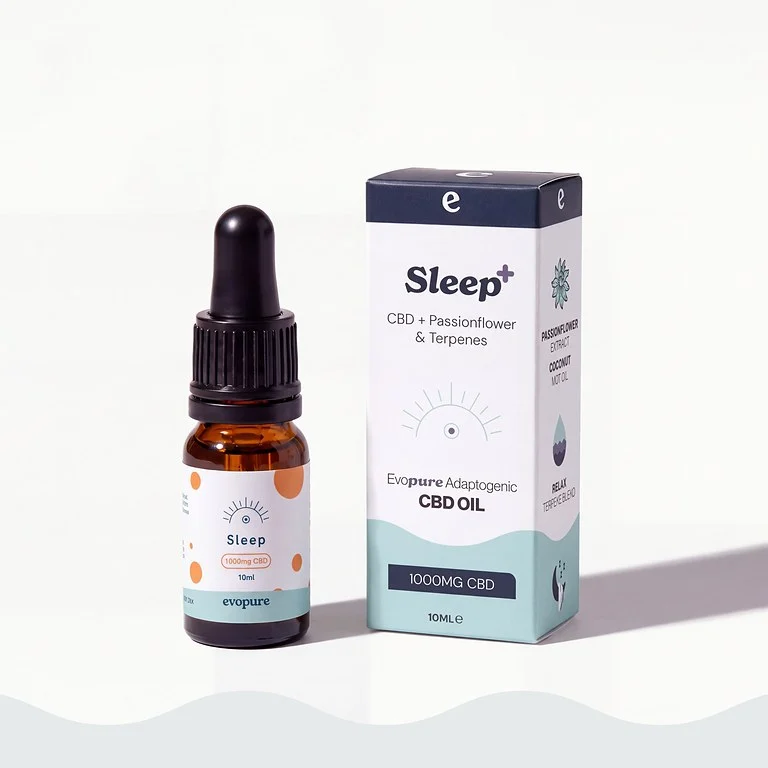
- Sleep CBD Oil, for adults who already use CBD: broad spectrum CBD with 70mg of passionflower extract per half pipette and a terpene blend, 0% THC on the lab reports. The FSA advises healthy adults to take no more than 10mg of CBD a day, and 10mg of CBD is about 0.2ml of the 500mg oil. Adults only. Don’t combine it with sleeping tablets or antihistamines without asking a pharmacist, and check with your GP or pharmacist if you take any medication.
- Reishi Mushroom Adaptogenic Complex: a cocoa drink with 0.5g reishi and 0.5g maca per 8g serving. Cocoa contains a little natural caffeine, so have it earlier in the evening. Its pack says it isn’t for people on medication, including pharmacy sleep aids, or during pregnancy or breastfeeding.
Next step
for a caffeine-free drink in your evening routine, the Magnesium Glycinate Sleep Complex gives 290mg of magnesium (77% NRV) per 4.75g berry drink; magnesium contributes to a reduction of tiredness and fatigue.
Add Magnesium Glycinate Sleep Complex to bag See ingredients and reviews
Already use CBD? Don’t combine it with sleeping tablets or antihistamines without asking a pharmacist. Add Sleep CBD Oil 500mg to bag or choose another strength
Subscribe and save 25% on your first order, then 20%. New to Evopure? Join our emails for 20% off a one-off first order. Free UK delivery over £45. The FSA advises healthy adults to take no more than 10mg of CBD a day: about 0.2ml of the 500mg (0.1ml of the 1,000mg) gives 10mg. Adults only. If you take any regular medicines, check with your GP or pharmacist first. We don’t recommend our products during pregnancy or breastfeeding.
Sources 13
- NHS. Insomnia (how a pharmacist can help).
- NHS. Diphenhydramine (reviewed 13 May 2025).
- NHS. Promethazine (Phenergan) (reviewed 21 May 2025).
- Dexcel Pharma. Sominex patient information leaflet, electronic medicines compendium (revised January 2026).
- Omega Pharma. Night Nurse patient information leaflet, electronic medicines compendium (revised March 2025).
- Haleon. Piriton Allergy Tablets patient information leaflet, electronic medicines compendium (revised February 2024).
- MHRA (GOV.UK). Herbal medicines granted a traditional herbal registration (THR) (updated 2 November 2026).
- MHRA (GOV.UK). Apply for a traditional herbal registration (THR).
- Nytol. FAQs and product pages (checked November 2026).
- GOV.UK. Drugs and driving: the law.
- American Geriatrics Society Beers Criteria Update Expert Panel. 2023 updated AGS Beers Criteria for potentially inappropriate medication use in older adults. J Am Geriatr Soc, 2023.
- Gray SL, et al. Cumulative use of strong anticholinergics and incident dementia: a prospective cohort study. JAMA Intern Med, 2015.
- FSA (GOV.UK). Cannabidiol (CBD) guidance.
iThis guide is general information, not medical advice. Always read the leaflet and ask a pharmacist. Evopure doesn’t make or sell sleeping tablets, antihistamines or herbal medicines, and isn’t connected with any brand named here.