







Last updated: October 2026
Insomnia means regularly finding it hard to fall asleep, stay asleep or wake refreshed. It’s long-term if it lasts 3 months or more. The NHS says it usually improves by changing sleep habits, and the most effective treatment for long-term insomnia is CBT for insomnia (CBT-I). GPs now rarely prescribe sleeping pills, and only for a few days or weeks.
Below: insomnia symptoms, the common causes, how to treat it yourself, CBT-I, when to see a GP, and where supplements fit.
Insomnia symptoms
According to the NHS, you have insomnia if you regularly:
- find it hard to go to sleep
- wake up several times during the night
- lie awake at night
- wake up early and can’t go back to sleep
- still feel tired after waking up
- find it hard to nap during the day even though you’re tired
- feel tired and irritable, and find it hard to concentrate, during the day
| Type | How long |
|---|---|
| Short-term insomnia | Less than 3 months, often after stress, illness or a change in routine |
| Long-term (chronic) insomnia | 3 months or longer |
Adults need 7 to 9 hours on average. See why am I always tired?
What causes insomnia?
| Common causes (NHS) | Other conditions linked to insomnia |
|---|---|
| Stress, anxiety or depression. See anxiety at night | Menopause. See perimenopause and sleep |
| Noise, a room that’s too hot or cold, an uncomfortable bed | Restless legs syndrome |
| Alcohol, caffeine or nicotine | An overactive thyroid |
| Jet lag and shift work. See shift work and sleep | Long-term pain |
| Some medicines | Sleep apnoea, narcolepsy, nightmares |
How to treat insomnia yourself
The NHS advises:
| Do | Don’t |
|---|---|
| Only go to bed when you’re sleepy | Smoke or drink alcohol, tea or coffee within 6 hours of bed |
| Get up at the same time every day | Eat a big meal late at night |
| Relax for at least an hour before bed | Exercise within 4 hours of bed |
| Keep your bedroom dark and quiet | Use screens right before bed |
| Exercise regularly during the day | Nap during the day |
| Make sure your bed is comfortable | Sleep in after a bad night |
For more, see sleep hygiene and how to fall asleep fast.
CBT for insomnia: the most effective treatment
CBT for insomnia (CBT-I) is a short, structured programme that changes the habits and thoughts that keep you awake. It includes a fixed wake time, only going to bed when sleepy, getting up if you can’t sleep, and tackling worry about sleep. A 2015 meta-analysis in the Annals of Internal Medicine concluded that CBT-I is an effective treatment for chronic insomnia, with clinically meaningful results. In a trial in women with menopause-related insomnia, 70% no longer had insomnia after 8 weeks.
Your GP can refer you, and online CBT-I programmes are available, sometimes free on the NHS.
When to see a GP
The NHS advises seeing a GP if changing your sleep habits hasn’t helped, you’ve had trouble sleeping for months, or insomnia is affecting your daily life in a way that makes it hard to cope. Your GP will look for a cause, may offer CBT, and may refer you to a sleep clinic if you have signs of another sleep disorder such as sleep apnoea. Sleeping pills are now rarely prescribed, and then only for a few days or weeks, because of side effects and the risk of dependence. Melatonin is prescription-only in the UK. See melatonin in the UK.
Do supplements help insomnia?
No supplement is a treatment for insomnia, but some people use one alongside better sleep habits as part of a calming routine:
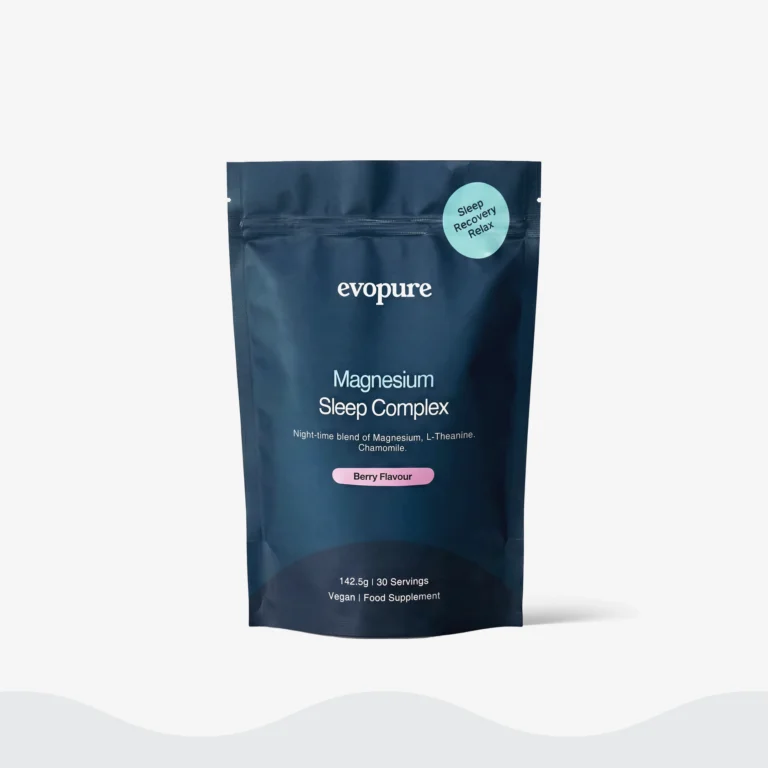
- Magnesium: a 2025 trial found a small improvement in sleep with magnesium bisglycinate in adults who slept poorly. Magnesium contributes to normal psychological function and the reduction of tiredness and fatigue. See magnesium for sleep.
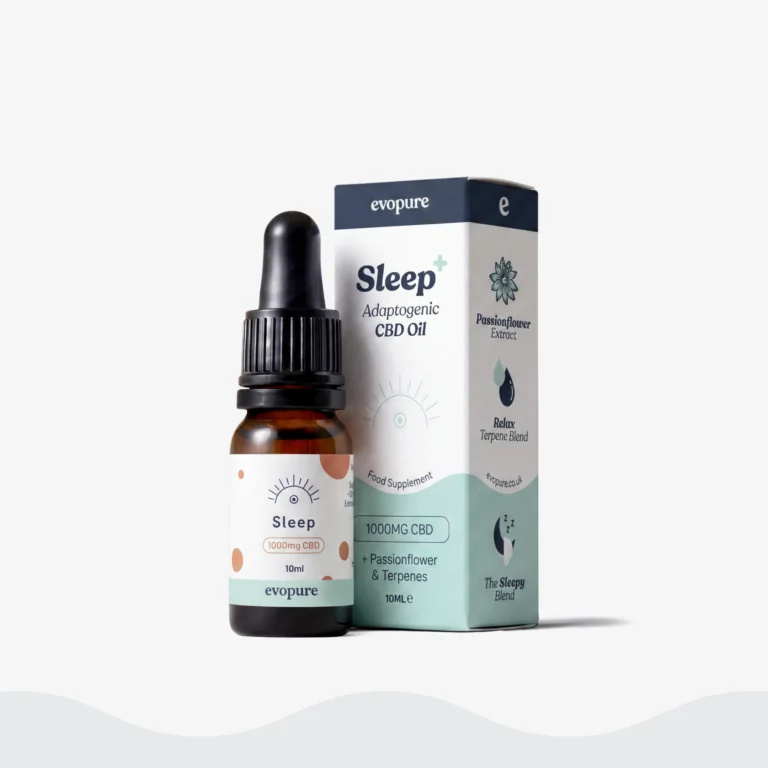
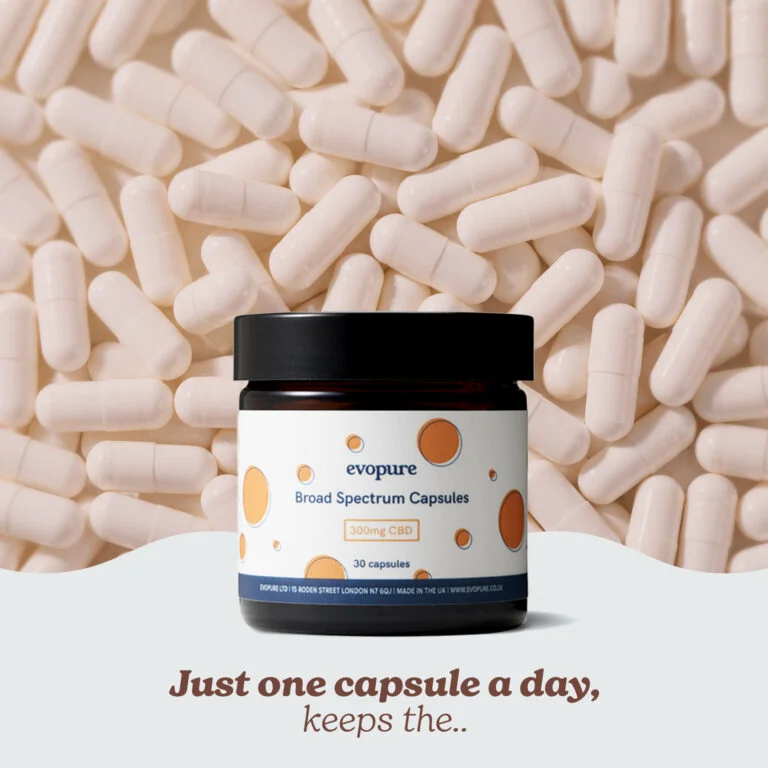
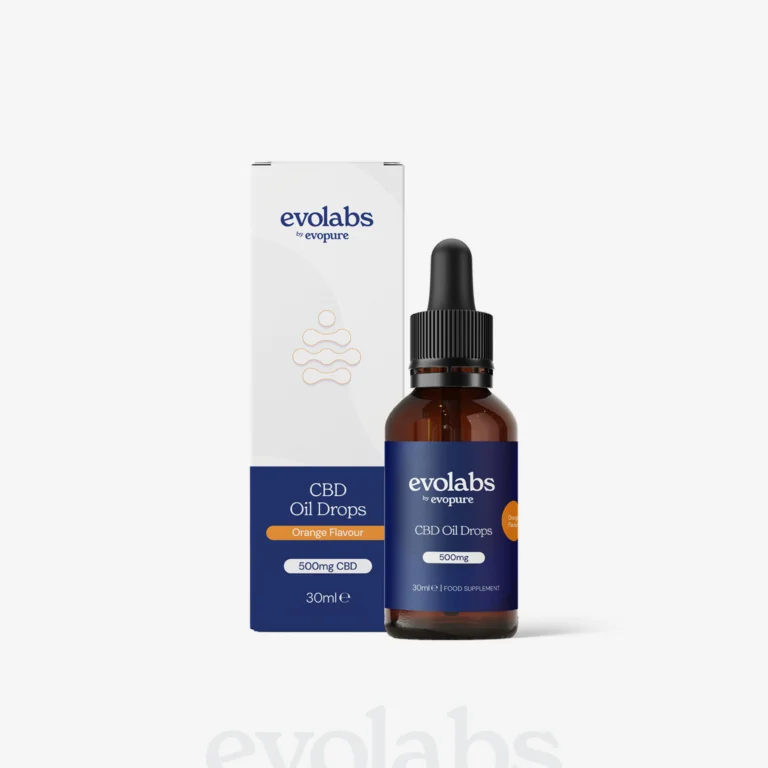
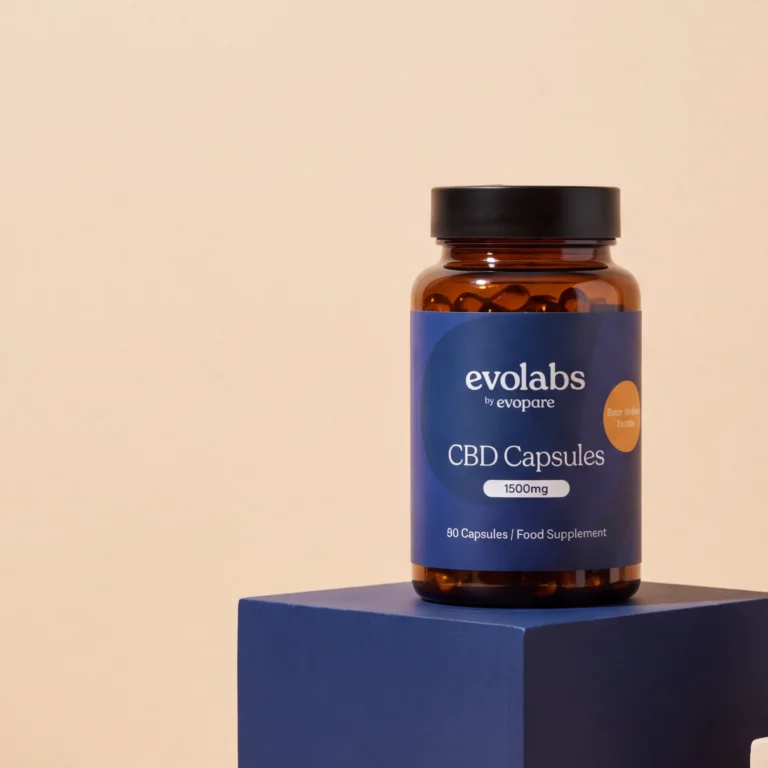
- CBD: research on sleep is small and mixed. See CBD oil for sleep.
- Herbal options such as chamomile, valerian and passionflower have limited evidence. See sleep supplements and natural sleep aids.
Check with a pharmacist if you take other medicines. The FSA’s 10mg a day figure for CBD is precautionary advice rather than a legal limit, set while longer-term safety research continues. At Evopure we think it is a very cautious figure, and many adults use more. If you go above it, increase slowly, and check with your GP or pharmacist first if you take any medication. We don’t recommend our products during pregnancy or breastfeeding.
FAQs
What is insomnia?
Regularly finding it hard to fall asleep, stay asleep or feel refreshed after sleep. It’s long-term if it lasts 3 months or more.
What is the best treatment for insomnia?
CBT for insomnia (CBT-I) is the most effective treatment for long-term insomnia. Better sleep habits help most people.
What causes insomnia?
The most common causes are stress, anxiety or depression, a poor sleep environment, alcohol, caffeine, nicotine, jet lag and shift work.
Can a GP prescribe sleeping pills?
Rarely, and only for a few days or weeks if insomnia is very bad and other treatments haven’t worked, because of side effects and dependence.
How do I cure insomnia naturally?
Keep a fixed wake time, only go to bed when sleepy, wind down for an hour, avoid late caffeine and alcohol, and don’t nap. Ask your GP about CBT-I if it continues.
Sources
- NHS. Insomnia.
- Trauer JM et al (2015). Cognitive behavioral therapy for chronic insomnia: a systematic review and meta-analysis. Annals of Internal Medicine.
- McCurry SM et al (2016). Telephone-based cognitive behavioral therapy for insomnia in perimenopausal and postmenopausal women with vasomotor symptoms. JAMA Internal Medicine.
- Schuster J et al (2025). Magnesium bisglycinate supplementation in healthy adults reporting poor sleep. Nature and Science of Sleep.
This guide is general information, not medical advice. Evopure makes the Magnesium Glycinate Sleep Complex and Sleep CBD Oil.