





Last updated: October 2026
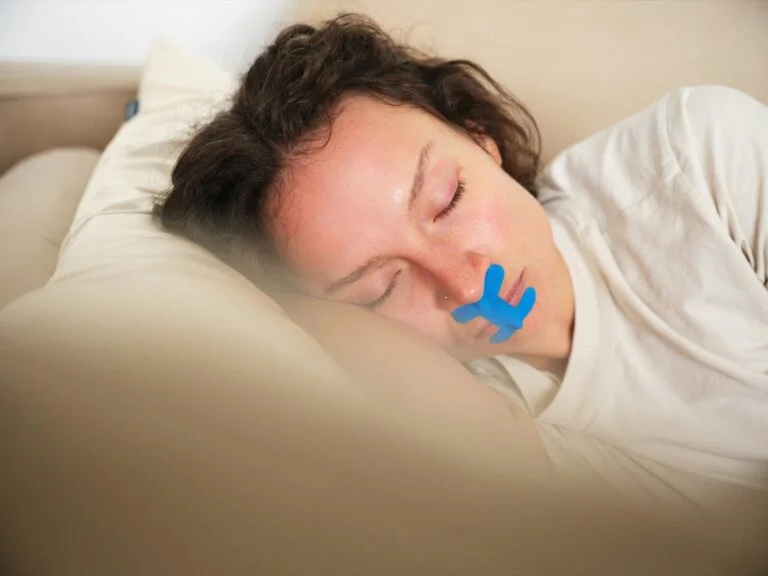
Perimenopause disrupts sleep because falling and fluctuating oestrogen and progesterone trigger night sweats, early waking and anxious thoughts. What helps most is CBT for insomnia, which NICE recommends, HRT if it suits you, and a cool, consistent bedtime routine. Magnesium can support the routine, but it won’t stop hot flushes.
Below: why perimenopause affects sleep, what the evidence says works, a simple evening routine, and when to see your GP. Published for World Menopause Day, 18 October.
Why does perimenopause affect sleep?
Perimenopause is the time before your periods stop, usually from your mid 40s, when hormone levels rise and fall unpredictably. Several things then gang up on sleep:
- Hot flushes and night sweats. Many night-time hot flushes wake you up, and the time spent awake afterwards adds up.
- Falling progesterone, which has a mildly calming effect, so sleep can feel lighter.
- Anxiety and low mood, which are common in perimenopause and make it harder to get back to sleep. See can menopause cause anxiety?
- Needing the toilet at night and aches and pains.
- Sleep apnoea and restless legs, which become more common around and after menopause.
A major review found that about 26% of women in the menopausal transition have sleep problems severe enough to affect their days and qualify as insomnia.
Common perimenopause sleep problems
| What happens | Likely driver | First thing to try |
|---|---|---|
| Waking hot and sweaty | Night sweats | A cool bedroom, layers you can throw off, and talking to your GP about HRT or other treatments |
| Waking at 3am and lying awake | Lighter sleep, anxious thoughts | Get up after about 20 minutes and do something calm in dim light. See why you wake at 3am |
| Taking ages to drop off | Anxiety, a racing mind | A wind-down hour and a worry list written before bed |
| Tired despite a full night | Broken sleep, possibly sleep apnoea | Ask whether you snore or stop breathing; see your GP if so |
| Restless, achy legs at night | Restless legs, low iron | See your GP, who can check your iron levels |
What helps perimenopause sleep, ranked by evidence
| Option | What the evidence shows |
|---|---|
| CBT for insomnia (CBT-I) | Strong. NICE recommends considering CBT for sleep problems linked to hot flushes and night sweats. |
| HRT | Effective for night sweats, which often improves sleep. Talk it through with your GP. |
| Non-hormonal prescription options | For women who can’t or don’t want to take HRT, NICE guidance now includes fezolinetant for hot flushes in some cases. |
| A cool, dark, regular sleep routine | Recommended by the NHS; low cost and low risk. |
| Cutting alcohol and late caffeine | Both fragment sleep and can trigger flushes. |
| Magnesium | A small sleep benefit in one 2025 trial; no effect on hot flushes in a trial of 289 women. |
| Melatonin | Prescription-only in the UK. See melatonin in the UK. |
CBT for insomnia: the most proven option
CBT-I is a short, structured course that retrains your sleep habits and the worries that keep you awake. It includes keeping a fixed wake time, only going to bed when sleepy, and getting up if you can’t sleep.
In a US trial of women in perimenopause and postmenopause with insomnia and hot flushes, 8 weeks of telephone CBT-I cut insomnia scores by almost 10 points. 70% of the CBT-I group no longer scored as having insomnia, compared with 24% of the comparison group, and the benefit lasted at 6 months. Hot flushes also bothered them less.
Ask your GP about CBT-I. The NHS also offers digital CBT for insomnia in some areas, and NHS Talking Therapies can help if anxiety or low mood is part of the picture.
Supplements for perimenopause sleep
No supplement replaces the options above, but some can support a routine:
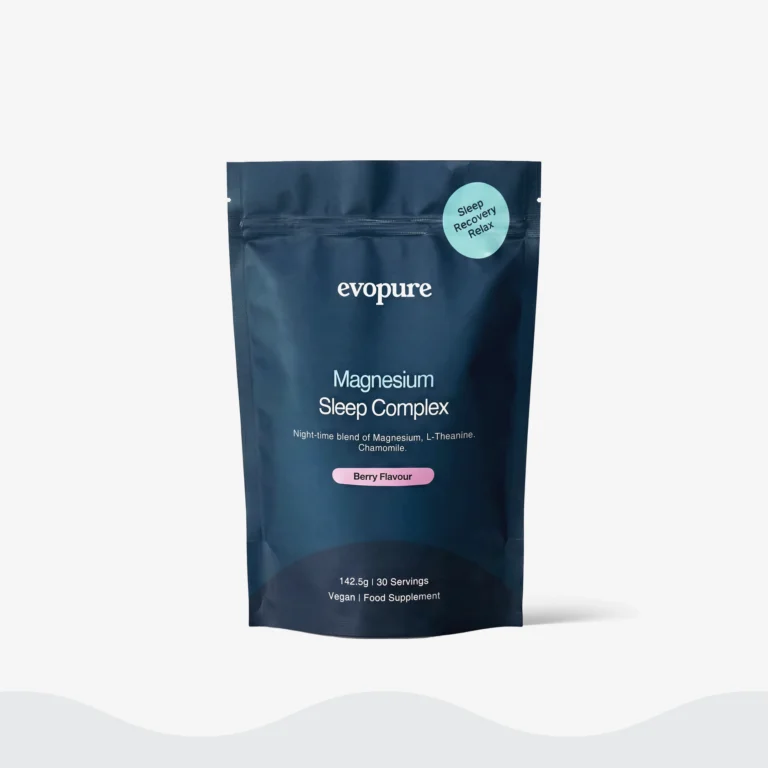
- Magnesium. Magnesium contributes to the reduction of tiredness and fatigue and to normal psychological function. Many women find a warm magnesium drink a useful wind-down cue. Glycinate is gentle on the stomach. See magnesium for menopause and magnesium for sleep.
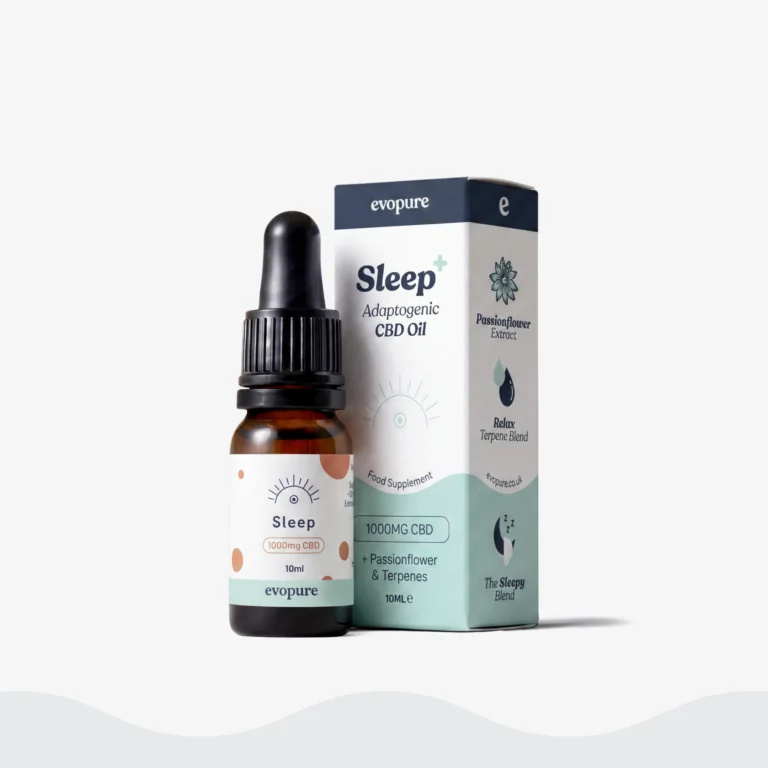
- CBD. Surveys show many women in midlife try CBD for sleep, but there are no good trials in perimenopause yet. See CBD for menopause.
- Vitamin D. The NHS advises everyone to consider 10 micrograms a day from October to March. Vitamin D contributes to the maintenance of normal bones, which matters more after menopause. See vitamin D in winter.
- Herbal remedies. NICE notes that the safety, quality and purity of unregulated preparations may be unknown, so check with a pharmacist, especially if you take HRT or other medicines.
For more options, see natural sleep aids ranked by evidence.
A perimenopause evening routine
- Keep the same wake time every day, including weekends. It’s the anchor for everything else.
- Stop caffeine by early afternoon and keep alcohol to a minimum, especially in the evening.
- Eat your main meal 2 to 3 hours before bed, and go easy on spicy food if it triggers flushes.
- Start a wind-down hour: dim lights, a warm (not hot) drink, reading, stretching or a shower.
- Write tomorrow’s worries down so they’re out of your head.
- Keep the bedroom cool: a fan, cotton or bamboo bedding, layers rather than one heavy duvet, and a glass of water by the bed.
- If you wake and can’t sleep, get up after about 20 minutes, sit somewhere dim and calm, and go back when sleepy.
The clocks go back on 25 October, which can unsettle sleep for a week or so. See how to protect your sleep when the clocks change.
How much sleep do you need in perimenopause?
Your sleep need doesn’t change in perimenopause: most adults do best on around 7 to 9 hours. What changes is how broken that sleep becomes. Focus on a regular routine and how you feel during the day rather than chasing a perfect number, and don’t spend long hours in bed awake trying to catch up, which tends to make insomnia worse.
When to see your GP
See your GP if poor sleep is affecting your days, if you have other perimenopause symptoms, or if:
- you snore loudly, stop breathing or gasp in your sleep (possible sleep apnoea)
- you feel low, hopeless or very anxious most days
- your periods become very heavy, or you bleed after sex or between periods
- night sweats come with weight loss or fever
If you’re over 45, your GP can usually diagnose perimenopause from your symptoms without a blood test. We don’t recommend our products during pregnancy or breastfeeding, and perimenopause doesn’t rule out pregnancy, so keep using contraception until your GP says you no longer need it.
FAQs
Does perimenopause cause insomnia?
It can. Hormone changes, night sweats and anxiety all disrupt sleep, and about a quarter of women in the menopausal transition have insomnia severe enough to affect their days.
What is the best thing for perimenopause sleep?
CBT for insomnia has the strongest evidence, and HRT helps when night sweats are waking you. A cool, regular routine supports both.
Is magnesium good for perimenopause sleep?
It may help a little as part of a wind-down routine, and magnesium contributes to the reduction of tiredness and fatigue. It doesn’t reduce hot flushes.
Why do I wake up at 3am in perimenopause?
Lighter sleep, night sweats and anxious thoughts make early waking common. If you can’t get back to sleep, get up for a while and return when sleepy.
How long do perimenopause sleep problems last?
It varies. For some women they settle after menopause, but they can last years, so it’s worth getting help rather than waiting it out.
Sources
- NICE. Menopause: identification and management (NG23). Last updated April 2026.
- NHS. Menopause: things you can do.
- Baker FC et al (2018). Sleep problems during the menopausal transition: prevalence, impact, and management challenges. Nature and Science of Sleep.
- McCurry SM et al (2016). Telephone-based cognitive behavioral therapy for insomnia in perimenopausal and postmenopausal women with vasomotor symptoms. JAMA Internal Medicine.
- Schuster J et al (2025). Magnesium bisglycinate supplementation in healthy adults reporting poor sleep. Nature and Science of Sleep.
- Park H et al (2015). A double-blind placebo-controlled study of magnesium supplements to reduce menopausal hot flashes. Menopause.
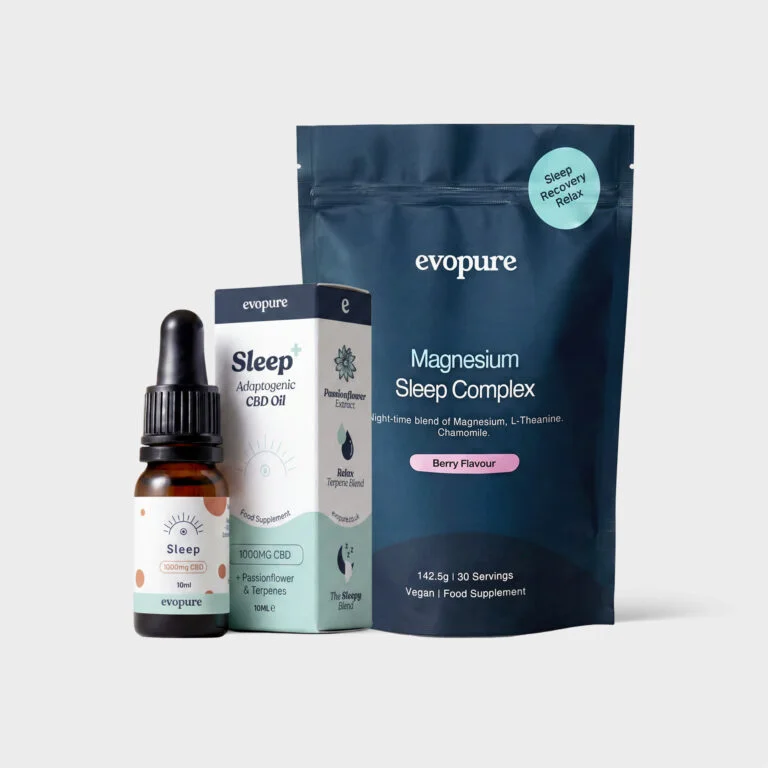
This guide is general information, not medical advice. Evopure makes the Magnesium Glycinate Sleep Complex and Sleep CBD Oil.