Last updated: October 2026
Mushroom coffee is ground or instant coffee blended with powdered functional mushrooms such as lion’s mane, chaga, cordyceps or reishi. It usually has less caffeine than regular coffee, because some of the coffee is replaced with mushroom. No trials have tested mushroom coffee itself, and the evidence for each mushroom is small, but many find it a gentler morning cup.
Below: what’s in it, what the research on each mushroom shows, side effects, how to make it, the best time to drink it and how to choose a good one.
What is mushroom coffee?
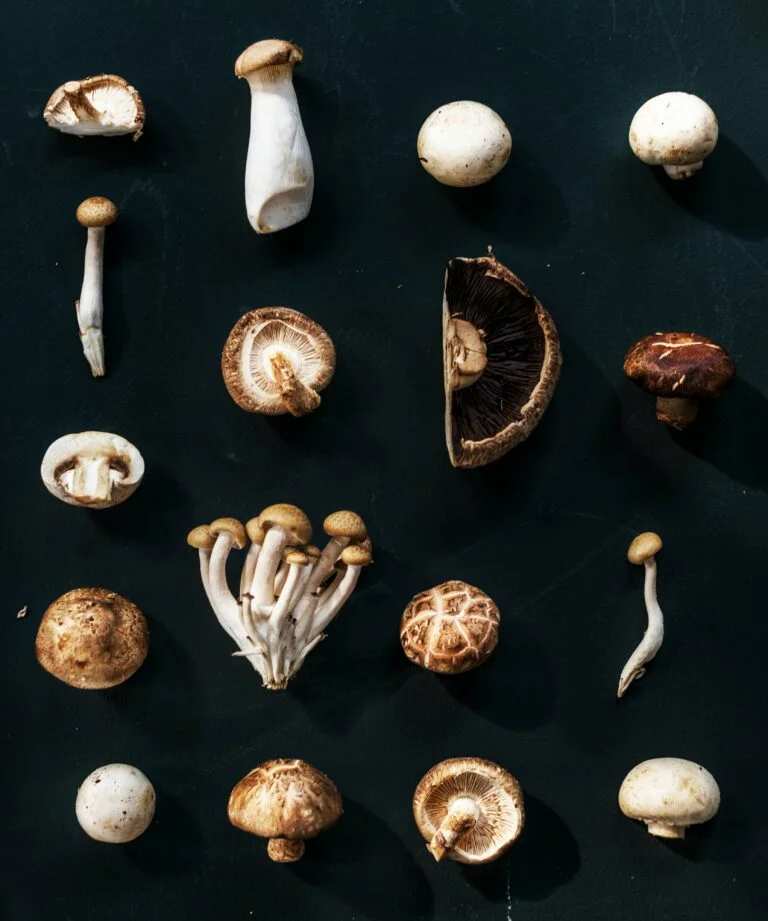
Mushroom coffee is a blend of coffee and dried, powdered or extracted functional mushrooms. It isn’t made with culinary mushrooms like button mushrooms, and it doesn’t contain “magic” mushrooms. It usually tastes like a slightly earthier, milder coffee. You can buy it ready-mixed or add mushroom powder to your own coffee.
Does it work? The evidence by mushroom
| Mushroom | Why it’s added | Human evidence |
|---|---|---|
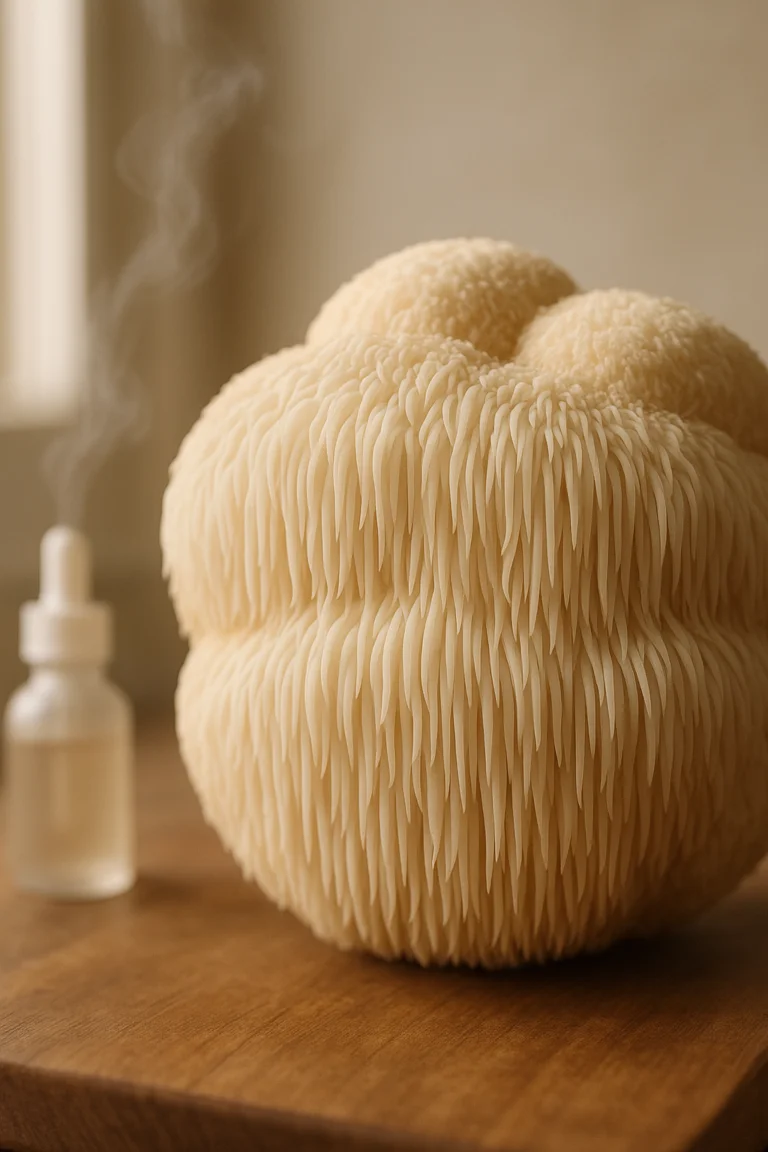
| Lion’s mane | Focus and memory | Small trials in older adults with memory decline; a single dose slightly sped up one attention test in young adults. See lion’s mane |
| Cordyceps | Energy and exercise | Small, mixed exercise trials. See cordyceps |
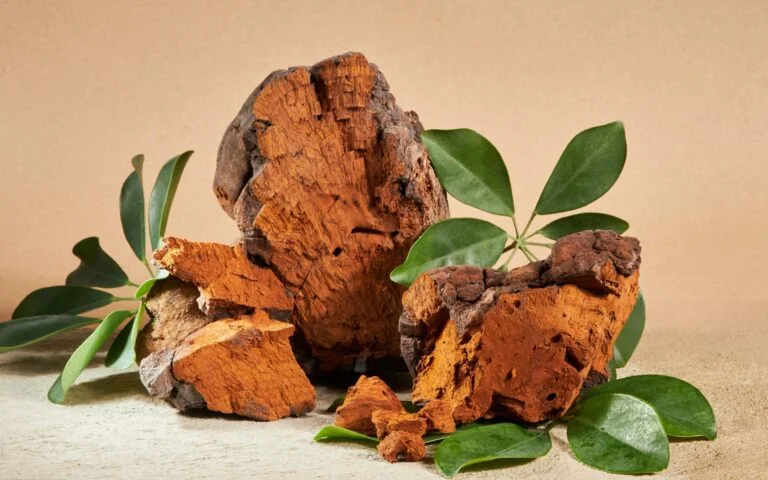
| Chaga | Traditional tea; antioxidants | Almost none in people. See chaga |
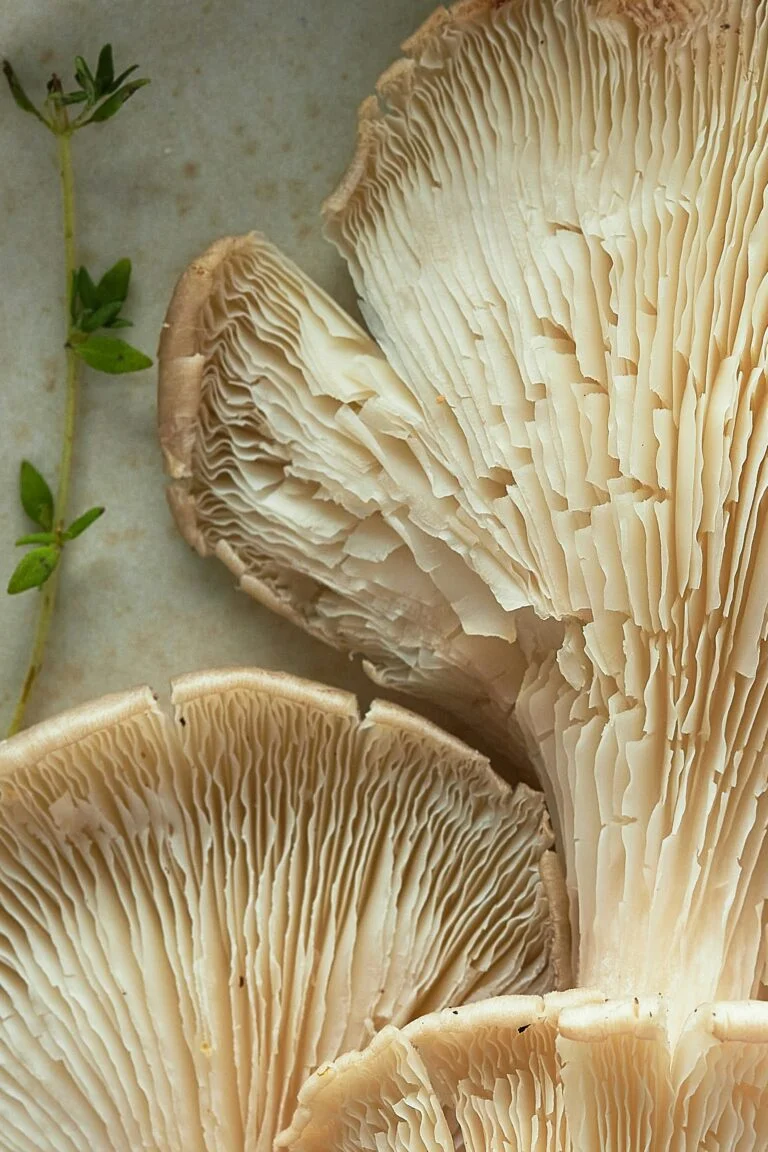
| Reishi | Calm | A small trial on fatigue; better suited to evenings than coffee. See reishi |
Most mushroom coffees also contain smaller amounts of mushroom than the trials used, and many don’t say how much. Any “focus” boost you feel is most likely the caffeine. For a full overview, see our adaptogenic mushrooms guide.
Caffeine: how much less?
It depends on the brand and how much coffee is in the blend, so check the label for mg of caffeine per serving. The NHS estimates about 100mg of caffeine in a cup of instant coffee, with filter and coffee-shop coffee often more. EFSA says up to 400mg a day is safe for most adults, and the NHS advises no more than 200mg a day in pregnancy. Lower caffeine is a genuine benefit if regular coffee makes you jittery. See does caffeine cause anxiety?
Side effects and who should avoid it
- Stomach upset or loose stools, especially at first.
- Mushroom allergy: avoid.
- Chaga is very high in oxalates; avoid if you’ve had kidney stones or kidney problems.
- Medicines: check with a pharmacist if you take blood thinners, diabetes or blood pressure medicines, or immunosuppressants.
- Pregnancy and breastfeeding: avoid mushroom supplements, and keep caffeine to 200mg a day or less in pregnancy.
- Buy from reputable brands: in 2024, US authorities investigated illnesses linked to “mushroom” chocolates and gummies that contained undeclared substances.
How to make mushroom coffee
- Choose a mushroom powder or extract, ideally from the fruiting body, with the amount per serving on the label.
- Brew your coffee as usual, or use instant.
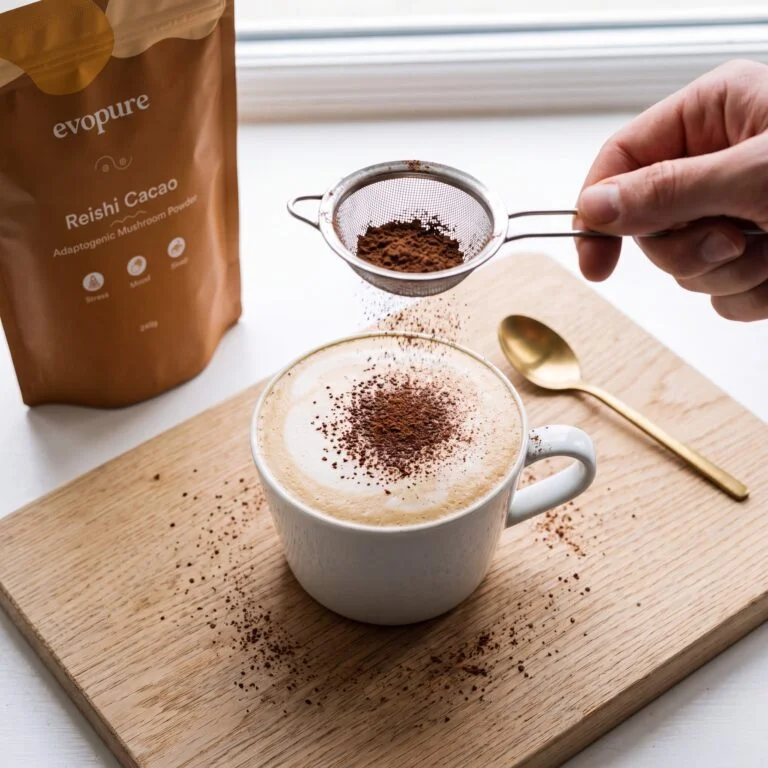
- Stir in the mushroom powder, following the label dose. Extracts dissolve better than ground whole mushroom.
- Add milk or a plant milk to soften the earthy taste; a little cinnamon or cacao works well.
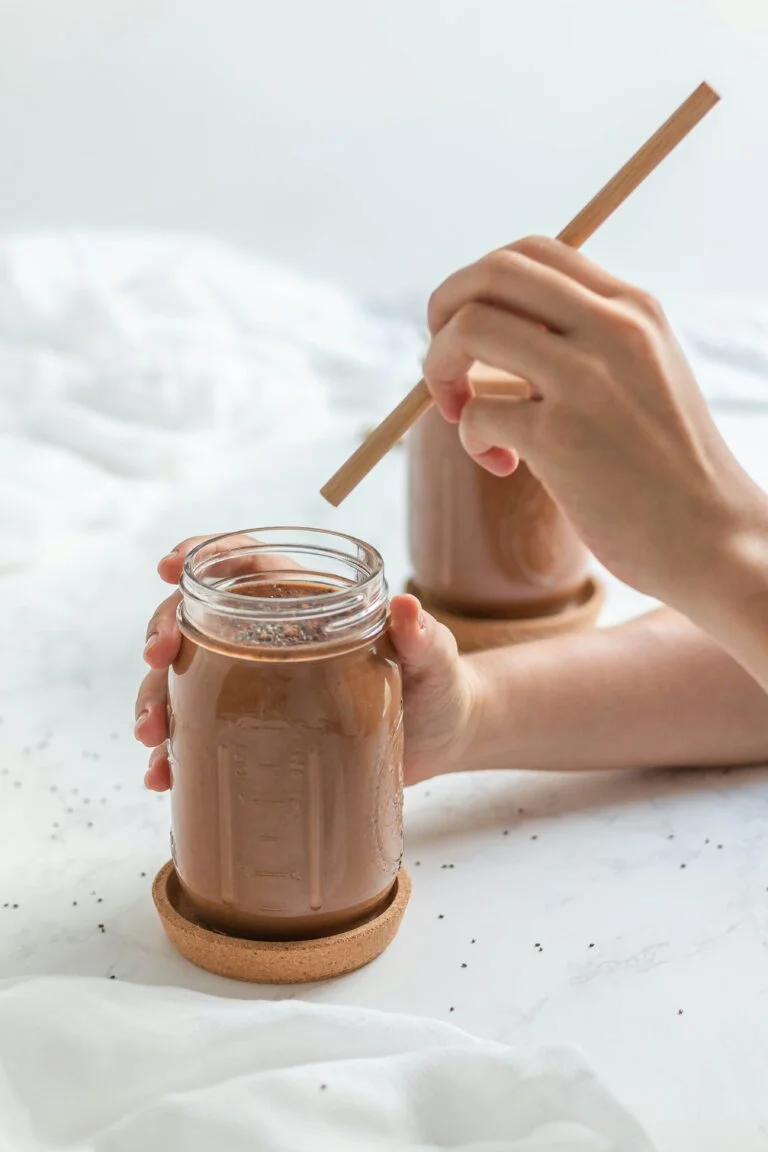
Prefer no caffeine? Try mushroom tea, or our reishi hot chocolate in the evening. Adding CBD instead? See CBD coffee.
Best time to drink it
Treat it like coffee: morning or early afternoon, at least six hours before you plan to sleep, because even reduced caffeine can affect sleep. Reishi-based blends are best kept for a caffeine-free evening drink instead. See caffeine and sleep.
How to choose a good one
- The mushroom species and amount per serving are listed.
- Fruiting body extract, not mainly mycelium grown on grain.
- Caffeine per serving is stated.
- Tested for heavy metals and contaminants.
- No disease claims; brands claiming their coffee treats anything are breaking UK rules.
See also coffee on an empty stomach.
FAQs
Does mushroom coffee actually work?
No trials have tested mushroom coffee itself. Small studies on individual mushrooms are promising, but most products contain less mushroom than the trials used.
Does mushroom coffee have caffeine?
Yes, usually less than regular coffee, because some coffee is replaced with mushroom. Check the label for mg per serving.
Is mushroom coffee good for you?
It’s generally safe for healthy adults and can be a lower-caffeine option, but its health benefits aren’t proven.
Who should not drink mushroom coffee?
People with mushroom allergies, kidney problems (especially with chaga), or who take blood thinners, diabetes medicines or immunosuppressants without checking first, and pregnant women.
Does mushroom coffee taste like mushrooms?
Not really. It tastes like a slightly earthier, milder coffee, especially with milk.
When should I drink mushroom coffee?
In the morning or early afternoon, like regular coffee, at least six hours before bed.
Sources
- Mori K et al. Improving effects of Hericium erinaceus on mild cognitive impairment. Phytother Res, 2009.
- Docherty S et al. The acute and chronic effects of lion’s mane mushroom supplementation on cognitive function, stress and mood in young adults. Nutrients, 2023.
- NHS. Foods to avoid in pregnancy (caffeine).
- EFSA. Caffeine.
- US FDA. Investigation of illnesses linked to Diamond Shruumz products, 2024.