Last updated: October 2026
Reishi may help some people sleep, but the evidence is early. In rats, reishi extract increased total sleep time, and in a human trial it reduced fatigue, yet there are no good human sleep trials. It isn’t a sedative. Most people take an extract in the early evening, often as a warm drink, for at least two to four weeks.
This guide covers what the research really shows, how reishi might work, dosage and timing, how it compares with melatonin, magnesium and CBD, and who should avoid it.
Quick answer: reishi for sleep
| Question | Answer |
|---|---|
| Does it work? | Possibly, for some people. Animal studies are promising, but there are no good human sleep trials |
| Does it make you sleepy? | Not like a sleeping pill. Most people describe feeling calmer rather than drowsy |
| When to take it | Early evening, 1 to 2 hours before bed |
| How long to notice | Give it 2 to 4 weeks of daily use |
| Best way to take it | An extract, often as a warm drink such as reishi cacao |
Does reishi help you sleep?
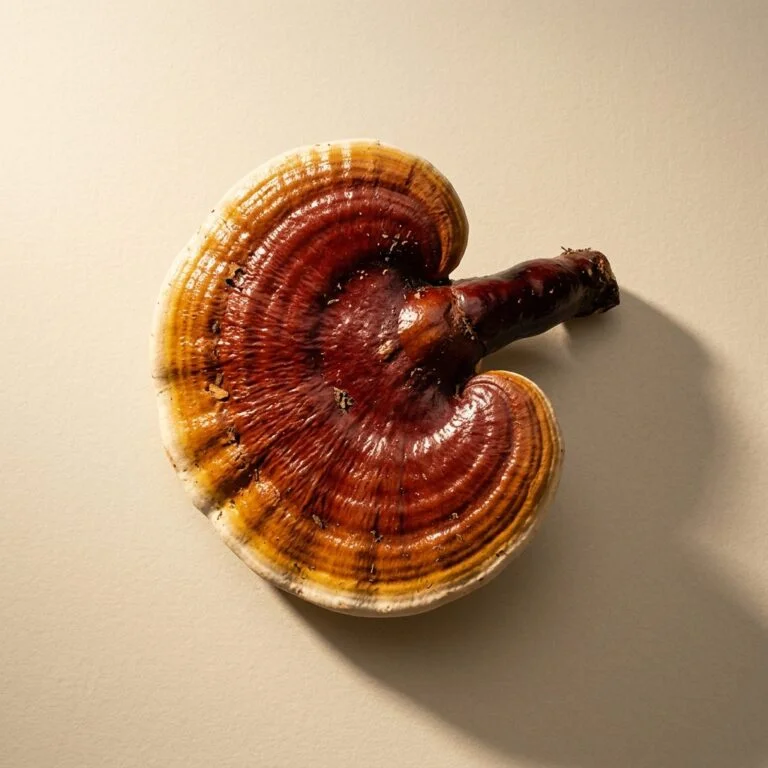
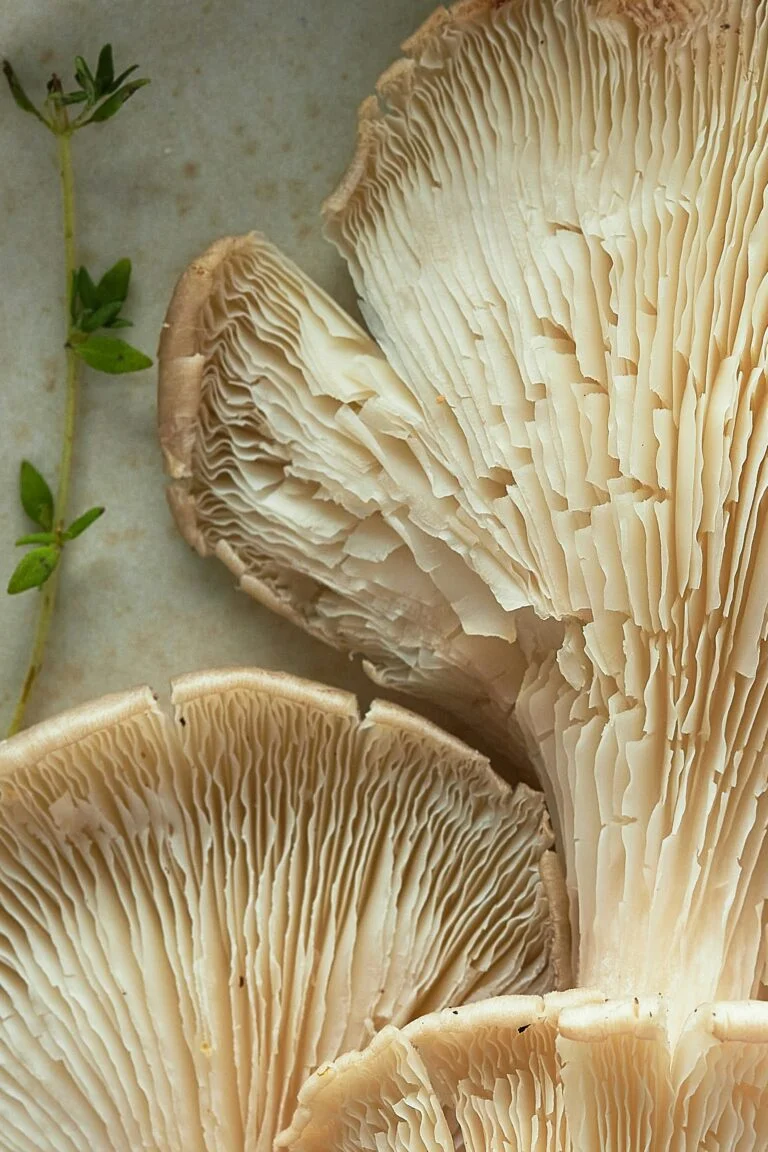
Possibly, but it hasn’t been proven in people. Reishi (Ganoderma lucidum, also called lingzhi) has been used in traditional Chinese medicine for centuries as a calming, “spirit-settling” herb for restlessness and poor sleep. Modern research backs this up in animals and hints at benefits for tiredness in people, but no well-designed trial has yet measured reishi’s effect on human sleep directly.
So think of reishi as a gentle addition to an evening routine that some people find helpful, rather than a sleeping aid that works on the first night.
What the research shows
| Study | Who | What happened |
|---|---|---|
| Cui, 2012 | Rats given reishi extract for 3 days | Total sleep time and non-REM (deep, non-dreaming) sleep increased, apparently linked to changes in an immune messenger called TNF-alpha |
| Tang, 2005 (controlled trial) | 132 adults with neurasthenia, a condition of long-term fatigue, poor sleep and irritability | After 8 weeks of a reishi polysaccharide extract, 51.6% were rated more than minimally improved, against 24.6% on placebo. Fatigue scores also fell more |
| Li, 2024 (survey) | 1,374 people with cancer using reishi in China | About half reported less fatigue and better mood; 9% reported side effects, including 3% who reported insomnia |
| Xun, 2026 (trial under way) | 130 adults with chronic or post-COVID fatigue in Hong Kong | Measuring fatigue and sleep quality; results expected in 2026 |
The honest summary: promising in animals, some support for less fatigue in people, and no direct human sleep trial yet. Note the survey: a small number of people sleep worse on reishi, so pay attention to how it affects you.
How reishi might affect sleep
Reishi contains two main groups of active compounds:
- Triterpenes (such as ganoderic acids), which give reishi its bitter taste and are thought to be behind its calming reputation.
- Polysaccharides, including beta-glucans, which interact with the immune system. The rat study suggests immune messengers may play a part in reishi’s effect on sleep.
Laboratory research has identified compounds shared by several traditionally “calming” mushrooms that may act on the brain’s sleep pathways, but how much of this applies to people taking a supplement isn’t yet known. Read more: what are adaptogenic mushrooms?
Does reishi make you sleepy?
Not usually. Reishi isn’t a sedative and most people don’t feel drowsy after a dose. Those who find it helpful tend to describe feeling calmer and more settled in the evening, with the effect building over a few weeks rather than after one cup. Some people find any warm drink before bed helps simply by becoming part of a wind-down ritual.
Reishi dosage for sleep
There’s no official dose. It depends heavily on the form, because extracts are far more concentrated than dried mushroom.
| Form | Typical daily amount | Notes |
|---|---|---|
| Reishi extract (powder or capsules) | As on the label, often around 1 to 3g | Most products, including drinks, use extracts |
| Dried, ground mushroom | Larger amounts, several grams | Tough and bitter; usually simmered as tea rather than eaten |
| Tinctures | As on the label | Usually alcohol-based |
| In research | 5.4g a day of polysaccharide extract (Tang, 2005) | A concentrated extract, split into three doses |
Start with the lowest amount on the label, take it daily, and give it two to four weeks. More isn’t necessarily better.
When to take reishi for sleep
Most people take reishi in the early evening, either with dinner or as a warm drink an hour or two before bed. Taking it with food can help if it upsets your stomach. Because any benefit builds over time, taking it at the same time every day matters more than the exact hour. If you find it leaves you more alert, try taking it earlier in the day instead.
See also sleeping well when the clocks go back and natural remedies for insomnia.
How to take reishi: tea, cacao, capsules or tincture
| Format | Pros | Cons |
|---|---|---|
| Hot chocolate or cacao blend | Tastes good, easy evening ritual | Cacao contains a little caffeine-like theobromine; check how you respond |
| Tea from dried slices | Traditional | Very bitter, needs long simmering |
| Capsules | No taste, exact dose | Less of a ritual |
| Tincture | Quick to take | Usually contains alcohol |
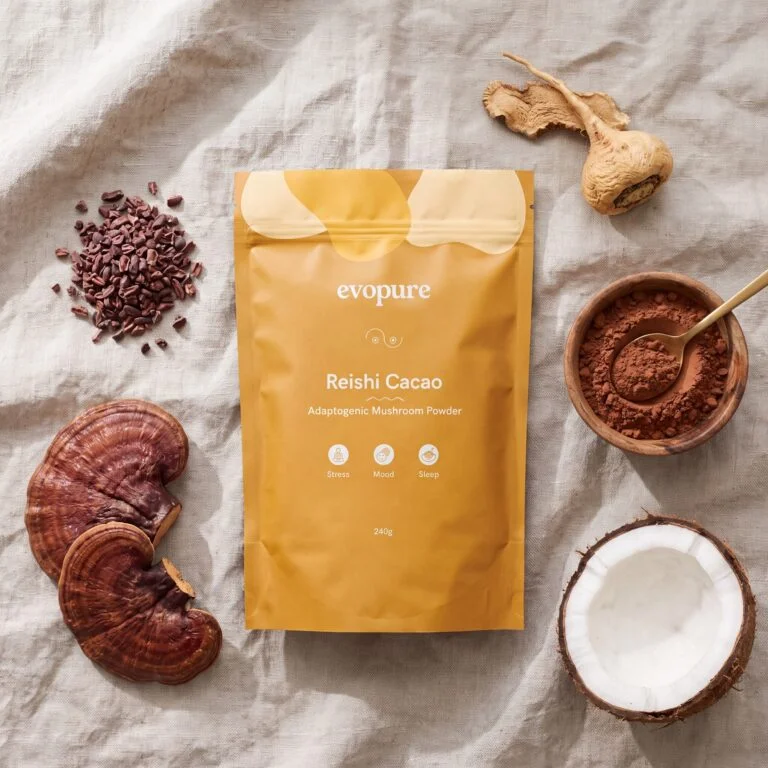
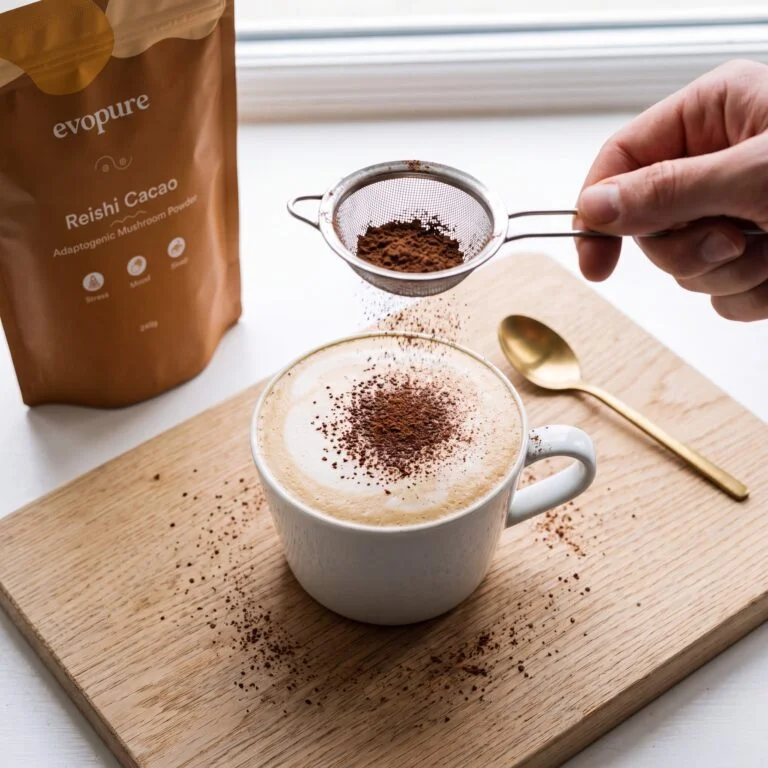
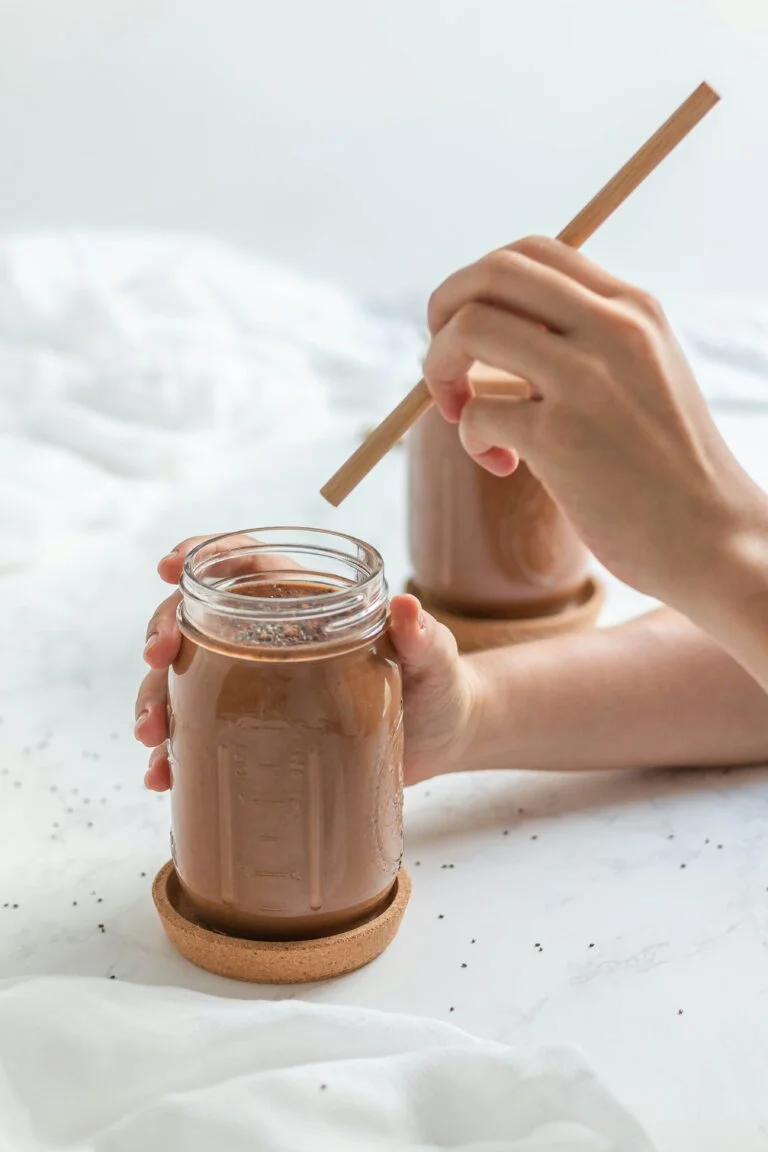
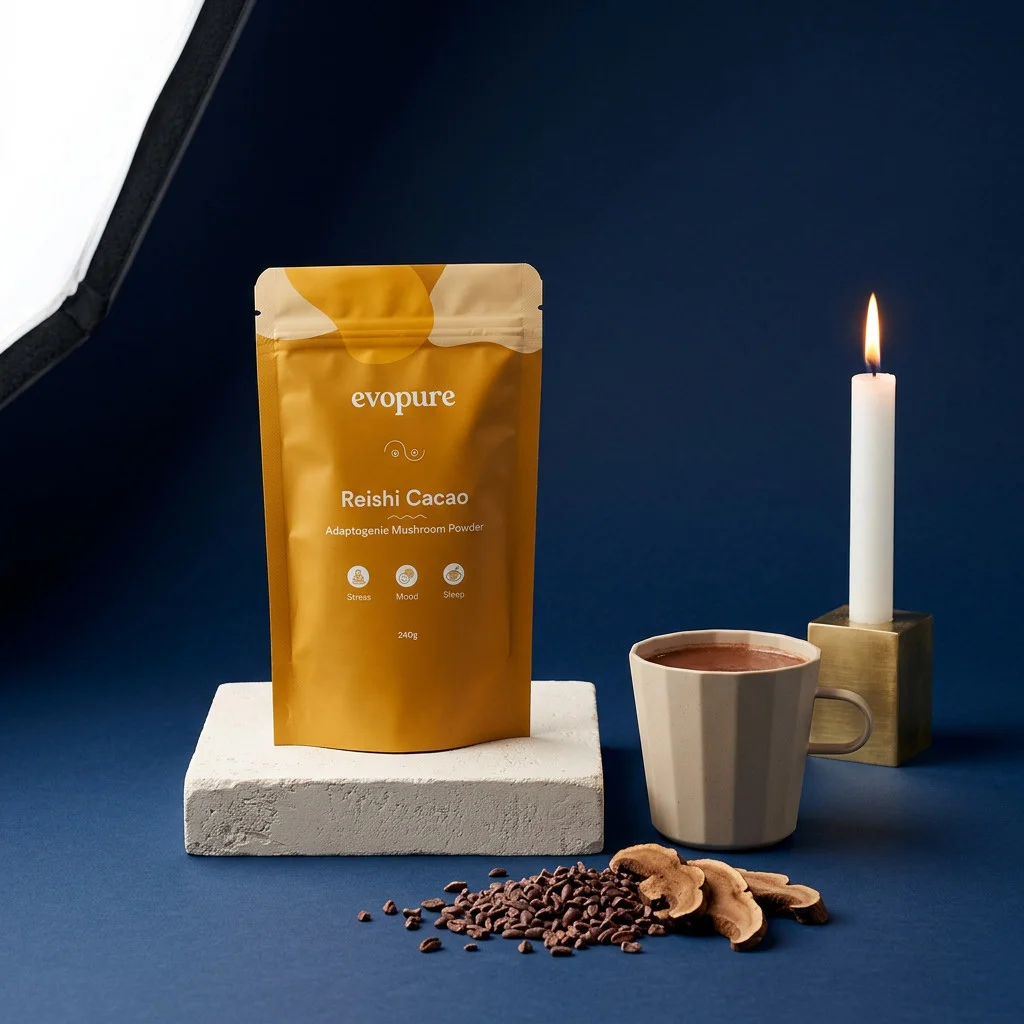
Our Reishi Mushroom Adaptogenic Complex blends reishi extract with organic cacao, maca, coconut milk powder and coconut sugar, so it tastes like hot chocolate rather than mushroom. Stir a scoop into warm milk or water in the evening. It’s also a popular swap for an evening glass of wine; see our alcohol-free nightcaps and reishi cacao benefits. For a DIY version, see how to make mushroom tea.
Reishi gummies
Gummies are convenient, but they often contain much less reishi extract than capsules or powders, plus added sugar, which isn’t ideal last thing at night. Check how many milligrams of extract are in each gummy and what the extract ratio is before comparing prices.
Reishi vs melatonin, magnesium and CBD
| Reishi | Magnesium | CBD | Melatonin | |
|---|---|---|---|---|
| What it is | Medicinal mushroom | Essential mineral | Hemp compound | Hormone |
| Human sleep evidence | Very limited | Mixed; best if your intake is low | Early | Modest but proven |
| Works | Over weeks | Over days to weeks | Within an hour; steadier over weeks | In 1 to 2 hours |
| UK status | Food supplement | Food supplement | Food supplement (FSA public list) | Prescription only |
Magnesium is the only one with an authorised health claim: it contributes to the normal functioning of the nervous system and normal psychological function. Many people combine reishi with magnesium or CBD in an evening routine. Read more: magnesium for sleep, CBD for sleep and melatonin in the UK.
Reishi vs ashwagandha for sleep
Ashwagandha has more human sleep research than reishi: a 2021 review of five trials found a small benefit for sleep, clearer at 600mg a day or more over at least 8 weeks. Reishi has mainly animal data plus a human trial on tiredness. Ashwagandha also has more safety cautions (pregnancy, liver, thyroid), and the FSA is reviewing its safety. Some people use both at different times of day. See reishi vs ashwagandha and when to take ashwagandha.
A simple evening routine with reishi
Reishi is most useful as part of a wind-down routine rather than on its own. A simple version:
- About an hour before bed, make a warm reishi drink, for example a reishi cacao with milk or a plant milk. A standard cocoa drink has only a few milligrams of caffeine, far less than tea or coffee, but very dark, strong cocoa contains more, so keep it moderate. See is hot chocolate good before bed?
- Dim the lights and put screens away while you drink it.
- Do something calm: read, stretch or try box breathing.
- Go to bed and get up at the same times every day, including weekends.
Our Reishi Mushroom Adaptogenic Complex is a cacao drink made with reishi, organic cacao and coconut sugar, designed to be a cosy part of an evening routine. Many people pair it with our Magnesium Glycinate Sleep Complex; magnesium contributes to normal psychological function. For more ideas, see how to sleep better.
What to expect, week by week
| When | What’s realistic |
|---|---|
| First night | Reishi isn’t a sedative, so don’t expect to feel knocked out. The routine itself may help you wind down |
| Weeks 1 to 2 | Take it at the same time daily. Note your sleep in a simple diary or app |
| Weeks 2 to 4 | A fair point to judge whether it suits you; the human tiredness trial ran for 8 weeks |
| After a month | If you notice no difference, it may not be for you. Look at other causes of poor sleep, such as stress, caffeine, alcohol or a health issue |
If poor sleep has lasted weeks and affects your daytime, see your GP. See insomnia and sleep deprivation.
Side effects and who should avoid reishi
Reishi is generally well tolerated as a food or drink. Reported side effects include an upset stomach, nausea, dry mouth, dizziness, an itchy rash and, in a small number of people, trouble sleeping. There are rare case reports of liver injury, mostly with concentrated reishi powders taken alongside other medicines.
Speak to your GP or pharmacist before taking reishi if you:
- take blood thinners such as warfarin, or have a bleeding disorder, as reishi may increase bleeding risk
- take immunosuppressants, or are having cancer treatment
- take medicines for blood pressure or diabetes
- have liver disease
- have surgery coming up (stop about two weeks before)
- are pregnant or breastfeeding, as there isn’t enough safety research
Stop taking it and see a doctor if you notice yellowing skin or eyes, dark urine or unusual tiredness.
How to choose a good reishi supplement
- Choose an extract. Raw reishi is too tough to digest well; extraction makes its compounds available.
- Check the part used. Fruiting body extracts contain the triterpenes reishi is known for. Some cheap products use mycelium grown on grain, which can be mostly starch.
- Look for stated beta-glucans or triterpenes, or an extract ratio, rather than just “reishi powder”.
- Check for third-party testing, including heavy metals, as mushrooms absorb them from what they grow on.
- Pick a format you’ll actually take every day.
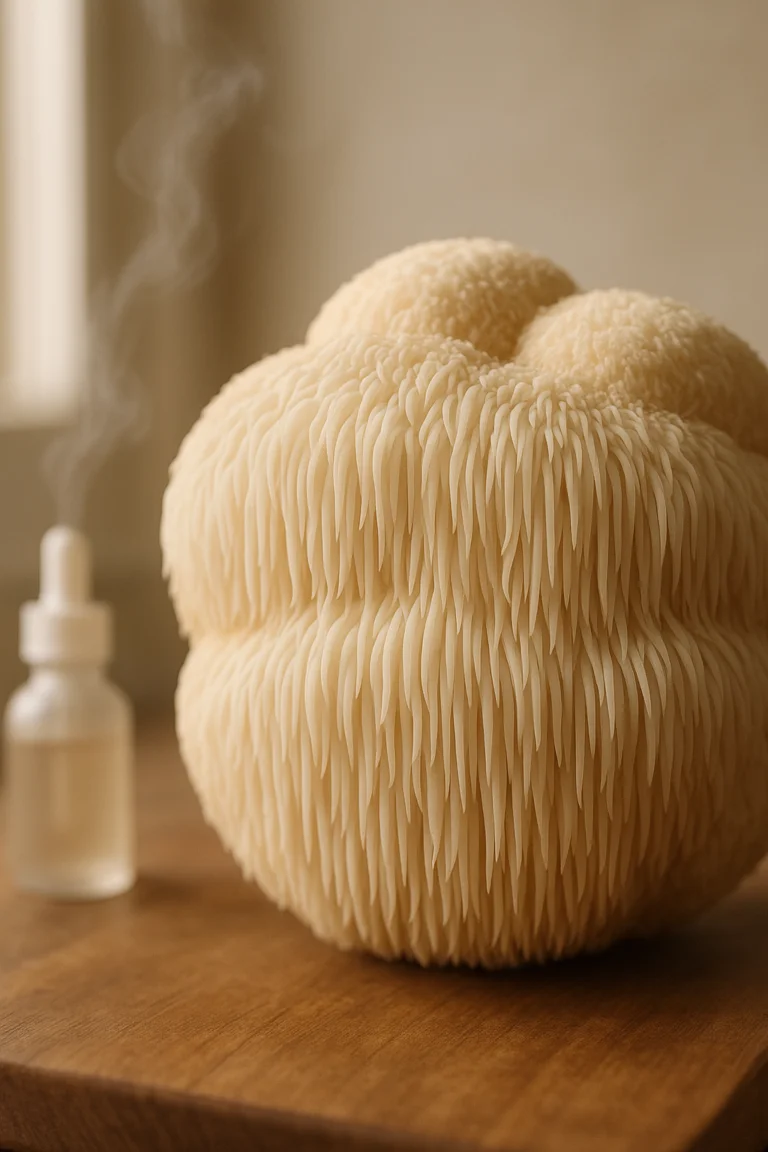
Compare mushrooms in lion’s mane vs reishi vs cordyceps and the best mushrooms for anxiety.
For an easy evening ritual, see our healthy hot chocolate guide and recipe.
FAQs
Is reishi good for sleep?
It may help some people, but the evidence is early. Animal studies show longer sleep and a human trial found less fatigue, but no good human sleep trial exists yet. It isn’t a sedative.
How much reishi should I take for sleep?
Follow the product label; extracts are often taken at around 1 to 3g a day. Start at the lowest amount and give it two to four weeks.
When should I take reishi for sleep?
Most people take it in the early evening, with dinner or as a warm drink an hour or two before bed. Consistency matters more than exact timing.
How long does reishi take to work for sleep?
Most people who notice a difference do so after two to four weeks of daily use, rather than after a single dose.
Can reishi keep you awake?
Occasionally. In one survey, about 3% of reishi users reported insomnia. If it seems to keep you up, try taking it earlier in the day or stop.
Can I take reishi every day?
Many people do. Take breaks if you’re unsure, stick to the label dose and check with a pharmacist if you take regular medication.
Can I take reishi with magnesium or CBD?
Many people combine them in an evening routine. Check with your GP or pharmacist first if you take any medication, as both reishi and CBD can interact with some medicines.
Is reishi better than melatonin?
They’re very different. Melatonin has more evidence and is prescription-only in the UK; reishi is a food supplement with limited human sleep evidence.
Does reishi make you sleepy?
Not in the way a sleeping pill does. Some people feel calmer in the evening, but there are no human trials showing it causes drowsiness.
Can I take reishi before bed?
Yes. Most people take it in the early evening or 1 to 2 hours before bed, often as a warm drink.
How long before bed should I take reishi?
Many people have a reishi drink about an hour before bed as part of a wind-down routine. Taking it at the same time every day matters more than the exact time.
Is reishi or ashwagandha better for sleep?
Ashwagandha has more human sleep trials, with a small benefit over 8 weeks or more. Reishi has mainly animal data. Ashwagandha has more safety cautions, so check who should avoid it first.
Are reishi gummies good for sleep?
They’re convenient but often contain less reishi extract and more sugar than capsules or powders. Check the milligrams of extract per gummy.
Can I drink reishi hot chocolate at night?
Yes, many people do. A standard cocoa drink has only a few milligrams of caffeine, much less than tea or coffee, but very strong dark cocoa contains more.
Sources
- Cui XY et al (2012). Extract of Ganoderma lucidum prolongs sleep time in rats. Journal of Ethnopharmacology.
- Tang W et al (2005). A randomized, double-blind and placebo-controlled study of a Ganoderma lucidum polysaccharide extract in neurasthenia. Journal of Medicinal Food.
- Li X et al (2024). Symptom improvements and adverse effects with Reishi mushroom use: a cross-sectional survey of cancer patients. Integrative Medicine Research.
- Xun Y et al (2026). Protocol for a randomized controlled trial of a lingzhi supplement for chronic and post-COVID-19 fatigue. JMIR Research Protocols.
- Wanmuang H et al (2007). Fatal fulminant hepatitis associated with Ganoderma lucidum (Lingzhi) mushroom powder. Journal of the Medical Association of Thailand.
- Memorial Sloan Kettering Cancer Center. Reishi mushroom.
- Cheah KL et al (2021). Effect of ashwagandha extract on sleep: a systematic review and meta-analysis. PLoS One.
This guide is general information, not medical advice. Evopure makes the Reishi Mushroom Adaptogenic Complex.