Last updated: 12 November 2026
Reishi tea is a bitter, woody drink made by simmering dried reishi mushroom slices in water for 1 to 2 hours, or by stirring reishi extract powder into hot water. Made with reishi alone, it is caffeine-free. Most people drink it in the evening. Human evidence for its benefits is limited, and side effects are usually mild.
Find reishi tea too bitter?
Reishi Mushroom Adaptogenic Complex
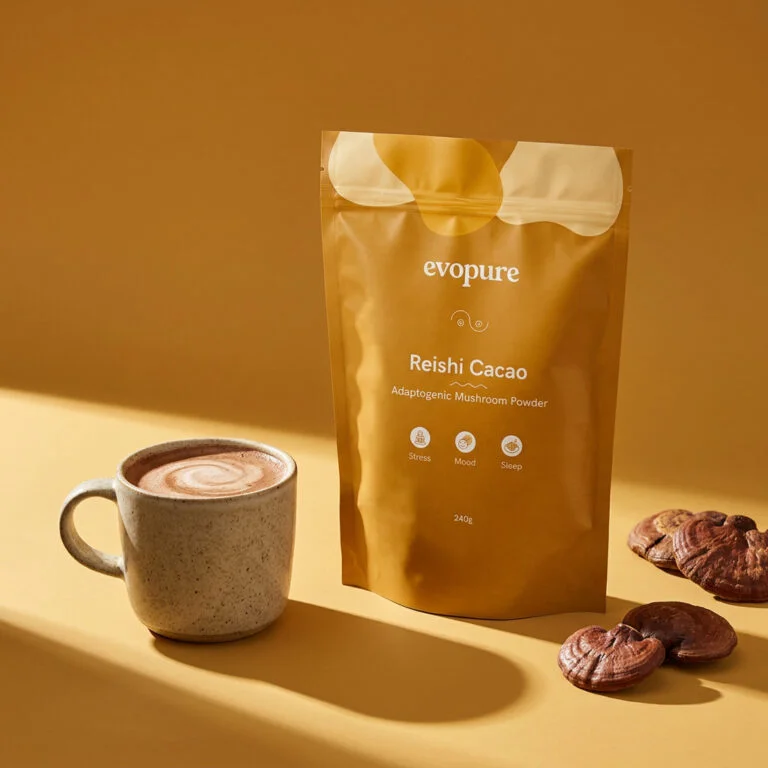
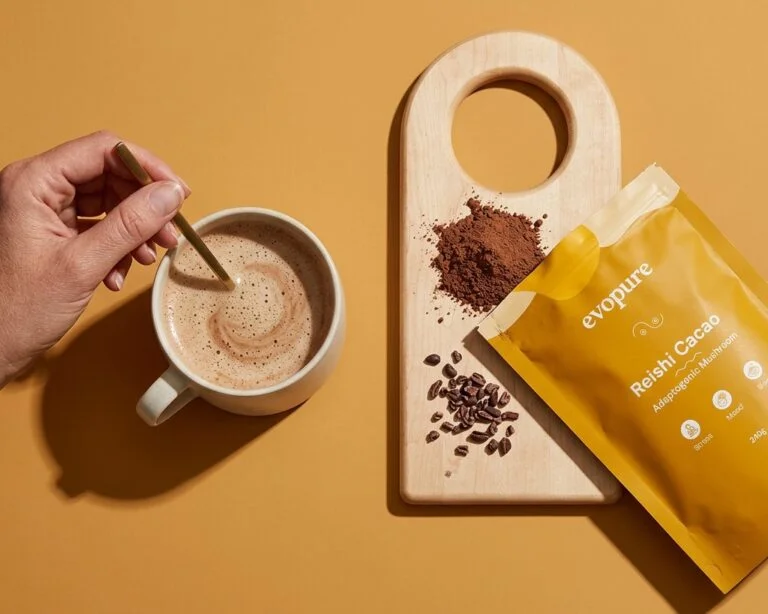
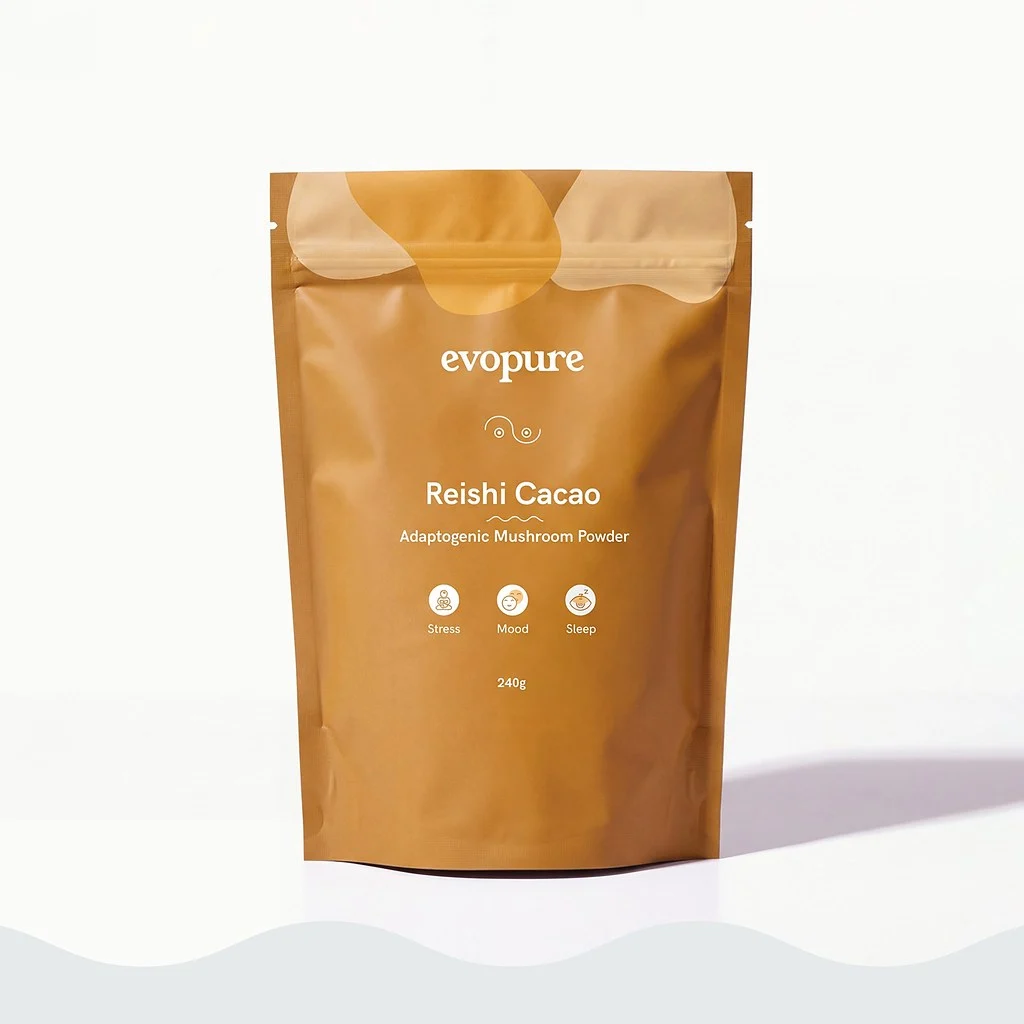
Our reishi hot chocolate mixes reishi mushroom with cocoa and maca, so it tastes of chocolate rather than mushroom. Each 8g serving has 0.5g reishi, 0.5g maca and 0.3g cinnamon, with cocoa, coconut sugar and stevia, and a little natural caffeine from the cocoa. Its pack says it is not for pregnant or nursing women or people on medication.
Add Reishi Cacao to bag See ingredients and reviews
Rated 5.0 out of 5 from 22 verified ratings on the product page (via Lipscore, checked 12 November 2026). Vegan and made in the UK. Subscribe and save 25% on your first order, then 20%. New to Evopure? Join our emails for 20% off a one-off first order. Free UK delivery over £40, 14-day returns on unopened items.
Subscribe £22.49One-off £29.99
View productReishi mushroom tea
Reishi mushroom tea is a drink made by simmering dried slices of the reishi mushroom (Ganoderma) in water for 1 to 2 hours, or by stirring reishi extract powder into hot water. It tastes bitter and woody, contains no caffeine when made with reishi alone, and research on its benefits is mostly small, early studies of extracts.
Reishi, called lingzhi in China, has a long history in traditional Chinese medicine, but mushrooms have no authorised health claims in Great Britain, so a reishi tea can’t promise any benefit. Most people drink it as a calm, caffeine-free evening ritual. If the bitterness puts you off, a reishi hot chocolate is the easier way to have reishi: see tea vs hot chocolate below.
How to make reishi tea: recipe card
Reishi (Ganoderma) is too tough and woody to eat, so it is brewed instead. Two ways:
Method 1: dried slices (traditional)
- You need: 2 to 3g of dried reishi slices (about 2 to 4 thin slices) and 750ml of water.
- Simmer: bring to the boil, then simmer gently with a lid on for 1 to 2 hours, until about 500ml (two mugs) is left. Longer simmering makes a stronger, more bitter tea.
- Strain: pour through a sieve and drink warm.
- Store: keep leftovers in a covered jug in the fridge for up to 2 days and reheat gently.
Method 2: extract powder (quick)
- You need: one serving of reishi extract powder (often 1 to 2g; follow the pack) and a mug of hot water.
- Stir: mix in well. No simmering needed, as the extraction has already been done.
There is no official UK amount for reishi, so stick to a label serving. For the forms, see reishi powder vs extract vs tincture vs capsules, and for other mushrooms, our mushroom tea guide.
What does reishi tea taste like?
Bitter, earthy and woody, like very strong black tea with a medicinal edge, not like a cooking mushroom. Reishi is high in bitter compounds, mainly triterpenes. To make it nicer:
- Ginger: simmer a few slices of fresh ginger with the reishi.
- Cinnamon: add a cinnamon stick for warmth and natural sweetness.
- Honey: stir in a teaspoon once it has cooled slightly.
- Lemon or orange peel: cuts the bitterness.
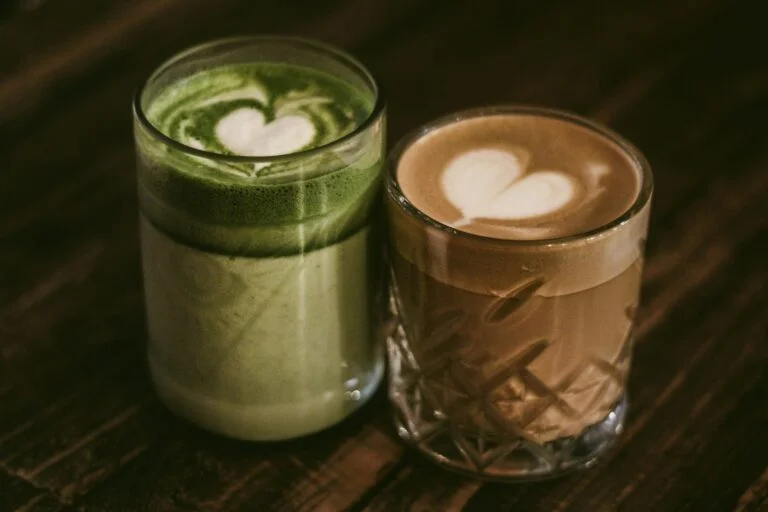
- Cacao: whisk the tea with cacao and warm milk for a reishi hot chocolate. See reishi cacao and our healthy hot chocolate guide.
Reishi tea vs reishi coffee vs hot chocolate vs capsules
No form has been shown to work better; it comes down to taste, caffeine and convenience.
| Form | Taste | Caffeine | Good for |
|---|---|---|---|
| Reishi tea | Bitter, woody | None (reishi only) | A traditional evening ritual |
| Reishi coffee | Coffee | Yes, from the coffee | Mornings |
| Reishi hot chocolate | Chocolate | A little, from cacao | People who dislike bitter |
| Capsules | None | None, usually | A set amount, no ritual |
Reishi coffee is coffee mixed with reishi extract, so it has caffeine (about 100mg in a cup of instant coffee, says the NHS). See our mushroom coffee guide. Reishi hot chocolate is the easiest way to get past the bitterness. Unsweetened cocoa powder contains about 230mg of caffeine per 100g (USDA), so even an 8g scoop made entirely of cocoa would hold under 20mg.
Our reishi hot chocolate
Our Reishi Mushroom Adaptogenic Complex is our own reishi hot chocolate powder, the hot chocolate way to have reishi. The pack lists cocoa powder, coconut sugar, reishi mushroom, maca root, cinnamon powder and stevia. Each 8g serving gives 0.5g reishi, 0.5g maca and 0.3g cinnamon, and a pouch holds 30 servings. It is vegan and made in the UK. Stir it into warm, not boiling, water or plant milk.
Unlike plain reishi tea, it isn’t caffeine-free: it contains a little natural caffeine from the cocoa. The pack says it is not for pregnant or nursing women or people on medication, and as with reishi tea, it makes no health claim.
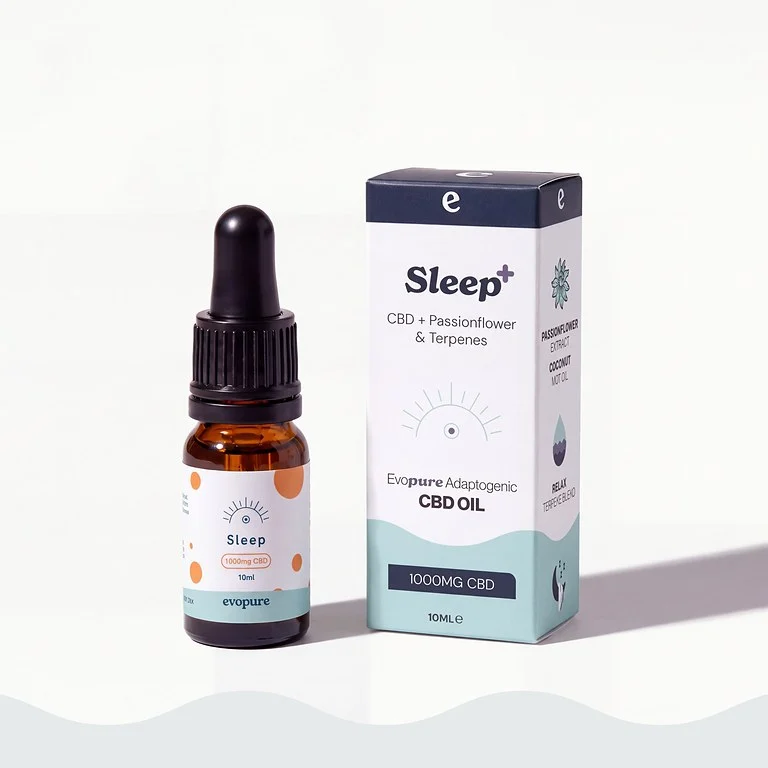
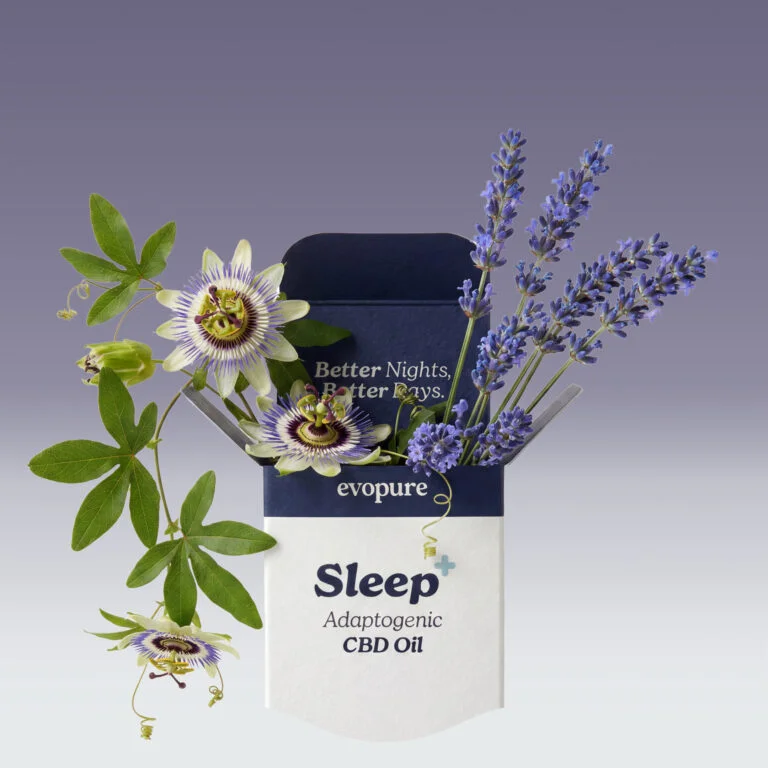
Also in the box: our Magnesium Glycinate Sleep Complex, a berry drink powder with magnesium bisglycinate and citrate (290mg magnesium per serving), glycine, L-theanine and chamomile. Magnesium contributes to a reduction of tiredness and fatigue. And our Sleep CBD Oil: broad spectrum CBD with passion flower and a terpene blend in MCT oil.
The FSA’s 10mg a day figure is precautionary advice rather than a legal limit, set while longer-term safety research continues. At Evopure we think it is a very cautious figure, and many adults use more. If you go above it, increase slowly, and check with your GP or pharmacist first if you take any medication.
Red reishi vs black reishi: what the names mean
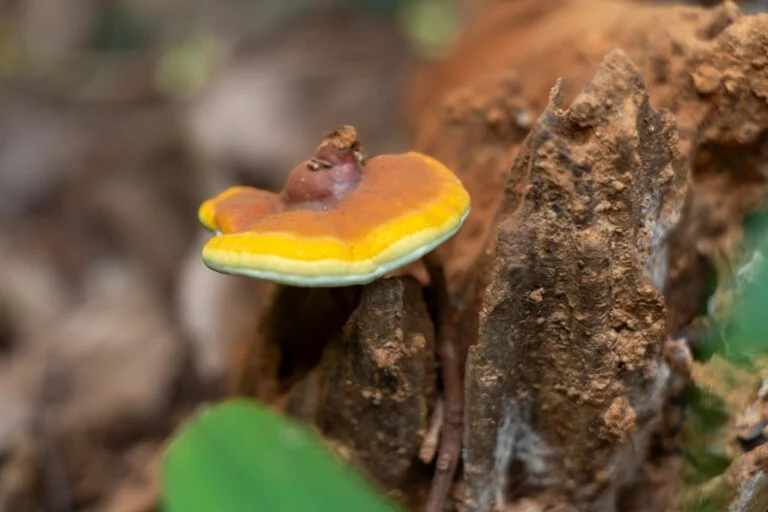
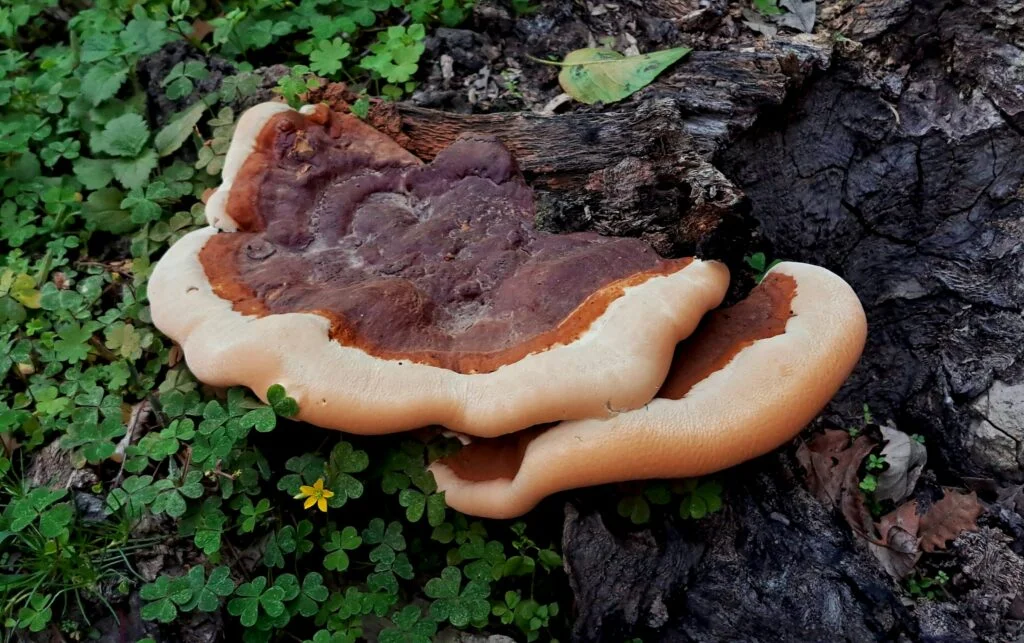
“Red reishi” is the shiny, reddish-brown mushroom most labels call Ganoderma lucidum. The naming is muddled. DNA testing of 20 reishi products found that 93% were actually Ganoderma lingzhi, the East Asian species, and none contained true European Ganoderma lucidum.
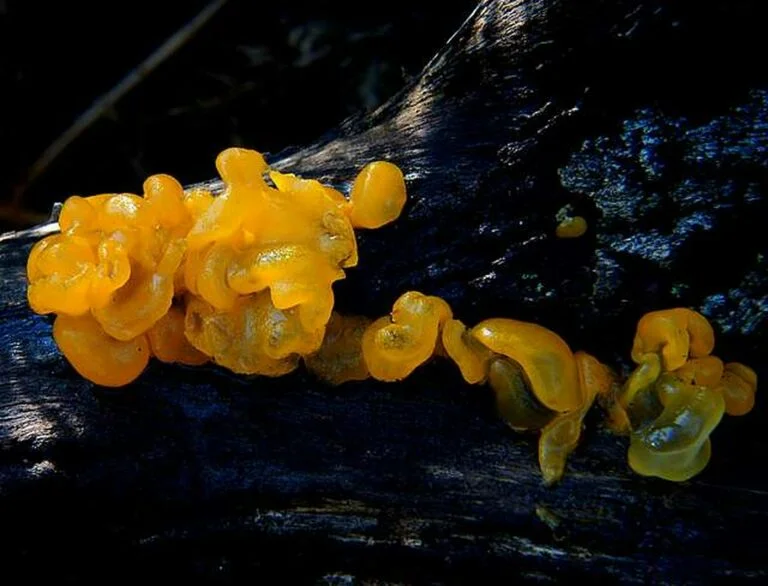
“Black reishi” is usually a darker Ganoderma, often sold as Ganoderma sinense. China uses both G. sinense and G. lucidum as lingzhi, but their triterpene and polysaccharide content differs significantly. There is no good human evidence that one colour works better. A clear label names the species and the part used (fruiting body or mycelium). More in our reishi mushroom guide. Snow fungus is a different mushroom altogether: see tremella.
Reishi tea benefits: what the evidence says
Mushrooms have no authorised health claims in Great Britain, and no trial has tested home-brewed reishi tea. Studies used extracts or powders:
- Fatigue and wellbeing: in a Chinese trial of 132 people with neurasthenia (long-term fatigue), a reishi polysaccharide extract for 8 weeks improved fatigue and wellbeing scores more than placebo.
- Immune markers: a Taiwanese trial in healthy adults found changes in immune cell counts after 84 days of a reishi beta-glucan. Changed lab markers don’t prove fewer illnesses.
- Sleep: rats given reishi extract slept longer, but there is no good human sleep trial. See reishi for sleep.
- Heart health: a Cochrane review found no support for reishi for blood sugar, blood pressure or cholesterol in people with type 2 diabetes.
So reishi tea may suit a calm evening ritual, but evidence for specific benefits is limited. Compare reishi vs ashwagandha and lion’s mane vs reishi vs cordyceps.
Reishi tea side effects and who should check first
In short trials, reishi is usually well tolerated. Reported side effects include dry mouth, rashes, upset stomach, diarrhoea, headache, nosebleeds and dizziness, according to the MSD Manual.
The liver: liver injury is rare but has been reported. In the Hong Kong and Thai case reports (one fatal), both patients had drunk traditionally boiled reishi without problems, then developed liver injury 1 to 2 months after switching to reishi powder; both took other medicines. A 2023 US case involved reishi powder with alcohol. If your skin or the whites of your eyes look yellow, stop and ask for an urgent GP appointment or call 111.
iCheck with your GP or pharmacist first if you:
- take blood thinners (warfarin, clopidogrel) or have a bleeding disorder
- have surgery planned, as reishi may raise bleeding risk
- take blood pressure medicines or have low blood pressure
- take diabetes medicines (an animal-study interaction)
- take immunosuppressants or are having chemotherapy
- are pregnant or breastfeeding: safety hasn’t been properly studied
We don’t recommend our products during pregnancy or breastfeeding. Our products are for adults (18+) only. Chaga tea carries different risks; see chaga.
When to drink reishi tea
Most people have it in the evening, 30 to 60 minutes before bed, as a caffeine-free swap for black tea or coffee. It isn’t a sedative, but a warm, unhurried drink can be a useful cue to wind down. Build it into a bedtime routine or compare it with other options in the best teas for sleep.
A reishi mug also makes an alcohol-free nightcap. For the bigger picture, see our functional mushrooms guide or our mushroom supplement buying guide.
Next step
Reishi Mushroom Adaptogenic Complex
If reishi tea is too bitter, try reishi as a hot chocolate. Our Reishi Mushroom Adaptogenic Complex gives 0.5g reishi, 0.5g maca and 0.3g cinnamon per 8g serving, with cocoa, coconut sugar and stevia. It contains a little natural caffeine from the cocoa, and its pack says it is not for pregnant or nursing women or people on medication.
Add Reishi Cacao to bag See ingredients and reviews
Rated 5.0 out of 5 from 22 verified ratings on the product page (via Lipscore, checked 12 November 2026). Vegan and made in the UK. Subscribe and save 25% on your first order, then 20%. New to Evopure? Join our emails for 20% off a one-off first order. Free UK delivery over £40. Black Friday sale, 20 to 30 November: see our Black Friday supplement deals. Our early access list can shop it now: join and your private link arrives straight away.
Subscribe £22.49One-off £29.99
View productRelated guides
- Reishi doesn’t have to be a tea: try it baked into this pumpkin chocolate protein cake.
- For what the human trials say about reishi and mood, see reishi for anxiety: what the evidence shows.
- The same fat-first rule applies to CBD tea: stir the oil into milk before pouring in the tea.
- If tea isn’t your thing, every recipe in our hot chocolate recipes guide has a reishi cacao swap.
- Prefer teabags? We checked reishi tea at Holland and Barrett and what the one chamomile and reishi blend contains.
- Prefer capsules or a powder to tea? See the best reishi supplements in the UK.
Sources 14
- MSD Manual (Consumer Version). Reishi. Reviewed July 2025.
- Memorial Sloan Kettering Cancer Center. Reishi mushroom.
- NHS. Jaundice.
- NHS. Foods to avoid in pregnancy: caffeine.
- USDA FoodData Central. Cocoa, dry powder, unsweetened (FDC 169593).
- El Sheikha AF (2022). Ganoderma lucidum as a functional food. Foods. PMID 35407117.
- Loyd AL, et al. (2018). Ganoderma species composition in commercial reishi products. Front Microbiol. PMID 30061872.
- Lv GP, et al. (2012). Sterols and fatty acids in two species of Ganoderma. Chem Cent J. PMID 22293530.
- Tang W, et al. (2005). A Ganoderma lucidum polysaccharide extract in neurasthenia. J Med Food. PMID 15857210.
- Chen SN, et al. (2023). Reishi beta-glucan in healthy adults. Foods. PMID 36766186.
- Cui XY, et al. (2012). Extract of Ganoderma lucidum prolongs sleep time in rats. J Ethnopharmacol. PMID 22207209.
- Klupp NL, et al. (2015). Ganoderma lucidum for cardiovascular risk factors. Cochrane. PMID 25686270.
- Wanmuang H, et al. (2007). Fatal hepatitis associated with Ganoderma lucidum powder. PMID 17621752.
- Guedikian R, et al. (2023). Reishi-induced acute liver injury in the setting of alcohol use. Cureus. PMID 37885515.
This guide is general information, not medical advice. Evopure makes the Reishi Mushroom Adaptogenic Complex, Magnesium Glycinate Sleep Complex and Sleep CBD Oil.