Last updated: October 2026
Ceremonial cacao is pure, minimally processed cacao: whole beans ground into a paste that keeps all their natural fat, usually single origin and melted into a warm drink. It isn’t an official grade. It contains flavanols, theobromine and some caffeine, but its mood and spiritual claims aren’t proven. Most adults can enjoy it in moderation.
Below: how it differs from cocoa powder and hot chocolate, what the evidence really says, caffeine and theobromine amounts, a simple recipe, how much to drink, and who should avoid it.
In short: ceremonial cacao is a lovely, rich drink and a nice slow ritual. Treat the health promises on the label with healthy scepticism, start with a small cup, and keep it well away from your dog.
What is ceremonial cacao?
Ceremonial cacao is cacao beans that have usually been lightly roasted, shelled and then stone-ground into a solid paste or block. Nothing is taken out, so the cocoa butter stays in. You chop or grate it, then whisk it into hot water or milk.
The name nods to Central America, where the Olmec, Maya and Aztecs used cacao as a ritual drink and a remedy (the word comes from the Mayan “kakaw”). Today “ceremonial” mostly means drinking it slowly and mindfully, in a group, a yoga class or a quiet moment at home. See mindfulness for beginners if that side appeals.
One honest point: there is no official or legal “ceremonial grade”. UK food law defines products such as cocoa powder and chocolate, but neither “ceremonial” nor “cacao” is a defined term. Quality depends entirely on the maker.
Ceremonial cacao vs cacao powder vs hot chocolate
“Cacao” and “cocoa” come from the same bean. The real differences are in processing, fat and what’s added.
| Ceremonial cacao | Cacao or cocoa powder | Hot chocolate mix | |
|---|---|---|---|
| What it is | Whole ground beans (cocoa mass), sold as a paste, block or buttons | Ground beans with much of the cocoa butter pressed out | Cocoa powder blended with sugar, often milk powder and flavourings |
| Fat | About 52g per 100g (USDA figure for 100% unsweetened chocolate) | UK cocoa powder must contain at least 20% cocoa butter; fat-reduced cocoa less than 20% | Low, but sugar is often the main ingredient |
| Processing | Usually not alkalised; often single origin | Natural, or alkalised (Dutch processed) for a darker, milder taste | Usually alkalised cocoa |
| Taste and texture | Rich, thick, slightly bitter | Lighter, thinner | Sweet |
| Typical serving | 15 to 30g in a cup | 1 to 2 heaped teaspoons | As per pack |
Processing matters for flavanols. In a survey of commercial cocoa powders, natural (non-alkalised) cocoas averaged about 35mg of flavanols per gram, while heavily alkalised ones averaged about 4mg per gram. So “raw” or “ceremonial” on a label is less important than whether the cacao has been alkalised and how it was handled. For a sugar-light everyday version, see our healthy hot chocolate guide.
Ceremonial cacao benefits: what the evidence says
Most research is on cocoa flavanols in general, not ceremonial cacao. An honest summary:
- Flavanols and blood pressure. A 2017 Cochrane review of 35 trials (1,804 mainly healthy adults) found flavanol-rich cocoa products caused a small, short-term fall in blood pressure of about 2mmHg on average (moderate-quality evidence). Trials used specific products averaging 670mg of flavanols a day for two to 18 weeks.
- The authorised cocoa flavanol claim. In GB, the wording “cocoa flavanols help maintain the elasticity of blood vessels, which contributes to normal blood flow” is authorised only for cocoa drinks or dark chocolate that provide at least 200mg of cocoa flavanols a day. Ceremonial cacao is rarely tested for flavanols, so you can’t assume a cup reaches that level, and the claim doesn’t apply to cacao drinks in general.
- Theobromine. Cacao’s main natural stimulant, a relative of caffeine. In a study of 80 healthy volunteers, 250mg had limited effects on how people felt; higher doses brought negative mood effects and a rise in heart rate.
- Mood and “heart opening”. Not established. A review of cocoa’s pharmacology concluded caffeine is the most convincing reason we like chocolate, and most other compounds are too low, or can’t reach the brain, to have a noticeable effect.
- Nutrients. Cocoa mass naturally contains fibre and minerals such as magnesium, but a single cup is a small part of your diet. See foods high in magnesium.
What many people value most is the ritual: a warm, rich drink taken slowly, without alcohol. If you’re cutting down on drinking, see damp drinking and our alcohol-free nightcaps.
Does ceremonial cacao have caffeine?
Yes, but usually less than coffee, plus a larger amount of theobromine. Amounts vary a lot with the bean, origin and serving size, so treat these as rough guides.
| Drink | Caffeine | Theobromine |
|---|---|---|
| 25g 100% cacao paste (USDA figures for unsweetened chocolate) | About 20mg | About 325mg |
| 28g ceremonial cacao (one maker’s own lab tests) | About 60 to 145mg | About 300 to 470mg |
| 10g natural cocoa powder (USDA) | About 23mg | About 205mg |
| A cup of tea (NHS) | About 75mg | Not listed |
| A cup of instant coffee (NHS) | About 100mg | Not listed |
EFSA says up to 400mg of caffeine a day, and single doses up to 200mg, are not a safety concern for healthy adults (excluding pregnancy). A cup of ceremonial cacao fits comfortably within that for most people, but count it alongside your coffee and tea. If caffeine makes you jittery, see does caffeine cause anxiety? and coffee crash.
How to make ceremonial cacao
This makes one cup. If you’re new to it, start at the lower amount.
- Chop 15 to 25g of cacao paste finely (about 1 to 2 tablespoons once chopped), or use buttons or shavings.
- Heat 150 to 200ml of water or milk in a pan until steaming but not boiling.
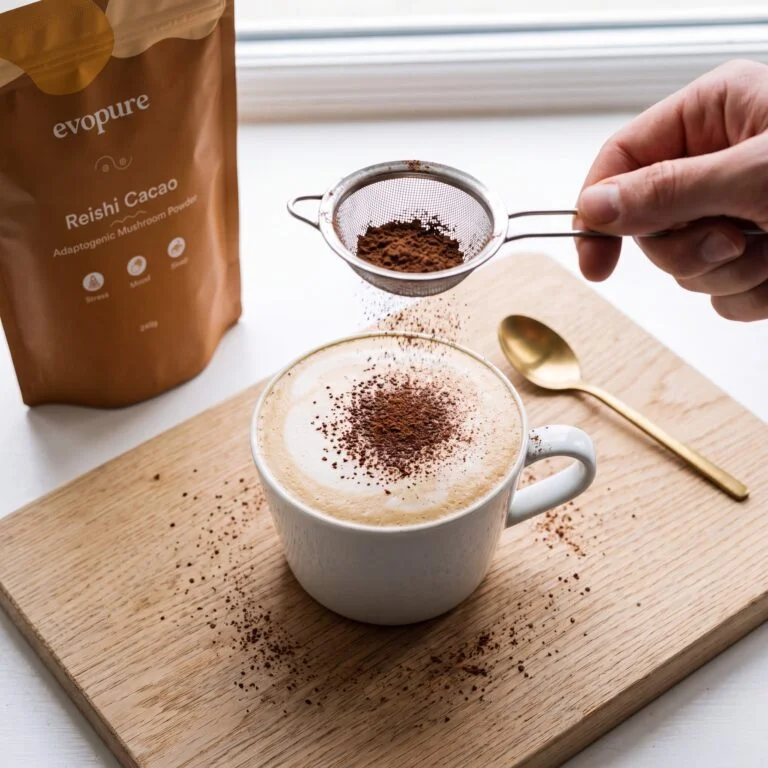
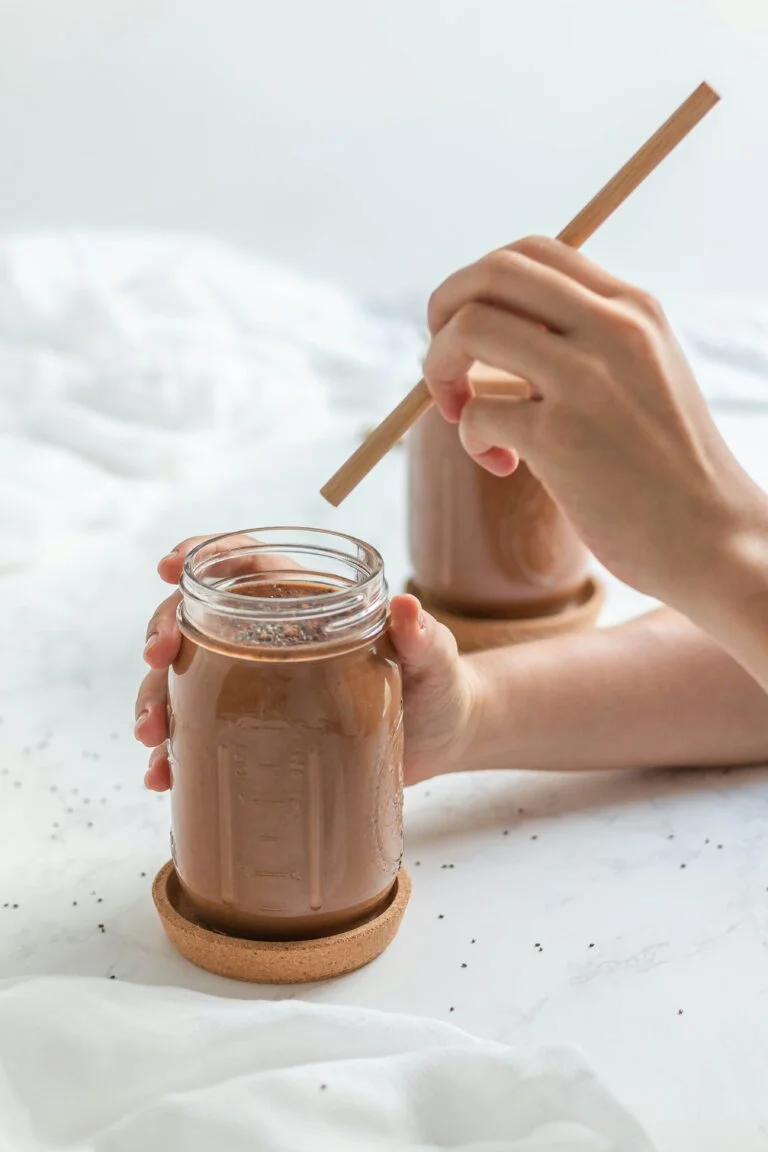
- Add the cacao off the heat and whisk until fully melted and frothy. A milk frother or blender gives a silky, foamy cup.
- Season to taste: a pinch of cinnamon, a little vanilla, a tiny pinch of chilli or sea salt.
- Sweeten lightly if you like, with a teaspoon of honey or maple syrup. Pure cacao is quite bitter.
- Sip slowly, ideally with a few quiet minutes and no phone.
Water or milk? Water is traditional and lets the cacao’s flavour come through. Oat, almond or dairy milk makes it creamier and closer to a hot chocolate; half and half is a good middle ground.
Using cacao powder instead? Whisk 1 to 2 heaped teaspoons (around 5 to 10g) of natural, non-alkalised cacao powder into a splash of the hot liquid to make a paste, then top up. It’s lighter and lower in fat. Our reishi cacao guide has a version with mushroom extract.
How much ceremonial cacao should you drink, and when?
Sellers’ serving suggestions vary widely; one US maker uses 28g as its standard cup. For most adults, 15 to 25g once a day is a sensible everyday amount. Start at 10 to 15g to see how you feel, especially if you’re sensitive to caffeine.
Bear in mind that 25g of cacao paste is roughly 160 calories before any milk or sweetener (USDA figures), so it’s closer to a small snack than a cup of tea.
Best time to drink it: many people enjoy it mid-morning as a softer alternative to coffee. A full-strength cup late in the evening can keep some people awake, so keep evening cups small and early. See eating before bed and reishi for sleep for other evening ideas.
Ceremonial cacao side effects and who should avoid it
Most adults tolerate cacao well. In the Cochrane review, about 1% of people taking cocoa products reported stomach upset or nausea. Larger servings are more likely to cause problems, mainly from the caffeine and theobromine.
- Racing heart, jitters or poor sleep. The NHS lists caffeine among common causes of heart palpitations. Cut down if you notice them, and see a GP if palpitations keep coming back. Call 999 if they come with chest pain, breathlessness or fainting.
- Pregnancy and breastfeeding. The NHS advises no more than 200mg of caffeine a day in pregnancy, from all sources, including chocolate. Keep cacao servings small and count them. Check with your midwife or GP before using strong ceremonial servings.
- Medicines and health conditions. If you take regular medication, have a heart condition, or have been told to limit caffeine, ask your GP or pharmacist first.
- Heartburn. The NHS lists chocolate, coffee and fatty foods among common heartburn triggers. If cacao sets yours off, have smaller cups or skip it.
- Children. Full ceremonial servings aren’t meant for children.
- Dogs and other pets. Theobromine is harmless to people at normal intakes but toxic to dogs, because they struggle to break it down. PDSA says cocoa powder is especially toxic, and pure cacao is similar. If your dog eats any, keep the packaging and call your vet immediately; don’t wait for symptoms.
Ceremonial cacao in the UK: origin, fair trade and what to look for
Cacao is grown mainly in West Africa, Latin America and South-East Asia, and around six million people depend on cocoa farming. Many farmers live in poverty, and Fairtrade reports more than 1.5 million children working on cocoa farms in Côte d’Ivoire and Ghana. Ceremonial cacao sold in the UK is usually single origin, often with a story about the growers.
Because “ceremonial” isn’t a regulated term, look for proof rather than poetry:
- Named origin and farm or co-operative, not just “ancient” or “sacred”.
- Fair trade or direct trade details, such as Fairtrade certification, which gives farmers a minimum price and a premium to invest.
- 100% cacao with nothing added.
- Lab testing on request, including heavy metals, which reputable makers can share.
- Sensible wording. Be wary of sellers who say cacao treats anxiety, depression or any other condition.
A daily cacao drink with reishi
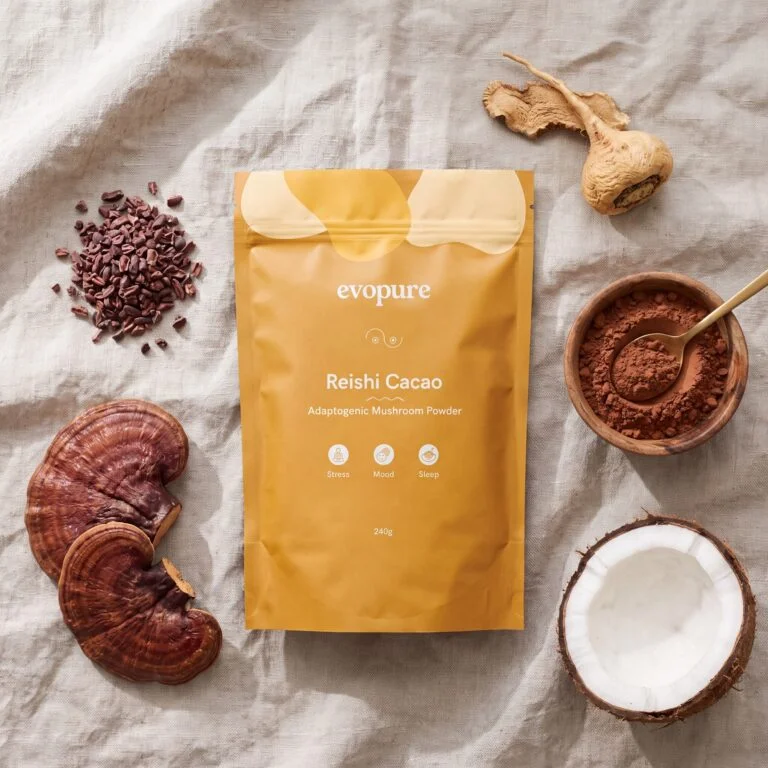
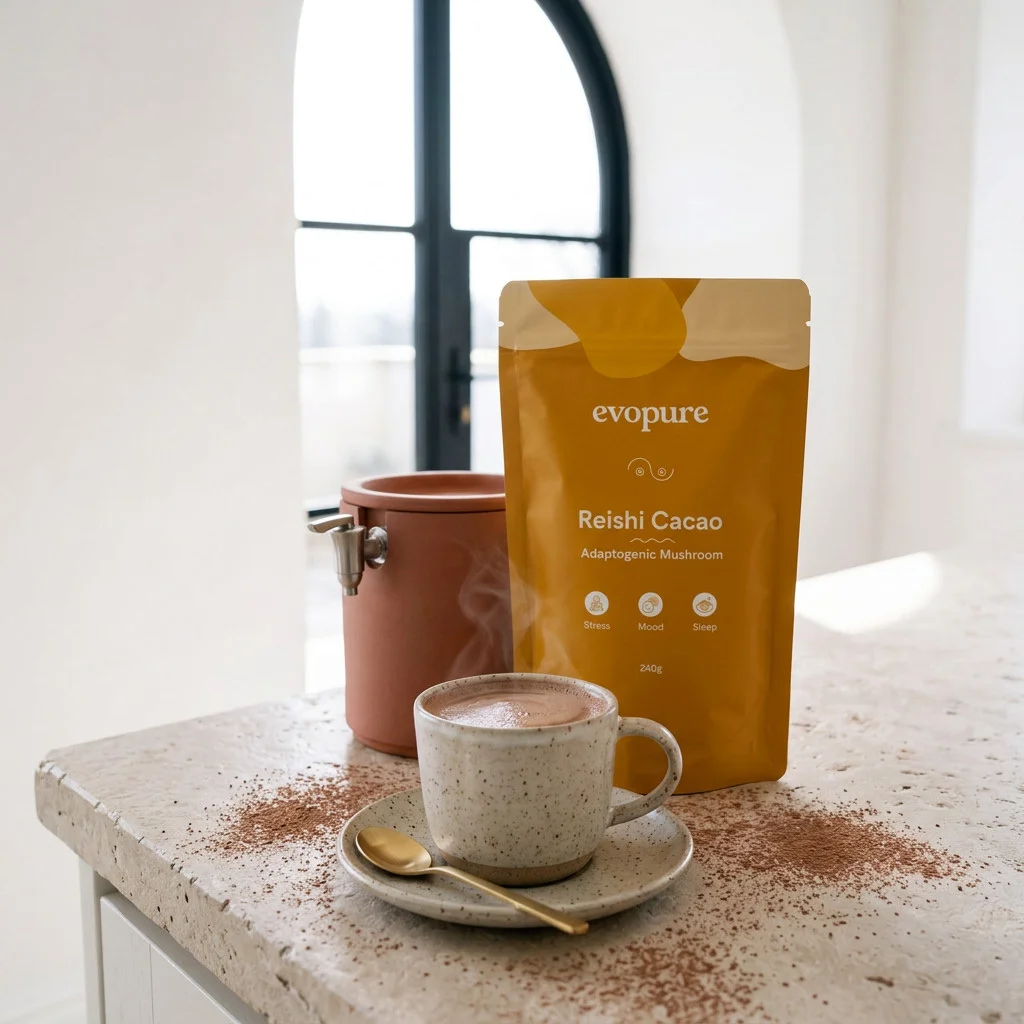
To be clear, our Reishi Mushroom Adaptogenic Complex isn’t ceremonial cacao. It’s a ready-to-stir reishi hot chocolate for every day, made with reishi mushroom extract, organic cacao, maca, coconut milk powder and coconut sugar. You stir it into warm milk or water, hot or iced, with no chopping or whisking.
It’s vegan, made in the UK and third-party lab tested, for adults only. It contains cacao, so it naturally contains a little caffeine and theobromine. We don’t make health claims for reishi or cacao. If you like the idea of a cacao ritual without the bitterness or the prep, it’s an easy place to start. Learn more about the mushroom itself in our reishi mushroom guide and how mushroom drinks compare in mushroom coffee, mushroom tea and best mushroom supplement UK.
FAQs
Does ceremonial cacao have caffeine?
Yes. 25g of pure cacao paste has roughly 20mg by USDA figures, though one maker’s lab tests found 60 to 145mg per 28g. It also contains around 300mg or more of theobromine, a milder stimulant.
What’s the difference between ceremonial cacao and cacao powder?
Ceremonial cacao is whole ground cacao beans with all the cocoa butter left in, sold as a paste or block. Cacao powder has much of the fat pressed out, so it’s lighter, thinner and lower in calories.
Is ceremonial cacao good for you?
In moderation it’s a rich, low-sugar drink. Research on high-flavanol cocoa is encouraging, but ceremonial cacao is rarely tested for flavanols and its mood claims aren’t proven.
Is ceremonial cacao good for blood pressure?
Trials of flavanol-rich cocoa found a small, short-term drop of about 2mmHg on average in mainly healthy adults. Ceremonial cacao isn’t a treatment for high blood pressure. If you have high blood pressure, follow your GP’s advice.
Can you drink ceremonial cacao every day?
Most healthy adults can enjoy 15 to 25g a day. Count its caffeine alongside coffee and tea, and cut back if you notice a racing heart, jitters or poor sleep.
Can I drink ceremonial cacao at night?
It contains caffeine and theobromine, so a full cup late in the evening can keep some people awake. Have it earlier in the day, or keep an evening cup small.
Is ceremonial cacao safe in pregnancy?
The NHS advises no more than 200mg of caffeine a day in pregnancy, including from chocolate. Keep servings small, count them and check with your midwife or GP. We don’t recommend our products during pregnancy or breastfeeding.
Sources
- Ried K, Fakler P, Stocks NP. Effect of cocoa on blood pressure. Cochrane Database Syst Rev, 2017. PMID 28439881.
- legislation.gov.uk. Regulation (EU) No 851/2013, Annex: cocoa flavanols health claim and conditions of use.
- Miller KB et al. Impact of alkalization on the antioxidant and flavanol content of commercial cocoa powders. J Agric Food Chem, 2008. PMID 18710243.
- Baggott MJ et al. Psychopharmacology of theobromine in healthy volunteers. Psychopharmacology, 2013. PMID 23420115.
- Smit HJ. Theobromine and the pharmacology of cocoa. Handb Exp Pharmacol, 2011. PMID 20859797.
- Dillinger TL et al. Food of the gods: cure for humanity? A cultural history of the medicinal and ritual use of chocolate. J Nutr, 2000. PMID 10917925.
- legislation.gov.uk. The Cocoa and Chocolate Products (England) Regulations 2003, Schedule 1.
- USDA FoodData Central: Baking chocolate, unsweetened, squares (FDC 167568) and Cocoa, dry powder, unsweetened (FDC 169593).
- EFSA. Caffeine.
- NHS. Foods to avoid in pregnancy (caffeine), Heart palpitations and Heartburn and acid reflux.
- PDSA. Chocolate poisoning in dogs.
- Fairtrade. Fairtrade cocoa and chocolate.
- Soul Lift Cacao. Ceremonial cacao lab testing for caffeine and theobromine (a maker’s own data).
This guide is general information, not medical advice. Evopure makes the Reishi Mushroom Adaptogenic Complex.