


Last updated: October 2026
Lion’s mane is the mushroom people choose for focus and memory, reishi for winding down in the evening, and cordyceps for energy and exercise. Human research on all three is small and early, with lion’s mane’s memory trials the most promising. Pick by the time of day and goal, and give any of them at least four weeks.
Below: a side-by-side comparison, what the human trials actually found, head-to-head answers (cordyceps vs lion’s mane, reishi vs cordyceps, lion’s mane vs reishi), how to take them, and who should avoid them.
At a glance
| Lion’s mane | Reishi | Cordyceps | |
|---|---|---|---|
| Main interest | Focus, memory | Calm, evenings, sleep routine | Energy, exercise |
| Best time | Morning | Evening | Morning or before exercise |
| Taste | Mild, slightly seafood-like | Very bitter | Mild, earthy |
| Strongest human evidence | Small memory trials in older adults | Small trial on fatigue | Small, mixed exercise trials |
| Typical amounts in trials | 1 to 3g a day | Varies widely by extract | About 1 to 3g a day |
| Our guide | Lion’s mane | Reishi | Cordyceps |
What the research shows
Lion’s mane
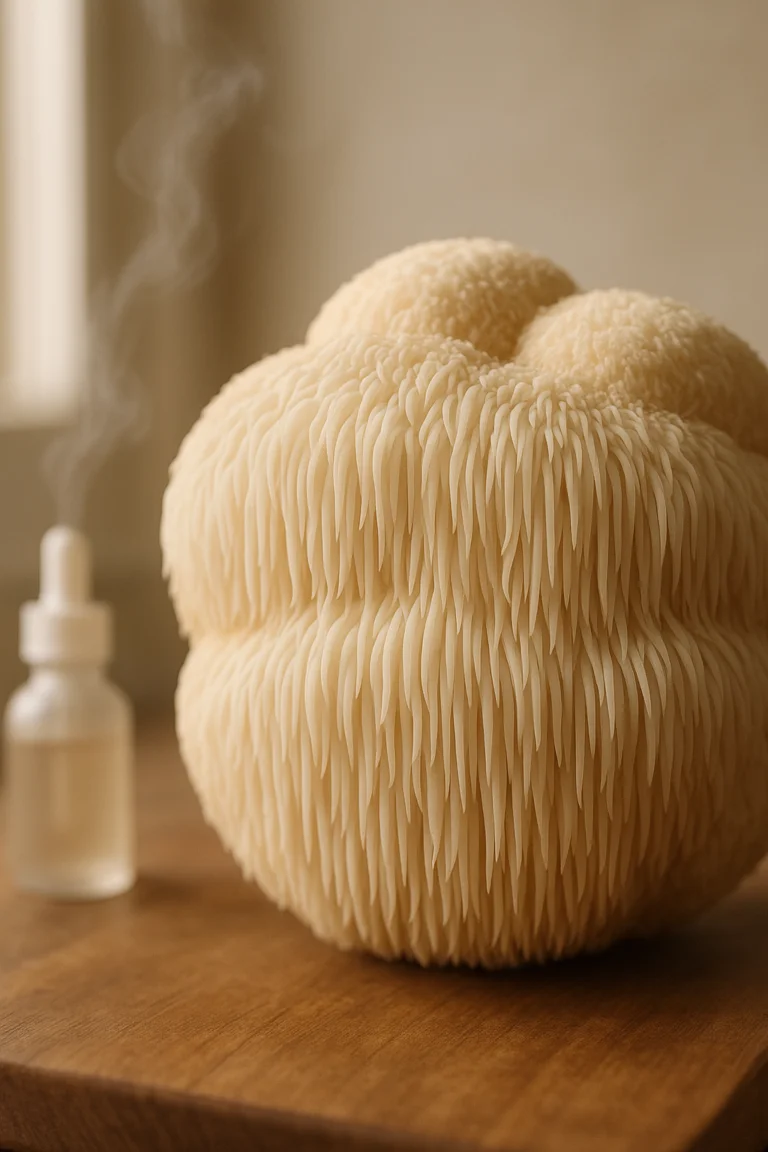
- In a Japanese trial of 30 adults aged 50 to 80 with mild cognitive decline, 3g a day of lion’s mane powder for 16 weeks improved cognitive scores compared with placebo. The benefit faded within four weeks of stopping.
- A smaller 12-week Japanese study also found improved scores on one cognitive test.
- In 41 healthy adults aged 18 to 45, a single 1.8g dose made people slightly quicker on one attention test. After 28 days there was no clear change in cognition, only a trend towards lower stress.
Reishi
- In a Chinese trial of 132 people with neurasthenia (long-term fatigue and low wellbeing), a reishi extract for 8 weeks improved symptoms more than placebo.
- There’s little good human research on reishi and sleep; most of it is in animals. See reishi for sleep.
Cordyceps
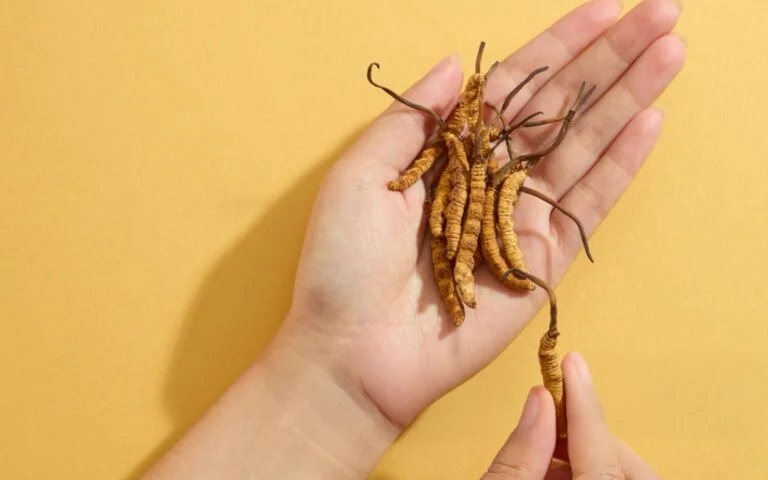
- In 20 healthy adults aged 50 to 75, a cordyceps extract for 12 weeks improved some measures of exercise capacity compared with placebo.
- In 22 trained cyclists, 5 weeks of the same type of extract made no difference to endurance or performance.
Overall: these are small trials, often using a specific extract. They’re promising enough to be interesting, not strong enough to promise results.
Cordyceps vs lion’s mane
Both are daytime mushrooms, but for different jobs. Lion’s mane is the one people use for mental focus and memory, and it has the better human evidence of the two. Cordyceps is the one people use for physical energy and workouts, but its exercise trials are mixed. If you want a sharper working day, start with lion’s mane; if you want something before the gym or a run, cordyceps. Many people take both in the morning.
Reishi vs cordyceps
These are opposites in how people use them. Reishi belongs to the evening, as part of a wind-down routine. Cordyceps belongs to the morning or before exercise. They aren’t competing choices: some people take cordyceps in the day and reishi at night.
Lion’s mane vs reishi
Lion’s mane for daytime focus, reishi for evening calm. If stress is what’s hurting your focus, an evening routine with reishi plus a morning lion’s mane is a common pairing. See best mushrooms for anxiety.
Can you take them together?
Yes. There’s no known problem with combining these three mushrooms in healthy adults, and many blends do. Split them by time of day: lion’s mane and cordyceps in the morning, reishi in the evening. Add one at a time so you can tell what suits you.
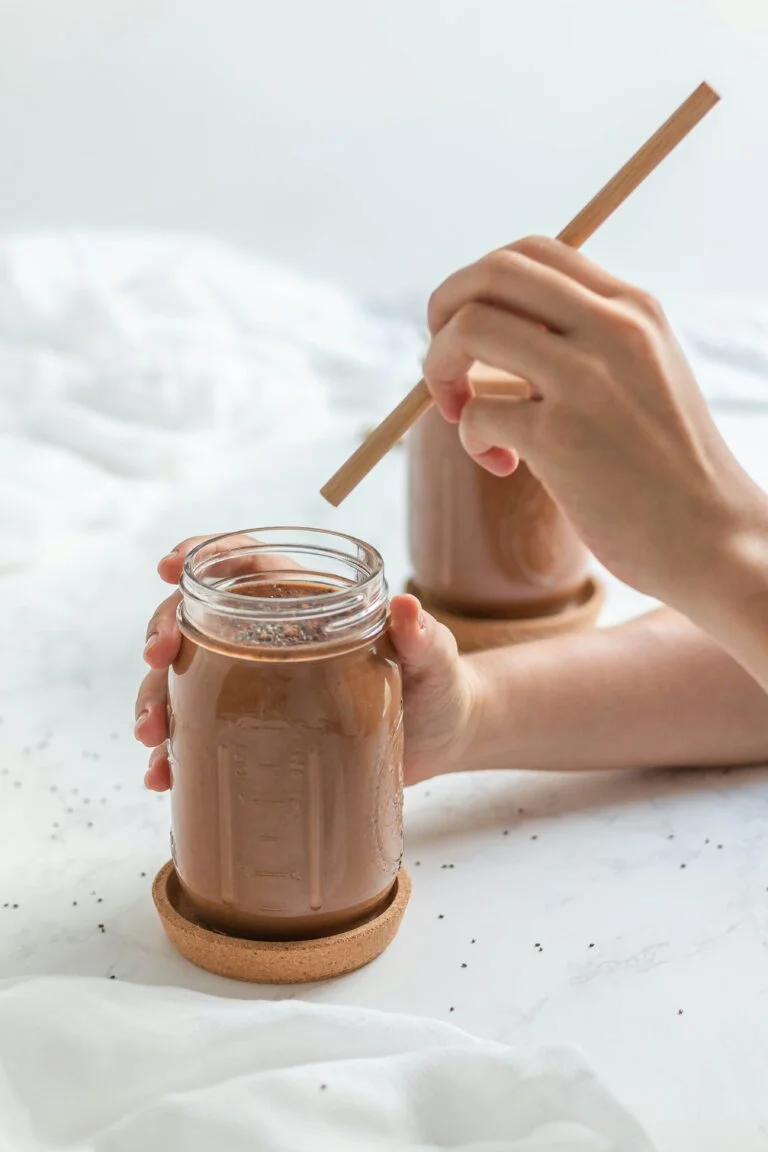
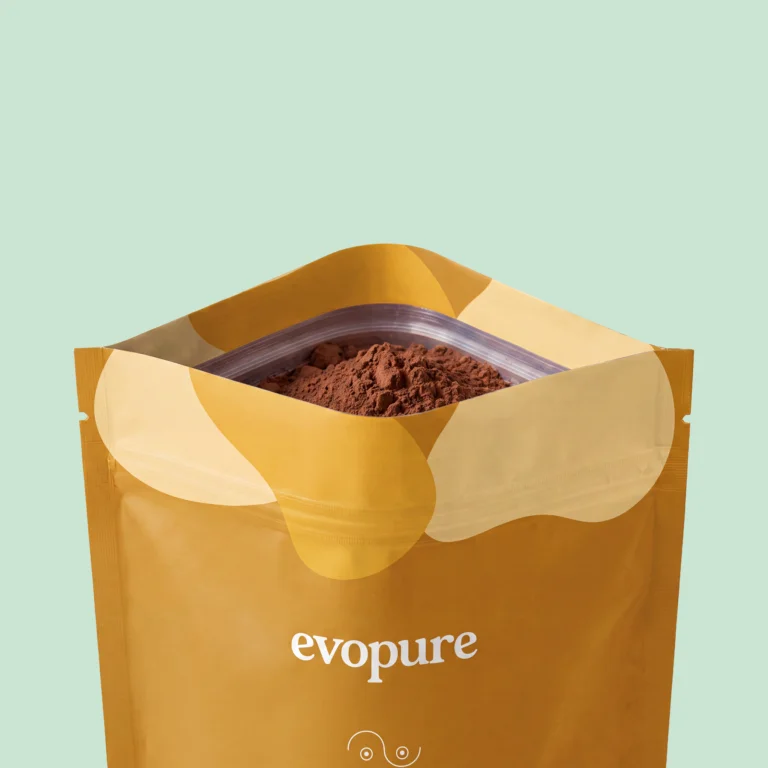
Our Reishi Mushroom Adaptogenic Complex is an evening hot chocolate made with reishi extract, cacao, maca and coconut milk. It pairs well with our Magnesium Glycinate Sleep Complex, as magnesium contributes to normal psychological function and the reduction of tiredness and fatigue.
How to take them
- Choose extracts from the fruiting body (the mushroom itself), and look for products that state the extract strength or beta-glucan content.
- Be consistent: daily for at least four weeks before judging.
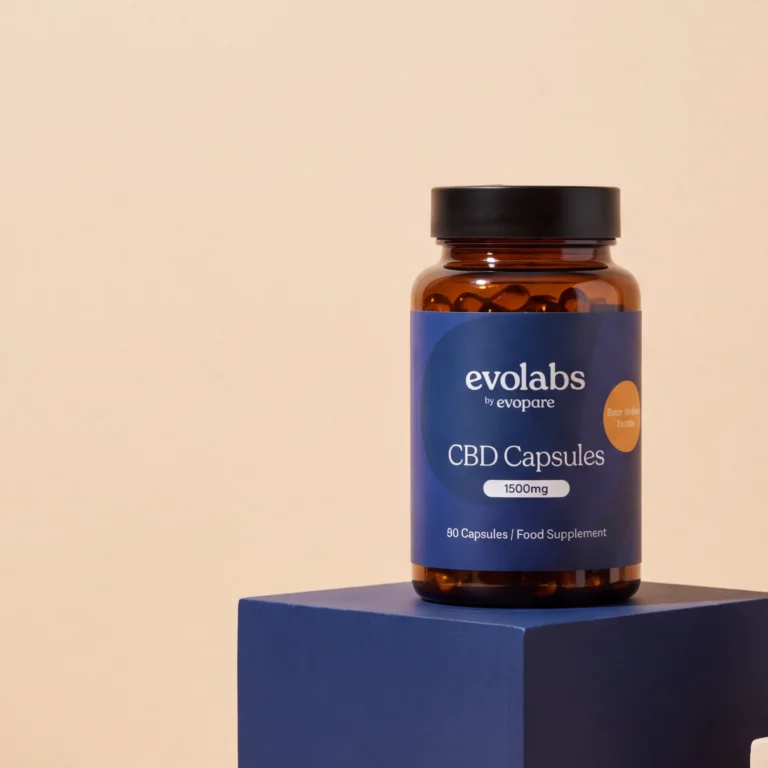
- Formats: powders stir into coffee, cacao or smoothies; capsules are tasteless; teas suit reishi. See mushroom tea and mushroom coffee.
- Follow the label dose, as extract strengths vary a lot.
For a wider overview, see our functional mushrooms guide.
Side effects and who should avoid them
| Mushroom | Possible side effects | Check with your GP or pharmacist if you… |
|---|---|---|
| Lion’s mane | Stomach upset, skin rash; allergic reactions in people sensitive to mushrooms | Have a mushroom allergy or take diabetes medication |
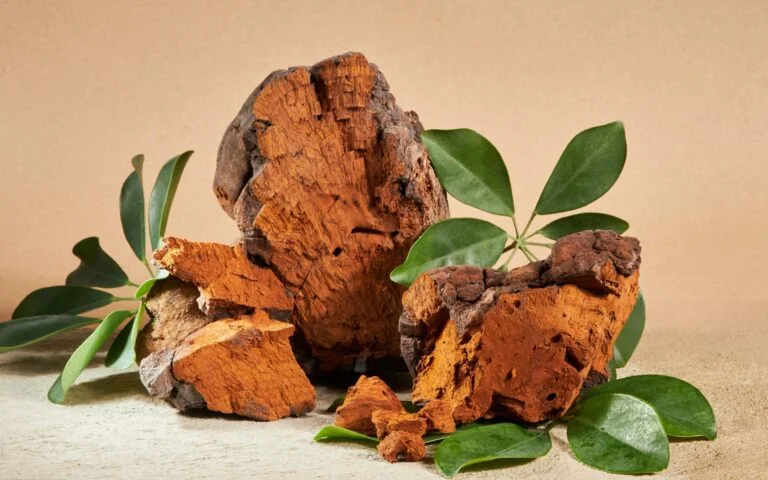
| Reishi | Dry mouth, stomach upset; rare reports of liver problems with powdered reishi | Take blood thinners, blood pressure or diabetes medicines, or have liver problems |
| Cordyceps | Stomach upset, dry mouth | Take blood thinners, diabetes medicines or immunosuppressants, or have an autoimmune condition |
Avoid all three in pregnancy and breastfeeding, as there isn’t enough safety data. Stop two weeks before surgery. They’re not psychoactive or addictive, and standard drug tests don’t screen for them.
FAQs
Which is better, lion’s mane or reishi?
They do different jobs. Lion’s mane is used in the morning for focus and memory; reishi in the evening as part of a wind-down routine. Many people take both.
Is cordyceps or lion’s mane better for energy?
Cordyceps is the one used for physical energy and exercise. Lion’s mane is used for mental focus. Human evidence for both is small and early.
Can I take lion’s mane, reishi and cordyceps together?
Yes, healthy adults can combine them. Take lion’s mane and cordyceps in the morning and reishi in the evening, and add one at a time.
Does lion’s mane show up on a drug test?
No. Lion’s mane isn’t psychoactive and standard workplace drug tests don’t screen for it.
Is lion’s mane addictive?
There’s no evidence that lion’s mane is addictive. It isn’t psychoactive.
How long do functional mushrooms take to work?
Most trials ran for 8 to 16 weeks. Take them daily for at least four weeks before deciding whether they help.
Sources
- Mori K et al. Improving effects of the mushroom Yamabushitake (Hericium erinaceus) on mild cognitive impairment. Phytother Res, 2009.
- Saitsu Y et al. Improvement of cognitive functions by oral intake of Hericium erinaceus. Biomed Res, 2019.
- Docherty S et al. The acute and chronic effects of lion’s mane mushroom supplementation on cognitive function, stress and mood in young adults. Nutrients, 2023.
- Tang W et al. A randomized, double-blind and placebo-controlled study of a Ganoderma lucidum polysaccharide extract in neurasthenia. J Med Food, 2005.
- Chen S et al. Effect of Cs-4 (Cordyceps sinensis) on exercise performance in healthy older subjects. J Altern Complement Med, 2010.
- Parcell AC et al. Cordyceps sinensis (CordyMax Cs-4) supplementation does not improve endurance exercise performance. Int J Sport Nutr Exerc Metab, 2004.