Last updated: October 2026
Lion’s mane has the most human evidence for anxiety: two small studies found lower anxiety and depression scores after 4 to 8 weeks. Reishi is the traditional calming mushroom and reduced fatigue in a controlled trial. Cordyceps is better known for energy. The evidence is promising but early, and mushrooms aren’t a treatment for anxiety disorders.
Below: the best functional mushrooms for anxiety ranked by evidence, how to take them, safety, and a note on psilocybin research.
Best mushrooms for anxiety, ranked by evidence
| Mushroom | Best human evidence | Best time to take |
|---|---|---|
| 1. Lion’s mane | Two small studies: lower anxiety and depression scores after 4 to 8 weeks | Morning or daytime |
| 2. Reishi | A controlled trial found less fatigue and better wellbeing over 8 weeks; calming evidence mostly from animals | Evening |
| 3. Cordyceps | Some evidence for exercise tolerance; no good anxiety trials | Morning |
| Chaga, turkey tail | No human anxiety evidence | Not recommended for anxiety |
1. Lion’s mane
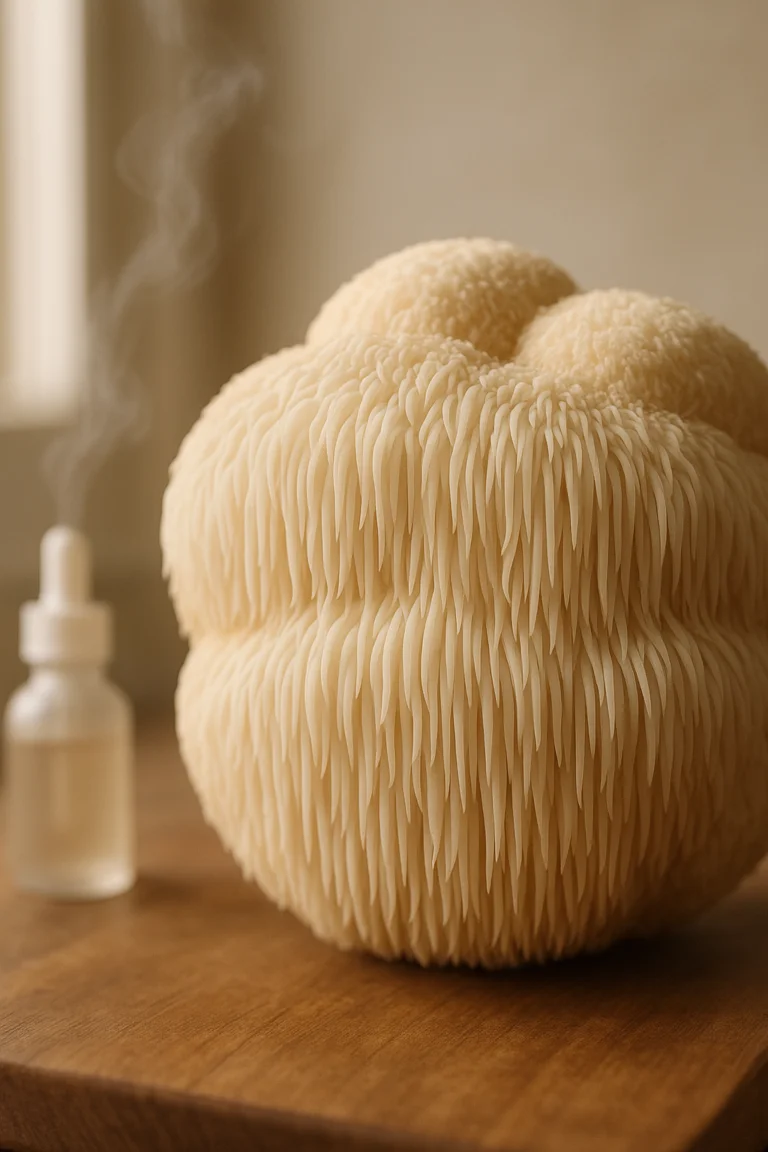
Lion’s mane (Hericium erinaceus) contains compounds called hericenones and erinacines, which stimulate nerve growth factor in lab studies. In a placebo-controlled study, 30 women who ate cookies containing lion’s mane for 4 weeks had lower depression and anxiety scores than those on placebo. A 2019 study of 77 adults with overweight found lower depression, anxiety and sleep-problem scores after 8 weeks of supplementation. Both studies are small, so larger trials are needed. A 2023 UK pilot trial at Northumbria University gave 41 healthy young adults 1.8g of lion’s mane or a placebo daily for 28 days and found a trend towards lower stress that just missed statistical significance.
Lion’s mane is usually taken in the morning or daytime, and many people pair it with coffee. Read more: lion’s mane benefits.
2. Reishi
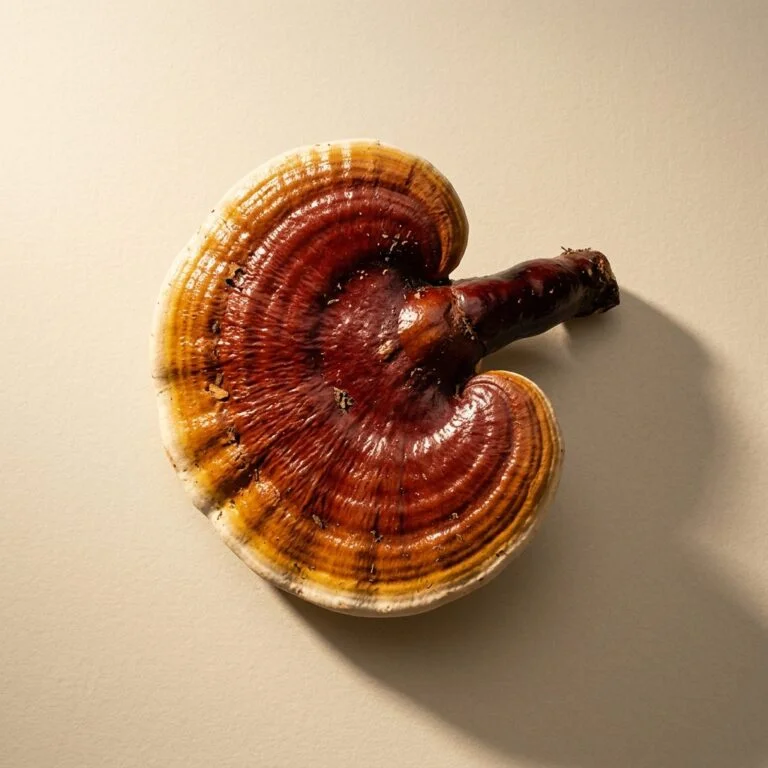
Reishi (Ganoderma lucidum) is the classic “calming” mushroom of traditional Chinese medicine. In a controlled trial of 132 adults with neurasthenia, a condition involving long-term fatigue, irritability and poor sleep, reishi extract over 8 weeks improved fatigue and wellbeing more than placebo. Animal studies show calming effects, but human anxiety trials are lacking. A small 2020 pilot trial in women with fibromyalgia found no significant difference from placebo on mood, although scores trended in the right direction.
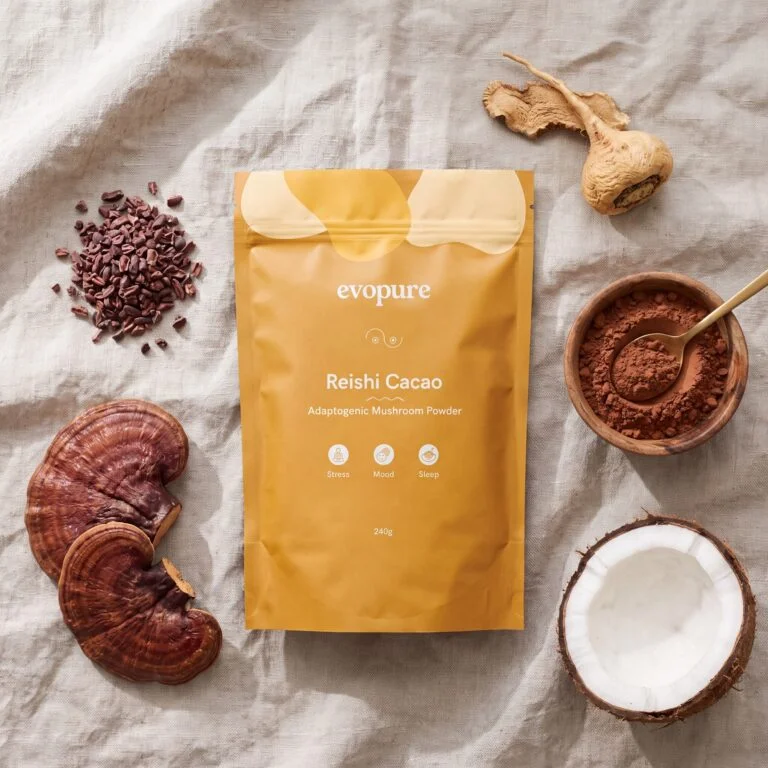
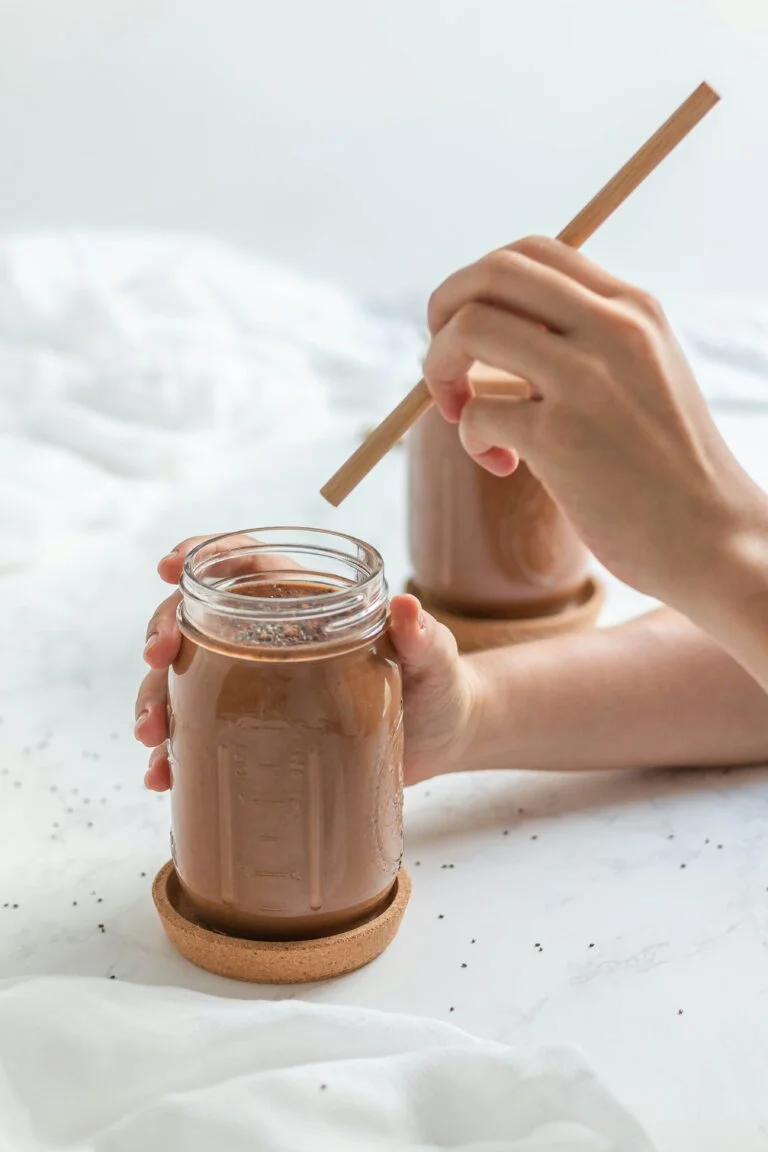
Reishi suits an evening routine. Our Reishi Mushroom Adaptogenic Complex combines reishi extract with organic cacao and maca as a warm drink. Read more: reishi for sleep and reishi for stress and focus.
3. Cordyceps
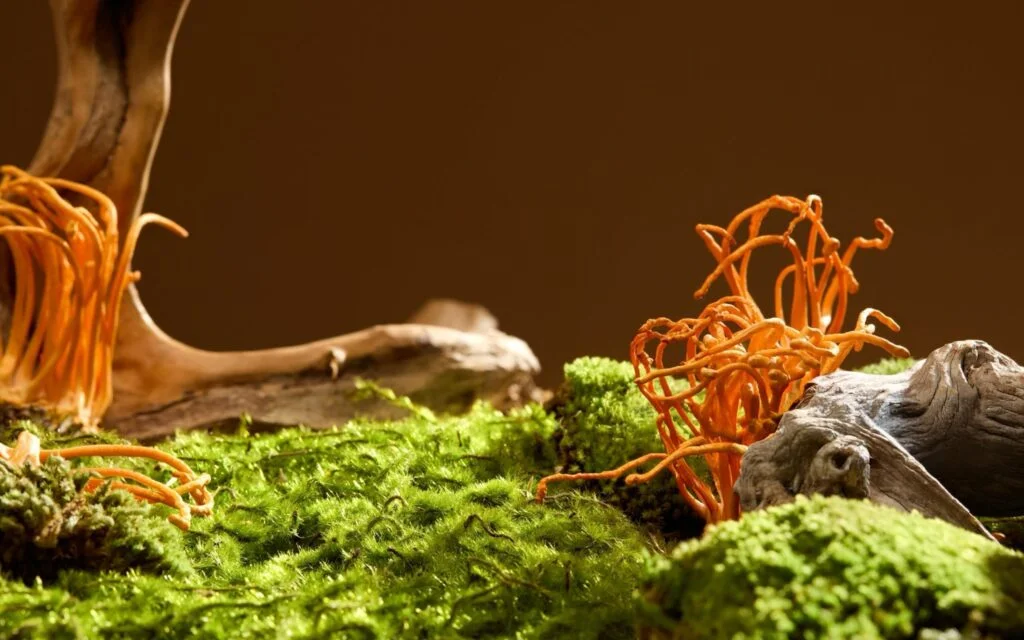
Cordyceps is best known for energy and exercise. A 2017 trial found a cordyceps blend improved tolerance to high-intensity exercise after 3 weeks. Some people find that feeling more energetic helps with stress, but there’s no good evidence that cordyceps reduces anxiety directly. If anxiety makes you jittery, take it earlier in the day. Read more: cordyceps vs lion’s mane.
Mushrooms for depression: what the research shows
Most people searching for the best mushroom for anxiety also ask about low mood, and the evidence overlaps:
| Evidence | What it found |
|---|---|
| Lion’s mane, 2010 (30 women, 4 weeks) | Lower depression scores than before; anxiety tended to be lower than placebo |
| Lion’s mane, 2019 (77 adults with overweight, 8 weeks) | Lower depression, anxiety and sleep-problem scores |
| Reishi, 2020 (women with fibromyalgia, 6 weeks) | No significant difference from placebo; a trend towards better mood |
| Eating mushrooms, 2021 (24,699 US adults) | People who ate mushrooms had lower odds of depression; this shows a link, not cause and effect |
So lion’s mane is the most studied mushroom for mood, but the trials are small and short. Depression needs proper support: speak to your GP, especially if low mood lasts more than 2 weeks. If you ever feel unable to keep yourself safe, call 999 or Samaritans on 116 123.
What about chaga and turkey tail?
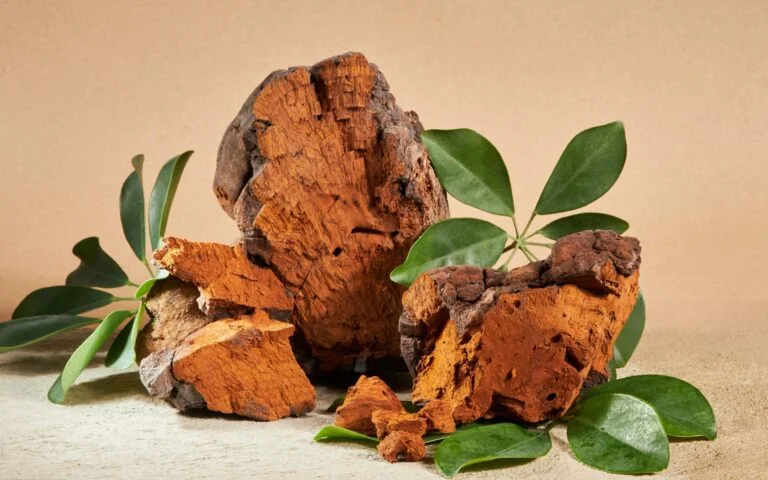
Chaga and turkey tail are popular for general wellbeing, but there’s no human evidence for anxiety. Chaga is also very high in oxalates and has been linked to kidney damage when taken in large amounts. See chaga mushroom and turkey tail.
How to take mushrooms for anxiety
- Choose an extract of the fruiting body, with stated beta-glucans or an extract ratio, rather than plain powder.
- Follow the label dose and take it daily; any effects build over 4 to 8 weeks.
- Match the mushroom to the time of day: lion’s mane or cordyceps in the morning, reishi in the evening.
- Pick a format you’ll stick with: capsules, powders in coffee or hot chocolate, or tea. See how to make mushroom tea.
- Keep a simple diary of mood and sleep so you can judge any change honestly.
Compare mushrooms in lion’s mane vs reishi vs cordyceps and the functional mushrooms UK guide.
Side effects and who should avoid them
Functional mushrooms are generally well tolerated. Possible side effects include stomach upset and, rarely, skin rashes. Check with your GP or pharmacist first if you:
- take antidepressants, anti-anxiety medicines, blood thinners, diabetes or blood pressure medicines
- have an autoimmune condition or take immunosuppressants
- have liver or kidney disease
- are pregnant or breastfeeding
- are allergic to mushrooms or moulds
Don’t stop or change prescribed medication without speaking to your doctor.
Psilocybin (“magic”) mushrooms and anxiety
You may have read about psilocybin, the active compound in “magic” mushrooms, being studied for depression and anxiety. These are carefully controlled clinical trials, with screening, preparation and trained therapists present throughout. Outside research, psilocybin mushrooms are a Class A drug in the UK, and taking them can trigger severe anxiety and panic. They’re completely different from the functional mushrooms in this guide.
Other options with evidence
For anxiety, the strongest evidence is for talking therapies such as CBT, regular exercise, good sleep and, where needed, medication. Supplements that some people find helpful include magnesium (which contributes to normal psychological function), L-theanine, ashwagandha and CBD. If anxiety is affecting your daily life, speak to your GP or refer yourself to NHS Talking Therapies.
Related guides
- For how to choose a good product, see best mushroom supplement UK.
- Natural ways to lift your mood.
- How to deal with anxiety.
FAQs
What is the best mushroom for anxiety?
Lion’s mane has the most human evidence, from two small studies showing lower anxiety and depression scores. Reishi is the traditional calming choice for evenings.
What is the best mushroom for anxiety and depression?
Lion’s mane, based on small human studies. Evidence is early, so speak to your GP if you have symptoms of depression; mushrooms aren’t a treatment.
Is reishi or lion’s mane better for anxiety?
Lion’s mane has more direct human evidence for anxiety; reishi is more often used for evening calm and sleep. Some people take lion’s mane by day and reishi at night.
Do mushroom supplements lower cortisol?
There’s little human evidence that functional mushrooms lower cortisol. Ashwagandha has better evidence for that.
How long do mushrooms take to work for anxiety?
Studies ran for 4 to 8 weeks, so take them daily for at least a month before judging.
Can I take mushrooms with antidepressants?
Check with your GP or pharmacist first. There’s limited interaction research, and some mushrooms may affect other medicines.
Can I take mushrooms with CBD?
Many people combine them. Check with a pharmacist if you take regular medication, as CBD can interact with some medicines.
Sources
- Nagano M et al (2010). Reduction of depression and anxiety by 4 weeks Hericium erinaceus intake. Biomedical Research.
- Vigna L et al (2019). Hericium erinaceus improves mood and sleep disorders in patients affected by overweight or obesity. Evidence-Based Complementary and Alternative Medicine.
- Tang W et al (2005). A randomized, double-blind and placebo-controlled study of a Ganoderma lucidum polysaccharide extract in neurasthenia. Journal of Medicinal Food.
- Docherty S et al (2023). The acute and chronic effects of lion’s mane mushroom supplementation on cognitive function, stress and mood in young adults. Nutrients.
- Pazzi F et al (2020). Ganoderma lucidum effects on mood and health-related quality of life in women with fibromyalgia. Healthcare.
- Ba DM et al (2021). Mushroom intake and depression: a population-based study using data from NHANES, 2005 to 2016. Journal of Affective Disorders.
- Hirsch KR et al (2017). Cordyceps militaris improves tolerance to high-intensity exercise after acute and chronic supplementation. Journal of Dietary Supplements.
- NHS. Generalised anxiety disorder in adults.
This guide is general information, not medical advice. Evopure makes the Reishi Mushroom Adaptogenic Complex.