














Last updated: October 2026
Sleep paralysis is when your mind wakes during dream (REM) sleep while your body is still switched off, so you can’t move or speak for seconds to minutes. It’s common, and the NHS says it’s harmless. Poor sleep, irregular hours, stress and sleeping on your back make it likelier. See a GP if it’s frequent or frightening.
Below: what sleep paralysis feels like, why you might keep getting it, why it happens more on your back, what’s going on in the brain, whether it’s dangerous, the “old hag” and spiritual stories, what to do during an episode, how to prevent it, and when to see your GP.
What does sleep paralysis feel like?
According to the NHS, during sleep paralysis you may feel:
- awake but unable to move, speak or open your eyes
- like someone is in your room
- like something is pushing you down, often on your chest
- frightened
Some people also see or hear things that aren’t there. This is why sleep paralysis has been linked through history to stories of “night hags” and demons. These feelings can last up to several minutes, then pass on their own.
It can happen as you drift off or as you wake up. It’s a different thing from hypnic jerks, the sudden twitch as you fall asleep, and from nightmares, which you wake up from fully.
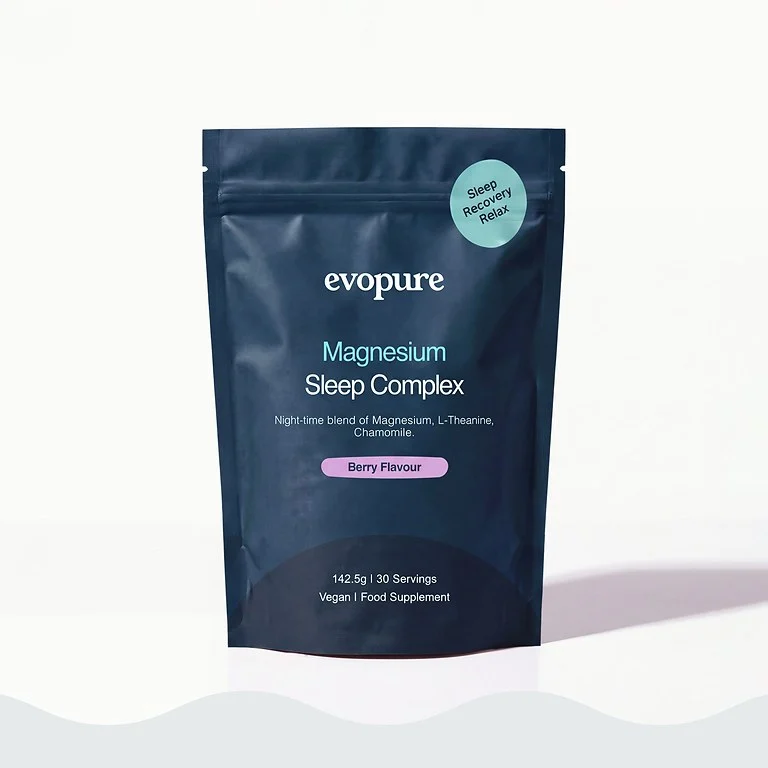
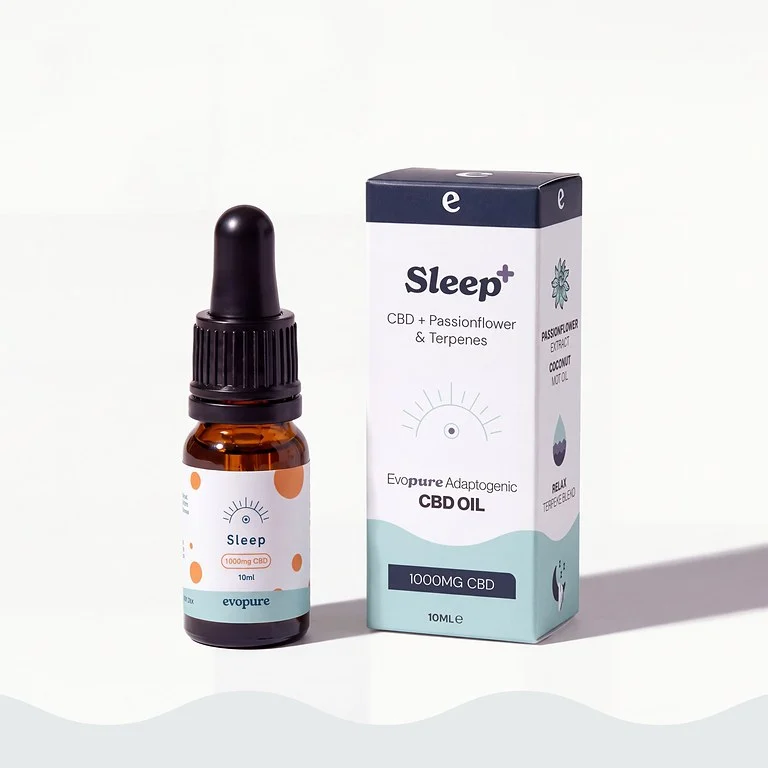
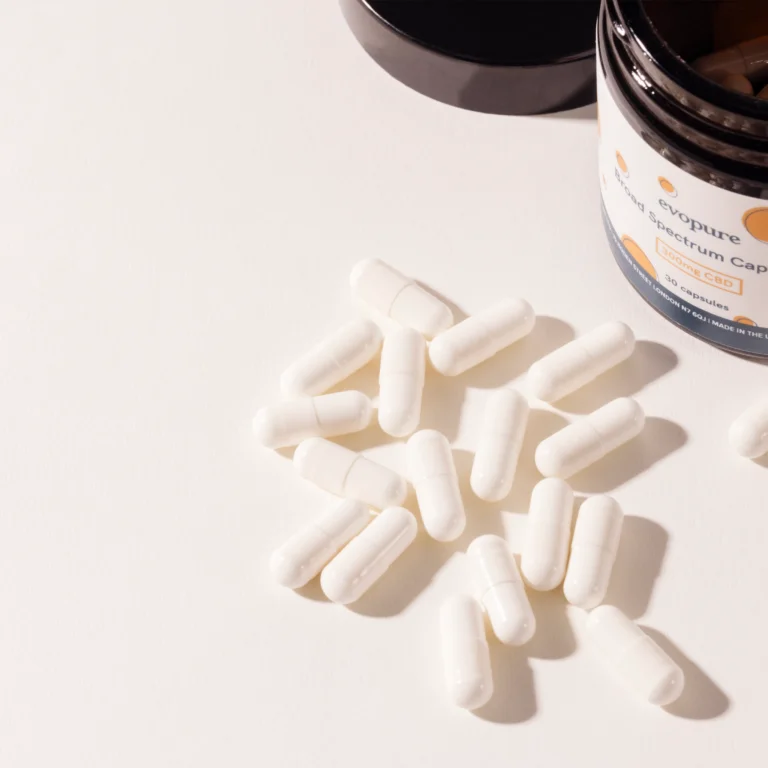
These are for a calm evening routine, not a treatment for sleep paralysis. Magnesium contributes to the normal functioning of the nervous system and to normal psychological function. CBD isn’t a treatment for sleep paralysis or any sleep condition. Our products are for adults only, and we don’t recommend our products during pregnancy or breastfeeding.
The FSA’s 10mg a day figure is precautionary advice rather than a legal limit, set while longer-term safety research continues. At Evopure we think it is a very cautious figure, and many adults use more. If you go above it, increase slowly, and check with your GP or pharmacist first if you take any medication.
What causes sleep paralysis?
During dream (REM) sleep, your body’s muscles are switched off so you don’t act out your dreams. Sleep paralysis happens when your brain becomes aware while your body is still in this sleep mode, so you’re partly awake but can’t move. Dream imagery can spill over, which explains the vivid sense of a presence.
It isn’t clear why it happens to some people and not others. The NHS lists links with insomnia, disrupted sleep from shift work or jet lag, narcolepsy, PTSD, generalised anxiety disorder, panic disorder and a family history of sleep paralysis. The next section turns these into a checklist.
Why do I keep getting sleep paralysis?
If you keep getting sleep paralysis, or it has started out of nowhere, the most likely reason is something that is breaking up your sleep. A 2018 systematic review of 42 studies found it was linked with sleep problems, stress and trauma, anxiety, substance use and genes, and that it is particularly common in PTSD. Look at what has changed lately: a run of short nights, new shifts, a stressful patch, more drinking or a new medicine.
| Trigger | What the evidence says | What may help |
|---|---|---|
| Sleep deprivation and insomnia | Linked by the NHS and by the 2018 review, which found links with both poor sleep quality and measured sleep disruption | Regular, sufficient sleep. See sleep deprivation and how to fall asleep fast |
| Irregular sleep (shift work, jet lag) | Disrupted sleeping patterns are on the NHS list | As regular a schedule as possible. See shift work and sleep |
| Sleeping on your back | The NHS says it can make sleep paralysis more likely; in a large survey, more people reported it on their back than in all other positions combined | Sleeping on your side (see below) |
| Stress, anxiety and panic disorder | Generalised anxiety disorder and panic disorder are on the NHS list; anxiety symptoms were a theme in the review | Managing stress, and support for anxiety. See anxiety at night |
| PTSD and trauma | On the NHS list; the review found sleep paralysis particularly common in PTSD | Treating the underlying condition with your GP |
| Narcolepsy | A long-term condition where sleep paralysis is one of the symptoms | Needs assessment by a doctor |
| Alcohol | The NHS advises against alcohol shortly before bed; a 2025 student survey linked higher alcohol intake with sleep paralysis | Cutting back, especially late. See alcohol and sleep |
| Some medicines and recreational drugs | Substance use was a theme in the review; the 2025 survey linked antidepressant or stimulant use with sleep paralysis (a link, not proof of cause) | Talk to your GP or pharmacist. Don’t stop a prescribed medicine on your own |
| A family history | On the NHS list; the review also found genetic influences | Good sleep habits |
Broken sleep is one of the links, so if you often wake in the small hours, our guide to waking in the night is worth a read.
Why does it happen when I sleep on my back?
Lots of people notice their episodes happen on their back, and the research agrees. In a study of 6,730 people, including 4,699 who had had sleep paralysis, more people reported it on their back than in all other positions combined. Lying on the back was also 3 to 4 times more common during sleep paralysis than when people normally fell asleep.
Nobody knows exactly why. The researchers suggested that later in the night, brief awakenings during REM sleep, possibly set off by pauses in breathing, might explain it. That is still a theory. If you snore heavily or someone has seen you stop breathing in your sleep, read our guide to sleep apnoea and mention it to your GP.
The practical answer is the NHS one: try not to sleep on your back. Our guide to the best sleeping position compares the positions and has tips for staying on your side.
What happens in the brain?
In plain English, sleep paralysis is a mixed state: part of you is awake and part of you is still in REM sleep. A clinical review describes it as waking up into the muscle paralysis of REM sleep (called REM atonia) while being consciously aware.
- The paralysis: during REM sleep, the brainstem (the pons and medulla) turns down muscle tone using the chemical messengers GABA and glycine, so you don’t act out your dreams. In sleep paralysis, that switch is still on after your mind has woken.
- The eyes and breathing: these aren’t switched off in the same way, which is why many people can move their eyes and keep breathing.
- The presence in the room: researchers link the sense of an intruder and the fear to a brain on high alert, involving the amygdala, the brain’s threat detector.
- The weight on your chest: breathing muscle activity is reduced in REM sleep, which may explain the feeling of pressure.
- The visions and sounds: REM sleep is when the most vivid dreaming happens, and dream imagery can carry on into the half-awake state. See REM sleep explained and vivid dreams.
It’s a cousin of lucid dreaming, where you become aware you’re dreaming but stay asleep. In sleep paralysis you’re aware, but your body hasn’t caught up.
How common is sleep paralysis?
A 2011 systematic review found that about 7.6% of the general population have had at least one episode, rising to 28.3% of students and 31.9% of psychiatric patients. Among people with panic disorder, it was 34.6%. Many people have it once or twice in their life; a smaller number have it often.
Is sleep paralysis dangerous?
No. The NHS says sleep paralysis can be scary but it’s harmless, and the episode passes on its own. It can feel as if you can’t breathe, but the paralysis of REM sleep doesn’t stop your breathing, even if your chest feels heavy.
The NHS says you don’t normally need medical help unless it’s affecting your mental health or your sleep. See a GP if you often have sleep paralysis and feel very anxious or scared to go to sleep, or tired all the time from lack of sleep.
Also see a GP if sleep paralysis comes with other signs of narcolepsy. The NHS lists these as:
- feeling sleepy during the day and finding it hard to stay awake
- falling asleep suddenly
- sudden muscle weakness that can make you fall (cataplexy), which can be set off by emotions or laughing
- dreaming a lot, with dreams that seem real or intense
When sleep paralysis isn’t part of narcolepsy or another medical condition, doctors call it isolated sleep paralysis.
Spiritual meanings and the “old hag”
People have been explaining sleep paralysis for as long as they have been sleeping, and many cultures have a name for it. A few examples from the research:
- The “Old Hag”: in Newfoundland, Canada, a witch who sits on the sleeper. Brazil has a similar figure, the Pisadeira, a crone with long fingernails who tramples the chests of people sleeping on their backs after a full meal.
- Japan: known as kanashibari, and traditionally put down to a vengeful spirit that smothers its enemies in their sleep.
- Nigeria: the Yoruba people describe Ogun Oru, a female demon that attacks during dreaming.
- Egypt: in one study, nearly half of people from the general population who’d had sleep paralysis believed it was caused by the jinn.
- Art: Henry Fuseli’s 1781 painting The Nightmare, with an elf sitting on a sleeping woman’s chest, has been read as a classic picture of sleep paralysis.
These stories matter to the people who hold them, and if your faith or culture gives the experience a meaning, that’s yours to keep. The science simply explains why the experience is so similar everywhere: the paralysis, the pressure on the chest and the sense of a presence all come from the brain being half in REM sleep. Knowing that tends to make episodes less frightening.
What to do during an episode
- Remind yourself what it is: “This is sleep paralysis, it’s harmless and it will pass.”
- Don’t fight it. Struggling tends to increase fear.
- Focus on slow breathing, which you can still control. A simple pattern like box breathing gives your mind something to hold on to.
- Try a small movement, like wiggling a finger or toe, or moving your eyes; many people find this breaks the episode.
- Afterwards, sit up, put a light on, and do something calm before going back to sleep. Lying on your side when you settle again is sensible.
How to stop sleep paralysis
The NHS suggests:
- regularly getting 7 to 9 hours of sleep
- going to bed and getting up at roughly the same times every day
- regular exercise, but not in the last hour before bed
- not eating a big meal, smoking, or drinking alcohol or caffeine shortly before bed
- not sleeping on your back
If your hours are all over the place, our 7-day sleep schedule reset is a good place to start.
Managing stress helps too. See nervous system regulation for simple daily techniques. A calming evening routine can be part of this; magnesium contributes to normal psychological function and the normal functioning of the nervous system. See magnesium for sleep.
When to see your GP and treatment
You don’t normally need medical help for sleep paralysis. The NHS advises seeing a GP if you have it often and feel very anxious or scared to go to sleep, or tired all the time from lack of sleep. Also see a GP if you fall asleep suddenly during the day or have sudden muscle weakness when laughing or emotional, which can be signs of narcolepsy.
A GP may treat an underlying cause, such as insomnia or PTSD, or refer you to a sleep specialist. Specialists sometimes use a low dose of a medicine usually used for depression, or CBT. See also why am I always tired?
Related guides
- Nightmares: causes and how to stop them.
- Sleep paralysis is different from sleepwalking, where you move about but aren’t fully awake.
- Sleep talking, another common and usually harmless sleep quirk.
- Sleep paralysis is often confused with night terrors, which happen in deep sleep and are rarely remembered.
- How lucid dreaming differs from sleep paralysis.
- REM sleep explained.
- Sleep paralysis often comes with exploding head syndrome, a harmless loud bang in your head as you fall asleep or wake.
FAQs
Is sleep paralysis dangerous?
No. The NHS says it can be scary but it’s harmless, and it passes on its own within a few minutes.
What causes sleep paralysis?
Your brain wakes while your body is still in dream-sleep mode, when muscles are switched off. It’s linked to poor sleep, irregular schedules, stress, anxiety and sleeping on your back.
Why do I feel someone is in the room during sleep paralysis?
Dream imagery can spill into the half-awake state, creating a vivid sense of a presence. It’s a common and harmless part of sleep paralysis.
How do I stop sleep paralysis?
Keep regular sleep times, get 7 to 9 hours, avoid late alcohol, caffeine and big meals, manage stress and sleep on your side.
How common is sleep paralysis?
About 7.6% of people have it at least once, and it’s more common in students and people with anxiety or panic disorder.
Why do I keep getting sleep paralysis?
Repeated episodes are usually linked to something disturbing your sleep: too little sleep, irregular hours or shift work, stress or anxiety, PTSD, alcohol, some medicines, or sleeping on your back. If it’s frequent and you’re also very sleepy in the day, see a GP to rule out narcolepsy.
Why do I get sleep paralysis when I sleep on my back?
Research finds more people report it on their back than in any other position, but the reason isn’t clear. One theory is that brief awakenings during REM sleep, possibly linked to breathing pauses, are more likely on your back. Sleeping on your side is the simple fix the NHS suggests.
Can you die from sleep paralysis?
No. It can feel as if you can’t breathe, but the paralysis of REM sleep doesn’t stop your breathing, and the NHS says sleep paralysis is harmless.
What is the spiritual meaning of sleep paralysis?
Many cultures explain it with spirits or creatures, such as the “old hag” who sits on your chest, the jinn in Egypt or the Pisadeira in Brazil. Science explains the same experience as the brain waking during REM sleep while the body stays paralysed.
How do you wake yourself up from sleep paralysis?
Try not to fight it. Remind yourself it will pass, breathe slowly, and focus on a small movement such as wiggling a toe or finger or moving your eyes. Many people find this ends the episode.
Sources
- NHS. Sleep paralysis.
- NHS. Narcolepsy.
- NHS. Insomnia.
- Sharpless BA, Barber JP (2011). Lifetime prevalence rates of sleep paralysis: a systematic review. Sleep Medicine Reviews.
- Denis D, French CC, Gregory AM (2018). A systematic review of variables associated with sleep paralysis. Sleep Medicine Reviews.
- Cheyne JA (2002). Situational factors affecting sleep paralysis and associated hallucinations: position and timing effects. Journal of Sleep Research.
- Sharpless BA (2016). A clinician’s guide to recurrent isolated sleep paralysis. Neuropsychiatric Disease and Treatment.
- Olunu E et al. (2018). Sleep paralysis, a medical condition with a diverse cultural interpretation. International Journal of Applied and Basic Medical Research.
- de Sá JF, Mota-Rolim SA (2016). Sleep paralysis in Brazilian folklore and other cultures: a brief review. Frontiers in Psychology.
- Jalal B et al. (2014). Explanations of sleep paralysis among Egyptian college students and the general population in Egypt and Denmark. Transcultural Psychiatry.
- Gumbis G, Puteikis K, Mameniškienė R (2025). Sleep paralysis among higher education students: a possible role of antidepressant and recreational stimulant use. Medicina (Kaunas).
This guide is general information, not medical advice. Evopure makes the Magnesium Glycinate Sleep Complex and Sleep CBD Oil.