
Last updated: October 2026
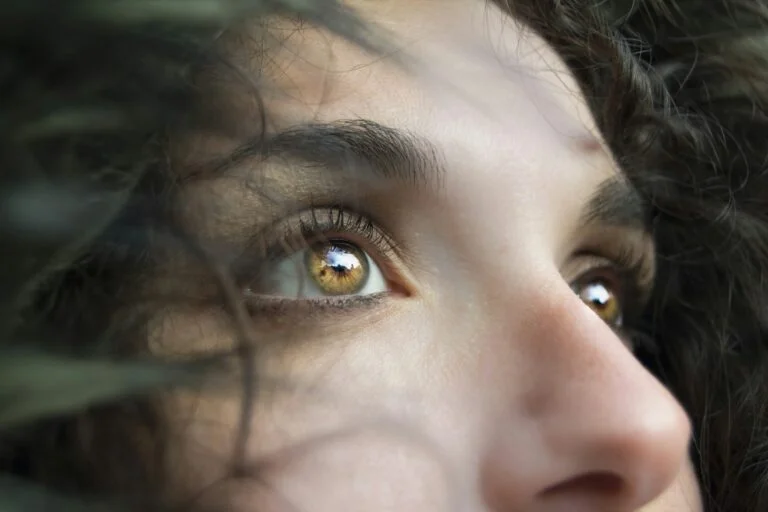
Dark circles under the eyes are usually harmless. Most come from your genes, thin skin that lets blood vessels show through, extra pigment, or shadows from hollows as you age. Poor sleep, allergies, eye rubbing and sun make them worse. Sleep, allergy treatment, daily SPF and concealer help most. See a GP if they appear suddenly or affect one side.
Below: how to tell which type you have, the real causes (including deficiencies), what actually helps and what doesn’t, dark circles in children, and when to see a GP.
The three types of dark circles
Dermatology reviews describe dark circles as “multifactorial”: several causes often overlap. Each type responds to different things.
| Type | What it looks like | Common causes | What helps most |
|---|---|---|---|
| Pigment | Brown or grey-brown, stays when you gently stretch the skin | Genes, sun, eye rubbing, eczema or allergy; more common in darker skin tones | Daily SPF, stop rubbing, treat the allergy or eczema; concealer |
| Vascular (thin skin) | Blue, purple or pinkish, may look worse when tired or puffy | Thin skin showing the vessels beneath; poor sleep; fluid build-up | Sleep, cold compress, treat allergies, less evening salt and alcohol |
| Shadow (hollows) | A dark crease or trough under the eye, worse under overhead lights | Ageing (loss of fat and volume), bone structure, eye bags casting a shadow | Lighting and concealer; fillers or surgery are cosmetic options |
A simple check at home: in good daylight, gently stretch the skin under your eye with a fingertip. A 2016 review explains that true pigment stays the same when stretched, while a shadow improves or disappears. Many people have a mix.
What causes dark circles under the eyes?
- Genes. Dark circles often run in families. A 2025 study of 116 skin clinic patients found family history was clearly linked.
- Ageing. Skin thins and the area under the eye loses fat and volume, so hollows deepen and cast shadows.
- Rubbing your eyes. The same study named eye rubbing as one of the two key factors, which is why itchy eyes matter.
- Allergies and eczema. Doctors call the dark circles that come with nasal allergies such as hay fever “allergic shiners”. Eczema around the eyes can leave darker skin after it settles.
- Sun. UV light deepens pigment. Reviews call sun protection a cornerstone of treatment.
- Fluid and puffiness. Puffy lower lids are often worse in the morning or after a salty meal, and the swelling can cast a shadow. See cortisol face and puffiness.
- Screens and stress. The 2025 study linked dark circles with long hours watching television and with stress: associations, not proof of cause. See stress symptoms.
- Smoking and alcohol. Often blamed, but one review says their role is “not clinically substantiated”.
- Some medicines. Some glaucoma eye drops (prostaglandin analogues) can darken eyelid skin. Never stop them without speaking to your doctor.
Do dark circles mean you’re tired?
Sometimes, yes. In a Swedish study, 10 people were photographed after a normal night and again after 31 hours awake. Forty observers rated the sleep-deprived faces as having darker circles under the eyes, more swollen eyes, paler skin and more droopy eyelids.
But sleep isn’t the whole story. The 2025 clinic study found sleep quality was not significantly linked to how severe people’s dark circles were. So if yours are there even after good nights, genes, pigment or hollows are more likely the main cause, and more sleep alone won’t clear them.
If you look tired and feel tired too, that’s worth exploring. See sleep deprivation, why you wake up tired and, if you snore loudly or wake gasping, sleep apnoea.
Can a vitamin or iron deficiency cause dark circles?
Possibly, but the evidence is thin. In a 2019 study of 50 people with dark circles, blood tests found anaemia in 10% and low vitamin B12 in 12%. With no comparison group, it can’t show the deficiencies caused the circles.
The NHS says heavy periods and pregnancy are very common causes of iron deficiency anaemia, and lists tiredness, lack of energy and paler than usual skin among its symptoms. If you have dark circles plus tiredness, breathlessness or heavy periods, ask your GP for a blood test rather than guessing with supplements. See iron deficiency symptoms, iron-rich foods and vitamin B12 deficiency.
What about dehydration? The NHS lists sunken eyes as a sign of dehydration, but there is little evidence that drinking extra water fades everyday dark circles. Drink enough so your pee is pale yellow. See how much water to drink.
How to get rid of dark circles: what actually helps
You can’t change your genes, but you can often make dark circles less noticeable. Start with the free, low-risk steps.
- Protect your sleep. Regular bed and wake times and less late-night screen time. See sleep hygiene habits and how to fall asleep fast.
- Treat allergies and stop rubbing. For hay fever, the NHS suggests wraparound sunglasses, showering and changing clothes after being outside, and antihistamines or steroid nasal sprays from a pharmacist.
- Wear sunscreen every day. The NHS advises at least SPF30 with at least 4-star UVA protection. Add sunglasses.
- Cool things down in the morning. A cold compress or a chilled spoon held gently for a few minutes is a simple, low-risk way to make puffy lids look calmer for a while.
- Go easy on salt and alcohol in the evening, since puffy lids are often worse after salty meals.
- Use concealer. A peach or orange-toned corrector under your usual concealer cancels blue and purple tones. It works for every type.
- Check your health. If you’re tired all the time as well, see why am I always tired? and ask your GP about a blood test.
If poor sleep is part of the picture, our Magnesium Glycinate Sleep Complex is a caffeine-free bedtime drink with magnesium bisglycinate, glycine and L-theanine. Magnesium contributes to the reduction of tiredness and fatigue. It isn’t a skin product and won’t fade dark circles on its own. See magnesium for sleep.
Do eye creams work for dark circles?
Some may help a little. Reviews say most evidence is small or borrowed from studies on melasma, a different pigment condition.
| Ingredient | The idea | Evidence for dark circles |
|---|---|---|
| Caffeine | Tightens blood vessels, reduces puffiness | Limited: one small placebo-controlled trial of a caffeine gel |
| Vitamin C | Brightens pigment, supports collagen | Limited: a six-month study saw lightening and thicker skin, but no real change in melanin |
| Retinoids | Build collagen, even out pigment | Mostly theory and studies on sun-damaged skin; can irritate thin eyelid skin, so start slowly |
| Hydroquinone | Lightens pigment | Some evidence, but restricted in Europe over safety concerns and can cause side effects; only use under a doctor’s supervision |
Creams can’t fill a hollow, so they won’t touch shadow-type circles. For pigment, daily SPF is still the most useful thing you can put on. Related reading: CBD for skin and stress acne.
Fillers, lasers and peels
These are cosmetic procedures, usually paid for privately. Reviews describe hyaluronic acid filler for hollows, and lasers or chemical peels for pigment, but the studies are small and treatments can worsen pigmentation, especially in darker skin.
The NHS advises a consultation first, asking about training, complications and aftercare, and avoiding group events, online vouchers and practitioners who only advertise on social media. Look for someone on a register accredited by the Professional Standards Authority, or a registered doctor, nurse or dentist. In England it has been a criminal offence since 1 October 2021 to give cosmetic fillers to anyone under 18.
Dark circles under eyes in children
In children, dark circles are usually down to genes or allergies. A study of 249 children found the circles were darker and larger in those with allergic rhinitis (hay fever or year-round nasal allergy), and darker the longer and more severe the allergy. Signs of nasal allergy include a blocked, runny or itchy nose, sneezing, and itchy, watery eyes.
See a GP if your child has dark circles with ongoing nasal symptoms, snoring, tiredness, pale skin or poor appetite, or if the circles are new and you’re worried. A pharmacist can advise on allergy treatments for your child’s age. Our products are for adults only.
When to see a GP
Most dark circles are cosmetic. See a GP if:
- the darkness or swelling affects one eye only
- they appeared suddenly or are quickly getting worse
- you also feel very tired, breathless, or look paler than usual
- you have itchy, sore or flaky skin around the eyes that won’t settle
Ask for an urgent GP appointment or use NHS 111 if the skin around an eye becomes red, hot, swollen and painful. The NHS says cellulitis in the eye is very serious. Get urgent help if your vision suddenly changes.
FAQs
What is the main cause of dark circles under the eyes?
There usually isn’t just one. Genes, thin skin showing the blood vessels, extra pigment and hollows from ageing are the most common causes, often made worse by poor sleep, allergies, eye rubbing and sun.
What deficiency causes dark circles under the eyes?
Iron deficiency anaemia and low vitamin B12 have been found in some people with dark circles, but the evidence that they cause them is weak. If you’re also tired or pale, ask your GP for a blood test.
Can dark circles go away with sleep?
Circles caused by tiredness and puffiness often improve with better sleep. Circles from genes, pigment or hollows usually don’t, so they can stay even when you sleep well.
How can I get rid of dark circles fast?
For a quick fix, use a cold compress to reduce puffiness, then a peach-toned colour corrector and concealer. Longer term, sleep well, treat any allergies, stop rubbing your eyes and wear SPF daily.
Do eye creams get rid of dark circles?
Not usually. Caffeine, vitamin C and retinoids have only limited evidence, and no cream can fill a hollow. Daily SPF is the most useful step for pigment.
Why does my child have dark circles under their eyes?
Most often it’s genes or allergies such as hay fever, which can cause darker circles known as allergic shiners. See a GP if they come with a blocked nose, snoring, tiredness or pale skin.
Sources
- Sarkar R, et al. Periorbital hyperpigmentation: a comprehensive review. J Clin Aesthet Dermatol, 2016.
- Vrcek I, et al. Infraorbital dark circles: a review of the pathogenesis, evaluation and treatment. J Cutan Aesthet Surg, 2016.
- Roberts WE. Periorbital hyperpigmentation: review of etiology, medical evaluation, and aesthetic treatment. J Drugs Dermatol, 2014.
- Sundelin T, et al. Cues of fatigue: effects of sleep deprivation on facial appearance. Sleep, 2013.
- Heidari F, et al. The frequency of periorbital hyperpigmentation risk factors. J Cosmet Dermatol, 2025.
- Mendiratta V, et al. Study of causative factors and clinical patterns of periorbital pigmentation. Indian Dermatol Online J, 2019.
- Chen CH, et al. Quantitative assessment of allergic shiners in children with allergic rhinitis. J Allergy Clin Immunol, 2009.
- NHS. Hay fever; Iron deficiency anaemia; Sunscreen and sun safety; Cellulitis; Dehydration.
- NHS. Choosing who will do your cosmetic procedure.
- GOV.UK. Botulinum toxin and cosmetic fillers for under 18s.
This guide is general information, not medical advice. Evopure makes the Magnesium Glycinate Sleep Complex.