Last updated: October 2026
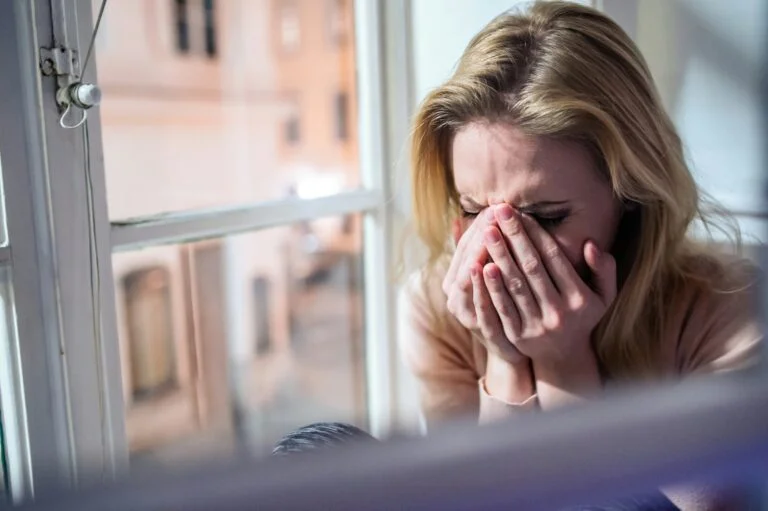
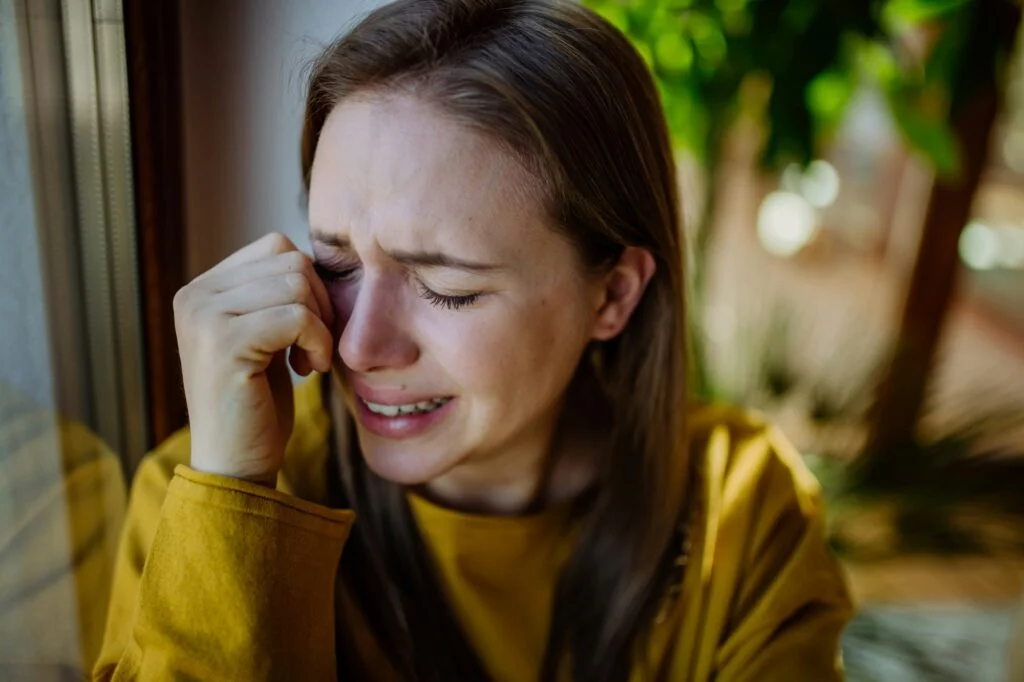
Crying for no obvious reason is common and usually has a hidden cause, such as stress building up, tiredness, hormonal changes before a period or around the menopause, anxiety or low mood. Crying itself is healthy. But if you’re crying most days for more than two weeks, or feel hopeless, see a GP.
Below: the common causes, why women may cry more, what helps, and when to get help.
Why am I crying for no reason?
| Cause | Clues |
|---|---|
| Stress and overload | Tears come when one more small thing goes wrong. See stress symptoms |
| Tiredness and poor sleep | Worse when exhausted or after a bad night. See sleep deprivation |
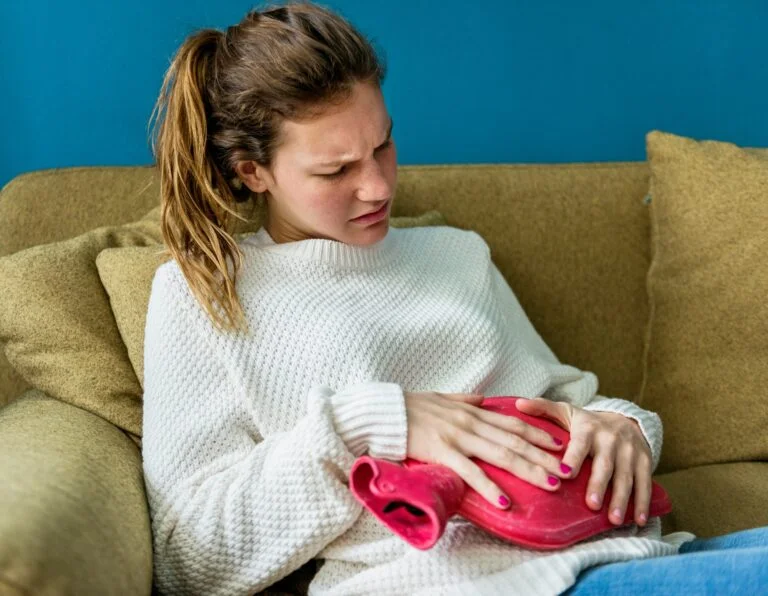
| Premenstrual changes | In the week or two before your period, easing once it starts. See PMS symptoms |
| Perimenopause and menopause | Mood swings, anxiety and low mood, often in your 40s. See perimenopause symptoms |
| Pregnancy and after birth | “Baby blues” in the first week or two are common; longer could be postnatal depression |
| Anxiety | Feeling on edge, worried, overwhelmed. See anxiety symptoms |
| Depression | Low mood most days, loss of interest, for 2 weeks or more. See low mood vs depression |
| Grief | Waves of tears, sometimes long after a loss. See grief |
| Burnout | Exhausted, detached and tearful. See burnout symptoms |
| Medicines or a medical condition | Some medicines can affect mood. Rarely, a neurological condition can cause sudden crying that doesn’t match how you feel |
Crying for no reason in women
Women report crying more often than men, which is partly cultural and partly linked to hormones. Changes in oestrogen and progesterone before periods, in pregnancy and during the perimenopause can all make you more tearful. Tracking your cycle for a couple of months can show whether there’s a pattern.
Is it healthy to cry?
Yes. Crying is a normal human response. Emotional tears appear to be unique to humans, and researchers are still learning how crying works in the body. One clear role is social: tears signal to others that you need comfort and support. Many people also say they feel some relief afterwards. Holding tears back all the time isn’t better for you. What matters is how often it happens and whether it’s affecting your life.
What helps
- Let the tears come if you can. Fighting them can make you more tense.
- Notice patterns: time of day, sleep, your cycle, alcohol, stress.
- Calm your body with slow breathing. See box breathing and grounding techniques.
- Get more rest and protect your sleep. See how to sleep better.
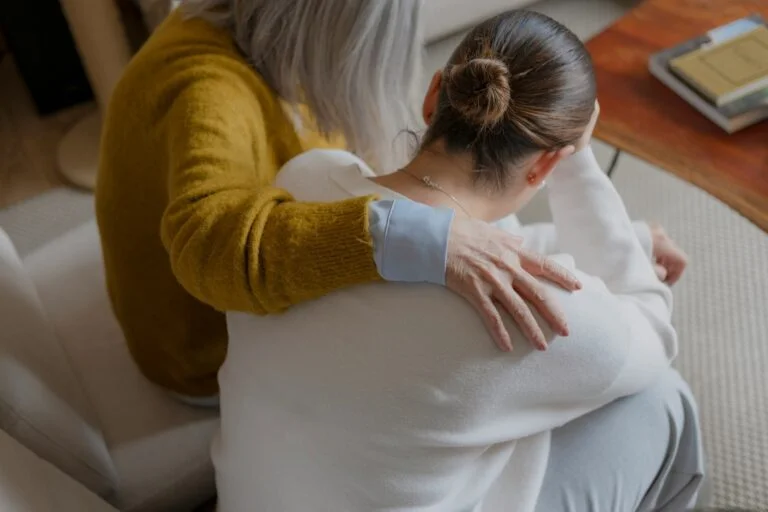
- Talk to someone you trust about how you’re feeling.
- Reduce the load where you can. See feeling overstimulated and people pleasing.
- Cut back on alcohol, which lowers mood.
An evening wind-down ritual can help. Our Magnesium Glycinate Sleep Complex is a caffeine-free berry drink with L-theanine, and magnesium contributes to normal psychological function and the reduction of tiredness and fatigue. Our Reishi Mushroom Adaptogenic Complex is a cosy cacao drink for a quiet moment.
When to see a GP
See a GP if you’re crying most days for more than two weeks, feel low or hopeless, can’t cope with daily life, or the crying started after a new medicine or with other new symptoms. Adults in England can also refer themselves to NHS Talking Therapies. If you have thoughts of harming yourself, call 999, NHS 111 or Samaritans on 116 123, or text SHOUT to 85258. See signs of a nervous breakdown.
FAQs
Why do I cry for no reason?
Common hidden causes are built-up stress, tiredness, hormonal changes, anxiety, low mood and grief. See a GP if it happens most days for more than two weeks.
Is crying for no reason a sign of depression?
It can be, especially with low mood, loss of interest, poor sleep or hopelessness lasting two weeks or more. It can also have other causes, such as stress or hormones.
Why do I cry before my period?
Hormone changes in the week or two before a period can make you more emotional and tearful. This is a common part of PMS.
Is it good to cry?
Yes. Crying is a normal response and many people feel some relief afterwards. It’s only a concern if it’s frequent and affecting your life.
Sources
- NHS. Low mood, sadness and depression.
- NHS. Premenstrual syndrome (PMS).
- NHS. Menopause and perimenopause symptoms.
- Bylsma LM et al (2019). The neurobiology of human crying. Clinical Autonomic Research.
This guide is general information, not medical advice. Evopure makes the Magnesium Glycinate Sleep Complex and Reishi Mushroom Adaptogenic Complex.