
Last updated: October 2026
Heart palpitations at night are usually harmless. Many people notice them more in bed simply because it’s quieter, there are fewer distractions and lying on your left side may make your heartbeat feel stronger. Stress, caffeine, alcohol and hormonal changes are common triggers. Call 999 if they come with chest pain, breathlessness or fainting.
Below: why palpitations happen when you lie down, the common causes, what to do in the moment, and when to get help.
Call 999 or go to A&E if you have palpitations right now and they do not go away, or you also have chest pain, shortness of breath, or feeling faint or fainting. The British Heart Foundation also lists dizziness, light-headedness and blackouts. If you had these symptoms but they have now stopped, ask your GP surgery for an urgent appointment, call 111 or use 111 online. The NHS says not to drive yourself to A&E: ask someone to drive you or call 999 for an ambulance, and bring any medicines you take.
What do heart palpitations feel like?
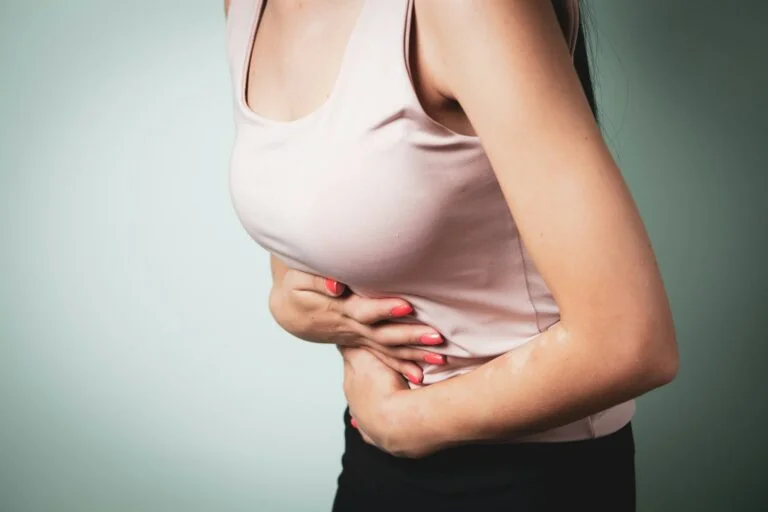
Palpitations are when your heartbeat suddenly becomes noticeable. The NHS describes the heartbeat as feeling:
- racing or beating very fast
- irregular, with skipped or extra beats (ectopic beats)
- pounding or thumping
- fluttering
You may feel it in your chest, neck or throat, and it can last seconds, minutes or longer. Both the NHS and the British Heart Foundation (BHF) say palpitations are common and usually harmless, even though they can feel alarming.
For context, the NHS gives a normal resting heart rate as 60 to 100 beats a minute. The BHF points out that palpitations often feel more serious than they are, and many people live a normal life with them.
Why are palpitations worse at night or when lying down?
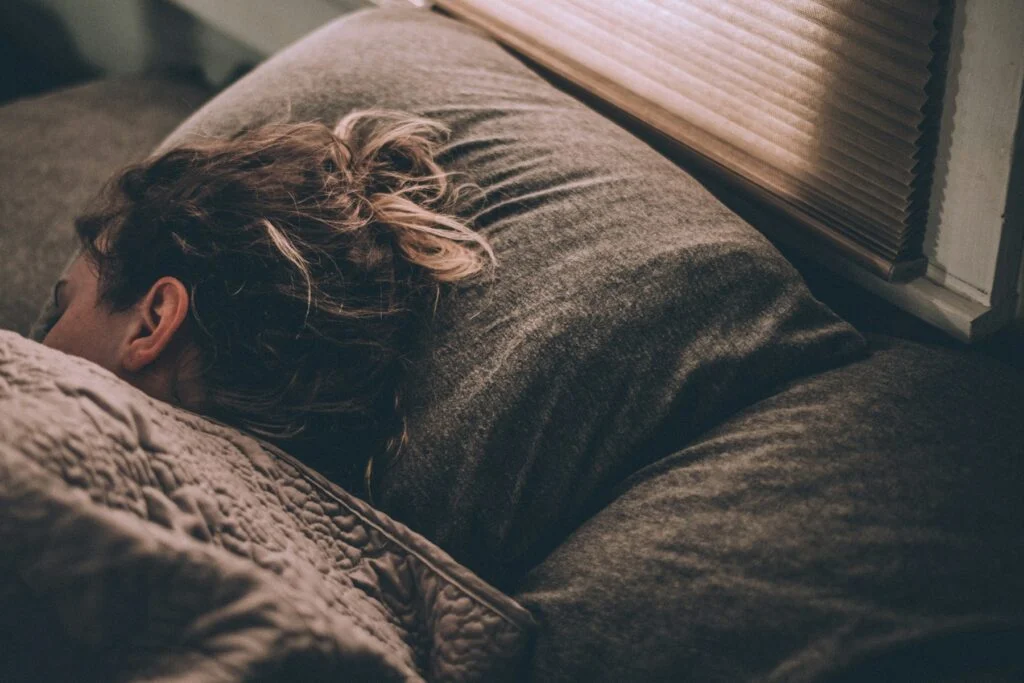
Palpitations can happen at any time, but plenty of people only seem to get them in bed. A BHF cardiac nurse gives a few reasons:
- It’s quiet. For most people, it’s simply that there’s less noise and fewer distractions at night, so you notice sensations in your body more.
- Your mind wanders. Bedtime is when worries tend to surface, and anxiety and stress can make palpitations feel worse. See anxiety at night.
- Lying on your left side. Some experts think left-side sleepers feel palpitations more because the heart is closer to the chest wall. A consultant cardiologist at Guy’s and St Thomas’ explains that the beat can reverberate more strongly in this position.
- Lying on your back. Some experts also say back sleepers may feel them more, because of pressure changes in the body when lying down.
If you mostly notice your heartbeat on your left side, try your right side or a couple of extra pillows. See the best sleeping position for more on positions.
Common everyday causes of palpitations at night
The NHS says palpitations are not usually a sign of anything serious. These are the most common triggers listed by the NHS, the BHF and Guy’s and St Thomas’, and why they can show up at bedtime.
| Trigger | Why it can show up at night | What to try |
|---|---|---|
| Stress and anxiety | Worries surface when the day goes quiet | A wind-down routine and slow breathing |
| Caffeine | Afternoon coffee, tea, cola, chocolate, energy drinks or painkillers with added caffeine | Cut down, and keep caffeine to the morning. See does caffeine cause anxiety? |
| Alcohol | An evening drink or a night out | Drink less or not at all; the BHF advises no more than 14 units a week |
| Nicotine | Smoking or vaping in the evening | Stopping smoking or vaping |
| A big, rich or spicy meal | Late dinners and heavy food close to bed | Smaller meals, earlier |
| Dehydration | Not drinking enough through the day, or after alcohol or exercise | Sip water regularly through the day |
| Lack of sleep | Short or broken nights build up | A regular bedtime and wake time |
| Strenuous exercise | Hard evening workouts | Finish intense exercise earlier |
| Medicines | Evening doses, or cold and flu remedies | Check the leaflet and ask your pharmacist |
| Recreational drugs | Often on nights out | Avoid. Talk to your GP if you need support |
| Fever | Being unwell with an infection can make your heart beat faster | Rest and fluids; see a GP if it doesn’t settle |
The BHF lists several medicines that can cause palpitations in some people, including cold and flu medicines with decongestants, some asthma inhalers, some antibiotics, some antidepressants, ADHD medicines and the thyroid medicine levothyroxine (often prescribed for an underactive thyroid). Don’t stop a prescribed medicine on your own. Mention new palpitations to your GP or pharmacist, as a change of dose or medicine may help.
Palpitations at night in menopause, periods and pregnancy
Hormonal changes are a well-known trigger.
- Perimenopause and menopause. The NHS lists a faster, slower or more noticeable heartbeat as a symptom, and says hot flushes can cause palpitations and can happen at night as night sweats. If you wake hot, sweaty and with a thumping heart, this may be why. See perimenopause symptoms.
- Periods. Guy’s and St Thomas’ includes hormonal changes during menstruation among the causes of night-time palpitations.
- Pregnancy. The NHS notes that some people get palpitations during pregnancy. Tell your midwife or GP about them, and follow the same urgent advice above if they come with chest pain, breathlessness or fainting.
Anxiety, panic and waking up with a racing heart
The BHF says anxiety can make your heart race, and palpitations can themselves trigger anxiety. That can become a loop at night: you notice your heartbeat, you worry about it, and the worry makes it stronger.
Waking suddenly with a racing heart and a strong sense of fear can be a panic attack, and the NHS lists a racing heartbeat among panic attack symptoms. See how to stop a panic attack. Anxiety can cause other physical symptoms at night too, such as chest pain and dizziness.
If you keep checking your pulse or lie awake worrying about your heart, health anxiety may be part of the picture. Talking therapies can help, and the BHF notes that medicine is sometimes offered when anxiety linked to palpitations is stopping someone living a normal life. Even if you’re fairly sure it’s anxiety, it’s still worth getting new or frequent palpitations checked by a GP once.
Medical causes a GP may check
Less often, palpitations are a sign of a condition that needs treatment. The NHS and BHF list these:
| Condition | Other signs the NHS lists |
|---|---|
| Atrial fibrillation (AF) | An irregular pulse, a heartbeat faster than 100 beats a minute, feeling very tired, short of breath, dizzy or faint. Sometimes there are no symptoms |
| Other heart rhythm problems, such as SVT | The heart suddenly beats much faster than normal, then may slow down abruptly; this can happen at rest |
| Overactive thyroid | Nervousness or anxiety, difficulty sleeping, feeling hot, sweating, trembling and weight loss |
| Iron deficiency anaemia | Tiredness, shortness of breath, paler skin and headaches. See iron deficiency symptoms |
| Low blood sugar | Hunger, sweating, shaking, dizziness and confusion. Mostly affects people with diabetes who take insulin or some other diabetes medicines; it’s rare otherwise |
| Other heart problems | The BHF lists heart valve disease, cardiomyopathy, heart failure and congenital heart conditions, among others |
If you take insulin or some other diabetes medicines and get palpitations with sweating or shaking at night, check your blood sugar if you can. The NHS advises seeing a GP if you have hypos at night. It also says to see a GP if you don’t have diabetes but get symptoms such as shaking, sweating, a fast heartbeat and confusion.
If a partner says your breathing stops and starts, or you make gasping, snorting or choking noises in your sleep, mention it too: the NHS lists these as main symptoms of sleep apnoea.
What to do when palpitations wake you or keep you up
If you have none of the urgent symptoms in the box at the top, these steps can help you settle:
- Sit up or change position. Rolling off your left side may make your heartbeat less noticeable.
- Breathe slowly. The NHS breathing exercise: breathe gently into your belly, in through your nose and out through your mouth, counting steadily from 1 to 5 on the way in and again on the way out. Keep going for at least 5 minutes.
- Sip a glass of water.
- Get up for a few minutes if you can’t settle. Walking around for a while can help, then go back to bed when you feel calmer.
- Make a note. The BHF suggests a symptom diary: the time, how long it lasted, what you were doing, what you’d eaten or drunk, and any other symptoms. If you can, note whether the beat felt regular or irregular. This is very useful to your GP.
If they don’t go away, or chest pain, breathlessness, dizziness or faintness start, call 999.
How to make night-time palpitations less likely
The NHS says avoiding triggers such as stress, smoking, caffeine and alcohol can help when palpitations aren’t caused by a health condition. In practice: keep caffeine to the morning, drink less alcohol in the evening, stop smoking or vaping, eat smaller and earlier dinners, stay hydrated, and give stress somewhere to go with a wind-down routine. Regular activity is good for you too, but check with your GP first if exercise triggers your palpitations.
When to see a GP, and what tests to expect
The NHS says to see a GP if you’ve had palpitations and feel well, but:
- they keep coming back or are happening more often
- they last longer than a few minutes
- you have a heart condition
- you have a history of heart problems in your family
The BHF adds: if they don’t improve or get worse, or you’re simply concerned about them.
What the GP may do:
- An ECG (electrocardiogram): small sticky pads on your skin record your heart’s electrical signals. It’s quick and painless.
- A portable ECG: because palpitations often don’t happen during a short test, you may wear a small recorder at home. The NHS says this is usually for 24 to 48 hours, but it can be up to 7 days.
- Blood tests, for example to check for anaemia or a thyroid problem.
- A referral to a heart specialist (cardiologist) if needed.
Treatment depends on the cause, and the NHS says palpitations often don’t need treating. The BHF notes that for many people no underlying cause is ever found.
CBD, supplements and heart medicines
No supplement, including CBD, is a treatment for palpitations, and we don’t suggest any of our products for them.
If you take CBD and notice palpitations, stop taking it and speak to a pharmacist or GP before trying it again. Our guide can CBD cause heart palpitations? explains what the studies show. CBD can affect how the liver breaks down some medicines, including some blood thinners, statins, heart rhythm and blood pressure medicines. Because it can also lower blood pressure, check with your GP or pharmacist before using CBD if you take any heart or blood pressure medicine. See can CBD interact with medication?
The same goes for any new supplement: if you take heart medicines, ask your pharmacist first.
FAQs
Is it normal to feel your heart beating when lying down?
Yes, it’s common. It’s quieter at night, so you notice your heartbeat more, and lying on your left side or back can make it feel stronger. See a GP if it’s frequent or getting worse.
Why do I get palpitations when I lie on my left side?
Some experts think it’s because the heart sits closer to the chest wall in this position, so the beat feels stronger. Try lying on your right side or propping yourself up.
Can anxiety cause heart palpitations at night?
Yes. Anxiety can make your heart race, and worries often surface at bedtime. Palpitations can also trigger anxiety, which can become a loop.
Can menopause cause palpitations at night?
Yes. The NHS lists palpitations as a menopause symptom and says hot flushes, including night sweats, can cause them. See a GP if they’re frequent or worrying.
How do I stop heart palpitations at night?
Sit up or change position, breathe slowly for at least 5 minutes and sip some water. Over time, cut back on caffeine and alcohol. Call 999 if you also have chest pain, breathlessness or feel faint.
When should I worry about palpitations at night?
Call 999 if they don’t go away or come with chest pain, shortness of breath, dizziness or fainting. See a GP if they keep coming back, last more than a few minutes, or you have a heart condition or a family history of heart problems.
Sources
- NHS. Heart palpitations.
- British Heart Foundation. Heart palpitations.
- British Heart Foundation. Why do I get heart palpitations at night?
- British Heart Foundation. When to worry about heart palpitations.
- Guy’s and St Thomas’ Specialist Care. Heart palpitations at night.
- NHS. Heart rhythm problems (arrhythmia), Atrial fibrillation and Supraventricular tachycardia (SVT).
- NHS. Overactive thyroid: symptoms, Iron deficiency anaemia and Low blood sugar (hypoglycaemia).
- NHS. Menopause and perimenopause: symptoms.
- NHS. Electrocardiogram (ECG) and Breathing exercises for stress.
This guide is general information, not medical advice. If you’re worried about your heart, speak to your GP or call 111. Evopure makes CBD, magnesium and mushroom supplements, none of which is a treatment for palpitations.