
Last updated: October 2026
The quickest ways to relieve stress are slow breathing with a long out-breath, a brisk walk, stepping away for a few minutes, and talking to someone. Longer term, regular exercise, enough sleep, time with people and taking control of what you can make the biggest difference. A 2026 review of over 79,000 people found exercise reliably reduced anxiety.
Below: 15 stress relief techniques, from 1-minute fixes to longer-term habits, stress relief at work, for men and women, and when stress needs more help.
Quick stress relief: 5 things to try now
| Technique | How | Time |
|---|---|---|
| 1. Physiological sigh | Breathe in, take a second short sip of air, then breathe out slowly | 1 to 2 minutes |
| 2. Brisk walk | Outside if you can | 10 minutes |
| 3. 5-4-3-2-1 grounding | Notice 5 things you see, 4 you hear, 3 you touch, 2 you smell, 1 you taste | 2 minutes |
| 4. Muscle release | Tense and relax your shoulders, jaw and hands | 2 minutes |
| 5. Talk it out | Call or message someone you trust | 5 minutes |
See nervous system regulation for step-by-step breathing.
Daily habits that lower stress
The NHS’s stress busters include being active, taking control of what you can, connecting with people, having some “me time”, challenging yourself, avoiding unhealthy habits, helping others, working smarter, and being positive. In practice:
- Move every day. A 2026 umbrella review found exercise in all forms reduced anxiety and depression, with aerobic exercise having the biggest effect.
- Protect your sleep. See sleep hygiene.
- Take control: write the problem down and pick one small next step.
- Connect: regular time with friends and family.
- Get outside in daylight and green space.
- Limit news and social media scrolling. See dopamine detox.
- Eat regular meals and keep caffeine to the morning. See caffeine and anxiety.
Stress relief at work
- Work in focused blocks with short breaks. See how to focus better.
- Set boundaries: a clear finish time and notifications off in the evening. If stress is constant, see burnout symptoms.
Evening stress relief
- Build a wind-down hour: dim lights, a bath or shower, a warm drink, a book, and a written list of tomorrow’s tasks.
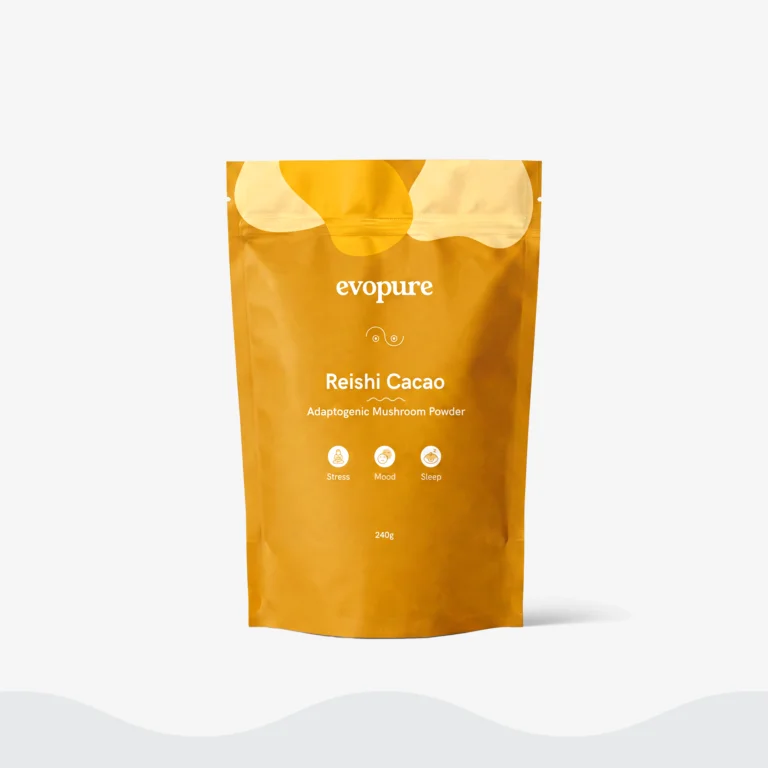
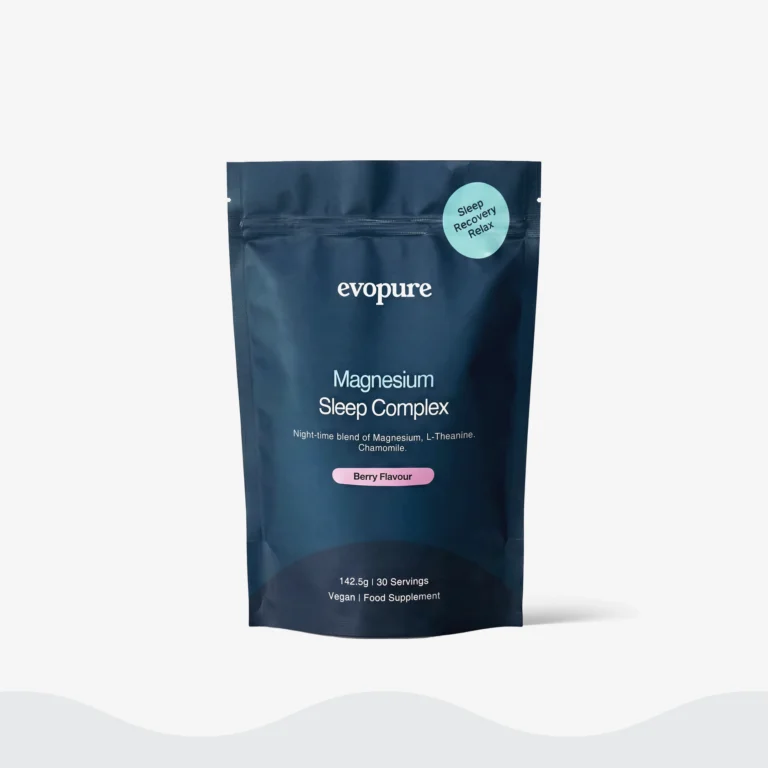
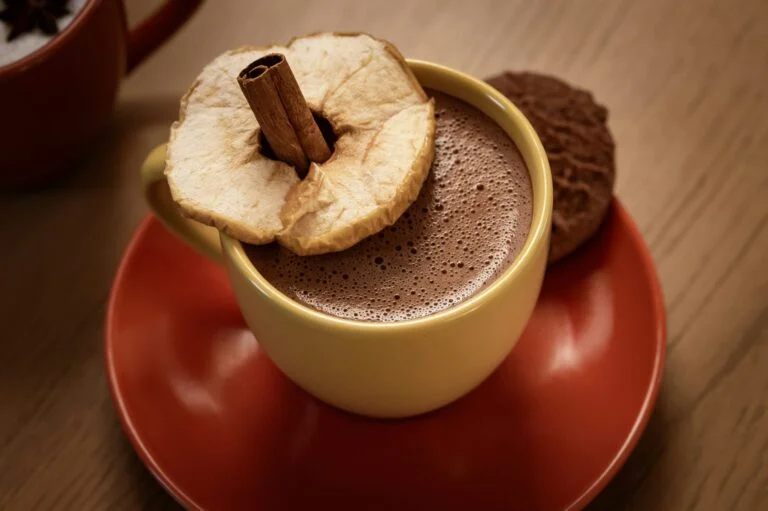
Many people find a warm evening drink a useful cue to switch off. Magnesium contributes to normal psychological function and the normal functioning of the nervous system. Our Reishi Mushroom Adaptogenic Complex is a cosy cacao drink, and our Magnesium Glycinate Sleep Complex is made for evenings. See anxiety at night and the Sunday scaries.
What doesn’t help
- Alcohol and smoking: the NHS warns against turning to unhealthy habits to cope. See hangxiety.
- Avoiding the problem indefinitely, which tends to make stress worse.
- Working longer and harder without breaks.
- Doom-scrolling late at night.
For men and women alike, the basics are the same, but men are less likely to talk about stress. See stress in men and stress and cortisol in women.
When to get help
Speak to your GP if stress is affecting your daily life, sleep or relationships, or lasts more than a few weeks. In England you can refer yourself to NHS Talking Therapies. If you feel unable to cope, call NHS 111 and choose the mental health option, or Samaritans on 116 123.
If you’re thinking about CBD, our guide to the best CBD oil for anxiety UK explains what to look for.
FAQs
What is the fastest way to relieve stress?
Slow breathing with a long out-breath, such as a physiological sigh, works within a minute or two. A brisk walk also helps quickly.
What are the best stress relief techniques?
Regular exercise, slow breathing, enough sleep, connecting with people, time outdoors and taking control of what you can.
How can I relieve stress at work?
Take short breaks, work in focused blocks, step outside, talk to colleagues and set a clear finish time.
Does exercise reduce stress?
Yes. A 2026 review of over 79,000 people found exercise reduced anxiety and depression symptoms, with aerobic exercise having the biggest effect.
When should I see a doctor about stress?
If stress affects daily life, sleep or relationships, or lasts more than a few weeks. You can also refer yourself to NHS Talking Therapies.
Sources
- NHS. 10 stress busters.
- Munro NR et al (2026). Effect of exercise on depression and anxiety symptoms: systematic umbrella review with meta-meta-analysis. British Journal of Sports Medicine.
- Balban MY et al (2023). Brief structured respiration practices enhance mood and reduce physiological arousal. Cell Reports Medicine.
- NHS. Stress.
This guide is general information, not medical advice. Evopure makes the Reishi Mushroom Adaptogenic Complex, Magnesium Glycinate Sleep Complex and Flow CBD Oil.