












Last updated: October 2026
Most UK adults need about 0.75g of protein per kg of body weight a day, the reference nutrient intake: around 56g for men and 45g for women. Older adults, people losing weight and anyone strength training usually need more, roughly 1.0 to 1.6g per kg, spread over three or four meals.
Below: the UK guidelines, a simple calculator table by body weight, how much you need for muscle, weight loss and later life, protein per meal, a UK food list with grams per portion, protein powders and how much is too much.
The quick maths: multiply your weight in kg by 0.75 for the UK minimum, by 1.2 if you’re over 65 or trying to lose weight, and by about 1.6 if you lift weights or do regular resistance training. A 70kg adult needs about 53g, 84g or 112g a day on those three numbers.
What the UK guidelines say
The UK reference nutrient intake (RNI) for protein is 0.75g per kg of body weight a day for adults. Think of it as a healthy minimum rather than a target for people with extra demands, such as athletes and older adults.
The British Nutrition Foundation turns that into everyday figures:
| Group | Protein a day (UK RNI) |
|---|---|
| Men 19 to 50 | 55.5g |
| Women 19 to 50 | 45g |
| Men over 50 | 53.3g |
| Women over 50 | 46.5g |
| Pregnancy | An extra 6g a day |
| Breastfeeding | An extra 11g a day (baby 0 to 6 months), then 8g |
These fixed figures are based on a body weight of 75kg for men and 60kg for women, which is why the per kg number is more useful if you’re lighter or heavier.
The good news is that most of us already get enough. National Diet and Nutrition Survey data show UK men eat about 85g a day and women about 67g, well above the RNI. The people who more often fall short are older adults with small appetites, people eating very little while dieting, and anyone who has been unwell.
Protein calculator table by body weight
Find your weight on the left, then read across to the column that fits you. Figures are grams of protein a day, rounded.
| Body weight | UK minimum (0.75g/kg) | Over 65 (1.0 to 1.2g/kg) | Losing weight (1.2 to 1.6g/kg) | Strength training (about 1.6g/kg) |
|---|---|---|---|---|
| 50kg (7st 12lb) | 38g | 50 to 60g | 60 to 80g | 80g |
| 60kg (9st 6lb) | 45g | 60 to 72g | 72 to 96g | 96g |
| 70kg (11st) | 53g | 70 to 84g | 84 to 112g | 112g |
| 80kg (12st 8lb) | 60g | 80 to 96g | 96 to 128g | 128g |
| 90kg (14st 2lb) | 68g | 90 to 108g | 108 to 144g | 144g |
| 100kg (15st 10lb) | 75g | 100 to 120g | 120 to 160g | 160g |
| 110kg (17st 5lb) | 83g | 110 to 132g | 132 to 176g | 176g |
How to work out your own number: weight in kg multiplied by the figure for your situation. If you know your weight in stone, multiply stones by 6.35 to get kg.
If you’re living with a lot of extra weight, ask your GP or a dietitian to set a figure for you rather than working from your total weight.
If you have kidney disease, don’t use this table. Your kidney team or dietitian will give you a personal protein target.
How much protein for muscle, weight loss and body recomposition
To build muscle
Training is what builds muscle; protein supplies the raw material. Protein contributes to a growth in muscle mass and to the maintenance of muscle mass, which is why needs go up when you train.
The best-known research here is a 2018 meta-analysis of 49 trials with 1,863 people doing resistance training. Extra protein added modestly to gains in strength and muscle size, but once total intake reached about 1.6g per kg a day there was no further gain in lean mass. A review of per-meal research notes that 2.2g per kg a day is the upper daily intake reported in the literature, so for most people there’s little point going higher.
The International Society of Sports Nutrition, a sports science body, puts the useful range for most exercising people at 1.4 to 2.0g per kg a day. In practice: aim for about 1.6g per kg, hit it most days, and put your effort into training and sleep. See muscle recovery for the rest of the picture.
To lose weight
When you eat less, a higher share of protein helps you hold on to muscle while you lose fat. A review in the American Journal of Clinical Nutrition concluded that diets with 1.2 to 1.6g of protein per kg a day, with at least 25 to 30g at each meal, were linked to improvements in appetite and weight management. It also found the benefits depended heavily on people sticking to the diet over time.
Two practical points: the same review found protein-rich meals feel a little more filling, and NHS dietitians advise strength exercise twice a week to protect muscle while you lose weight. Sleep matters too; see sleep and weight loss.
On a weight-loss injection? Follow the advice of the team prescribing it. For people taking weight-loss medicines, Guy’s and St Thomas’ NHS Foundation Trust advises 80g to 100g of protein a day for the general population, strength exercise twice a week, and a personal target from a dietitian for anyone with chronic kidney disease.
For body recomposition (losing fat and gaining muscle)
Recomposition means training hard while eating slightly less than you burn. Protein at the upper end of the range, about 1.6 to 2.2g per kg a day, plus regular resistance training is the usual approach. Judge progress by strength and how your clothes fit as well as by the scales.
To gain weight
If you’re underweight or trying to put weight back on after illness, total calories matter as much as protein. Add protein-rich snacks between meals, such as yoghurt, cheese, nuts or milky drinks, and see a GP if you’re losing weight without trying.
Protein by age: over 50s and over 65s
We lose muscle gradually as we age, and older muscles respond less strongly to protein. That’s why two European expert groups, PROT-AGE and ESPEN, recommend at least 1.0 to 1.2g per kg a day for healthy people over 65, rising to 1.2 to 1.5g per kg for older people with acute or chronic illness. PROT-AGE suggests at least 1.2g per kg for older people who exercise. The British Heart Foundation gives the same 1g to 1.2g figure for over 65s and suggests 20g to 25g at each meal.
There’s one important exception: older people with severe kidney disease may need to limit protein, so check with your GP or kidney team first.
For people in their 50s, the official RNI barely changes, but it’s a good time to build the habit of protein at every meal alongside strength exercise. Walking adds to your weekly activity too; see Japanese walking and how many steps a day. For men, our guide to supplements for men over 40 and 50 covers what’s worth taking and what isn’t.
How much protein does a woman need?
Women need the same amount per kg as men: 0.75g per kg a day as a minimum, or about 45g a day for an average-sized woman. A 60kg woman who strength trains would aim for around 96g; one who is trying to lose weight, around 72 to 96g.
Around menopause, many women notice changes in weight and shape, and strength training plus protein at each meal is a practical combination. See menopause weight gain, creatine for women and supplements for women over 40.
Pregnancy and breastfeeding: the UK figure goes up a little (see the table above), and the NHS advises eating some protein-rich foods every day, such as beans, pulses, fish, eggs, meat (but avoid liver), poultry and nuts. Follow your midwife’s advice rather than a sports nutrition target, and don’t start protein supplements without asking them first. We don’t recommend our products during pregnancy or breastfeeding.
Vegetarians and vegans
You can get enough protein without meat. Animal proteins have a higher biological value than plant proteins when compared food by food, but the British Nutrition Foundation notes that eating a variety of plant foods across the day can supply all the essential amino acids you need.
- Lean on pulses: beans, lentils, chickpeas and peas, which also bring fibre.
- Use soya: tofu, edamame, soya milk and soya yoghurt.
- Add nuts, seeds and nut butters to breakfasts and snacks.
- Vegetarians: eggs, Greek yoghurt, skyr and cheese are easy wins.
- Aim a little higher if you train, as plant protein portions tend to be smaller per serving.
The British Nutrition Foundation notes that average UK protein intakes are above the RNI in vegetarians and vegans too. The NHS lists vitamin B12, iodine, vitamin D, selenium and calcium as harder to get on a vegan diet, and notes plant iron is absorbed less well; see B vitamins and iron-rich foods.
How much protein per meal, and when
Spreading protein across the day works better than one big protein dinner. The British Heart Foundation says spreading protein evenly across meals helps your body use it effectively.
- About 20 to 40g per meal suits most adults. An early study found 20g was enough to maximally stimulate muscle building in young men after leg exercise; a later one found 40g beat 20g after a whole-body workout.
- There may be no hard ceiling. A 2023 study found 100g of protein produced a bigger and longer-lasting response than 25g, which challenges the idea that anything over 30g is “wasted”.
- Leucine matters. Sports nutrition guidance suggests each protein dose contains 700 to 3,000mg of leucine, an essential amino acid, alongside the other essential amino acids. A varied, decent-sized protein portion is the simple way to get there.
- Every 3 to 4 hours is a sensible rhythm if you’re training: breakfast, lunch, an afternoon snack and dinner.
- Timing around exercise is flexible. The effect of a workout lasts at least 24 hours, so eating protein within a few hours either side is fine. You don’t need a shake the minute you leave the gym.
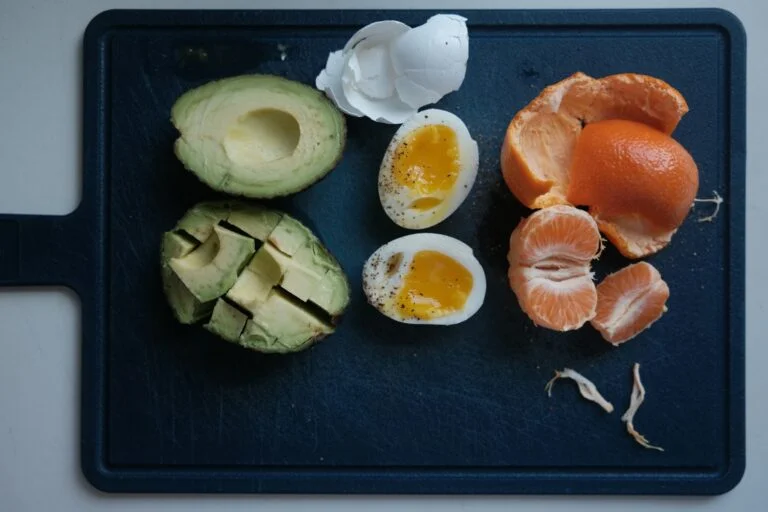
If breakfast is usually toast and jam, swapping to 2 eggs (12g), a pot of Greek yoghurt (15g) or porridge made with a glass of milk (7g from the milk alone) is an easy upgrade; see breakfast for energy for ideas.
Protein in everyday UK foods
Approximate grams of protein per typical portion, from NHS dietitian food tables. Labels vary by brand, so check the pack for exact figures.
| Food | Portion | Protein |
|---|---|---|
| Salmon | 130g (1 steak) | 35g |
| Chicken | 100g | 27g |
| Beef | 100g | 22g |
| White fish fillet | 100g (1 small fillet) | 19g |
| Tinned tuna | 60g (half a can, drained) | 15g |
| Greek yoghurt (0% fat) | 150g (1 small pot) | 15g |
| Skyr (0% fat) | 150g (1 small pot) | 15g |
| Quorn mince | 100g | 14g |
| Eggs | 2 eggs | 12g |
| Edamame beans | 100g | 12g |
| Lentils or chickpeas | 120g (half a can, drained) | 10g |
| Baked beans | 200g (half a can) | 10g |
| Kidney beans | 150g | 10g |
| Cheddar cheese | 30g | 8g |
| Milk | 200ml (1 glass) | 7g |
| Tofu | 80g | 6.5g |
| Soya milk | 200ml (1 glass) | 5 to 6g |
| Peanut butter | 20g (1 tablespoon) | 4.5g |
| Nuts | 20g (a handful) | 4g |
| Houmous | 55g (3 tablespoons) | 3.5g |
A few tips that follow from the table: Greek yoghurt and skyr have roughly double the protein of a standard fruit yoghurt; half a tin of tuna or a pot of skyr is an easy 15g; and pulses give you protein and fibre in one go. The NHS suggests at least 2 portions of fish a week, 1 of them oily, and cutting down to 70g a day if you eat more than 90g of red or processed meat.
What 90g of protein a day looks like
Here’s a simple day for a 70kg adult who is active or trying to lose weight (a target of about 84 to 112g), using the figures above. It needs no shakes.
| Meal | What | Protein |
|---|---|---|
| Breakfast | Porridge made with a glass of milk, topped with a 150g pot of Greek yoghurt and a handful of nuts | About 26g |
| Lunch | 2 eggs on wholegrain toast, with a lentil soup (half a can of lentils) | About 22g |
| Snack | A glass of milk and a tablespoon of peanut butter on an oatcake | About 11g |
| Dinner | A salmon steak, or 100g chicken with half a can of chickpeas, with vegetables and potatoes or rice | About 35g |
| Total | About 94g |
Oats, bread, rice and vegetables add a few grams more that aren’t counted here. For a vegetarian dinner, 100g Quorn mince with half a can of chickpeas gives about 24g.
Protein and fibre together
If meat, shakes and bars start to replace beans, wholegrains and vegetables, fibre drops. UK guidelines say adults should aim for 30g of fibre a day, and the NHS notes most of us only manage about 20g.
The NHS describes pulses, such as beans, peas and lentils, as good alternatives to meat because they’re low in fat and a good source of fibre and protein. Building meals around them is the simplest way to tick both boxes:
- Add half a can of lentils or beans to a meat sauce or soup.
- Have Greek yoghurt with berries and a spoon of seeds rather than a protein bar.
- Choose wholegrain bread with eggs or tuna.
- Snack on edamame or roasted chickpeas.
See high fibre foods for a full UK list and easy ways to reach 30g.
Protein powders and bars: do you need them?
Most people don’t. The British Heart Foundation says a balanced diet usually provides enough protein and that shakes, powders and bars should not replace healthy eating. NHS dietitians at Guy’s and St Thomas’ agree it’s best to get protein from foods, which contain other important nutrients.
A powder can be handy if you have high needs and a small appetite, or if you’re on a weight-loss medicine and struggling to reach your target. A typical 40g scoop of whey powder gives about 30g of protein. If you do use one:
- Read the label: the British Heart Foundation points out that many “high protein” products also have added sugars and fats. Check sugar per bar or serving as well as protein.
- Count it as part of your daily total, not on top of an already high intake.
- If you compete in sport, UK Anti-Doping says no supplement is guaranteed free of banned substances and advises using only batch-tested products; the Informed Sport website lists them.
- Plain powder in food works too: NHS dietitians suggest adding plain protein powder to soups, sauces or milky drinks.
How much protein is too much?
There’s no official upper limit. The European Food Safety Authority found there wasn’t enough evidence to set one. The UK Department of Health has advised adults to avoid intakes of more than twice the RNI, which works out at about 1.5g per kg a day, as a precaution. The British Heart Foundation suggests not regularly going above 2g per kg a day, as it can put a strain on the kidneys, especially in people with kidney problems.
For people with healthy kidneys, the evidence is more reassuring. A 2018 meta-analysis of 28 trials with 1,358 adults without kidney disease found higher-protein diets (at least 1.5g per kg a day or 100g a day) did not adversely affect kidney function compared with normal-protein diets.
Our view: 1.2 to 1.6g per kg is a sensible range for active adults, and there’s rarely a reason to go much above 2g. Keep room on the plate for fibre, fruit and vegetables.
Speak to a GP before raising your protein if you:
- have chronic kidney disease, or have been told your kidney function is reduced
- have a long-term health condition or take regular medication
- are pregnant or breastfeeding
Magnesium, muscles and protein
Protein gets the attention, but other nutrients have a job in muscle too. Magnesium contributes to normal protein synthesis and to normal muscle function, and it contributes to a reduction of tiredness and fatigue. Food comes first: nuts, seeds, beans, wholegrains and leafy greens. See foods high in magnesium and magnesium for muscle pain.
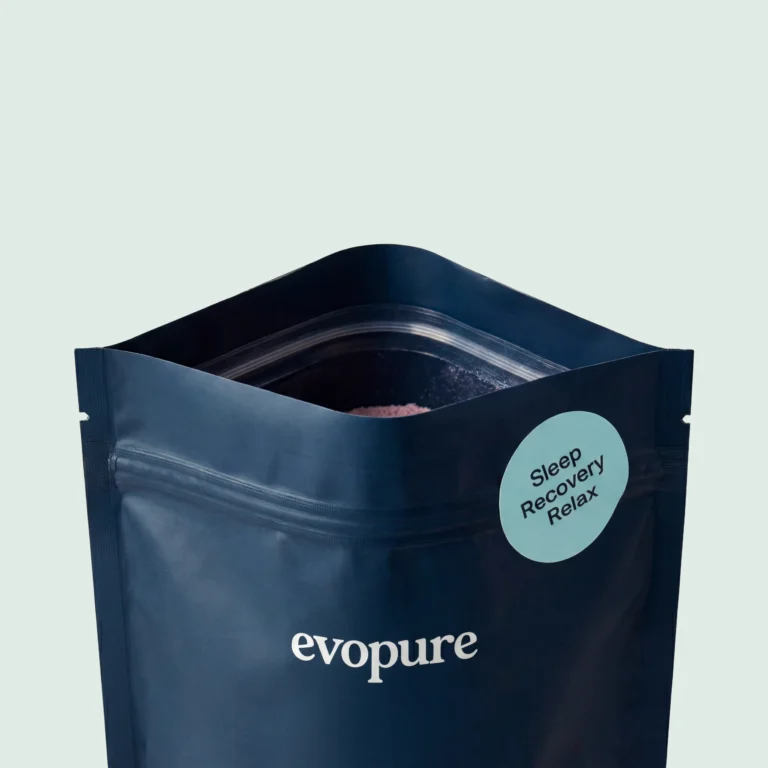
Our Magnesium Glycinate Sleep Complex is a caffeine-free berry drink with 148mg of magnesium per serving from bisglycinate and citrate, plus L-theanine and botanicals. It won’t build muscle on its own: that takes enough protein, enough food overall and training. It’s a simple evening option if your diet is short on magnesium. For adults only; check with your GP or pharmacist first if you take medication or have kidney problems. We don’t recommend our products during pregnancy or breastfeeding.
For more on what’s worth taking for energy, see the best supplements for energy.
FAQs
How do I calculate how much protein I need a day?
Multiply your weight in kg by 0.75 for the UK minimum, by 1.0 to 1.2 if you’re over 65, by 1.2 to 1.6 if you’re losing weight, and by about 1.6 if you do regular strength training. A 70kg adult needs about 53g, 84g or 112g a day.
How much protein do I need a day to lose weight?
Research suggests 1.2 to 1.6g of protein per kg of body weight a day, with at least 25 to 30g at each meal, alongside strength exercise twice a week. For a 70kg adult that’s about 84 to 112g a day.
How much protein does a woman need a day?
The UK reference figure is 45g a day for women aged 19 to 50, based on 0.75g per kg. Women who strength train, are losing weight or are over 65 usually need more, around 1.0 to 1.6g per kg.
How much is too much protein in one day?
There’s no official upper limit, but the British Heart Foundation advises not regularly going above 2g per kg a day. People with kidney disease should follow the protein target from their kidney team or dietitian.
How much protein do I need a day to build muscle?
About 1.6g per kg of body weight a day for most people doing resistance training, spread across 3 or 4 meals of around 20 to 40g. Research shows little extra gain above that.
Is 100g of protein a day too much?
Not for most healthy adults. For an 80kg person, 100g is about 1.25g per kg, well within the usual range. For a 50kg person it’s 2g per kg, which is more than most people need.
Does Pilates build muscle like weights?
The NHS lists Pilates as a muscle-strengthening activity, and it builds strength and control. If your main goal is bigger muscles, gradually heavier resistance with weights or bands is the usual approach. Protein needs are the same either way: about 1.2 to 1.6g per kg if you train regularly.
Sources
- British Nutrition Foundation. Protein.
- British Heart Foundation. How much protein do you need?.
- Guy’s and St Thomas’ NHS Foundation Trust. Lifestyle advice for people taking weight loss medicines: food and nutrition.
- Harrogate and District NHS Foundation Trust. Protein (reviewed January 2026).
- NHS. The Eatwell Guide.
- NHS. Meat in your diet.
- NHS. How to get more fibre into your diet.
- NHS. The vegan diet.
- NHS. Have a healthy diet in pregnancy.
- NHS. Physical activity guidelines for adults aged 19 to 64.
- UK Anti-Doping. Managing supplement risks.
- GOV.UK. Great Britain nutrition and health claims (NHC) register.
- Morton RW, et al. A systematic review, meta-analysis and meta-regression of the effect of protein supplementation on resistance training-induced gains in muscle mass and strength in healthy adults. Br J Sports Med, 2018. PMID 28698222.
- Schoenfeld BJ, Aragon AA. How much protein can the body use in a single meal for muscle-building? J Int Soc Sports Nutr, 2018. PMID 29497353.
- Jäger R, et al. International Society of Sports Nutrition position stand: protein and exercise. J Int Soc Sports Nutr, 2017. PMID 28642676.
- Bauer J, et al. Evidence-based recommendations for optimal dietary protein intake in older people: a position paper from the PROT-AGE Study Group. J Am Med Dir Assoc, 2013. PMID 23867520.
- Deutz NE, et al. Protein intake and exercise for optimal muscle function with aging: recommendations from the ESPEN Expert Group. Clin Nutr, 2014. PMID 24814383.
- Leidy HJ, et al. The role of protein in weight loss and maintenance. Am J Clin Nutr, 2015. PMID 25926512.
- Moore DR, et al. Ingested protein dose response of muscle and albumin protein synthesis after resistance exercise in young men. Am J Clin Nutr, 2009. PMID 19056590.
- Macnaughton LS, et al. The response of muscle protein synthesis following whole-body resistance exercise is greater following 40 g than 20 g of ingested whey protein. Physiol Rep, 2016. PMID 27511985.
- Trommelen J, et al. The anabolic response to protein ingestion during recovery from exercise has no upper limit in magnitude and duration in vivo in humans. Cell Rep Med, 2023. PMID 38118410.
- Devries MC, et al. Changes in kidney function do not differ between healthy adults consuming higher- compared with lower- or normal-protein diets: a systematic review and meta-analysis. J Nutr, 2018. PMID 30383278.
This guide is general information, not medical advice. If you have a medical condition, are pregnant or take medication, ask your GP, pharmacist or a registered dietitian about your protein needs. Evopure makes the Magnesium Glycinate Sleep Complex. We don’t sell protein powders.