Last updated: October 2026
Reishi is popular in skincare for its antioxidants, triterpenes and moisture-binding polysaccharides. Lab and animal studies suggest it may help with uneven tone, dryness, redness and sun-related ageing, but there are no good human skin trials yet. Use it as a supporting ingredient in serums or moisturisers, alongside proven basics like daily SPF.
Here are the six skin benefits reishi is known for, what the research really shows for each, how to use it, and who should be careful.
6 reishi mushroom benefits for skin
1. Antioxidant protection
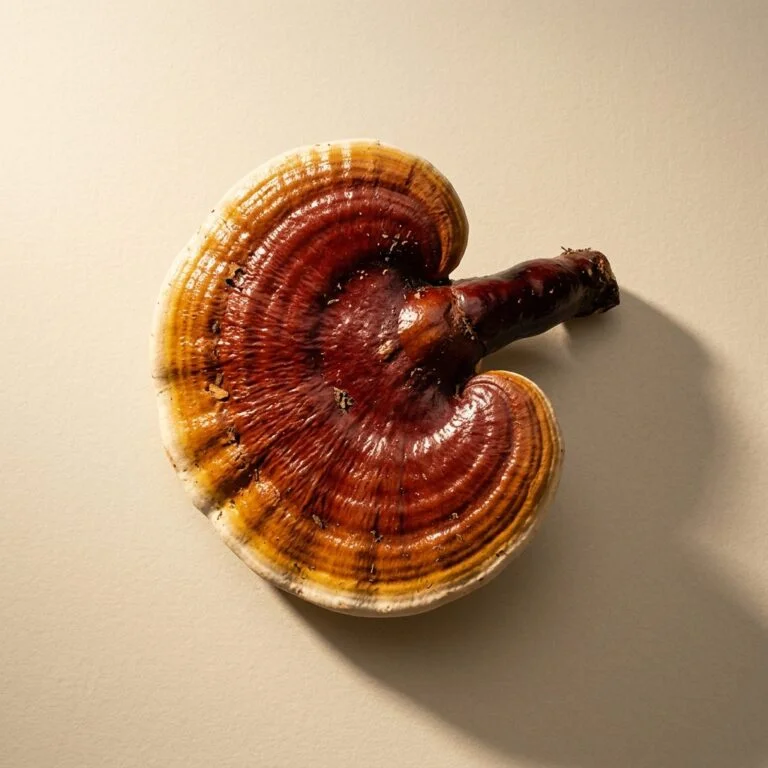
Reishi (Ganoderma lucidum) contains triterpenes, polysaccharides and phenolic compounds with antioxidant activity. In lab and animal models of UV exposure, reishi extracts reduced oxidative damage, one of the drivers of visible skin ageing. Antioxidants work best alongside, not instead of, daily sunscreen.
2. Hydration
Reishi’s polysaccharides, including beta-glucans, attract and hold water, much like other humectants. That’s why it often appears in hydrating serums and moisturisers. Beta-glucans from other sources, such as oats, are already used to soothe and hydrate dry skin.
3. More even skin tone
A compound in reishi called ganodermanondiol reduced melanin production in pigment cells in a 2016 lab study, by inhibiting tyrosinase, the enzyme behind dark spots. That’s promising for uneven tone, but it hasn’t been tested on people’s skin.
4. Calming redness
Reishi compounds have shown anti-inflammatory effects in lab and animal studies, including a 2025 mouse study where ganoderic acid A reduced psoriasis-like inflammation. Many people with reactive skin like reishi-based products, but evidence in humans is lacking.
5. Supporting firmness and elasticity
In a 2025 study, reishi extract reduced signs of skin ageing in cell and animal models, partly by protecting mitochondria, the energy centres of cells. Whether a cream delivers enough to make a visible difference isn’t yet known.
6. Barrier comfort
By adding moisture and calming irritation, reishi may help skin feel more comfortable, especially in winter when central heating dries skin out.
How strong is the evidence?
| Claimed benefit | Best evidence so far | Strength |
|---|---|---|
| Antioxidant / anti-ageing | Cell and animal UV studies | Promising, early |
| Hydration | Known humectant properties of polysaccharides | Plausible |
| Even tone | One lab study on pigment cells | Early |
| Calming redness | Animal studies | Early |
| Firmness | Cell and animal studies | Early |
Reviews of mushroom ingredients in cosmetics in 2024 and 2025 concluded that reishi has real potential, but that well-designed human trials are still needed. For proven results, pair it with ingredients that have strong human evidence: SPF for ageing and dark spots, retinoids for fine lines, and niacinamide for tone.
How to use reishi for skin
- Serums and moisturisers: the easiest way. Apply serums after cleansing, then moisturiser, and finish with SPF 30 or higher in the morning.
- Masks: some brands offer reishi sheet masks or wash-off masks for an occasional hydration boost.
- DIY masks: mixing reishi powder with honey or yoghurt is popular online, but powders can be gritty and their strength varies. Patch test first and keep it to a short treat rather than your main routine.
Good partners include hyaluronic acid and ceramides for hydration, niacinamide for tone, and vitamin C for brightness. Introduce one new product at a time.
Taking reishi vs applying it
There’s no evidence that taking reishi by mouth improves your skin directly. But many people take reishi as part of an evening routine, and good sleep and lower stress are good for skin in their own right: poor sleep is linked with duller-looking skin and slower barrier recovery.
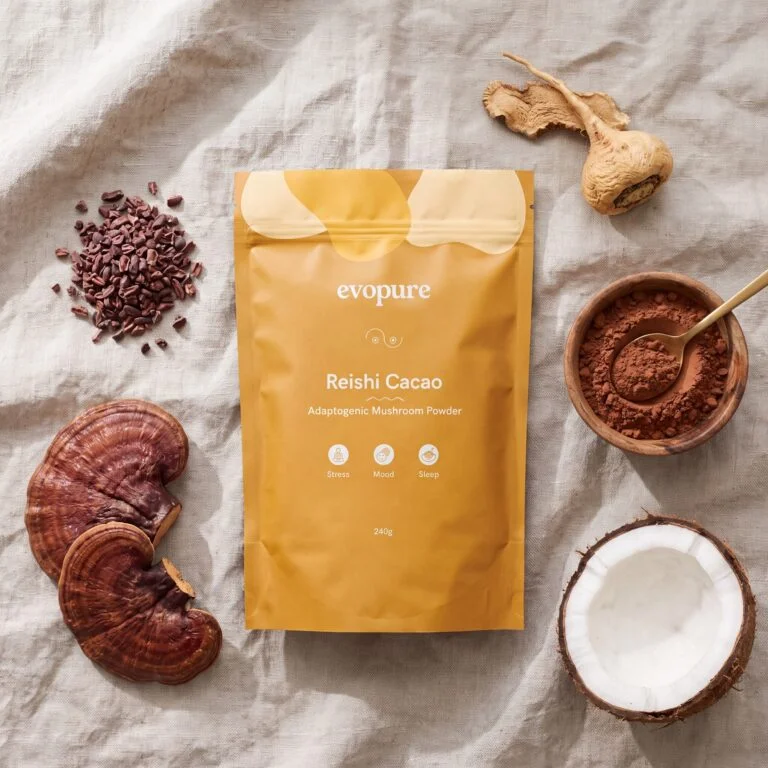
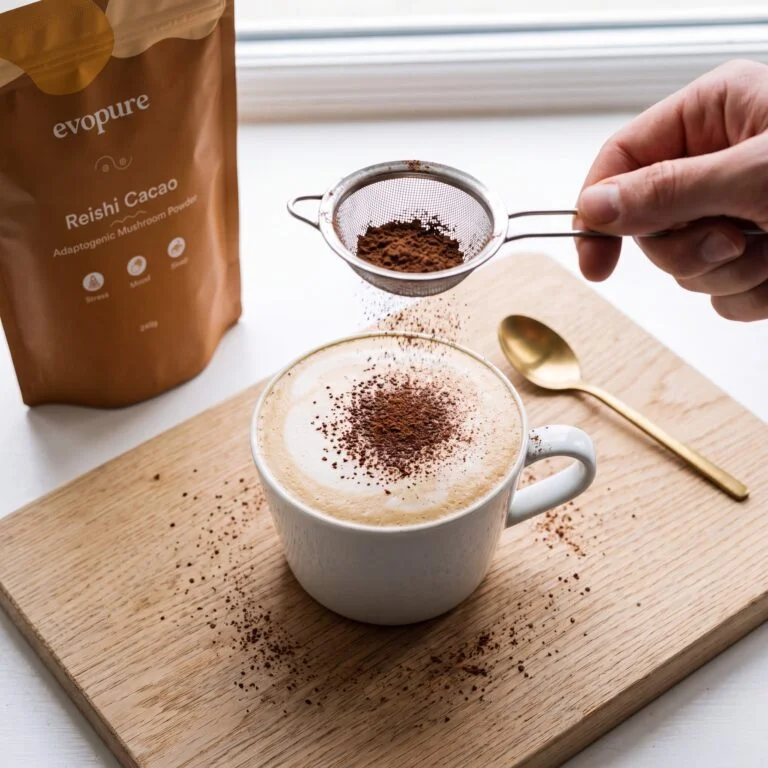
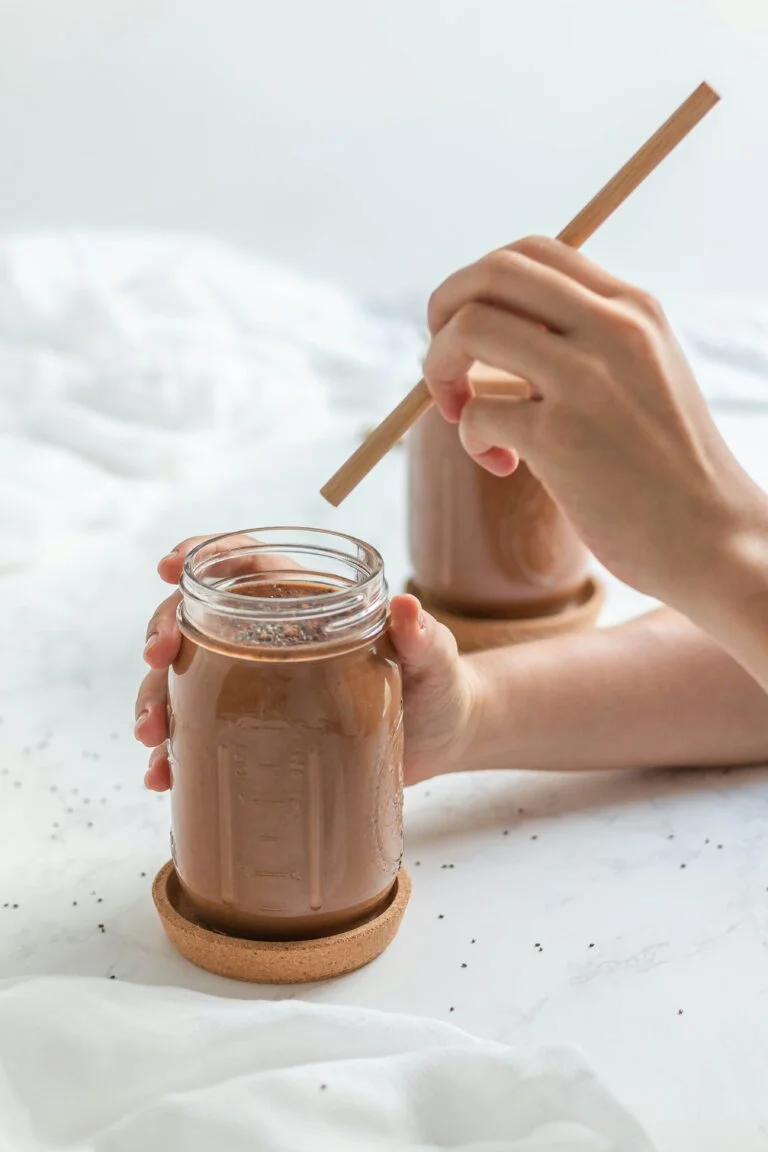
Our Reishi Mushroom Adaptogenic Complex is a hot chocolate made with reishi extract, organic cacao and maca, as a gentle evening ritual. Read more in reishi for sleep and reishi cacao benefits.
How to choose a reishi skincare product
- Look for Ganoderma lucidum extract fairly high up the ingredients list, not just at the end.
- Prefer brands that say how much they use, or show testing.
- Choose a format that suits your skin: lighter serums for oily skin, richer creams for dry skin.
- Be wary of products promising to “cure” acne, eczema or psoriasis; see your GP or a dermatologist for skin conditions.
Is reishi safe for skin?
Reishi is generally well tolerated in skincare, but any ingredient can irritate. Patch test new products on a small area for 24 to 48 hours. Avoid it if you’re allergic to mushrooms or moulds. If you take reishi by mouth, check with your GP or pharmacist first if you take blood thinners or immunosuppressants, are pregnant or breastfeeding, or have liver disease.
FAQs
What does reishi do for your skin?
Reishi provides antioxidants and moisture-binding polysaccharides. Lab and animal studies suggest it may help with tone, redness and sun-related ageing, but human trials are lacking.
Is reishi good for acne-prone skin?
It’s generally gentle and its calming properties may suit reactive skin, but it isn’t a proven acne treatment. Patch test and see your GP or a pharmacist for persistent acne.
Can reishi lighten dark spots?
A lab study found a reishi compound reduced melanin production in pigment cells, but it hasn’t been tested on human skin. Daily SPF is the most proven way to prevent dark spots.
How long does reishi take to work on skin?
Hydrating effects can be felt quickly. Any change in tone or texture would take at least four to eight weeks of daily use, as with most skincare.
Does taking reishi help your skin?
There’s no direct evidence. Some people take it as part of an evening routine, and better sleep and lower stress benefit skin generally.
Can I use reishi with retinol or vitamin C?
Generally yes. Reishi is gentle and hydrating, so it often pairs well with stronger actives. Introduce new products one at a time.
Sources
- Kim JW et al (2016). Effects of ganodermanondiol, a new melanogenesis inhibitor from the medicinal mushroom Ganoderma lucidum. International Journal of Molecular Sciences.
- Wang H et al (2025). Ganoderma lucidum extract reduces skin aging by reducing mitochondrial stress and controlling mitochondrial numbers. Fitoterapia.
- Xiao C et al (2025). Ganoderic acid A alleviates psoriasis by inhibiting GSDMD-mediated pyroptosis. Tissue and Cell.
- Rukhsar S et al (2025). Mushrooms in modern cosmetics: unlocking anti-aging, antioxidant, and therapeutic potential. Archives of Dermatological Research.
- Paterska M et al (2024). Macrofungal extracts as a source of bioactive compounds for cosmetical anti-aging therapy: a comprehensive review. Nutrients.
This guide is general information, not medical advice.