

Last updated: October 2026
Maitake, or “hen of the woods”, is an edible mushroom. It contains beta-glucans and is studied for blood sugar and immune effects, but most research is in animals and human evidence is limited. Side effects are uncommon, but maitake extracts may lower blood sugar and have been reported to interact with warfarin, so check with a pharmacist if you take medicines.
This guide covers maitake benefits, what the research says, side effects and interactions, and how to cook and use it.
What is maitake?
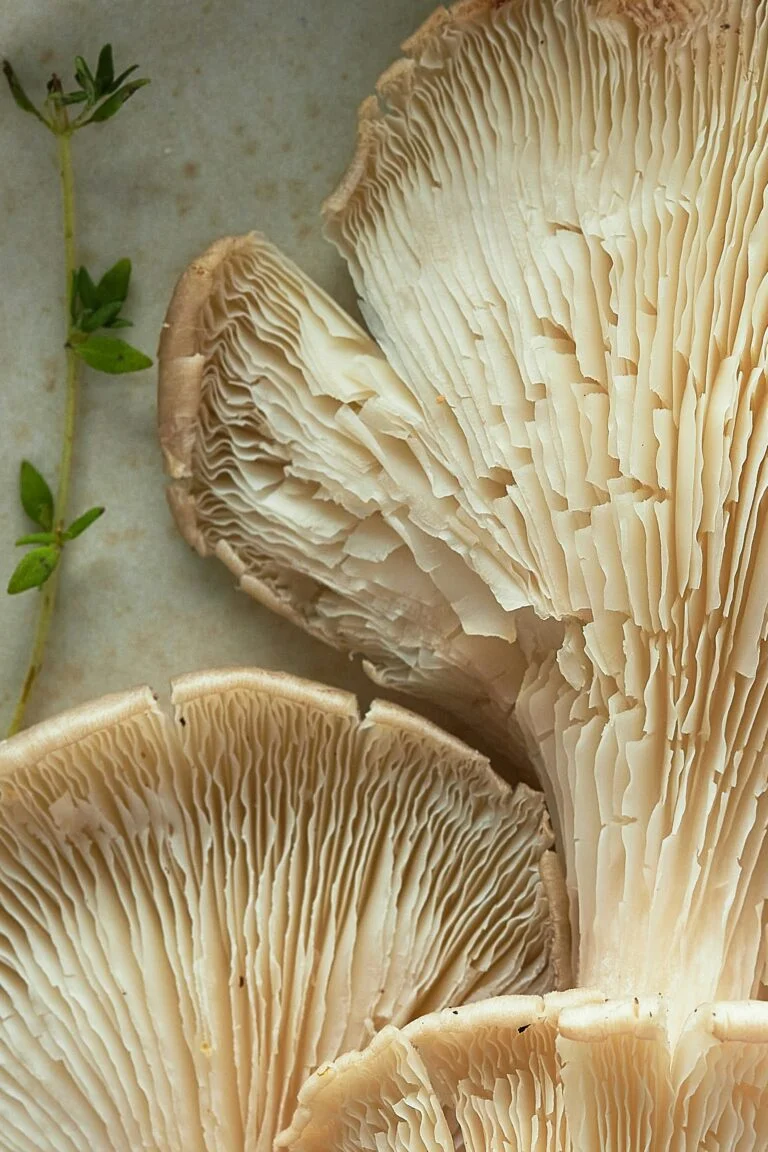
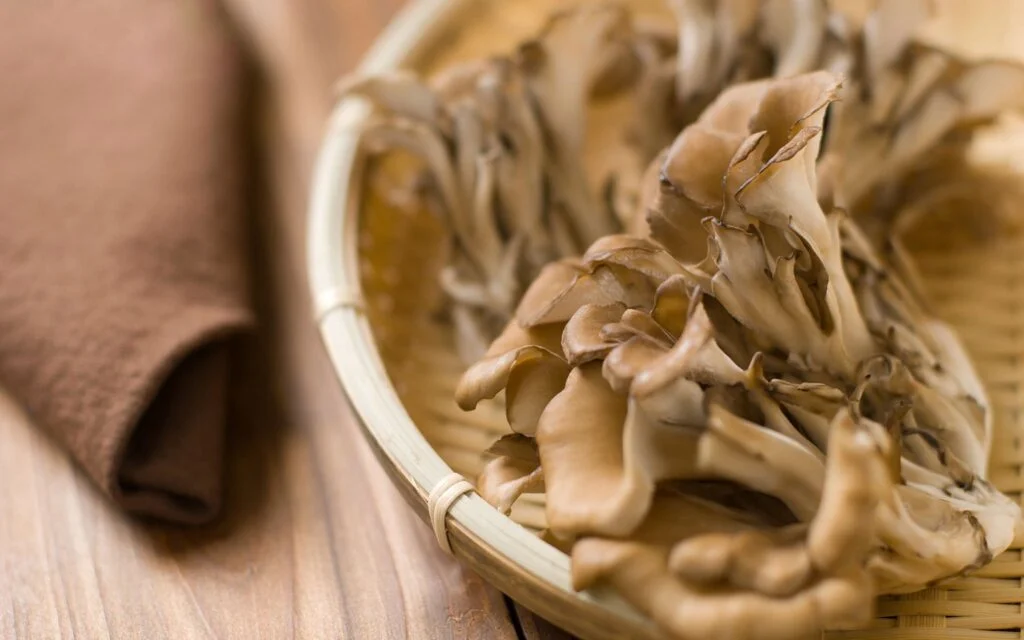
Maitake (Grifola frondosa) grows in clusters of frilly, overlapping caps at the base of oak and other hardwood trees, which is why it’s called “hen of the woods”. Its Japanese name is often translated as “dancing mushroom”. It’s prized in cooking for its texture and savoury flavour, and is also sold as powders and extracts.
Maitake benefits: what the research shows
| Claimed benefit | Evidence |
|---|---|
| Nutrition | A good source of fibre, B vitamins and, when UV-exposed, vitamin D |
| Blood sugar | Lowered blood sugar in animal studies; human data is limited and mixed |
| Cholesterol and triglycerides | A related Grifola species lowered triglycerides in animal models and a small study in adults with prediabetes |
| Immune support | Maitake beta-glucans (such as the “D-fraction”) affect immune cells in lab studies |
| Cancer | Studied as an add-on in small early trials; not a cancer treatment |
Like most functional mushrooms, maitake is promising in the lab but not well proven in people. Enjoy it as a food first. Compare other mushrooms in the functional mushrooms UK guide.
Maitake side effects and interactions
Eating cooked maitake is safe for most people. Possible side effects, mostly with concentrated extracts, include:
- Digestive upset such as bloating or loose stools
- Low blood sugar, particularly if you take diabetes medicines
- Blood thinner interaction: a published case report described a patient on warfarin whose INR (a measure of blood clotting) rose after starting a maitake extract
- Blood pressure: may add to the effect of blood pressure medicines
- Allergic reactions, which are rare
Who should be careful with maitake?
- People taking warfarin or other blood thinners
- People taking diabetes or blood pressure medicines
- Anyone due to have surgery (stop extracts two weeks before)
- People with autoimmune conditions or on immunosuppressants
- Pregnant or breastfeeding women (extracts), as there’s no safety data
Speak to your GP or pharmacist before taking maitake supplements if any of these apply.
How to cook maitake
- Roast or pan-fry: tear into clusters, toss with oil and salt, and roast at 200°C until crispy at the edges, about 20 minutes.
- Soups and broths: adds deep savoury flavour; simmer until tender.
- Risotto and pasta: sauté first to bring out the flavour.
- Always cook it; don’t eat wild mushrooms you’ve foraged unless an expert has identified them.
Maitake supplements
Maitake is sold as capsules, powders, tinctures and blends. If you choose a supplement, look for a fruiting body extract with stated beta-glucan content and third-party testing, follow the label dose and check for interactions with any medicine you take. For a calming evening mushroom drink, reishi is the more traditional choice; see reishi for sleep, mushroom tea and the best mushrooms for anxiety.
FAQs
What are the side effects of maitake?
Usually mild: stomach upset. Extracts may lower blood sugar and have been reported to interact with warfarin, so check with a pharmacist if you take medicines.
What is maitake good for?
It’s a nutritious food with fibre, B vitamins and beta-glucans. Lab and animal studies suggest blood sugar and immune effects, but human evidence is limited.
Is maitake the same as hen of the woods?
Yes. Maitake (Grifola frondosa) is commonly called hen of the woods because its frilly clusters look like a nesting hen.
Can I take maitake with diabetes medicine?
Speak to your GP or pharmacist first, as maitake extracts may lower blood sugar and add to the effect of diabetes medicines.
Can you eat maitake raw?
It’s best cooked, which improves the texture and flavour and makes it easier to digest.
Is maitake good for skin?
It’s used in some skincare for its antioxidant and moisturising properties, but there’s little human evidence.
Sources
- Hanselin MR et al (2010). INR elevation with maitake extract in combination with warfarin. Annals of Pharmacotherapy.
- Harada E et al (2020). Medicinal mushroom, Grifola gargal, lowers triglyceride in animal models of obesity and diabetes and in adults with prediabetes. International Journal of Medicinal Mushrooms.
- Sadowska A et al (2026). Medicinal mushrooms and their bioactive compounds: from traditional use to therapeutic potential. Molecules.
This guide is general information, not medical advice.