




Last updated: October 2026
Talking therapies such as CBT, and the other treatments NICE recommends, come first for anxiety. A few supplements, including magnesium, ashwagandha, L-theanine, saffron and lavender oil capsules, have small human studies behind them, but none is a treatment for anxiety. If anxiety is affecting your daily life, see your GP or refer yourself to NHS Talking Therapies.
Below we rank the best natural supplements for anxiety in the UK by the strength of the human research, with the key safety notes and what UK rules allow each one to claim. Not sure whether what you feel is anxiety? Start with our guide to anxiety symptoms.
The evidence at a glance
| Supplement | What studies looked at | Strength of evidence | Key safety notes | Authorised UK claim |
|---|---|---|---|---|
| Magnesium | Review of 18 studies in anxiety-prone groups (2017) | Suggestive, poor quality | Over 400mg a day from supplements can cause diarrhoea | “Magnesium contributes to normal psychological function” |
| Ashwagandha | Meta-analysis of 12 trials, 1,002 adults (2022) | Positive, low certainty | Avoid if pregnant or you have a liver condition; FSA safety review under way | None |
| L-theanine | Review of 9 trials in people under stress (2020) | Promising, small trials | Check with a pharmacist if you take medication | None |
| Saffron | Meta-analysis of 23 trials on mood and anxiety (2019) | Promising, signs of publication bias | Avoid supplements in pregnancy; ask first if you take antidepressants | None |
| Lavender oil capsules (Silexan) | Network meta-analysis of 5 trials (2019) | Mixed | Results apply to one standardised extract only | None |
| Omega-3 | Meta-analysis of 19 trials, 2,240 people (2018) | Modest; only at 2,000mg a day or more | Ask your GP first if you take a blood thinner | None for anxiety |
| CBD | Mostly single-dose lab studies (2015 review) | Early | Can interact with medicines; not for pregnancy or breastfeeding; FSA advises 10mg a day | None; no medicinal claims allowed |
| Chamomile | Meta-analysis of 12 trials, few on anxiety (2019) | Limited | Allergy risk if you react to daisies or ragweed; may interact with warfarin | None |
| Passionflower | Cochrane review, 2 trials, 198 people (2007) | Too little to judge | Ask first if you take sedatives | None |
| B vitamins | Little direct anxiety research | Not established for anxiety | Long-term high-dose B6 can harm nerves | Vitamins B6 and B12 “contribute to normal psychological function” |
We ranked them on human trials first, then safety and UK rules. We sell products containing some of these ingredients, so we say plainly where the evidence is weak.
What the NHS recommends first
NICE, which sets treatment guidance for the NHS, uses a stepped approach for generalised anxiety disorder (GAD):
- Step 1: information about anxiety and keeping an eye on how you feel.
- Step 2: low-intensity help, such as guided self-help and group courses.
- Step 3: a choice of CBT or applied relaxation with a trained therapist, or medicine, usually an SSRI.
The NHS says a GP will usually suggest talking therapies before medicine. No supplement appears in this guidance. If you try one alongside proper support, pick a single ingredient, check it’s safe with anything else you take, and give it a fair trial. The steps in how to deal with anxiety and 4-7-8 breathing are worth trying too.
1. Magnesium
An essential mineral. The NHS says adults aged 19 to 64 need 300mg a day (men) or 270mg a day (women).
The research: a 2017 review of 18 studies in anxiety-prone groups, such as mildly anxious adults and women with PMS, found about half reported lower self-rated anxiety. The authors rated the evidence quality as poor.
UK claim: magnesium contributes to normal psychological function and to the normal functioning of the nervous system.
Safety: the NHS says 400mg a day or less from supplements is unlikely to cause harm. Check with your GP first if you have kidney problems.
Our Magnesium Glycinate Sleep Complex combines magnesium bisglycinate and citrate (148mg of magnesium per serving) with glycine, L-theanine, chamomile, passionflower, hops and oat straw. For forms, doses and timing, see magnesium for anxiety and our magnesium glycinate guide.
2. Ashwagandha
The research: a 2022 meta-analysis pooled 12 randomised trials with 1,002 adults. Anxiety and stress scores were lower than with placebo, but results varied a lot and the authors rated the certainty as low.
UK claim: none. Safety: the Food Standards Agency (FSA) is reviewing ashwagandha’s safety. Meanwhile it has told Which? it would advise pregnant women and people with pre-existing liver conditions to avoid ashwagandha supplements. Check with a pharmacist if you have a thyroid condition or take any medication. See our side effects guide and UK safety review, and for trials and doses, ashwagandha for anxiety.
3. L-theanine
An amino acid found in green tea. The research: a 2020 systematic review found 9 randomised trials. The authors concluded that 200 to 400mg a day might lower stress and anxiety in people facing stressful situations, but said longer and larger studies are needed before it could be considered a treatment.
UK claim: none. Safety: check with your GP or pharmacist first if you take any medication.
L-theanine is one of the ingredients in our Magnesium Glycinate Sleep Complex. More in L-theanine benefits: what the research shows.
4. Saffron
The research: taken as a standardised extract, saffron was the subject of a 2019 meta-analysis of 23 trials, which found it outperformed placebo on both low mood and anxiety scores. The authors also found signs of publication bias.
UK claim: none. Safety: skip saffron supplements if you’re pregnant or breastfeeding, and talk to your GP before taking it with antidepressants or if you have bipolar disorder. Doses, food versus supplements and who should avoid it are in saffron: benefits, doses and safety.
5. Lavender oil capsules
The research: a 2019 network meta-analysis combined 5 trials of Silexan, a standardised lavender oil taken by mouth, using the Hamilton Anxiety Scale. The 160mg dose showed the largest fall in scores, but the difference from placebo was not statistically clear. These trials say nothing about aromatherapy oils or lavender tea.
UK claim: none. Never swallow an essential oil that isn’t made to be taken by mouth. Evopure doesn’t make a lavender product. For lavender scent, tea and capsules at bedtime, see does lavender help you sleep?
6. Omega-3
The research: for the EPA and DHA fats in oily fish and fish or algae oils, a 2018 meta-analysis of 19 trials with 2,240 people found lower anxiety scores with omega-3 than without. The difference showed up mainly in people with a diagnosed condition and only at 2,000mg a day or more.
UK claim: none for anxiety. Safety: ask your GP or pharmacist first if you take a blood thinner. Food sources, fish oil versus cod liver oil and doses are in our omega-3 guide.
7. CBD
Cannabidiol, a non-intoxicating compound from hemp, sold in the UK as a food supplement. CBD isn’t a treatment for anxiety, and UK rules mean we can’t and won’t claim it is.
The research: a 2015 review found human evidence was limited to single doses, with few studies in people with anxiety disorders. The most quoted trial gave 24 people a single 600mg dose before a public speaking test: 60 times the FSA’s daily advice, so it tells us little about a few drops a day. For the full picture, see CBD and anxiety: what the research shows.
Safety: the FSA advises healthy adults to take no more than 10mg a day, says CBD isn’t suitable during pregnancy or breastfeeding, and advises people taking medication not to use it unless under medical direction. See can CBD interact with medication?
The FSA’s 10mg a day figure is precautionary advice rather than a legal limit, set while longer-term safety research continues. At Evopure we think it is a very cautious figure, and many adults use more. If you go above it, increase slowly, and check with your GP or pharmacist first if you take any medication.
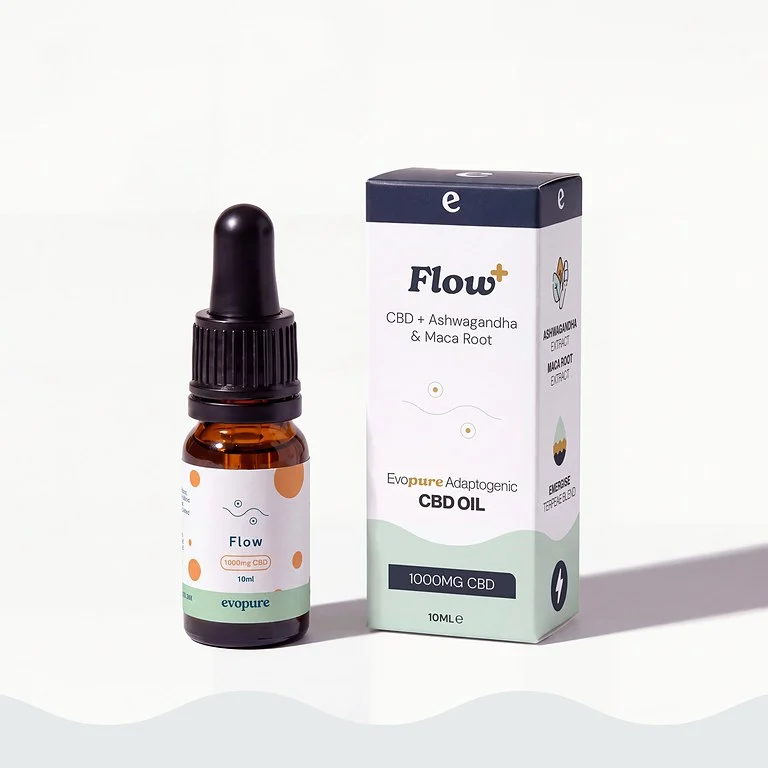
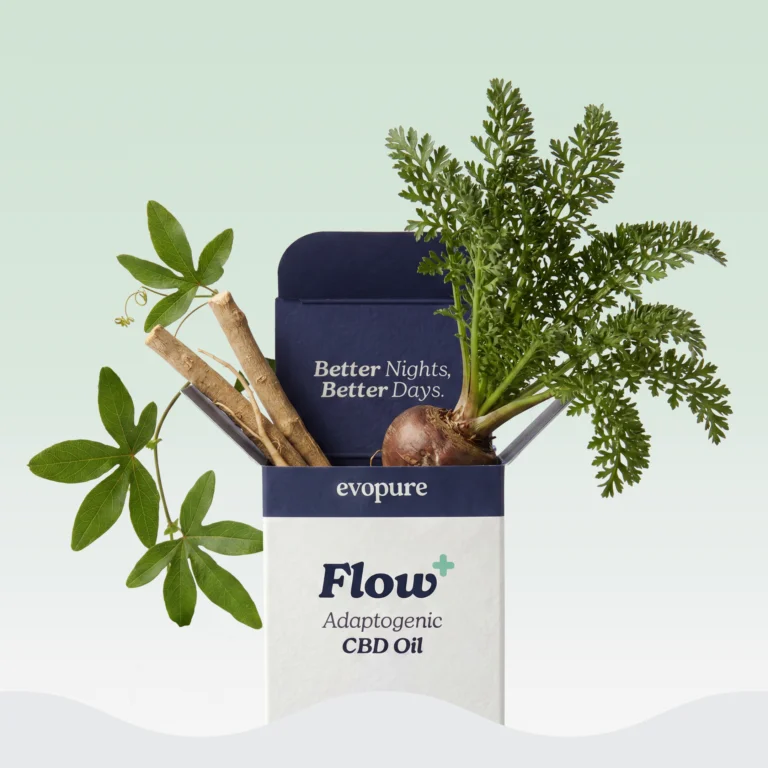
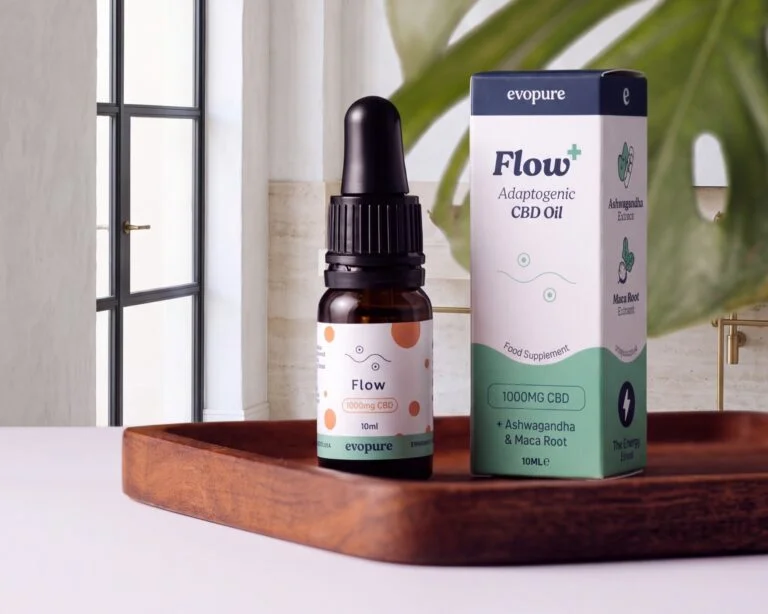
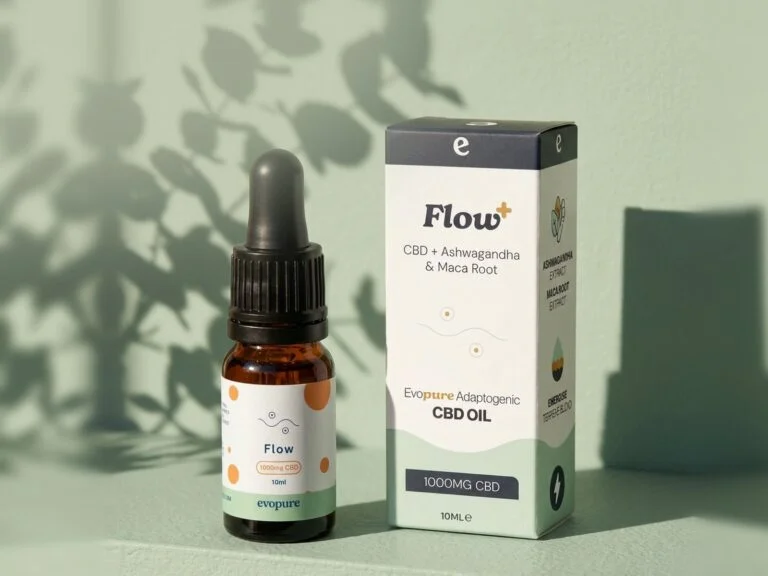
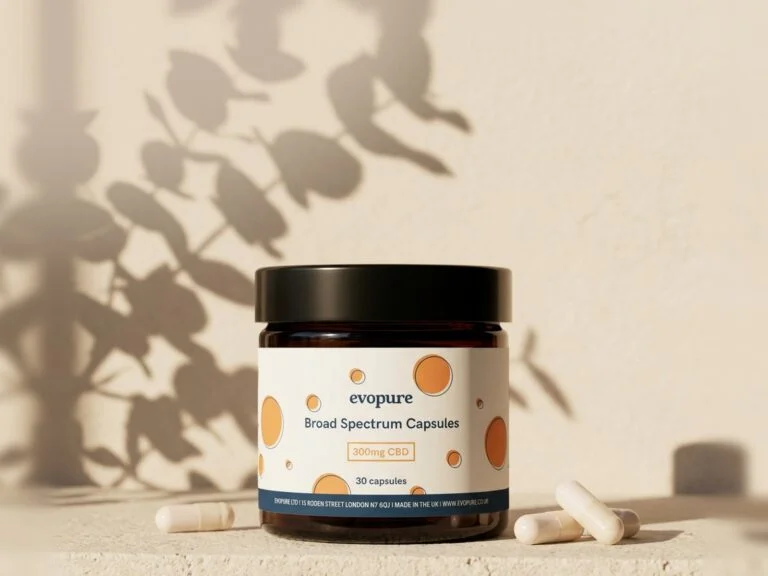
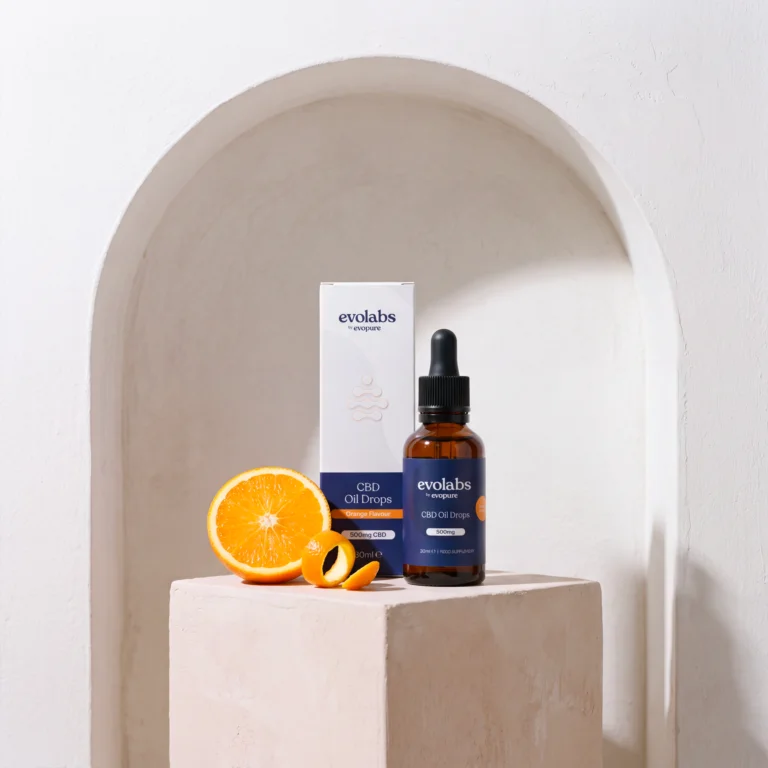
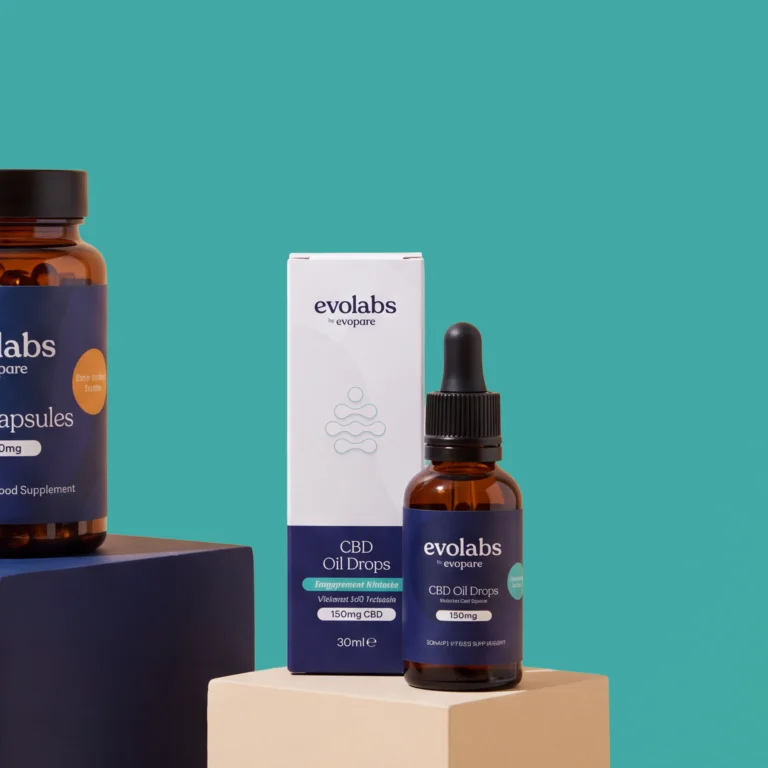
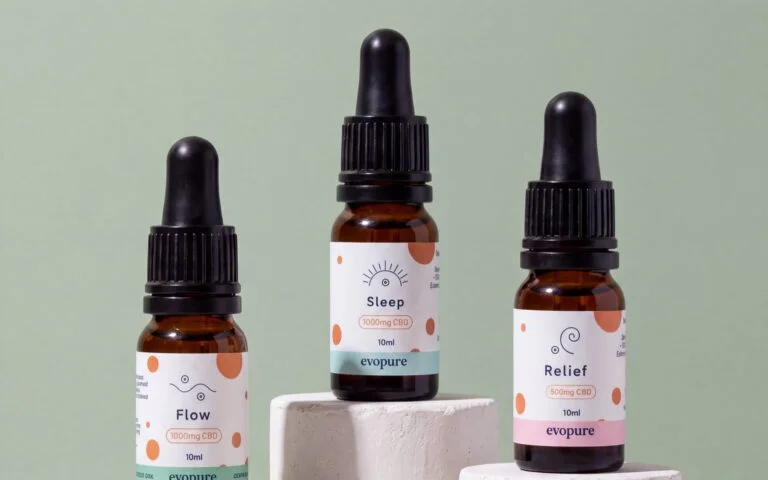
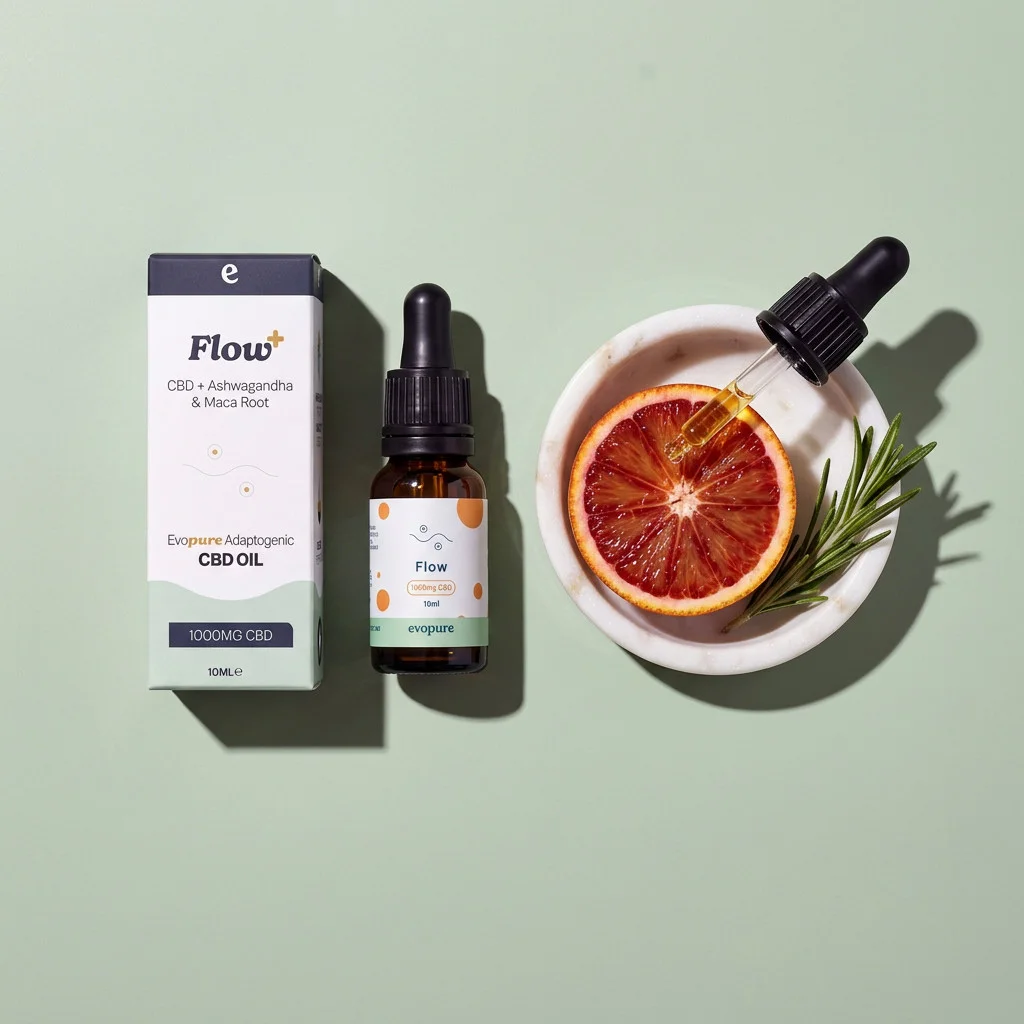
All our CBD oils are broad spectrum with 0% THC and are on the FSA’s public list of products linked to validated novel food applications. Flow CBD Oil combines CBD with ashwagandha and maca in MCT oil, so the ashwagandha cautions above apply to it too. To compare oils, read how to choose a CBD oil.
8. Chamomile
The research: a 2019 meta-analysis of 12 trials found only 3 that measured anxiety, and pooling them showed no clear difference. Small trials in people with GAD did show lower anxiety scores after 2 and 4 weeks of chamomile extract, and the authors called for larger studies.
UK claim: none. Safety: allergic reactions are more likely if you react to ragweed, chrysanthemums, marigolds or daisies, and interactions with warfarin have been reported. More in chamomile tea: benefits and side effects.
9. Passionflower
The research: for this climbing plant (Passiflora), a Cochrane review found only 2 eligible trials with 198 people, and said there were too few to draw any conclusions.
UK claim: none. Safety: ask a pharmacist before using it with sedatives or other medicines that make you drowsy. Passionflower is in our Magnesium Glycinate Sleep Complex. More in passionflower for sleep, and if worry builds in the evening, see anxiety at night.
10. B vitamins
B vitamins often appear on “vitamins for anxiety” lists, but we found little direct research on them for anxiety on their own. They earn a place because several have authorised claims: vitamin B6 contributes to normal psychological function, and vitamin B12 contributes to normal psychological function.
Safety: the NHS warns that taking too much vitamin B6 for a long time can cause loss of feeling in the arms and legs. Which B vitamins you need and where to find them is in our B vitamins guide.
Others you’ll see
We cover these in separate guides:
- Lemon balm, valerian root and holy basil: traditional herbs with small trials.
- Rhodiola rosea: studied more for stress and fatigue.
- GABA supplements and inositol: small, older trials.
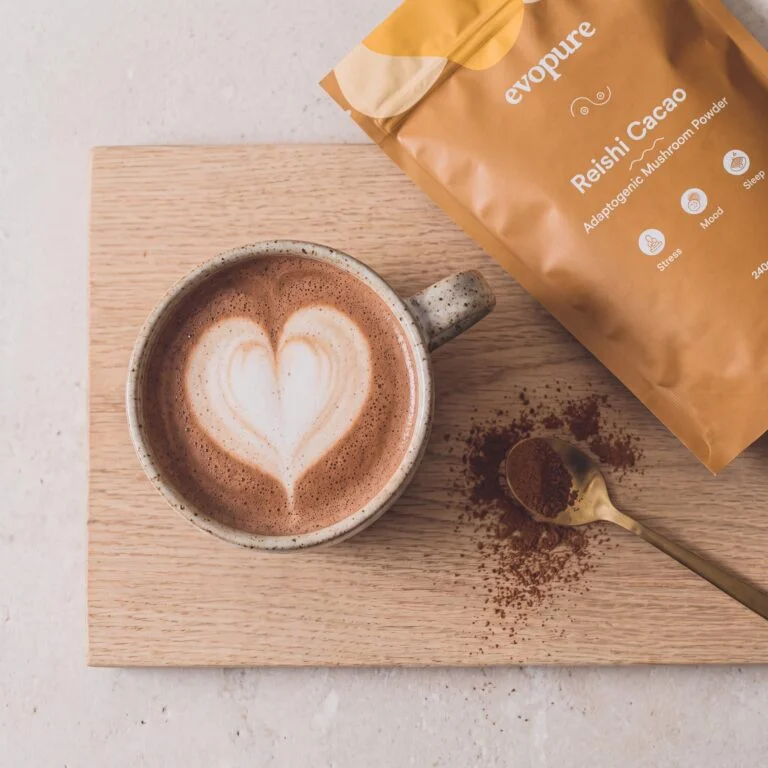
- Lion’s mane and reishi: early human research, ranked in our mushrooms guide.
- 5-HTP: read the safety guide first, especially if you take an antidepressant.
And it’s worth checking your coffee: see does caffeine cause anxiety? If anxiety is mainly in social situations, our social anxiety guide covers that.
Evopure products with these ingredients
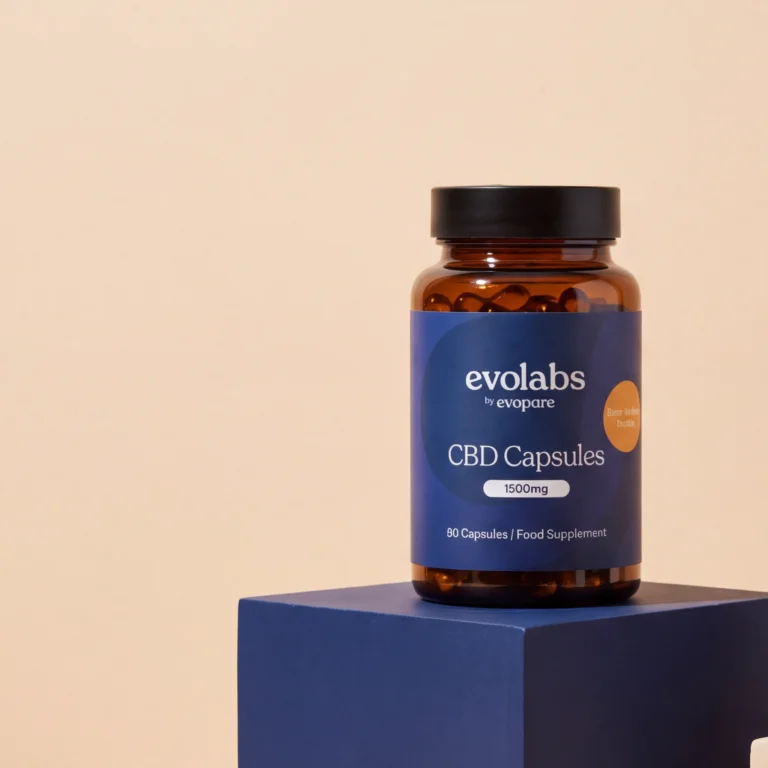
These are food supplements, not treatments, and are for adults (18+) only. Both are vegan, made in the UK and third-party lab tested. Flow CBD Oil contains ashwagandha, so avoid it if you’re pregnant or have a liver condition, and check with your GP or pharmacist first if you take any medication or have a thyroid condition.
Medicines, pregnancy and combining supplements
Antidepressants and other medicines
If you take an SSRI or any other prescribed medicine, speak to your GP or pharmacist before adding a supplement, and never stop or change prescribed medicine without advice. The NHS says not to use St John’s wort while taking sertraline, a common SSRI, and to tell your doctor about any herbal remedies, vitamins or supplements you take. If you take sedatives or other medicines that make you drowsy, ask a pharmacist before trying calming herbs such as passionflower, valerian or chamomile.
Pregnancy and breastfeeding
We don’t recommend our products during pregnancy or breastfeeding. The FSA says CBD isn’t suitable at these times and advises pregnant women to avoid ashwagandha. If you’re pregnant or have had a baby in the last 12 months, your midwife, GP or health visitor can help you get support.
Children and teenagers
All Evopure products are for adults (18+) only. If a child or teenager is struggling with anxiety, speak to your GP rather than trying supplements.
Combining supplements
Few studies test these ingredients together, and each extra product adds another chance of side effects. Start with one, keep a short diary, and check labels for overlap: Flow CBD Oil already contains ashwagandha, and our Magnesium Glycinate Sleep Complex already contains L-theanine, chamomile and passionflower. Keep supplemental magnesium to 400mg a day or less, and count all CBD products towards the FSA’s 10mg a day advice.
When to get help
The NHS advises seeing a GP if you think you might have generalised anxiety disorder, or if you’ve been diagnosed and treatment isn’t helping. If you’re 18 or over, you can refer yourself to NHS Talking Therapies without seeing a GP.
If you need help now: call 999 or go to A&E if you feel unable to keep yourself safe. For urgent mental health help, call NHS 111 and choose the mental health option (option 2 in England), or see the NHS page on where to get urgent help. To talk to someone at any time, call Samaritans free on 116 123.
See also passion flower for anxiety, including the pre-surgery and dental trials.
Frequently asked questions
What is the best natural supplement for anxiety?
No supplement is a treatment for anxiety. Ashwagandha, saffron, L-theanine and magnesium have the most human research, but it is low certainty or small. Magnesium is the only one with authorised UK claims: it contributes to normal psychological function and the normal functioning of the nervous system. If anxiety affects your daily life, speak to your GP.
What vitamins help with anxiety?
No vitamin is a treatment for anxiety. Some have authorised UK claims: vitamins B6 and B12 contribute to normal psychological function, and so does the mineral magnesium. These claims are about normal function, not anxiety. Most people get enough from a varied diet, so ask your GP about a blood test before taking high doses.
How quickly do natural supplements for anxiety work?
There’s no reliable timeline. Most CBD studies in people tested a single dose in a lab, while ashwagandha, saffron and L-theanine trials gave daily doses for weeks. If you try a supplement, give it a fair few weeks and keep a simple diary so you can judge it honestly.
Are natural supplements safe to take with antidepressants?
Not always. The NHS says not to use St John’s wort with sertraline, and the FSA advises people taking medication not to use CBD unless under medical direction. Ask your GP or pharmacist before combining any supplement with an SSRI or other prescribed medicine, and never stop prescribed medicine without advice.
Can I take magnesium and CBD together?
Many people do, for example magnesium in the evening alongside a CBD oil. Check labels so you don’t double up on ingredients, keep supplemental magnesium to 400mg a day or less as the NHS advises, and check with a pharmacist first if you take any medication.
Is ashwagandha safe in the UK?
The FSA is reviewing ashwagandha’s safety and, while that review continues, advises pregnant women and people with pre-existing liver conditions to avoid ashwagandha supplements. Everyone else should check with a pharmacist if they take medication or have a thyroid condition.
Can children or teenagers take supplements for anxiety?
Speak to your GP first rather than trying supplements. Most of the research is in adults, the FSA says CBD isn’t suitable for under-18s, and all Evopure products are for adults (18+) only. Young people under 19 can also call Childline free on 0800 1111.
When should I see a GP about anxiety?
See a GP if you think you might have generalised anxiety disorder, or if treatment isn’t helping. If you’re 18 or over you can refer yourself to NHS Talking Therapies. In an emergency call 999, for urgent help call NHS 111 and choose the mental health option, and to talk to someone call Samaritans on 116 123.
Sources
- NHS. Generalised anxiety disorder in adults.
- NICE. Generalised anxiety disorder and panic disorder in adults: management (CG113).
- NHS. Sertraline (medicines and herbal supplements that do not mix).
- NHS. Where to get urgent help for mental health.
- NHS. Vitamins and minerals: others (magnesium) and B vitamins and folic acid.
- Food Standards Agency, GOV.UK. Cannabidiol (CBD) guidance.
- Department of Health and Social Care, GOV.UK. Great Britain nutrition and health claims (NHC) register.
- Which? Ashwagandha: stress buster or health risk? 2026.
- NCCIH. Chamomile: usefulness and safety.
- Boyle NB et al. The effects of magnesium supplementation on subjective anxiety and stress: a systematic review. Nutrients, 2017.
- Akhgarjand C et al. Does ashwagandha supplementation have a beneficial effect on the management of anxiety and stress? A systematic review and meta-analysis. Phytotherapy Research, 2022.
- Williams JL et al. The effects of green tea amino acid L-theanine consumption on the ability to manage stress and anxiety levels: a systematic review. Plant Foods for Human Nutrition, 2020.
- Marx W et al. Effect of saffron supplementation on symptoms of depression and anxiety: a systematic review and meta-analysis. Nutrition Reviews, 2019.
- Yap WS et al. Efficacy and safety of lavender essential oil (Silexan) capsules among patients suffering from anxiety disorders: a network meta-analysis. Scientific Reports, 2019.
- Su KP et al. Association of use of omega-3 polyunsaturated fatty acids with changes in severity of anxiety symptoms: a systematic review and meta-analysis. JAMA Network Open, 2018.
- Blessing EM et al. Cannabidiol as a potential treatment for anxiety disorders. Neurotherapeutics, 2015.
- Bergamaschi MM et al. Cannabidiol reduces the anxiety induced by simulated public speaking in treatment-naive social phobia patients. Neuropsychopharmacology, 2011.
- Hieu TH et al. Therapeutic efficacy and safety of chamomile for state anxiety, generalized anxiety disorder, insomnia, and sleep quality: a systematic review and meta-analysis. Phytotherapy Research, 2019.
- Miyasaka LS et al. Passiflora for anxiety disorder. Cochrane Database of Systematic Reviews, 2007.