


Last updated: October 2026
Passionflower (Passiflora incarnata) is a traditional calming herb used for sleep and nerves. Evidence is limited: in a 2011 trial of 41 young adults, a week of passionflower tea led to better self-rated sleep quality than placebo, and a 2020 review of nine small trials found possible benefits for anxiety symptoms. It’s gentle and widely used, but not proven.
Below: what passionflower is, the research, how to take it, safety, and how we use it.
What is passionflower?
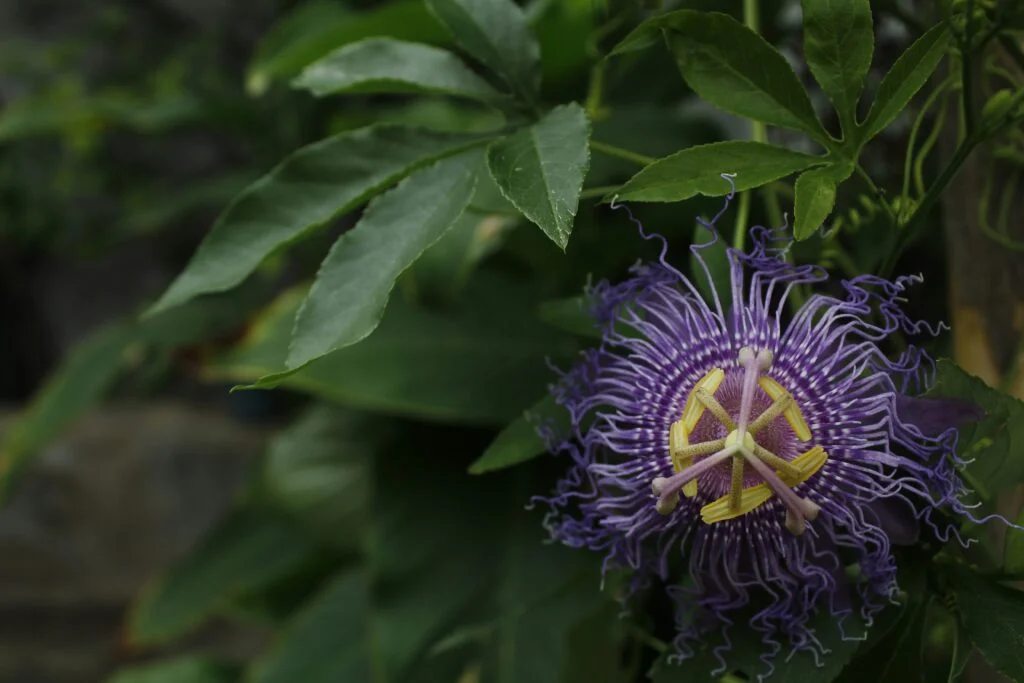
Passiflora incarnata is a climbing plant native to the Americas, with striking purple flowers. The leaves, stems and flowers are dried for tea or made into extracts. In the UK, some passionflower products are registered traditional herbal medicines for temporary relief of sleep problems or mild anxiety, based on traditional use.
What the research shows
| Study | What it found |
|---|---|
| Sleep, 2011 (41 adults, a cup of tea nightly for a week) | Better self-rated sleep quality than placebo tea; no clear difference on sleep lab measures in a smaller subgroup |
| Review, 2020 (9 clinical trials) | Passionflower may help some anxiety symptoms; trials were small and varied |
| Before surgery | Some small trials found less anxiety before procedures |
Passionflower isn’t a treatment for insomnia or anxiety disorders. See natural sleep aids ranked by evidence.
How to take passionflower
- Tea: about a teaspoon of dried herb steeped in hot water for 10 minutes, an hour before bed.
- Extracts and tablets: follow the label; registered herbal medicines state a dose.
- Blends: often combined with other calming herbs such as chamomile or valerian.
Pair it with a wind-down routine: dim lights, no screens, and a consistent bedtime. See why you wake at 3am.
Safety and who should avoid it
- Drowsiness: don’t drive or use machinery if it makes you sleepy.
- Sedatives, sleeping pills and alcohol: may add to drowsiness. Check with a pharmacist.
- Pregnancy and breastfeeding: avoid; it’s traditionally thought to stimulate the womb. We don’t recommend our products during pregnancy or breastfeeding.
- Before surgery: stop at least two weeks before, unless your team advises otherwise.
How we use passionflower
Our Sleep CBD Oil combines broad spectrum CBD with passion flower for an evening routine, and our Magnesium Glycinate Sleep Complex includes passionflower with magnesium, glycine, L-theanine, chamomile, hops and oat straw. Magnesium contributes to normal psychological function and the reduction of tiredness and fatigue. The FSA’s 10mg a day figure for CBD is precautionary advice rather than a legal limit, set while longer-term safety research continues. At Evopure we think it is a very cautious figure, and many adults use more. If you go above it, increase slowly, and check with your GP or pharmacist first if you take any medication.
Prefer it as a tea? See best tea for sleep.
FAQs
Does passionflower help you sleep?
In a small 2011 trial, a week of passionflower tea improved self-rated sleep quality compared with placebo. Evidence is limited.
How long does passionflower take to work?
Many people take it about an hour before bed. The sleep trial ran for a week.
Is passionflower safe to take every night?
It’s generally well tolerated short term. Avoid it in pregnancy and check with a pharmacist if you take sedatives or other medicines.
Can I take passionflower with CBD?
There’s no known harmful interaction, but both can cause drowsiness. Start low and don’t drive if you feel sleepy.
Does passionflower help anxiety?
A 2020 review of nine small trials suggests it may help some anxiety symptoms, but it isn’t a treatment for anxiety disorders.
Sources
- Ngan A, Conduit R. A double-blind, placebo-controlled investigation of the effects of Passiflora incarnata (passionflower) herbal tea on subjective sleep quality. Phytother Res, 2011.
- Janda K et al. Passiflora incarnata in neuropsychiatric disorders: a systematic review. Nutrients, 2020.
- NHS. Insomnia.