













Last updated: 11 November 2026
No supplement is allowed to claim it lowers cortisol in the UK. In trials, ashwagandha has the most consistent results: small 8 to 9 week studies found lower cortisol than with a placebo. Phosphatidylserine, omega 3, rhodiola, L-theanine, vitamin C and magnesium each have one or two small studies. Reishi has almost none. Checked November 2026.
Supplements are an extra, not the fix. Sleep, caffeine, alcohol, exercise and how you handle pressure move cortisol more than any capsule, so if you haven’t yet, start with our guide to lifestyle ways to lower cortisol. Below: each supplement people buy for cortisol, what the human trials actually measured, how strong the evidence is, and who should avoid it. Some people add CBD to their day; if that’s you, our guide to the best CBD for stress in the UK explains how to choose one.
When cortisol isn’t just stress: very high or very low cortisol can be a medical condition, and no supplement treats either. The NHS lists these signs of Cushing’s syndrome (too much cortisol): extra fat on the neck, upper back and tummy with thinner arms and legs, a red, rounded face, easy bruising and stretch marks, muscle weakness in the upper arms and thighs, and irregular or stopped periods. It is most often caused by long-term, high-dose steroid medicine, so never stop steroids without talking to your doctor. Low cortisol (Addison’s disease) can cause extreme tiredness, darker patches of skin, weight loss, salt cravings and dizziness on standing. If any of this sounds familiar, see your GP, who can arrange tests. Our guide to high cortisol symptoms in women explains the difference between everyday stress and Cushing’s.
Supplements to reduce cortisol and belly fat: what the evidence says
No supplement is proven to reduce belly fat, and none is allowed to claim it lowers cortisol in the UK. Ashwagandha trials measured lower cortisol at 240 to 600mg of extract a day, but none measured belly fat. Sleep, cutting back on alcohol and regular activity do more for your waistline than any capsule.
“Cortisol belly” is a social media term, not a diagnosis. Long-term, very high cortisol, as in Cushing’s syndrome, can move fat to the tummy, upper back and face, but most belly fat in otherwise healthy people comes from eating more energy than you use, age, menopause, alcohol and genes. Our guide to cortisol belly explains the difference.
The nearest thing to a weight trial is one 8-week study of 52 stressed adults taking 300mg of KSM-66 ashwagandha twice a day. Body weight fell about 3% against about 1.5% with a placebo, alongside lower cortisol. It was small, short, linked to the extract’s maker and didn’t measure belly fat, so it doesn’t show that ashwagandha shrinks a waistline.
What actually helps
- Sleep: aim for 7 to 9 hours. Short sleep is linked to higher cortisol later in the day and makes snacking more likely.
- Alcohol: the NHS advises no more than 14 units a week, spread over 3 or more days. Alcohol is high in calories and disrupts sleep.
- Activity: the NHS recommends 150 minutes of moderate activity a week plus strength exercises on 2 days. Fat around the middle responds to overall activity, not to targeted sit-ups.
- Measure your waist: the NHS says to try to keep your waist size to less than half your height. If it is more, and your BMI is in the overweight range, see your GP.
See your GP rather than buying a supplement if belly fat comes with a rounded red face, fat between the shoulders, thin arms and legs, purple stretch marks or easy bruising. These can be signs of Cushing’s syndrome (see the box above). Our lifestyle guide to lowering cortisol has the full list of everyday steps.
Supplements to lower cortisol compared
This is what the human trials measured, not what the labels promise. “Strength of evidence” reflects how many trials there are, how big they were and whether reviews agree.
| Supplement | What trials measured | Strength of evidence | Who should avoid it |
|---|---|---|---|
| Ashwagandha | Blood or morning cortisol after 8 to 9 weeks | Best of the bunch: many small trials, reviews agree | Pregnancy, breastfeeding, thyroid, liver or autoimmune conditions, some medicines |
| Phosphatidylserine | Cortisol during a stress test or exercise | Limited: two small trials in men | Soy allergy (some are soy-based); check medicines |
| Omega 3 | Saliva cortisol during a stress test | Some: one good 4-month trial | Anyone on blood thinners or with heart rhythm problems should check first |
| Rhodiola | Cortisol on waking in people with burnout | Limited: one small trial | Pregnancy, breastfeeding, blood pressure medicines |
| L-theanine | Saliva cortisol after a stressful task | Mixed: short-term yes, 4 weeks no | Check with a pharmacist if you take regular medicines |
| Vitamin C | Cortisol recovery after a stress test | Limited: one trial at 3,000mg a day | High doses can upset the stomach |
| Magnesium | Blood and urine cortisol over 8 to 24 weeks | Limited: two small trials, one a re-analysis | Keep supplements to 400mg a day or less |
| Reishi | No published cortisol trials we could find | Very little | Pregnancy, breastfeeding; check if you take medicines |
A 2021 review of 52 trials of plants and plant extracts (including rhodiola, ginseng, curcumin and CBD) found the effects on stress hormones were unclear for most of them. The most consistent finding was lower morning cortisol with ashwagandha.
Our pick
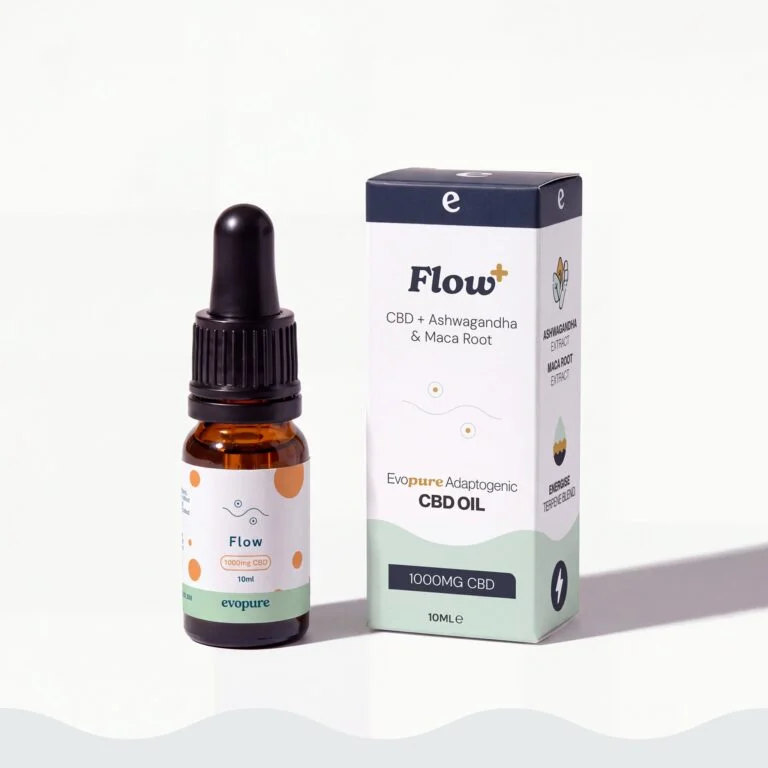
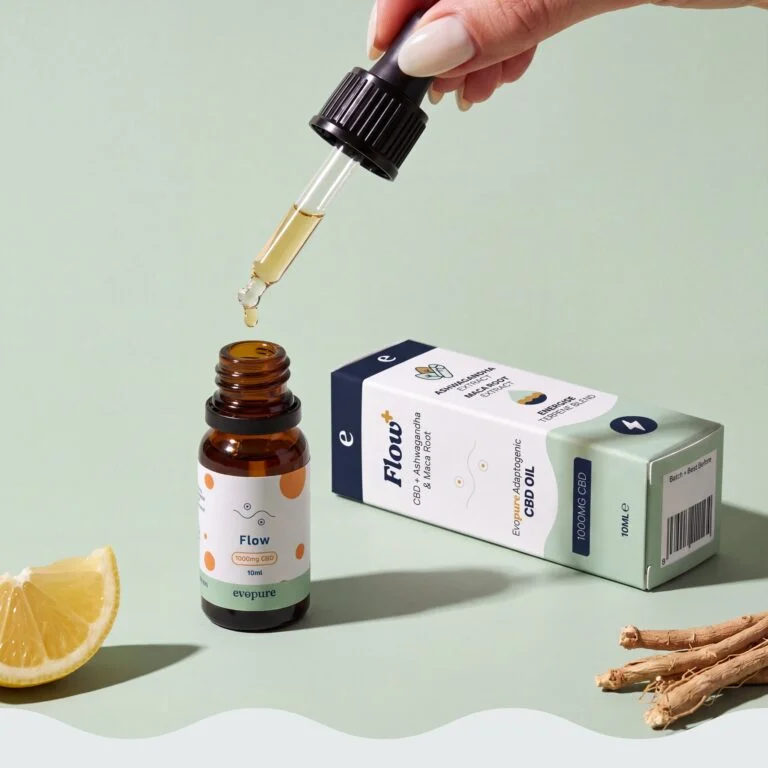
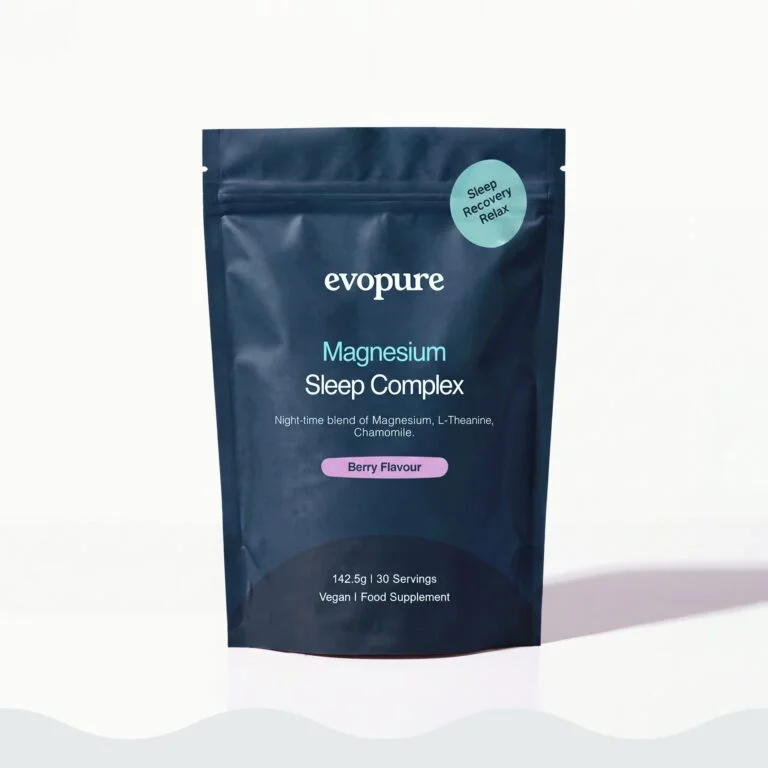
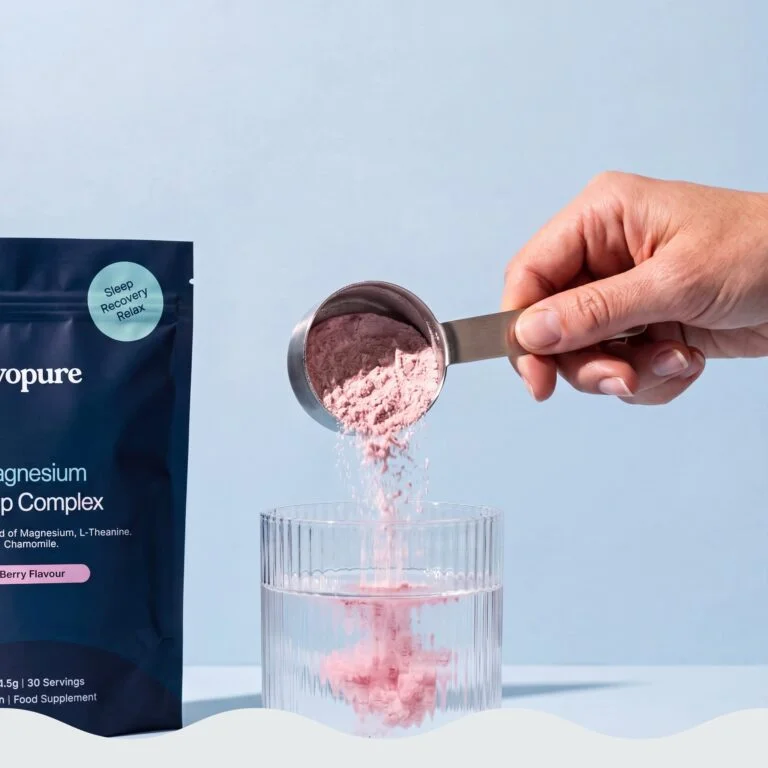
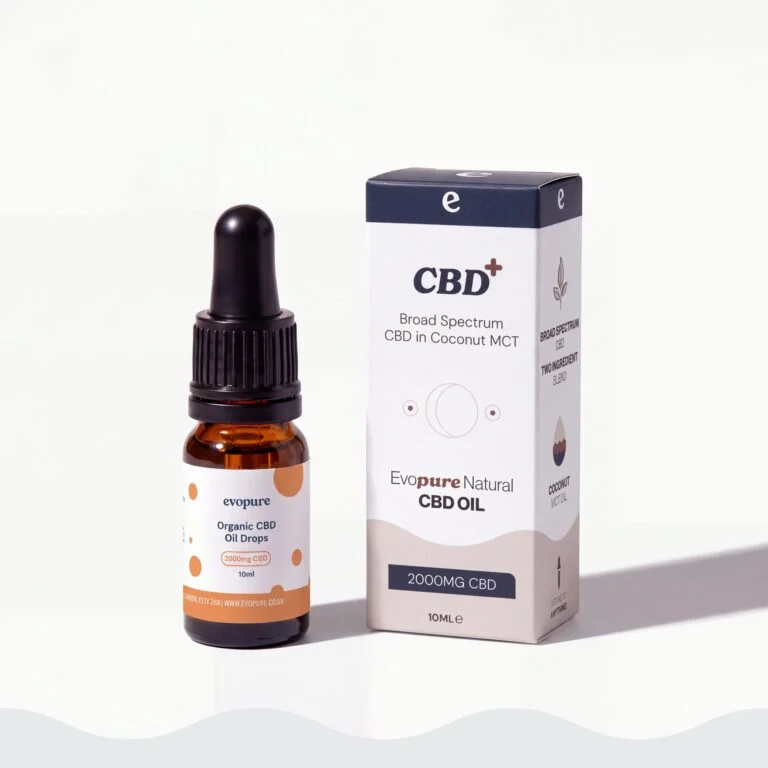
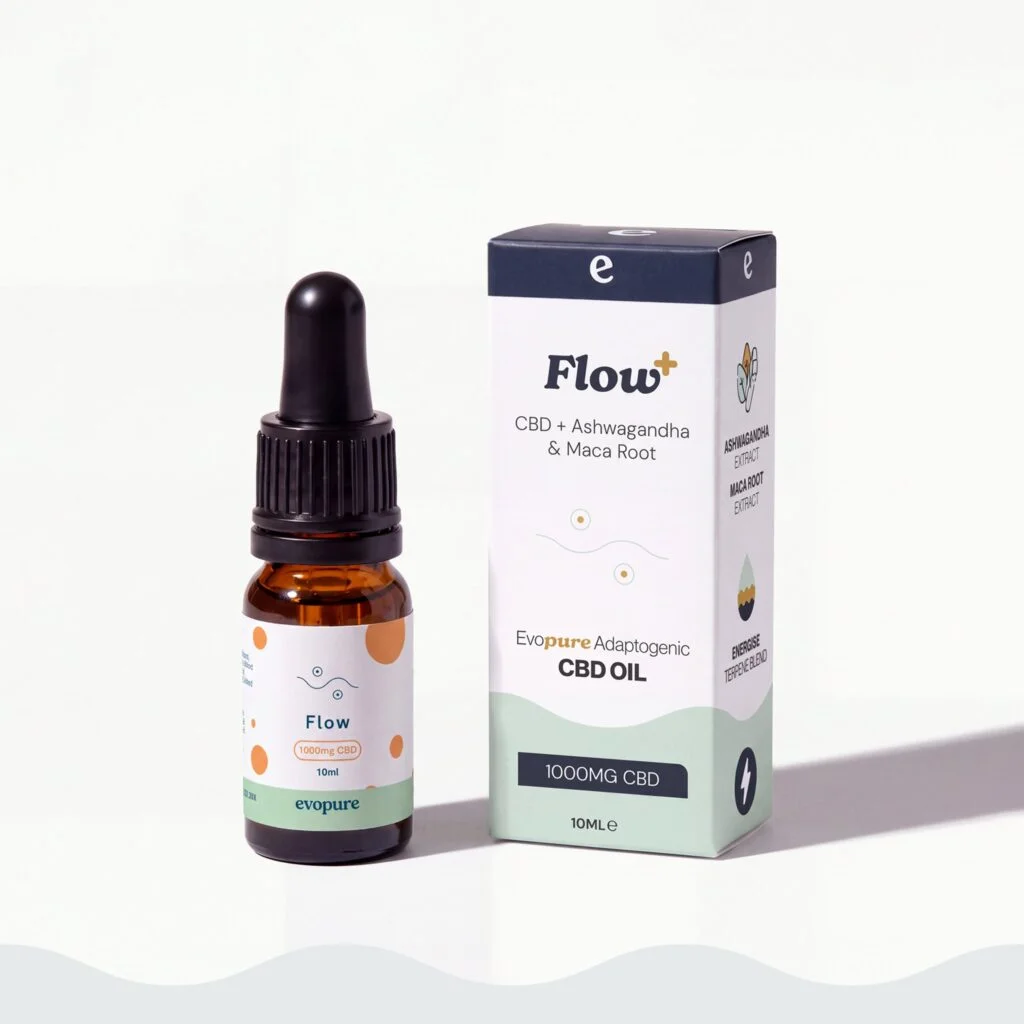
for daytime, Flow CBD Oil is broad spectrum CBD with ashwagandha and maca in MCT oil. Each half pipette has 35mg of ashwagandha and 35mg of maca, well below the 240 to 600mg used in the cortisol trials, and 10mg of CBD is about 0.2ml of the 500mg oil. It isn’t a cortisol or weight-loss product. Because it contains ashwagandha, it isn’t for anyone who is pregnant or breastfeeding or has a thyroid, liver or autoimmune condition, and don’t take it alongside another ashwagandha product. For evenings, Magnesium Glycinate Sleep Complex is a berry drink powder with 290mg of magnesium a serving from bisglycinate and citrate, plus glycine and L-theanine. Magnesium contributes to normal psychological function and to a reduction of tiredness and fatigue.
Add Flow CBD Oil 500mg to bag or choose another strength
Add Magnesium Glycinate Sleep Complex to bag See ingredients and reviews
Both are vegan and made in the UK, for adults only. Flow is broad spectrum with 0% THC and every batch is third-party lab tested. If you take any regular medicines, check with your GP or pharmacist first. We don’t recommend our products during pregnancy or breastfeeding. Free UK delivery over £40, 14-day returns on unopened items.
The FSA’s 10mg a day figure is precautionary advice rather than a legal limit, set while longer-term safety research continues. At Evopure we think it is a very cautious figure, and many adults use more. If you go above it, increase slowly, and check with your GP or pharmacist first if you take any medication.
Ashwagandha: KSM-66, Sensoril and Shoden trials
Ashwagandha is the herb with the most trials that actually measured cortisol. Most used a branded extract, so it helps to know which is which. Our KSM-66 guide compares the three main ones.
Does ashwagandha lower cortisol?
In small trials, yes. In Chandrasekhar’s 2012 trial, 64 stressed adults took 300mg of KSM-66 root extract twice a day for 60 days, and their blood cortisol fell 27.9% from the start, against 7.9% with a placebo. In Lopresti’s 2019 trial of 60 adults, 240mg of Shoden a day lowered morning cortisol by 23% over 60 days, more than placebo.
Salve’s 2019 trial (58 adults finished) also found lower blood cortisol at 250mg and 600mg a day after 8 weeks. All three were small and short, and run in India. Ashwagandha has no authorised health claims in the UK, and the effect in reviews is modest (below).
| Trial | Extract and daily dose | Who and how long | Cortisol result |
|---|---|---|---|
| Chandrasekhar, 2012 | KSM-66 root, 600mg | 64 adults with chronic stress, 60 days | Serum cortisol lower than placebo |
| Salve, 2019 | KSM-66 root, 250mg or 600mg | 60 stressed adults, 8 weeks | Serum cortisol fell at both doses |
| Pandit, 2024 | Sensoril root and leaf, 125mg, 250mg or 500mg | 131 stressed adults (98 finished), 8 weeks | Plasma cortisol lower than placebo at all 3 doses |
| Lopresti, 2019 | Shoden root and leaf, 240mg | 60 stressed adults, 60 days | Morning cortisol fell more than placebo |
The catch: these trials were small, mostly run in India, and several were supported by the extract’s maker (the Sensoril trial was funded by Natreon, now part of Kerry Group). In the Sensoril trial, a higher dose didn’t lower cortisol any further than 125mg.
How big is the effect?
Modest. A 2025 review pooled 7 trials (488 people) and found cortisol fell by about 1.2 micrograms per decilitre more than with placebo, yet people didn’t report feeling clearly less stressed. A 2026 review of 23 trials (1,706 people) also found lower cortisol, along with a small rise in the thyroid hormone T4. A 2022 review of 12 trials found lower stress scores but rated the certainty of the evidence as low. Herbs have no authorised health claims in the UK, so treat this as research, not a promise. For doses and timing, see how much ashwagandha per day, when to take ashwagandha and how long it takes to work.
Ashwagandha safety: don’t take ashwagandha if you are pregnant or breastfeeding, have a thyroid, liver or autoimmune condition, or are due to have surgery. It may interact with medicines for diabetes, blood pressure, thyroid, epilepsy and the immune system, and with sedatives, so check with your GP or pharmacist first if you take any regular medicines. People with hormone-sensitive prostate cancer should avoid it. In the UK, the Food Standards Agency asked for evidence on ashwagandha in 2024, and its Committee on Toxicity is still reviewing the safety data. While that continues, the FSA told Which? in June 2026 that it would advise people with pre-existing liver conditions and pregnant women to avoid ashwagandha supplements. Liver injury is rare but real: a 2023 case series from India described 8 people with liver injury from single-ingredient products. Stop and get medical advice if your skin or the whites of your eyes turn yellow, your pee is darker than usual or your skin itches. Adults only. More in ashwagandha side effects and our UK safety review.
Due an operation and taking magnesium as well? See should you stop magnesium before surgery or a blood test?
Phosphatidylserine
Phosphatidylserine is a fat found in cell membranes, often found in “cortisol support” blends. Two small trials looked at cortisol:
- Stress test (2014): 75 healthy men took 400mg of phosphatidylserine plus 400mg of phosphatidic acid a day for 6 weeks. Their cortisol response to a public speaking test was calmer than with placebo, but only in the men with high chronic stress. Half that dose did nothing, and the men didn’t feel any less stressed.
- Exercise (2008): 10 healthy men took 600mg a day for 10 days. Peak cortisol after a cycling session was 39% lower than with placebo.
That is very little to go on, all in men. The stress-test product was soy-based, so check the label if you have a soy allergy.
Omega 3
The best single trial outside ashwagandha is for omega 3. In 138 sedentary, overweight, middle-aged adults, 2.5g a day of omega 3 for 4 months gave 19% lower overall cortisol during a stress test than placebo. That is a high dose.
Food comes first: the NHS recommends at least 2 portions of fish a week, including 1 of oily fish such as salmon, mackerel or sardines. Higher doses aren’t automatically better. The MHRA warned in 2024 that prescription omega 3 medicines carry a dose-dependent risk of an irregular heartbeat (atrial fibrillation) in people with heart disease or heart risk factors, highest at 4g a day. If you take blood thinners or have a heart condition, check with your GP or pharmacist before taking high-dose fish oil. Our omega 3 guide covers foods, doses and fish oil vs cod liver oil.
Rhodiola
Rhodiola rosea is a root traditionally used for tiredness under stress. One Swedish trial gave 60 people with stress-related fatigue (burnout) 576mg a day of a standardised extract or a placebo for 28 days. Fatigue and attention scores improved more with rhodiola, and the cortisol response on waking changed compared with placebo. Both groups improved, which shows how strong the placebo effect is in stress trials.
Rhodiola is thought to be possibly safe for up to 12 weeks. Side effects can include dizziness, headache, poor sleep and a dry mouth, so take it in the morning. Little is known about safety in pregnancy or breastfeeding, and an interaction with the blood pressure medicine losartan has been reported. See our rhodiola guide and ashwagandha vs rhodiola.
L-theanine
L-theanine is an amino acid from tea leaves. The cortisol results are mixed:
- In 34 adults, an L-theanine drink (with other nutrients added) reduced the saliva cortisol response to a stressful task 3 hours later.
- In a 2021 crossover trial, a single 200mg dose led to bigger drops in saliva cortisol an hour later than placebo, in a stress test using mental arithmetic.
- But in a 2024 trial, 30 moderately stressed adults took 400mg a day for 28 days and saliva cortisol didn’t differ from placebo, although both groups felt less stressed.
So any effect looks short-lived rather than something that builds up. L-theanine is one of the ingredients in our Magnesium Glycinate Sleep Complex, alongside glycine and plant extracts, but we make no claim for it. Read more in L-theanine benefits.
Vitamin C
In one trial, 120 healthy young adults took 3,000mg a day of slow-release vitamin C or a placebo for 14 days, then did a public speaking and mental arithmetic test. The vitamin C group’s saliva cortisol came back down faster afterwards, but the overall cortisol rise was no smaller. Their blood pressure rose less and they felt less stressed.
That dose is far above what you need. The NHS says adults need 40mg a day, which you should get from food, and taking more than 1,000mg a day can cause stomach pain, diarrhoea and wind. Our vitamin C guide lists the best food sources.
Magnesium for cortisol
Magnesium for cortisol has only thin evidence. Two small trials found lower cortisol: 500mg a day for 8 weeks in 46 older adults with insomnia, and 350mg a day for 24 weeks in 49 overweight adults. No claim that magnesium lowers cortisol is authorised in the UK, but magnesium contributes to normal psychological function and the normal functioning of the nervous system.
Magnesium is often sold as a “cortisol mineral”. Here is what the two trials found:
- In 46 older adults with insomnia, 500mg of magnesium a day for 8 weeks lowered serum cortisol compared with placebo, alongside better sleep scores.
- In a re-analysis of a 24-week trial in 49 overweight adults aged 45 to 70, 350mg a day lowered 24-hour urine cortisol compared with placebo.
A 2020 review describes a two-way link: stress may increase magnesium loss, and low magnesium may make the body more sensitive to stress. That doesn’t mean extra magnesium lowers cortisol in people who already get enough.
What is established is that magnesium contributes to normal psychological function, to the normal functioning of the nervous system and to a reduction of tiredness and fatigue. The NHS says adults need 270mg (women) to 300mg (men) a day, mostly from food, and that 400mg a day or less from supplements is unlikely to cause harm. Higher doses can cause diarrhoea. For forms and doses, see magnesium for anxiety, magnesium glycinate and our guide to the best magnesium supplement in the UK.
Magnesium for high cortisol
Very high cortisol is a medical condition, not something to treat with a supplement. Cushing’s syndrome, usually caused by steroid medicines and rarely by a tumour, needs tests and treatment from a doctor. Signs include a rounded red face, fat between the shoulders, thin arms and legs, purple stretch marks and easy bruising. Magnesium won’t treat it. If you’re worried, ask your GP about testing rather than relying on a home saliva kit. See high cortisol symptoms in women and how to lower cortisol naturally.
Magnesium for cortisol belly
No trial has tested magnesium for belly fat or “cortisol belly”, and neither magnesium trial above measured waist size. Magnesium has no authorised claim for weight loss or fat loss. Sleep, alcohol, activity and overall diet matter far more, as our guides to cortisol belly and magnesium for weight loss explain.
Which magnesium is best for cortisol?
No study has compared forms of magnesium for cortisol, and neither trial above was designed to. If you take magnesium for its authorised benefits, choose a form you tolerate: glycinate is usually gentle on the stomach, while citrate and oxide are more likely to loosen stools. Our Magnesium Glycinate Sleep Complex is a berry drink powder with 290mg of magnesium (77% NRV) per 4.75g serving from 1,000mg bisglycinate and 900mg citrate. It isn’t a cortisol product. Magnesium contributes to a reduction of tiredness and fatigue. Check with your GP or pharmacist first if you take medicines or have kidney disease.
Reishi and other mushrooms
Reishi is often called a calming adaptogen, but we couldn’t find a published human trial that measured its effect on cortisol. A 2024 trial in 78 female students gave reishi for 30 days and measured questionnaires and fitness, not cortisol, and the 2021 review of 52 plant trials on stress hormones didn’t include reishi at all. So the honest answer is: there is very little evidence either way.
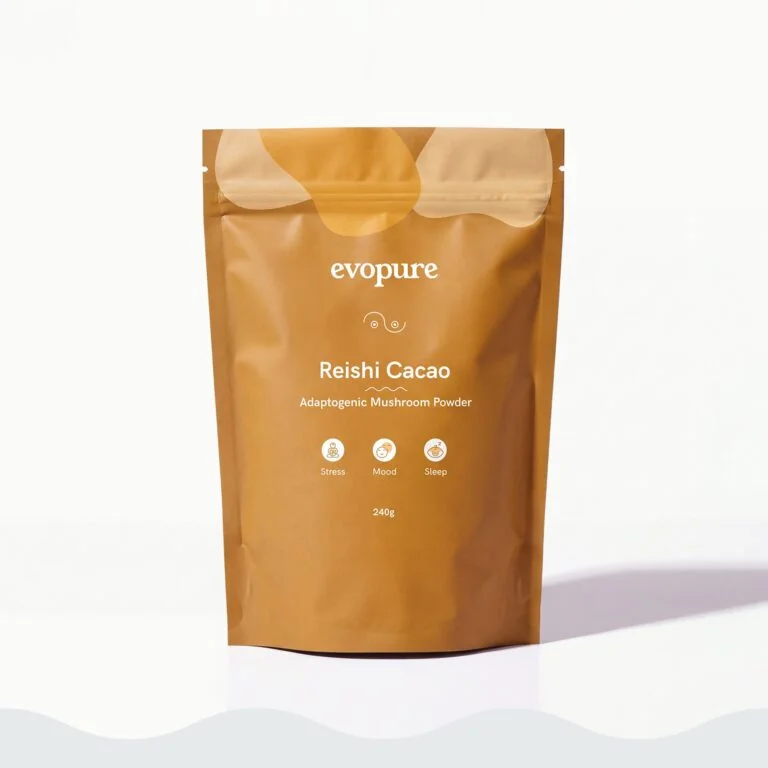
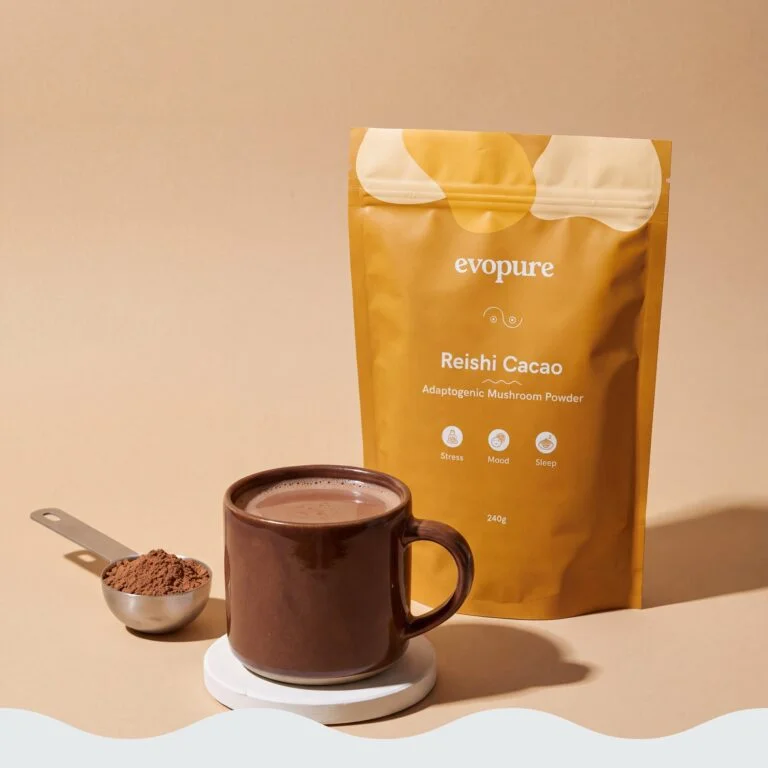
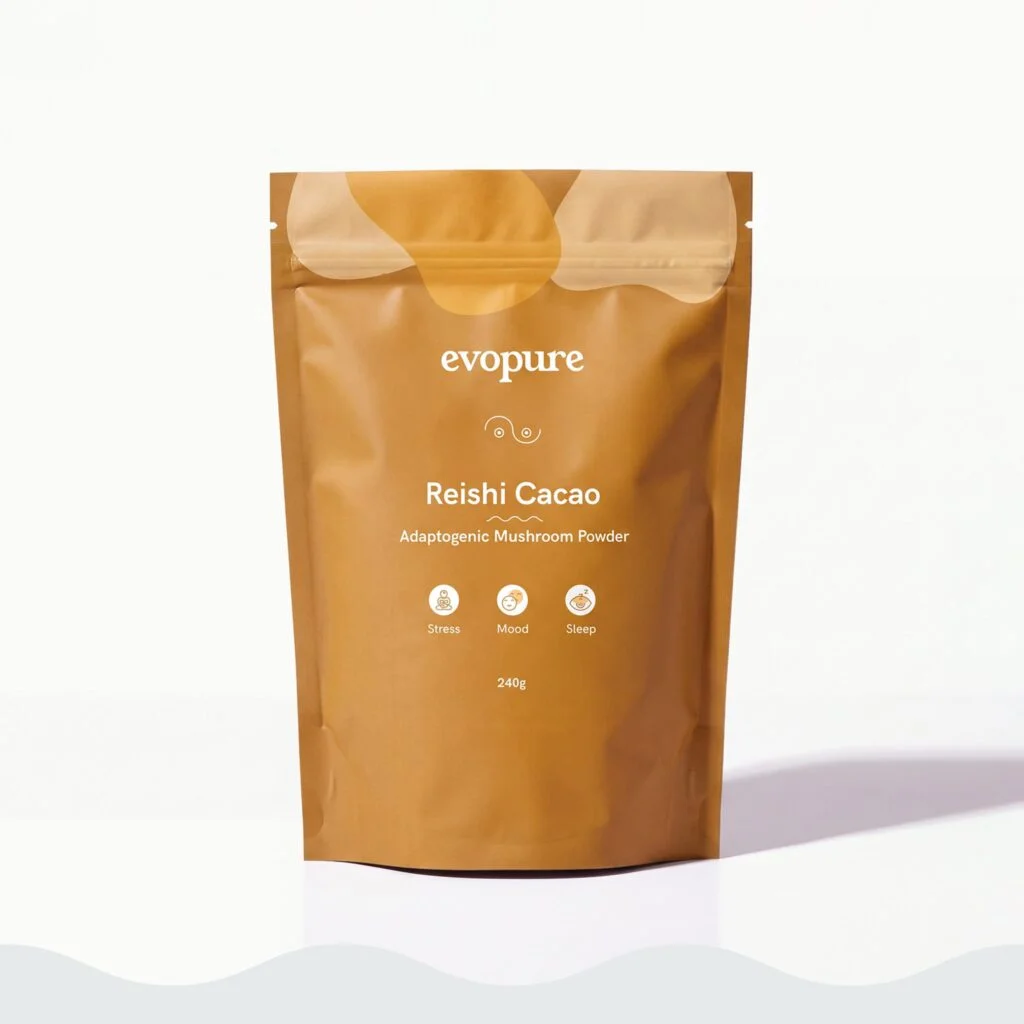
That’s why we sell our Reishi Mushroom Adaptogenic Complex as an evening hot chocolate, not a cortisol supplement. The pack lists cocoa powder, coconut sugar, reishi mushroom, maca root, cinnamon and stevia. It contains a little natural caffeine from the cocoa, so have it earlier in the evening if you’re sensitive. See reishi mushroom, reishi vs ashwagandha and our mushroom supplement guide.
Probiotics, holy basil and CBD
- Probiotics: a 2024 review of 46 trials found a small fall in cortisol, but the certainty was low and the results varied widely. See our probiotics guide.
- Holy basil (tulsi): often sold alongside ashwagandha; the evidence is small. Our holy basil guide covers what’s known.
- CBD: the 2021 review of plant trials included CBD and found the effect on stress hormones unclear. CBD isn’t a treatment for stress or any condition. If you’re comparing CBD oils for everyday calm, our guide to the best CBD oil UK explains how to choose.
How to choose a cortisol supplement
- Be wary of “lowers cortisol” on the label. There are no authorised health claims for cortisol in the UK, so a product promising to lower it, balance it or shrink “cortisol belly” is making a claim it isn’t allowed to make. No supplement targets belly fat; see cortisol belly.
- Match the trial. Look for the extract name (KSM-66, Sensoril, Shoden) and a dose close to the trials above. A “proprietary blend” that hides the amounts can’t be compared.
- One ashwagandha product at a time. Many blends, gummies and CBD oils contain it, so add up what you’re taking.
- Give it 8 weeks, then review. That’s how long most trials ran. If you notice nothing, stop rather than adding more.
- Women, men and menopause: despite the “cortisol supplements for women” marketing, the trials included both sexes and there’s no evidence one supplement suits women better. Around menopause, poor sleep and anxiety are common; talk to your GP about the options, including HRT. See perimenopause symptoms.
- Check your medicines. Several of these interact with common medicines. A pharmacist can check in a few minutes.
Cortisol gummies: what’s in them?
Cortisol gummies usually combine ashwagandha with L-theanine, magnesium, B vitamins or rhodiola, plus sugar or glucose syrup to make them chewable. No supplement is allowed to claim it lowers cortisol in Great Britain, so “cortisol gummies” is a marketing name, not a tested category. Check the label against the trials above.
Gummies are often lower dose. Compare the ashwagandha with the 125 to 600mg of extract used in the ashwagandha trials, the L-theanine with the 200mg dose in the L-theanine studies, and the magnesium with the 350 to 500mg in the magnesium trials, keeping to 400mg a day or less from supplements. Check the serving too: you may need two or three gummies for the amount on the front. They look like sweets, so keep them away from children, and don’t take them alongside another ashwagandha product.
Comparing calm supplements more widely? Our guide to the best natural supplements for anxiety covers the wider options, and stress symptoms explains the signs of long-running stress.
Where Evopure fits
None of our products is a cortisol supplement, and we don’t claim any of them lowers cortisol. These are the three people most often build a calmer daily routine around:
| Product | What it is | When people use it |
|---|---|---|
| Flow CBD Oil | Broad spectrum CBD with ashwagandha and maca in MCT oil, 500mg or 1,000mg | Daytime, under the tongue |
| Magnesium Glycinate Sleep Complex | Berry drink powder: magnesium bisglycinate and citrate, glycine, L-theanine, oat straw, hops, chamomile and passionflower | Evening, stirred into water |
| Reishi Mushroom Adaptogenic Complex | Reishi hot chocolate with cocoa, maca and cinnamon | Early evening, instead of a glass of wine |
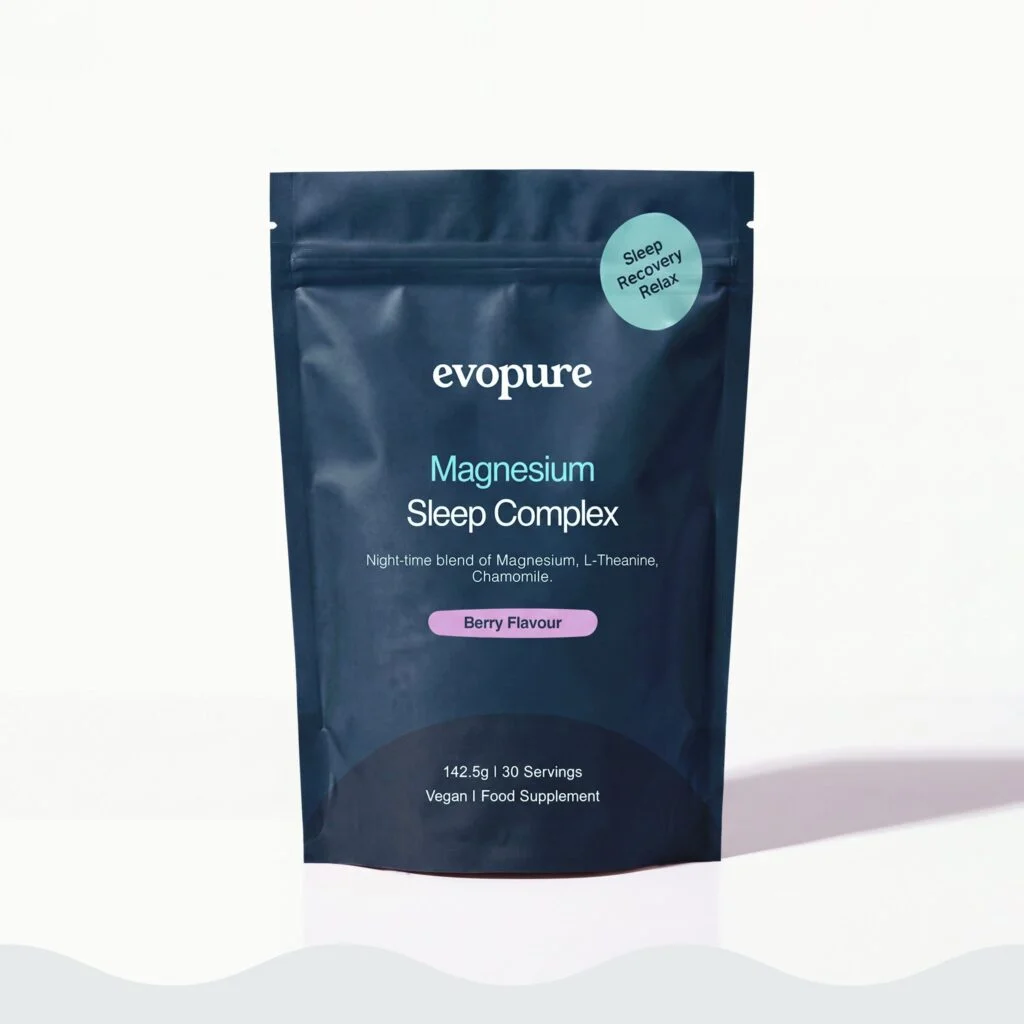
Flow contains ashwagandha, so the safety points above apply to it too, and our guide to CBD and ashwagandha explains taking them together. Our CBD products are broad spectrum with 0% THC, tested by ISO 17025 labs (reports on request from our lab testing page) and on the FSA public list, linked to validated applications. All our products are vegan and made in the UK.
The FSA’s 10mg a day figure is precautionary advice rather than a legal limit, set while longer-term safety research continues. At Evopure we think it is a very cautious figure, and many adults use more. If you go above it, increase slowly, and check with your GP or pharmacist first if you take any medication.
Thinking about a CBD oil alongside these? See how to choose a CBD oil for stress.
Sources 32
- NHS. Cushing’s syndrome and Addison’s disease.
- NHS. Vitamins and minerals: others (magnesium) and Vitamin C.
- NHS. Obesity (waist to height ratio), The risks of drinking too much and Physical activity guidelines for adults.
- Choudhary D et al (2017). Ashwagandha root extract for body weight management in adults under chronic stress.
- NHS. Fish and shellfish.
- Department of Health and Social Care. Great Britain nutrition and health claims (NHC) register.
- Food Standards Agency (2026). Summary of responses to call for evidence on ashwagandha.
- Which? (June 2026). Ashwagandha: stress buster or health risk?
- NCCIH. Ashwagandha and Rhodiola.
- MHRA (2024). Omega 3 medicines and atrial fibrillation.
- Chandrasekhar K et al (2012). Ashwagandha root extract for stress and anxiety in adults (KSM-66).
- Salve J et al (2019). Ashwagandha root extract in healthy adults (KSM-66).
- Pandit S et al (2024). Withania somnifera extract in chronically stressed adults (Sensoril).
- Lopresti AL et al (2019). Stress-relieving actions of an ashwagandha extract (Shoden).
- Albalawi AA (2025). Ashwagandha: cortisol reduction but no effect on perceived stress.
- Fornalik M et al (2026). Hormonal modulation with Withania somnifera.
- Akhgarjand C et al (2022). Ashwagandha for anxiety and stress: a meta-analysis.
- Philips CA et al (2023). Ashwagandha-induced liver injury: a case series.
- Lopresti AL et al (2022). Plants and phytonutrients and the HPA axis: a review of human trials.
- Hellhammer J et al (2014). Phosphatidylserine/phosphatidic acid and stress reactivity in men.
- Starks MA et al (2008). Phosphatidylserine and the endocrine response to exercise.
- Madison AA et al (2021). Omega-3 and stress reactivity in midlife adults.
- Olsson EM et al (2009). Rhodiola rosea SHR-5 in stress-related fatigue.
- White DJ et al (2016). An L-theanine-based nutrient drink and stress.
- Evans M et al (2021). A single dose of L-theanine on stress.
- Moulin M et al (2024). L-theanine for 28 days in adults with moderate stress.
- Brody S et al (2002). High-dose vitamin C and responses to psychological stress.
- Abbasi B et al (2012). Magnesium supplementation and insomnia in older adults.
- Schutten JC et al (2021). Long-term magnesium supplementation and glucocorticoid metabolism.
- Pickering G et al (2020). Magnesium status and stress: the vicious circle.
- Mitra S et al (2024). Reishi supplementation, psychological stress and fitness in students.
- Jain M et al (2024). Probiotics and cortisol levels: a meta-analysis.
This guide is general information, not medical advice. Evopure makes Flow CBD Oil, the Magnesium Glycinate Sleep Complex and the Reishi Mushroom Adaptogenic Complex.