





Last updated: October 2026
Ashwagandha isn’t banned in the UK, but its safety is under review. The FSA asked its Committee on Toxicity to assess reports of liver, thyroid and blood sugar effects, and the review was still ongoing in autumn 2026. In the meantime, people who are pregnant, breastfeeding or have liver disease are advised to avoid it.
Below: where the UK review stands, what other countries have done, who should avoid ashwagandha, the side effects to know, and how to use it more safely.
Is ashwagandha banned in the UK?
No. Ashwagandha is legal to sell as a food supplement in the UK. There’s currently no set safe level or legal limit for it in supplements.
| Date | What happened |
|---|---|
| 2021 to 2024 | The FSA received an increasing number of incident reports linked to ashwagandha supplements |
| July to September 2024 | The FSA ran a call for evidence from industry and the public |
| 2025 to 2026 | The Committee on Toxicity (COT) reviewed the evidence; a second draft statement was discussed in May 2026 |
| June 2026 | The FSA published a summary of responses, saying a risk assessment will be completed and published |
| September 2026 | Ashwagandha was still on the COT’s agenda; no final outcome yet |
Once the risk assessment is published, the four UK nations will decide together whether any rules, warnings or limits are needed. We’ll update this page when that happens.
What the FSA review is looking at
- Liver: a small number of case reports of liver injury linked to ashwagandha supplements.
- Thyroid: reports of changes in thyroid hormone levels.
- Blood sugar: possible lowering of blood glucose.
- Reproduction: some evidence of possible effects, and its traditional use to end pregnancy.
The committee noted that reports of side effects were often inconsistent, partly because ashwagandha products vary so much: root or leaf, powder or concentrated extract, and very different doses. Part of the job is working out whether a safe level can be set at all.
What other countries have done
| Country | Position |
|---|---|
| Germany (BfR), 2024 | Children, pregnant and breastfeeding women, and people with liver disease should not take it; others should be cautious |
| Denmark, Netherlands, France | National food safety bodies reviewed ashwagandha between 2020 and 2024 and raised similar concerns |
| UK | Legal; FSA review ongoing |
Rules on herbal supplements differ by country, so a product legal in the UK may be restricted elsewhere. If you travel with supplements, check the destination’s rules. See flying with CBD oil.
Who should avoid ashwagandha
- Pregnant women, or anyone trying to conceive.
- Breastfeeding mothers. See ashwagandha and breastfeeding.
- Children and under-18s.
- People with liver disease or a history of liver problems.
- People with thyroid conditions, especially if taking thyroid medicine.
- People with diabetes on blood sugar-lowering medicines.
- People on sedatives, immunosuppressants or blood pressure medicines, and anyone with an autoimmune condition, unless their doctor agrees.
- Before surgery: stop at least two weeks beforehand.
We don’t recommend our products during pregnancy or breastfeeding. For the full list of side effects, see ashwagandha side effects.
Ashwagandha and the liver
A 2020 case series from Iceland and the US described five people who developed liver injury after taking ashwagandha supplements. It caused jaundice and severe itching, and in each case it got better after they stopped, with liver tests returning to normal within one to five months. Liver injury appears to be rare compared with how widely ashwagandha is used, but it’s serious when it happens.
Stop taking it and see your GP if you notice yellow skin or eyes, dark urine, pale stools, persistent itching or pain under your right ribs.
How to use it more safely
- Choose root extract with the plant part and amount clearly stated. Most trials used root extracts.
- Stick to the label dose, and don’t combine several ashwagandha products.
- Take breaks: most trials lasted 8 to 12 weeks.
- Check medicines with a pharmacist first.
- Buy from UK brands that test their products and can tell you where the ashwagandha comes from.
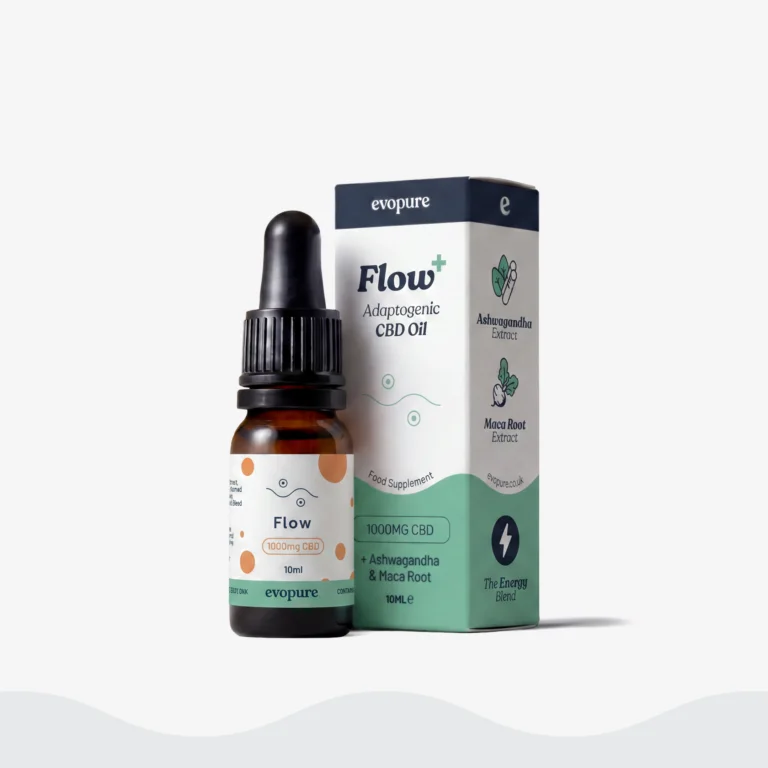
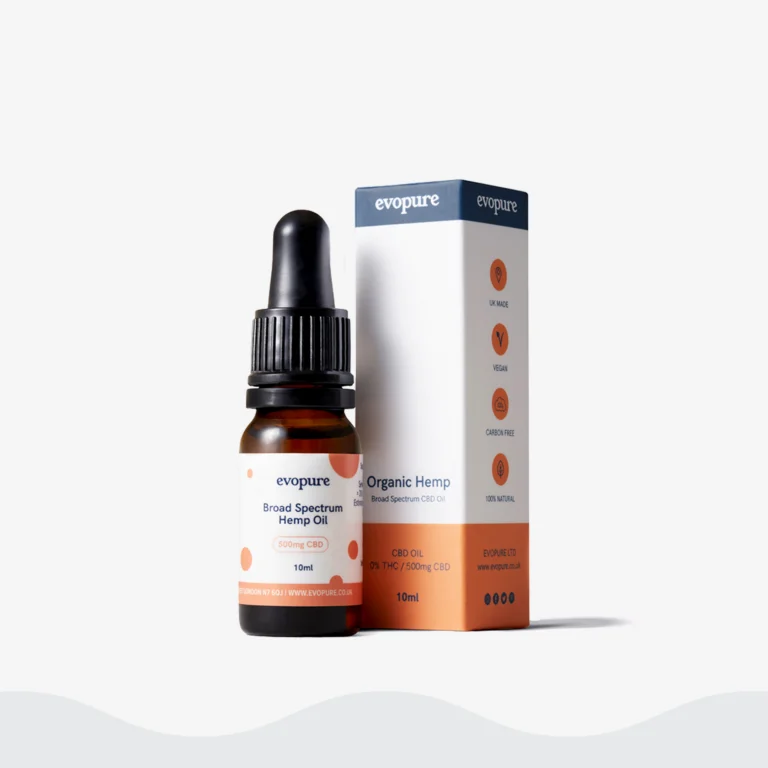
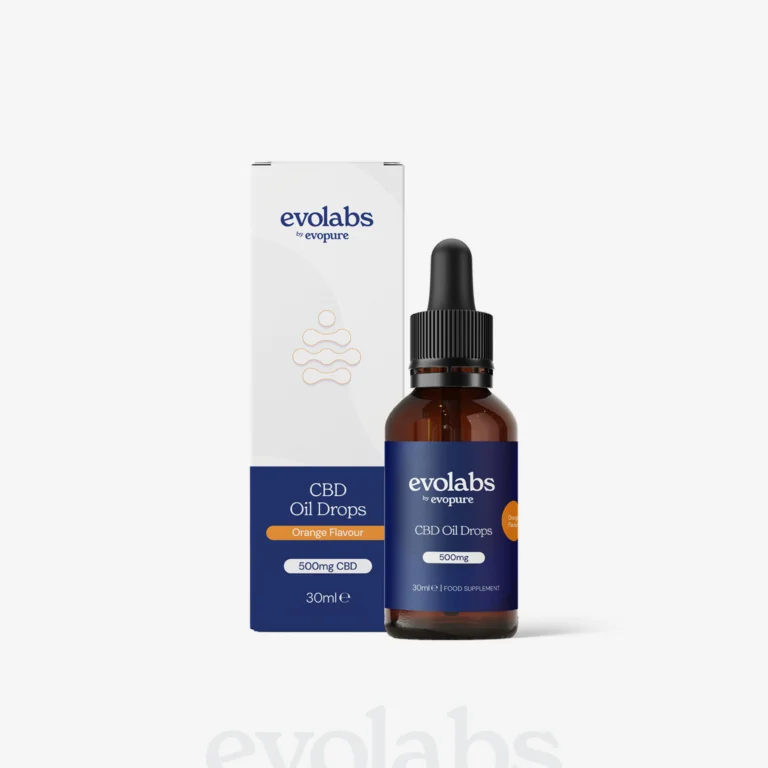
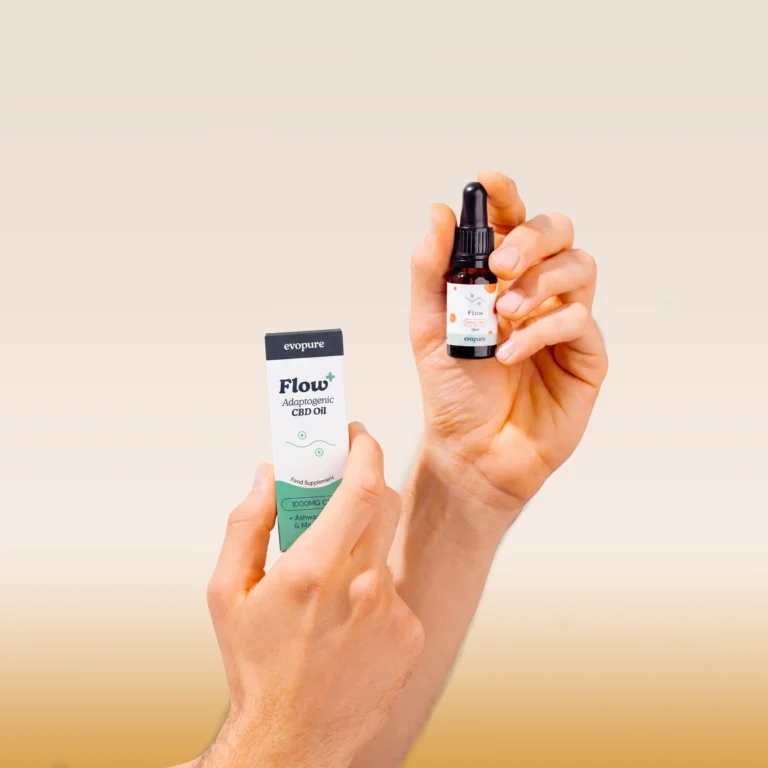
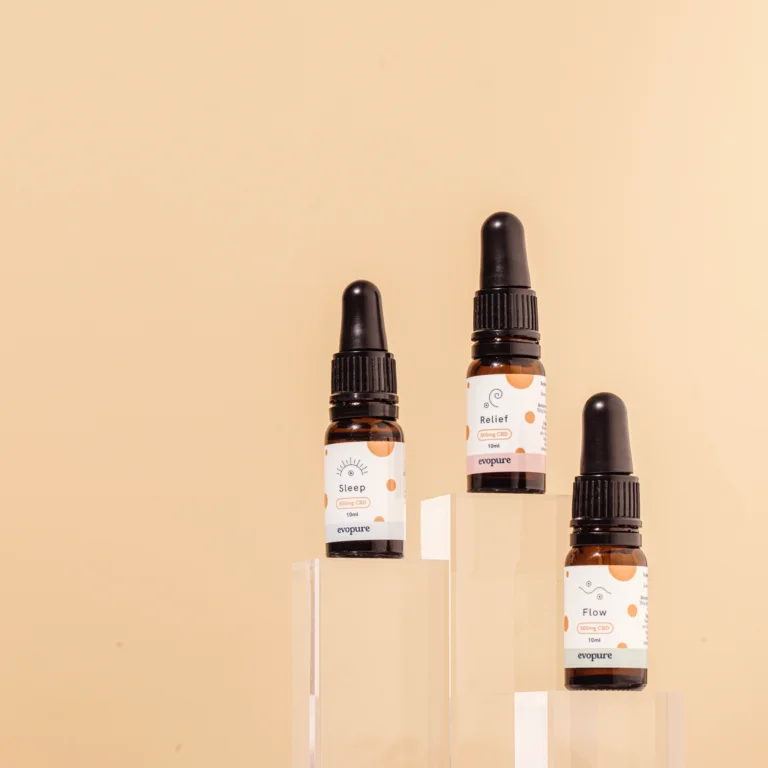
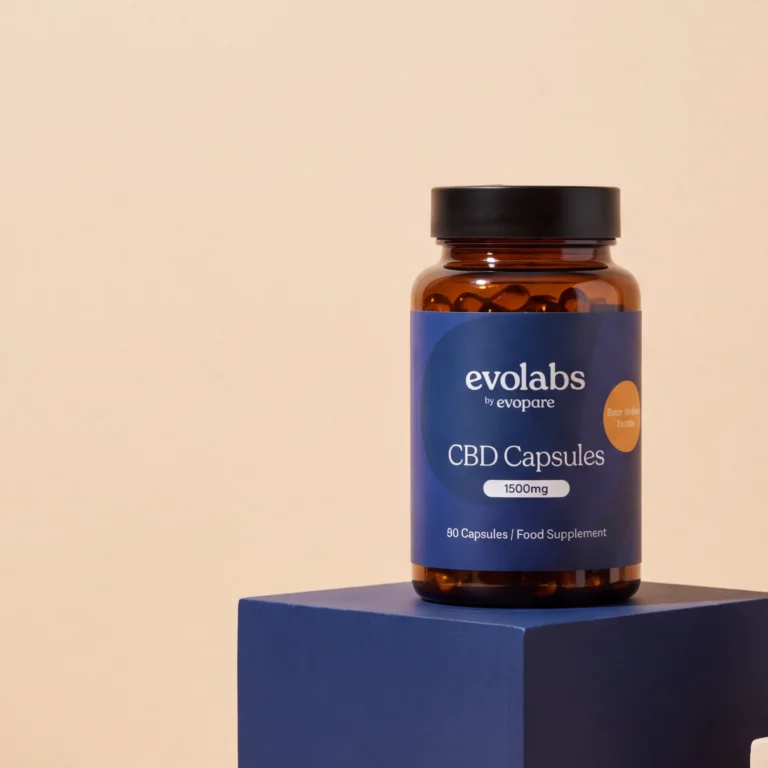
Our Flow CBD Oil combines broad spectrum CBD with ashwagandha root and maca. If you’d rather avoid ashwagandha, our Broad Spectrum CBD Oil contains only CBD and MCT oil, and magnesium is another option for an evening routine. See ashwagandha vs magnesium and CBD and ashwagandha.
The FSA’s 10mg a day figure for CBD is precautionary advice rather than a legal limit, set while longer-term safety research continues. At Evopure we think it is a very cautious figure, and many adults use more. If you go above it, increase slowly, and check with your GP or pharmacist first if you take any medication.
FAQs
Is ashwagandha banned in the UK?
No. It’s legal as a food supplement, but the FSA is reviewing its safety and hasn’t published an outcome yet.
Is ashwagandha safe to take?
Most healthy adults in trials tolerated it well for 8 to 12 weeks, but rare liver injury has been reported, and some groups should avoid it.
Why is ashwagandha being reviewed in the UK?
The FSA received more incident reports between 2021 and 2024 and asked its toxicity committee to assess liver, thyroid and blood sugar effects.
Who should not take ashwagandha?
Pregnant or breastfeeding women, children, people with liver disease or thyroid conditions, and people on certain medicines unless their doctor agrees.
Is ashwagandha banned in Europe?
Rules vary by country. Several food safety agencies, including Germany’s BfR, have advised certain groups to avoid it.
Can ashwagandha damage your liver?
Rarely. Case reports describe liver injury that improved after stopping. Stop and see your GP if you notice yellow skin or eyes, dark urine or itching.
Sources
- FSA. Summary of responses to call for evidence on ashwagandha, June 2026.
- COT. Herb-induced liver injury, July 2026.
- COT. Meeting agenda, 8 September 2026.
- BfR. Ashwagandha: food supplements with potential health risks, September 2024.
- Björnsson HK et al. Ashwagandha-induced liver injury: a case series from Iceland and the US Drug-Induced Liver Injury Network. Liver Int, 2020.