Last updated: October 2026
The best organic supplements are the ones you actually need, with a UK organic control body code such as GB-ORG-05 on the label. For most UK adults that means vitamin D from October to March, folic acid when trying for a baby and B12 if you’re vegan. “Organic” and “natural” describe sourcing, not how well a supplement works.
Below: what “organic” and “natural” legally mean on a UK label, natural vs synthetic vitamins, what the evidence says, and how to choose.

Our range
Magnesium Glycinate Sleep Complex (magnesium bisglycinate and citrate in a berry drink) and Reishi Mushroom Adaptogenic Complex (reishi mushroom with cocoa, maca and coconut sugar). Neither is certified organic. Vegan and made in the UK.
Add Magnesium Glycinate Sleep Complex to bag See ingredients and reviews
Vegan and made in the UK. Free UK delivery over £45, 14-day returns on unopened items.
Supplements most UK adults may need
Start with need. The NHS says most people can get the nutrients they need from a varied and balanced diet, with a few clear exceptions.
| Supplement | Who | How much |
|---|---|---|
| Vitamin D | Everyone over 4 in autumn and winter (October to March); all year if you’re rarely outdoors, live in a care home or cover most of your skin. People with dark skin should consider it all year. | 10 micrograms (400 IU) a day |
| Folic acid | Anyone trying to conceive and in the first 12 weeks of pregnancy | 400 micrograms a day (some people are prescribed 5mg) |
| Vitamin B12 | Vegans, and some older adults (ask your GP) | From fortified foods or a supplement; adults need about 1.5 micrograms a day |
| Vitamins A, C and D | Children aged 6 months to 5 years | Children’s vitamin drops |
Vitamin D: between October and early March, UK sunlight isn’t strong enough for your skin to make what you need. Vitamin D contributes to the normal function of the immune system and to the maintenance of normal bones. Read more in vitamin D in winter.
Folic acid: if you’re trying for a baby or pregnant, follow the NHS pregnancy vitamins advice and talk to your midwife, GP or pharmacist. We don’t recommend our products during pregnancy or breastfeeding.
Vitamin B12: it isn’t found naturally in fruit, vegetables or grains, so vegans need fortified foods or a supplement. Vitamin B12 contributes to the reduction of tiredness and fatigue. See vitamin B12 supplements for forms and doses.
Other supplements worth considering
- Iron: only if a blood test shows you’re low, for example because of heavy periods. Too much iron is harmful. See iron tablets.
- Omega-3: if you don’t eat oily fish; algae-based versions suit vegans. See our omega 3 guide.
- Magnesium: if your diet is low in wholegrains, nuts and greens. Magnesium contributes to a reduction of tiredness and fatigue and to normal psychological function. See types of magnesium and the best magnesium supplement in the UK.
- Calcium: if you don’t eat dairy or fortified alternatives.
- Iodine: for vegans and people who avoid dairy and fish. Adults need 140 micrograms a day; ask your GP before taking it.
- Functional ingredients: some people add CBD, adaptogens such as ashwagandha, or mushrooms like reishi to their routine. The evidence for these is at an earlier stage than for vitamins. See the best CBD oil in the UK and the best mushroom supplement in the UK.
If tiredness is your main reason for looking, our guide to the best supplements for energy ranks the options by evidence. And if you’re tempted by an all-in-one, read are multivitamins worth taking? first.
What does “organic” mean on a supplement?
In the UK, “organic” is a protected term. Under the UK organic rules, a product can only be called organic if at least 95% of its agricultural ingredients are organic and the business is certified by an approved organic control body, whose code appears on the label. If less than 95% of the agricultural ingredients are organic, “organic” can only appear next to specific items in the ingredients list, not in the product name.
The code is the thing to look for. In Great Britain it takes the form GB-ORG-XX. The approved control bodies include:
| Control body | Code on the label |
|---|---|
| Organic Farmers and Growers | GB-ORG-02 |
| Organic Food Federation | GB-ORG-04 |
| Soil Association Certification | GB-ORG-05 |
| Biodynamic Association Certification | GB-ORG-06 |
| Quality Welsh Food Certification | GB-ORG-13 |
| OF&G (Scotland) | GB-ORG-17 |
The full, current list is on gov.uk. Products from Great Britain may also carry the EU organic logo if they meet the EU rules, and imported organic food usually shows a code in the format XX-BIO-XXX.
Organic ingredients are grown without most synthetic pesticides and fertilisers. That’s a valid choice for environmental or personal reasons, but the advertising rules say ads must not claim organic food is generally healthier than non-organic food.
Which supplements can be organic?
Many essential nutrients aren’t farmed at all. Minerals such as magnesium and zinc are not agricultural ingredients, and the GB organic rules only allow isolated vitamins and minerals to be added to organic food in limited cases, such as where the law requires them. That’s why most certified organic supplements are plant-based: herbs, mushrooms, seaweeds and food-based vitamins.
| Type of supplement | Can it be certified organic? | What to know |
|---|---|---|
| Herbs and roots (ashwagandha, turmeric, maca) | Yes, commonly | Look for the GB-ORG code. Organic doesn’t change the dose you need. |
| Mushrooms (reishi, lion’s mane) | Yes | Check the extract type and dose per serving too. See how to choose a mushroom supplement. |
| Cacao, greens and seaweeds | Yes | Check the iodine per serving against the NHS upper level of 0.5mg a day. |
| Minerals (magnesium, zinc, iron, calcium) | Not as organic ingredients | Judge them on form, dose and testing instead. |
| Vitamin D3 and B12 | Rarely | Judge on dose, form and source (for example vegan D3). |
| CBD oils | Sometimes, for the hemp or the carrier oil | An organic claim should come with a control body code. Check the lab report. |
What does “natural” mean on a supplement?
Unlike “organic”, “natural” has no legal definition on supplement labels in the UK. The Food Standards Agency has only published voluntary best-practice criteria, which say that compliance “is not required by law”. Under those criteria, “natural” should mean ingredients produced by nature, not altered with chemicals, and a product made from several ingredients should say “made from natural ingredients” rather than calling itself natural.
The exception is flavourings: “natural flavouring” is defined in law, so it means something specific on an ingredients list.
The advertising rules (the CAP Code, enforced by the ASA) also say ads must not suggest a product is safe or effective “merely because it is natural”. So read the ingredients list and the dose instead.
Natural vs synthetic vitamins: which is better?
Many synthetic vitamins are chemically identical to those in food. Sometimes the synthetic form wins, sometimes the natural one does.
| Nutrient | Natural form | Synthetic or supplement form | What the evidence says |
|---|---|---|---|
| Folate | Food folate (greens, pulses) | Folic acid, the manmade form | A controlled trial found food folate is about 80% as available as folic acid. The NHS recommends folic acid before and in early pregnancy. |
| Vitamin E | RRR-alpha-tocopherol (often labelled d-alpha) | All-rac-alpha-tocopherol (dl-alpha) | A labelling study in people found the natural form had roughly twice the availability of the synthetic form. |
| Vitamin D3 | Made in your skin in sunlight | D3 from lanolin (sheep’s wool), or vegan D3 from lichen or algae | The same molecule whatever the source; vegans should check it isn’t from lanolin. See vitamin D vs D3. |
| Vitamin B12 | Animal foods | Supplements and fortified foods | Not found naturally in plant foods, so vegans rely on supplements or fortified foods. |
What matters most is the right nutrient, in the right form and amount, from a reputable maker.
Are organic supplements better? What the evidence says
There’s very little research on organic supplements themselves. The best direct evidence is a small UK trial from Swansea University, published in 2026. It gave 62 healthy adults either an organically sourced or a synthetic multivitamin and mineral for 30 days, and found similar changes in blood levels of vitamins and minerals in both groups. One of the authors works for the company that supplied the organic product.
Most other evidence is about organic food, not supplements:
- A 2009 systematic review of 50 years of studies found no evidence of a difference in nutrient quality between organic and conventionally produced foods.
- A 2012 review found organic produce was less likely to carry detectable pesticide residues, but found no strong evidence that organic food is more nutritious.
- A 2014 meta-analysis of 343 studies found organic crops had higher levels of some antioxidants, lower cadmium and fewer pesticide residues.
Our honest summary: choose organic if it matters to you for farming or environmental reasons, but don’t expect it to make a vitamin or mineral work better. Dose, form and independent testing matter more.
How to choose a good supplement
- Start with need. Use the NHS list above, or ask your GP or pharmacist.
- If you want organic, check the code. Look for GB-ORG-XX (or an EU code) on the pack, not just the word “organic” in a brand name or advert.
- Check the dose per serving against UK recommendations and upper limits, and avoid mega-doses. Check how many capsules or scoops make one serving.
- Check the form, for example magnesium glycinate or citrate rather than oxide, and vitamin D3 rather than D2.
- Look for testing by an independent lab, especially for CBD, mushroom and herbal products. A good brand will show you a certificate of analysis. See how to read lab reports.
- Read the full ingredient list for fillers, bulking agents, sweeteners and allergens. Short lists are easier to judge.
- Check it’s vegan if that matters. Gelatine capsules, lanolin D3 and fish oils are common animal ingredients. See is CBD oil vegan? for what to look for.
- Be wary of big promises. Supplements can’t legally claim to treat or cure illness.
Red flags on supplement labels and adverts
- Cure or treatment claims. Food supplements must not claim to prevent, treat or cure any disease. If a product does, the seller is breaking the rules.
- “Detox”. The ASA treats general detox claims for foods as health claims, and specific ones (such as “detoxes the colon”) are only acceptable if they appear on the GB register of authorised claims.
- “Natural, so it’s safe”. Ads must not say a product is safe or effective just because it’s natural.
- “You can’t get enough from food”. Ads must not say a balanced diet can’t provide enough nutrients, or encourage you to swap a healthy diet for supplements.
- Miracle wording. “Clinically proven”, “boosts immunity” or “melts fat” without the authorised wording or the detail of the study behind it.
- “Organic” with no code. A genuine organic product names its control body.
- Huge doses. Several times the daily need, especially of vitamin D, vitamin B6, vitamin A or iron.
- TikTok trends. Popular doesn’t mean proven. See does sea moss work? for one example.
Where Evopure fits
We’re not a certified organic brand, and we don’t call any of our products organic. Where a label lists an organic ingredient, we say so. All our products are vegan, alcohol-free and made in the UK, and our CBD products are tested at ISO 17025 accredited labs.
- Magnesium Glycinate Sleep Complex: a berry drink powder with 290mg of magnesium per serving from bisglycinate and citrate, plus glycine, L-theanine, chamomile, passionflower, hops and oat straw, sweetened with stevia. Magnesium contributes to a reduction of tiredness and fatigue.
- Reishi Mushroom Adaptogenic Complex: a reishi hot chocolate powder made from cocoa, reishi mushroom, maca, cinnamon and coconut sugar. The cacao contains a little natural caffeine. More in reishi cacao: benefits and caffeine.
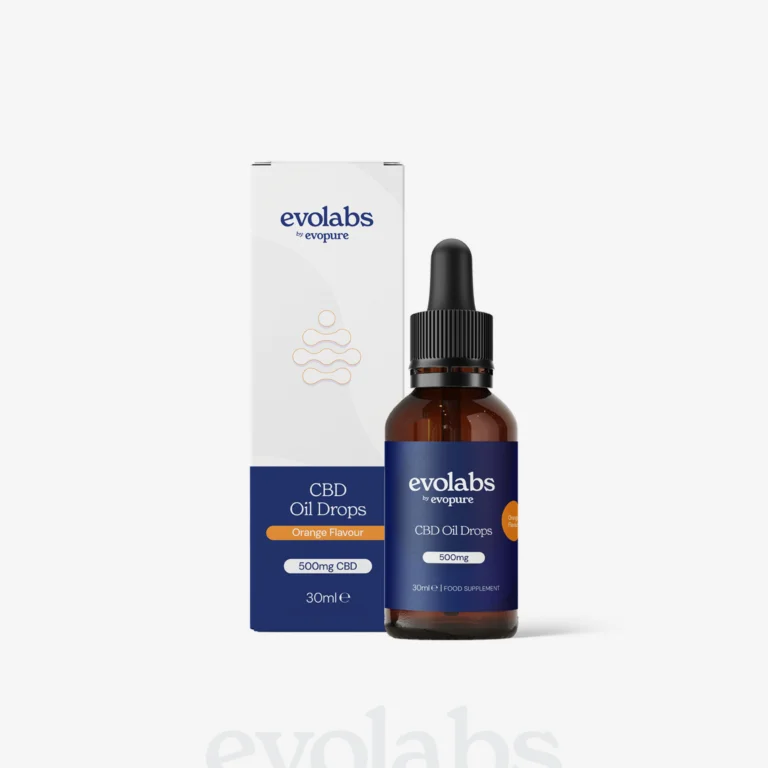
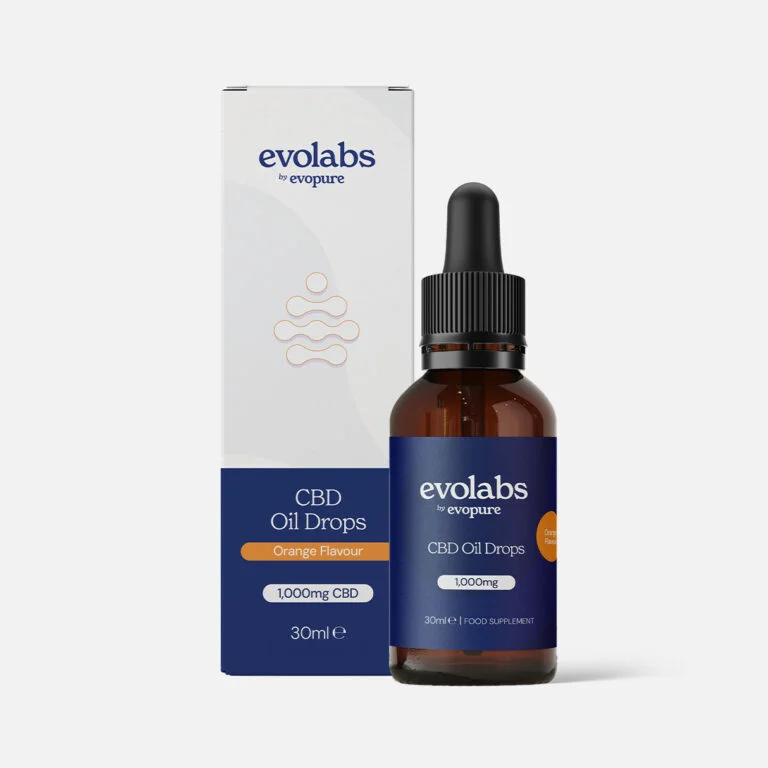
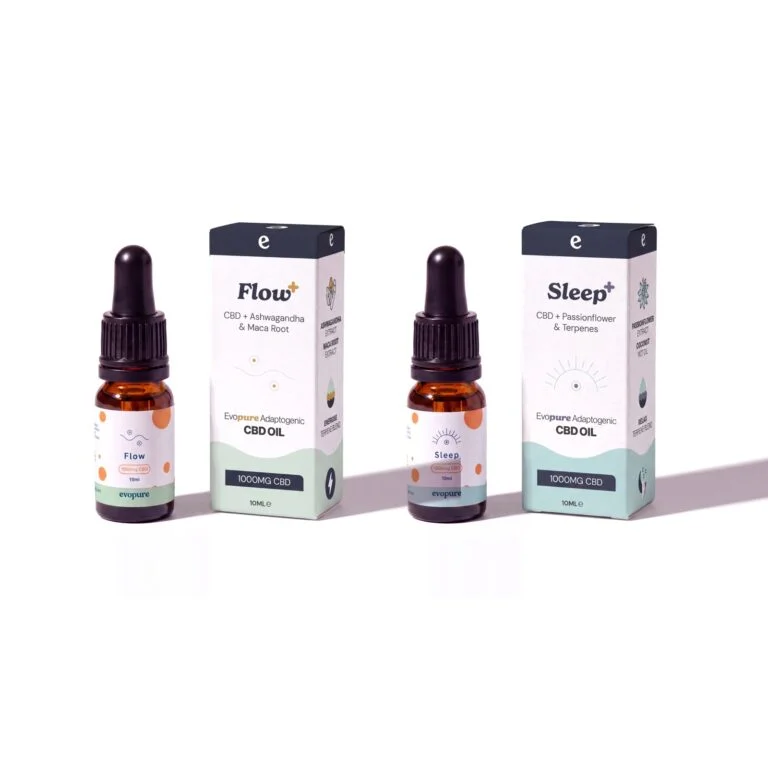
- Broad Spectrum CBD Oil: two ingredients, broad spectrum CBD extract and coconut MCT oil from coconut, with 0% THC.
The FSA’s 10mg a day figure is precautionary advice rather than a legal limit, set while longer-term safety research continues. At Evopure we think it is a very cautious figure, and many adults use more. If you go above it, increase slowly, and check with your GP or pharmacist first if you take any medication.
iOur products are for adults (18+) only. We don’t recommend our products during pregnancy or breastfeeding. If you take any medication, check with your GP or pharmacist before starting a new supplement.
Safety: more isn’t better
- Too much vitamin A, iron, vitamin D or B6 can cause harm. NHS upper levels for adults include 100 micrograms of vitamin D a day, 10mg of vitamin B6 from supplements, 1mg of folic acid, 0.5mg of iodine and 540mg of vitamin E.
- Don’t take supplements containing vitamin A (retinol) or cod liver oil when pregnant.
- Some supplements, including CBD, St John’s wort and some herbs, interact with medicines.
- Tell your GP, pharmacist or surgeon about everything you take.
Related guides
- Read our full reishi guide for the research, the side effects and how much to take.
- Before buying a turmeric extract, read how to choose a turmeric supplement, including curcumin content and liver safety.
- What the evidence says on immune boosting supplements.
- If you are thinking of taking turmeric alongside CBD, see CBD and turmeric: what to check.
Sources 8
- NHS. Vitamins and minerals, including vitamin D, B vitamins and folic acid, iodine and vitamin E.
- NHS. The vegan diet.
- Defra. Organic food: labelling rules and the GB organic processing rules (Regulation 889/2008, Article 27).
- Food Standards Agency. Criteria for the use of the terms fresh, pure, natural etc. in food labelling (revised July 2008, archived).
- CAP Code, sections 12 and 15; ASA. Detoxing: general and advice on organic claims.
- Churm R, et al. Organically versus synthetically derived multivitamin and mineral supplementation. Curr Dev Nutr, 2026.
- Winkels RM, et al. Bioavailability of food folates is 80% of that of folic acid. Am J Clin Nutr, 2007. Burton GW, et al. Natural and synthetic vitamin E in humans. Am J Clin Nutr, 1998.
- Dangour AD, et al. Nutritional quality of organic foods, 2009; Smith-Spangler C, et al. Are organic foods safer or healthier?, 2012; Barański M, et al. Organically grown crops: meta-analyses, 2014.
This guide is general information, not medical advice.