Last updated: November 2026
Men don’t go through a menopause like women do. Testosterone falls slowly, by about 1% a year from around 30 to 40, and the NHS says this is unlikely to cause problems by itself. But some men in their late 40s and early 50s do get symptoms such as low mood, tiredness, poor sleep and low sex drive.
Most of the time the cause is stress, sleep, drink or lifestyle rather than hormones, and a smaller group of men have genuinely low testosterone. November is Movember, so it’s a good month to take stock. Below: symptoms, age, causes, what helps and when to see a GP (checked November 2026).
Can men have menopause?
Not in the way women do. The NHS calls the “male menopause” (sometimes called the andropause) an unhelpful term used in the media. It’s misleading because it suggests a sudden drop in testosterone in middle age, like the drop in oestrogen at the female menopause, and that doesn’t happen.
What does happen:
- Testosterone falls gradually, by about 1% a year from around the age of 30 to 40. On its own, the NHS says, this is unlikely to cause any problems.
- A small number of men develop low testosterone later in life. Doctors call this late-onset hypogonadism. It’s an uncommon, specific medical condition, not a normal part of ageing.
- Many men get “menopause-like” symptoms in midlife for other reasons, such as stress, depression, poor sleep, alcohol or lack of exercise.
So men don’t go through menopause, but the symptoms are real and worth sorting out.
Male menopause symptoms
The NHS says some men develop depression, loss of sex drive, erectile dysfunction and other physical and emotional symptoms when they reach their late 40s to early 50s. Other symptoms common at this age include:
| Symptom | Common causes to rule out first |
|---|---|
| Mood swings and irritability | Stress, low mood, poor sleep |
| Lack of enthusiasm or energy | Depression, poor sleep. See low mood vs depression |
| Difficulty sleeping or more tiredness | Stress, alcohol, snoring or sleep apnoea |
| Poor concentration and short-term memory | Stress, poor sleep |
| Less muscle and less able to exercise | Less activity, low protein, ageing |
| A bigger belly or “man boobs” | Being overweight, some medicines |
| Low sex drive and erection problems | Stress, tiredness, alcohol. See a GP |
These symptoms can get in the way of everyday life and happiness, so the NHS advice is to find the underlying cause rather than put it down to age. Many overlap with signs of stress and depression.
The usual causes: stress, sleep and lifestyle
For most men, the NHS says, these symptoms have nothing to do with hormones. Many can come from stress, depression or anxiety, and that pressure often builds from:
- work or relationship problems
- money worries
- worrying about ageing parents
- a “midlife crisis”: anxiety about what you’ve achieved so far in work or life, which can lead to a period of depression
The NHS also lists lack of sleep, a poor diet, lack of exercise, drinking too much alcohol, smoking and low self-esteem as possible causes. Our guide to stress in men covers the signs and how stress feeds bad sleep, and bad sleep feeds stress.

Our pick
for evenings, Magnesium Glycinate Sleep Complex is a berry drink powder with 148mg of magnesium a scoop from bisglycinate and citrate, plus glycine and L-theanine. Magnesium contributes to a reduction of tiredness and fatigue and to normal psychological function. For daytime, Flow CBD Oil is broad spectrum CBD with ashwagandha and maca in MCT oil.
Add Magnesium Glycinate Sleep Complex to bag See ingredients and reviews
Add Flow CBD Oil 500mg to bag or choose another strength
Both are vegan and made in the UK, for adults only. Flow is broad spectrum with 0% THC and every batch is third-party lab tested. If you take any regular medicines, check with your GP or pharmacist first. Free UK delivery over £45, 14-day returns on unopened items.
What helps
Start with a GP if symptoms are getting in the way (see when to see a GP). If stress or anxiety are behind it, the NHS says medication or a talking therapy such as cognitive behavioural therapy (CBT) may help, and that exercise and relaxation can help too. Alongside that, the basics make the biggest difference:
- Move every day. The NHS advises at least 150 minutes of moderate activity a week plus strength exercises on 2 days. Walking counts: see how many steps a day.
- Keep your muscle. Strength training and enough protein matter more as you age. See how much protein you need.
- Drink less. The NHS advises no more than 14 units a week. Alcohol wrecks sleep: see alcohol and sleep.
- Protect your sleep. Regular times, less screen time late on, and get loud snoring checked. Our insomnia guide has a full plan.
- Talk to someone: a partner, a mate or your GP.
- Stop smoking and aim for a healthy weight.
Where Evopure fits
No supplement treats the “male menopause”. Some men like a simple daily routine alongside the basics. Magnesium Glycinate Sleep Complex is an evening drink, and magnesium contributes to a reduction of tiredness and fatigue. Flow CBD Oil is our daytime oil: about 4 drops of the 500mg gives 10mg of CBD. See magnesium for men and our CBD dosage guide for more.
iIf you take any regular medicines, check with your GP or pharmacist first, as CBD can interact with some medicines.
Flow contains ashwagandha, which the FSA is reviewing for safety. Skip it if you have a thyroid, liver, autoimmune or hormone-sensitive condition, and read ashwagandha side effects first. We don’t recommend our products during pregnancy or breastfeeding.
The FSA’s 10mg a day figure is precautionary advice rather than a legal limit, set while longer-term safety research continues. At Evopure we think it is a very cautious figure, and many adults use more. If you go above it, increase slowly, and check with your GP or pharmacist first if you take any medication.
Male vs female menopause
| How they differ | Female menopause | “Male menopause” |
|---|---|---|
| What changes | Hormone levels fall and periods eventually stop | Testosterone falls slowly, about 1% a year |
| Usual age | 45 to 55 | Symptoms in the late 40s to early 50s |
| Normal part of ageing? | Yes, for anyone who has periods | No: low testosterone is uncommon |
| Main cause of symptoms | Lower hormone levels | Usually stress, sleep or lifestyle |
The female menopause is a natural part of life that usually happens between 45 and 55, the NHS says. If your partner is going through it, our guide to perimenopause for partners explains what she’s dealing with.
What age does male menopause start and how long does it last?
The symptoms people call the male menopause usually show up in the late 40s to early 50s, according to the NHS. The slow fall in testosterone starts much earlier, from around 30 to 40.
There’s no set length because it isn’t one event. Symptoms caused by stress, poor sleep or drink often ease once the cause is dealt with. Low testosterone is a long-term condition, managed by doctors.
See also sleep as you get older and supplements for men over 40 and 50.
Do men get hot flushes and night sweats?
Hot flushes aren’t on the NHS list of male menopause symptoms. Men can get them, though. They’re a common side effect of hormone therapy for prostate cancer, which lowers testosterone.
For night sweats, the NHS lists anxiety, some medicines (such as some antidepressants, steroids and painkillers), low blood sugar and alcohol among the common causes. See a GP if night sweats keep waking you, or come with a high temperature or weight loss you can’t explain. More in our guides to night sweats and hot flushes.
Low testosterone and erection problems
Low testosterone (late-onset hypogonadism) is uncommon and more likely in men who are obese or have type 2 diabetes. A large European study of 3,369 men aged 40 to 79 put it at about 2% of older men. It found three sexual symptoms (fewer morning erections, low sex drive and erectile dysfunction) were the clearest link to low testosterone, while poor sleep, poor concentration and anxiety were not. It’s diagnosed from your symptoms and blood tests. If a specialist confirms it, you may be offered testosterone replacement as an injection or gel. Ask your GP; don’t buy testosterone or “boosters” online.
Erection problems are very common, particularly over 40, and are usually caused by stress, tiredness or drinking too much. If they keep happening, see a GP or a sexual health clinic, as they can be a sign of a treatable condition such as high blood pressure, diabetes or heart problems.
When to see a GP
See your GP if any of these symptoms are getting in the way of work, your relationship or everyday life. They’ll ask about work and home life to check for stress, anxiety or depression, and may order a blood test to measure your testosterone. If it’s low, you may be referred to an endocrinologist (a hormone specialist).
If you’re 40 to 74 and live in England, you can also book a free NHS Health Check, which looks at blood pressure, cholesterol and diabetes risk. Our Movember guide covers the other checks worth doing this month.
If you’re struggling now: call Samaritans free on 116 123, any time. For urgent help, call NHS 111 and choose the mental health option. If you or someone else is in danger, call 999.
Sources 8
- NHS. The ‘male menopause’.
- NHS. Erectile dysfunction (impotence).
- NHS. Night sweats.
- NHS. Menopause and perimenopause.
- NHS. Physical activity guidelines for adults aged 19 to 64.
- Wu FC et al. Identification of late-onset hypogonadism in middle-aged and elderly men. N Engl J Med, 2010 (PMID 20554979); summary from the University of Manchester.
- Cancer Research UK. Hot flushes in men.
- FSA. Cannabidiol (CBD) guidance.
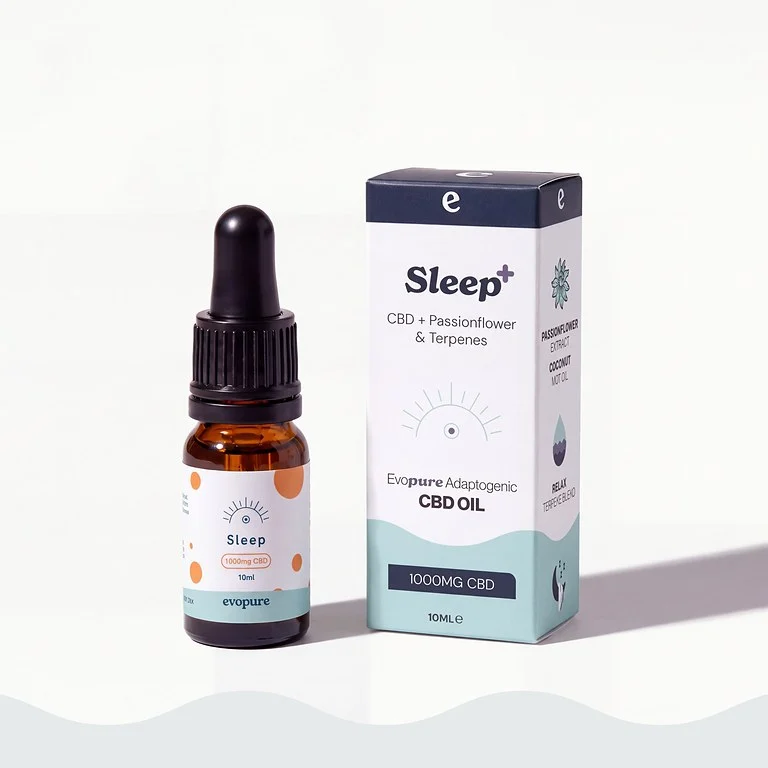
This guide is general information, not medical advice. Evopure makes the Magnesium Glycinate Sleep Complex, Flow CBD Oil and Sleep CBD Oil.