Last updated: October 2026
Green tea’s best-supported effect is a gentle lift in alertness from its caffeine, with L-theanine possibly smoothing it. Links with heart health and lower diabetes risk come mostly from observational studies. Any weight loss is small or none, and cancer claims are unproven. As a drink it’s fine for most adults; concentrated extracts are different.
Below: what’s in a cup, what the research honestly shows, how much caffeine it has compared with coffee and black tea, the best time to drink it, side effects and safety, and how to brew it so it isn’t bitter.
Green tea in 30 seconds: the NHS uses 75mg of caffeine for a cup of tea, black or green, against 100mg for a cup of instant coffee. Two to four cups a day sits well within the 400mg daily caffeine level EFSA considers safe for most healthy adults. In pregnancy, keep all caffeine to 200mg a day.
What’s in green tea?
Green and black tea come from the same plant, Camellia sinensis. Green tea leaves are heated soon after picking, which stops them oxidising, so they keep more of their natural catechins. A cup contains three things worth knowing about:
- Caffeine. The main active ingredient and the reason green tea wakes you up.
- L-theanine. An amino acid found in tea leaves. One lab analysis measured about 12mg in a 200ml cup of green tea, far less than the 97 to 100mg used in most focus trials. See L-theanine benefits.
- Catechins, especially EGCG (epigallocatechin gallate). Plant compounds that act as antioxidants in lab tests. EFSA estimates typical green tea drinkers get about 90 to 300mg of EGCG a day from their cups.
Drunk plain, green tea has no calories.
Green tea benefits: evidence by claim
Much green tea research is observational (it spots links, not causes), comes from Japan and China where people drink several cups a day, or uses extracts rather than tea. Here’s an honest summary.
| Claim | What the research shows | Strength |
|---|---|---|
| Alertness and focus | Caffeine with L-theanine improved alertness and attention switching for up to two hours in small trials; caffeine dose seemed to matter most | Moderate, short-term |
| Heart and cholesterol | Small trials found lower LDL cholesterol and blood pressure, but results weren’t stable; a large Japanese cohort linked 5+ cups a day with lower heart deaths | Limited trials, observational |
| Blood sugar | Trials of tea and extracts showed a very small drop in fasting glucose; tea drinkers had slightly lower type 2 diabetes risk in cohort studies | Small effect, mostly observational |
| Weight loss | No meaningful weight loss in trials outside Japan; overall effect small and not clinically important | Good evidence of little or no effect |
| Cancer prevention | Inconsistent results; no link with cancer deaths in pooled cohort data | Weak, observational only |
Alertness and focus: caffeine plus L-theanine
A 2014 review of 11 placebo-controlled trials found moderate improvements in alertness and in switching attention between tasks in the first two hours after caffeine and L-theanine together. Caffeine dose seemed to matter more than L-theanine dose. In one 27-person trial, 50mg of caffeine with 100mg of L-theanine improved speed and accuracy on a demanding task more than caffeine alone. A normal cup has far less L-theanine, so expect a gentle lift rather than a special calm focus. See how to focus better and beating the afternoon slump.
Heart health and cholesterol
A Cochrane review found green tea lowered LDL cholesterol by about 0.64mmol/L and blood pressure by about 3mmHg, but only a few small trials contributed, the results weren’t stable, and none measured heart attacks or strokes. In Japan’s Ohsaki study of more than 40,000 adults, women drinking five or more cups a day had about 31% lower risk of dying from heart disease than those drinking less than one. That is a link, not proof.
Blood sugar
A meta-analysis of 17 trials found green tea and its extracts lowered fasting glucose by just 0.09mmol/L on average. A pooled analysis of cohort studies (all teas, not only green) linked two extra cups a day with about 5% lower risk of type 2 diabetes. Both effects are small.
Weight loss: the honest answer
The Cochrane review of green tea preparations in overweight adults found that in six trials outside Japan, people lost an average of 0.04kg more than the control groups, which is effectively nothing. The authors concluded any weight loss was small and unlikely to be clinically important. Swapping a sugary latte for plain green tea helps, but that’s the swap doing the work.
Cancer: observational only
A 2020 Cochrane review of 142 studies and over 1.1 million people found inconsistent results and limited evidence that green tea lowers cancer risk. There was no link with cancer deaths. Most of the studies were in Asian populations.
What about health claims?
In Great Britain, foods can only carry health claims authorised on the government’s register, and there are none for green tea. Claims for L-theanine (concentration, stress, relaxation and sleep) and for green tea catechins and body weight are listed as non-authorised. Be wary of green tea products promising focus, calm or fat burning.
How much caffeine is in green tea vs coffee and black tea?
Yes, green tea has caffeine. The NHS uses these figures for planning your daily intake:
| Drink | Caffeine (NHS figure) |
|---|---|
| Cup of tea, green or black | 75mg |
| Cup of instant coffee | 100mg |
| Cup of filter coffee | Can contain more than instant |
| 250ml can of energy drink | 80mg |
| Can of cola | 40mg |
| 50g bar of plain dark chocolate | Less than 25mg |
Real cups vary a lot. In one lab analysis, green tea had less caffeine than black tea brewed the same way, and steeping for longer raised caffeine. A weak, short brew may hold far less than 75mg; a strong mug left to stew can hold more. For decaf versions and why they still contain a little caffeine, see decaf coffee.
EFSA considers up to 400mg of caffeine a day, and single doses up to 200mg, safe for most healthy adults. That’s about five NHS cups of tea, counting coffee, cola and chocolate too. If you’re cutting down, do it gradually to avoid caffeine withdrawal headaches.
When is the best time to drink green tea?
There’s no magic hour, but a few things help you get the best from it:
- Morning to early afternoon. EFSA notes that even 100mg of caffeine close to bedtime may affect sleep in some adults. Caffeine lingers for hours, so if you’re sensitive, make your last cup well before the evening. See how long caffeine lasts.
- Between meals, not with them, if your iron is low. The NHS lists tea among drinks that make it harder to absorb iron when you have large amounts. Tannins in tea bind non-haem iron, the type in plant foods. Leave an hour or so either side of iron-rich meals or iron tablets, and see iron-rich foods.
- With or after breakfast if it upsets your stomach. If tea on an empty stomach leaves you queasy, have it alongside food. See coffee on an empty stomach and breakfast for energy.
- In the evening, switch. Caffeine-free herbal teas are a better bedtime choice. See the best teas for sleep and chamomile tea.
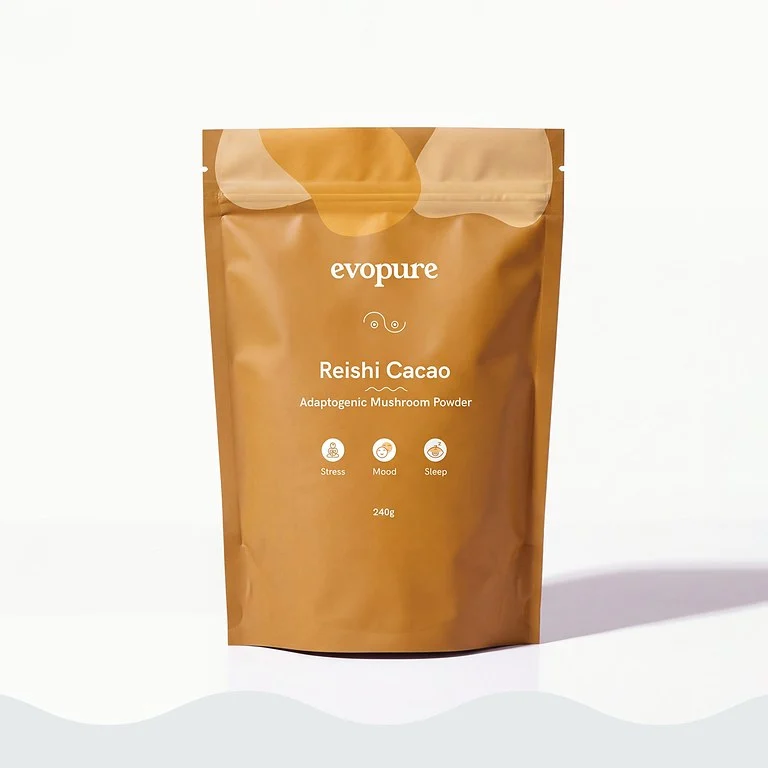
Fancy something warm and comforting in the afternoon that isn’t tea or coffee? Our Reishi Mushroom Adaptogenic Complex is a hot chocolate powder made with reishi mushroom extract, organic cacao, maca and coconut milk. It’s vegan and made in the UK. Cacao contains a little natural caffeine, so it isn’t caffeine-free. For more ideas, see coffee alternatives.
Green tea vs matcha
Both come from the same plant. With green tea you steep the leaves and throw them away; with matcha you whisk shade-grown leaf powder into water and drink the lot. That means a matcha usually delivers more caffeine, L-theanine and catechins per serving, depending on how much powder you use. Green tea is the lighter, cheaper everyday cup. For the full comparison, caffeine per gram and how to make it, see our guide to matcha benefits.
Green tea side effects and safety
Tea as a drink
EFSA concluded that catechins from green tea infusions and similar drinks are generally safe. Most side effects are caffeine side effects: jitters, a racing heart, an upset stomach or poor sleep. If caffeine makes you anxious, see does caffeine cause anxiety?
Green tea extract supplements and the liver
Concentrated extracts are a different matter. EFSA’s 2018 opinion found that 800mg or more of EGCG a day from supplements may be linked with early signs of liver damage, and it couldn’t identify a safe dose. Supplements can provide anywhere from 5 to 1,000mg of EGCG a day. The Cochrane cancer review also recorded raised liver enzymes and stomach upsets with extracts. If you take a green tea extract, check the EGCG per dose, don’t exceed the label, and stop taking it and see a GP if you feel unwell.
Pregnancy and breastfeeding
The NHS advises no more than 200mg of caffeine a day in pregnancy, from all sources. A couple of cups of green tea can fit, but count coffee, cola and chocolate too. Avoid green tea extract supplements unless your midwife or GP agrees. We don’t recommend our products during pregnancy or breastfeeding.
Medication and iron deficiency
If you take regular medication, ask your pharmacist whether green tea or extracts could interact. If you have iron deficiency, keep tea away from meals as above.
How to brew green tea so it isn’t bitter
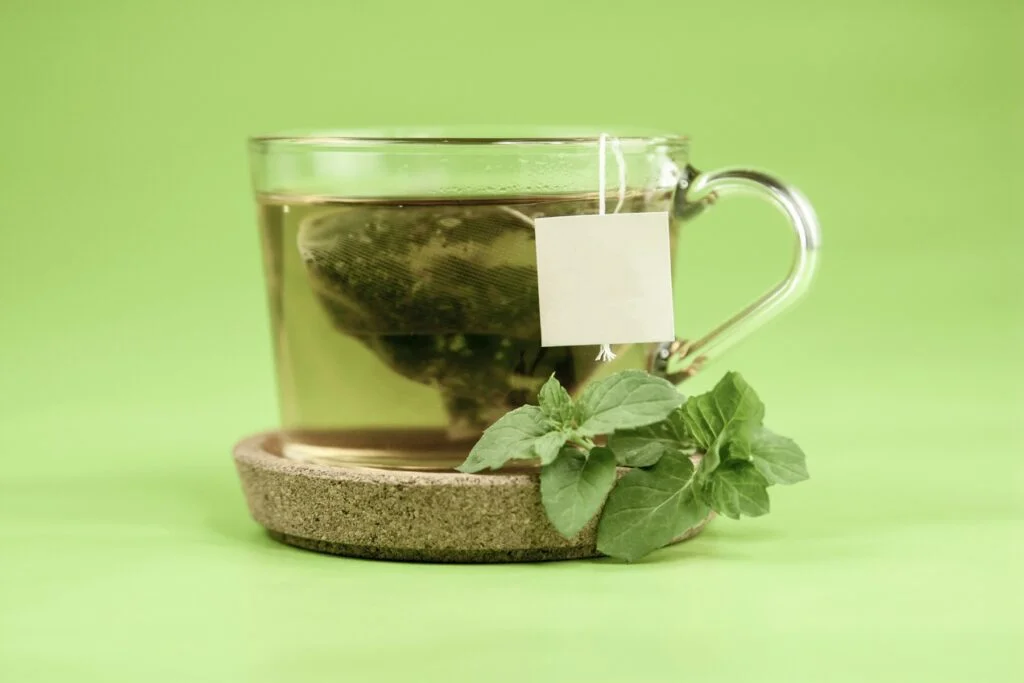
Most bitter green tea is brewed too hot or for too long. In a study of brewing conditions, 85°C for three minutes gave the most EGCG and the best taste scores; long brews at high temperatures tasted bitter and looked dark.
- Cool the water. Boil the kettle, then let it stand for a few minutes so it’s around 80 to 85°C rather than boiling.
- Use about a teaspoon of loose leaf, or one bag, per cup.
- Steep for two to three minutes, then remove the leaves or bag. Longer brews add caffeine and bitterness.
- Taste before adding anything. A slice of lemon or a sprig of mint works well; sugar adds calories.
Related guides
- Another flavanol favourite: read dark chocolate benefits.
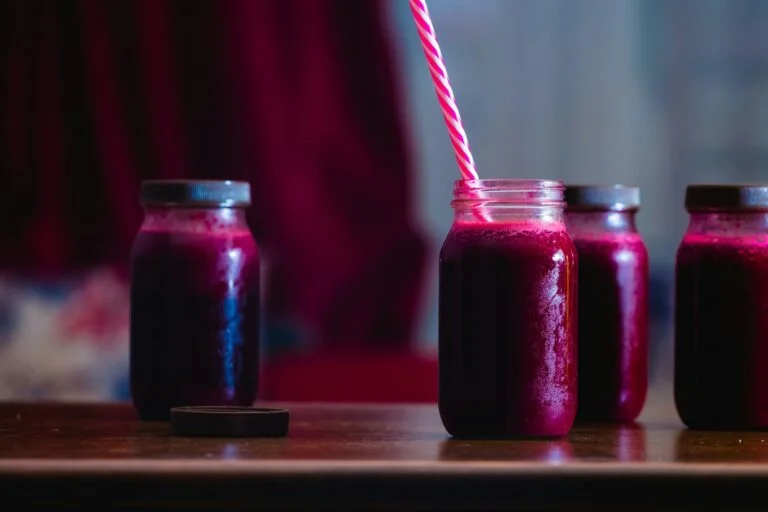
- Beetroot juice: what the evidence honestly shows.
- Looking at other everyday drinks? Read ginger benefits: what the research shows.
FAQs
Is green tea good for you?
For most adults, yes, as a drink. It’s calorie-free when plain and gives a gentle caffeine lift. Links with heart health and lower diabetes risk are mostly observational, and weight loss and cancer claims aren’t supported.
Does green tea have caffeine?
Yes. The NHS uses 75mg for a cup of tea, black or green, compared with 100mg for a cup of instant coffee. Real cups vary with the leaf and how long you brew it.
Does green tea help you lose weight?
Not in any meaningful way. A Cochrane review found green tea preparations gave a small weight loss that isn’t likely to be clinically important. Swapping sugary drinks for plain green tea helps more.
How many cups of green tea a day is safe?
For most healthy adults, a few cups a day is fine. EFSA considers up to 400mg of caffeine a day safe, so count coffee, cola and chocolate too. In pregnancy, keep all caffeine to 200mg a day.
Is it OK to drink green tea at night?
It contains caffeine, which can affect sleep in some people even at 100mg near bedtime. If you’re sensitive, have your last cup in the early afternoon and switch to a caffeine-free herbal tea in the evening.
Is green tea bad for your liver?
Green tea as a drink is generally considered safe. The concern is concentrated extract supplements: EFSA found 800mg or more of EGCG a day may be linked with early signs of liver damage.
Is green tea better than coffee?
Neither is clearly healthier. Green tea usually has less caffeine per cup and comes with L-theanine, so it may feel gentler. Coffee gives a bigger, faster lift. Choose by how caffeine affects you.
Sources
- NHS. Foods to avoid in pregnancy (caffeine).
- NHS. Iron deficiency anaemia.
- EFSA. Caffeine.
- EFSA (2018). EFSA assesses safety of green tea catechins.
- Department of Health and Social Care. Great Britain nutrition and health claims (NHC) register.
- Jurgens TM et al. (2012). Green tea for weight loss and weight maintenance in overweight or obese adults. Cochrane Database Syst Rev.
- Hartley L et al. (2013). Green and black tea for the primary prevention of cardiovascular disease. Cochrane Database Syst Rev.
- Filippini T et al. (2020). Green tea for the prevention of cancer. Cochrane Database Syst Rev.
- Kuriyama S et al. (2006). Green tea consumption and mortality in Japan: the Ohsaki study. JAMA.
- Camfield DA et al. (2014). Acute effects of L-theanine, caffeine and EGCG on cognitive function and mood. Nutr Rev.
- Owen GN et al. (2008). The combined effects of L-theanine and caffeine on cognitive performance and mood. Nutr Neurosci.
- Liu K et al. (2013). Effect of green tea on glucose control and insulin sensitivity. Am J Clin Nutr.
- Yang WS et al. (2014). Tea consumption and risk of type 2 diabetes. Br J Nutr.
- Disler PB et al. (1975). The effect of tea on iron absorption. Gut.
- Ayakdaş G, Ağagündüz D (2025). L-theanine and caffeine contents in tea infusions under different brewing conditions. Foods.
- Saklar S et al. (2015). Effects of brewing conditions on catechin content and sensory acceptance in green tea. J Food Sci Technol.
This guide is general information, not medical advice. Evopure makes the Reishi Mushroom Adaptogenic Complex.