













Last updated: 18 November 2026
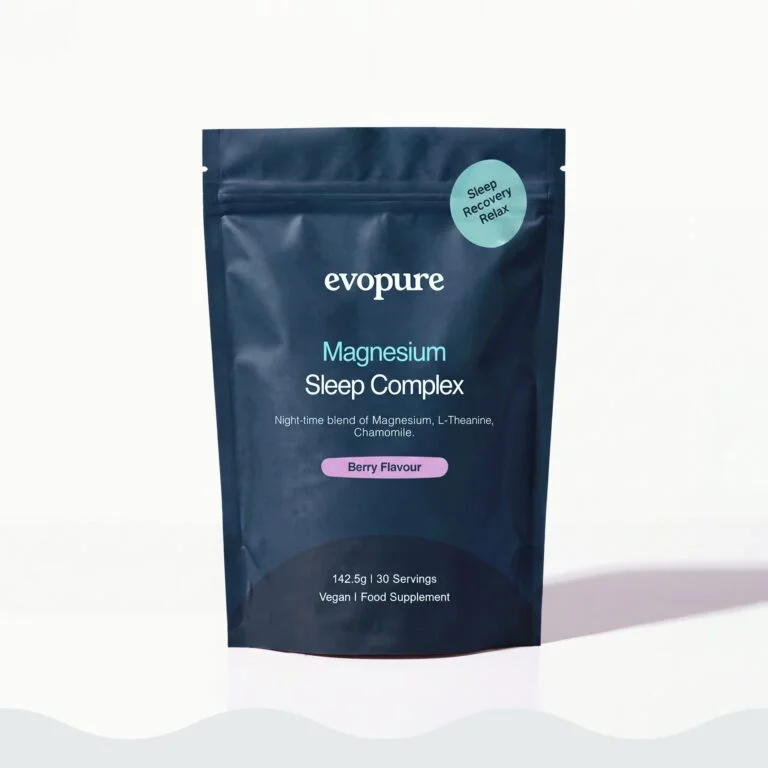
There are 12 common types of magnesium on UK supplement labels, and they differ in how much magnesium they carry, how well it is absorbed and how gentle they are on your gut. Glycinate, citrate and malate are the reliable everyday forms, oxide is cheap but poorly absorbed, and stearate isn’t a supplement at all. Evopure’s Magnesium Glycinate Sleep Complex uses two of the reliable forms, bisglycinate and citrate, for 290mg magnesium (77% NRV) per 4.75g serving.
For most people, glycinate or citrate is the place to start. Below you’ll find a types of magnesium chart, what each form is used for, which to choose for your goal, and which to skip.
Black Friday sale on now, until the end of Monday 30 November: 25% off any order, 30% off when you spend £50 and 40% off when you spend £100, with free standard UK delivery on every order. See the Black Friday offer.
Our magnesium
Magnesium Glycinate Sleep Complex
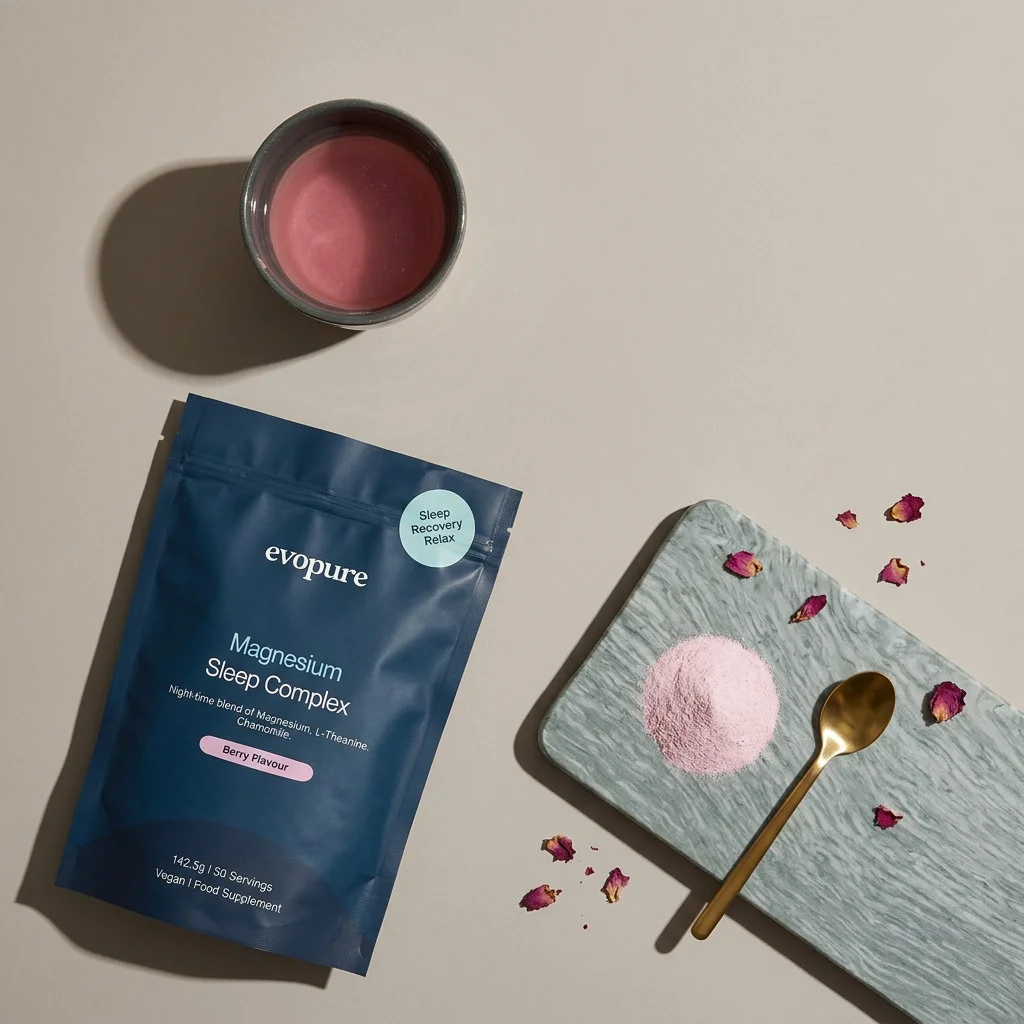
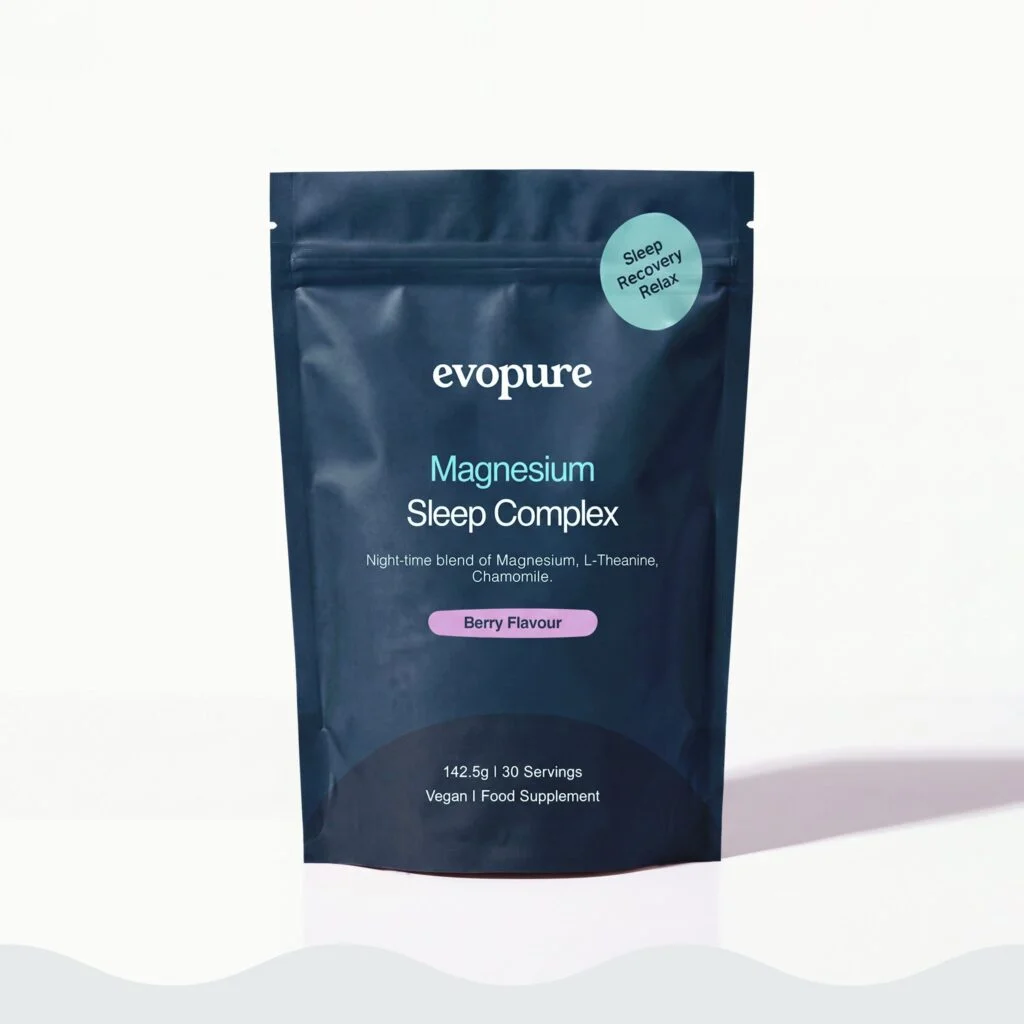
Magnesium Glycinate Sleep Complex uses magnesium bisglycinate and citrate, two of the well-absorbed forms compared below, with L-theanine, chamomile, passionflower and hops. Magnesium contributes to normal muscle function and to a reduction of tiredness and fatigue. Vegan and made in the UK.
Add Magnesium Glycinate Sleep Complex to bag See ingredients and reviews
Vegan and made in the UK. Subscribe and save 25% on your first order, then 20%. New to Evopure? Join our emails for 20% off a one-off first order. Free UK delivery over £40, 14-day returns on unopened items.
Subscribe £17.99One-off £29.99
View productTypes of magnesium chart: all 12 forms at a glance
The main types of magnesium are glycinate, citrate, malate, L-threonate, taurate and chloride; the rest are less common, less suited to daily use or, like stearate, not a supplement. The percentage is how much of each compound is elemental magnesium.
Settled on glycinate? Here’s how to pick the best magnesium glycinate supplement: seven UK products compared.
| Form | Magnesium | Used for on labels | Absorption and gut |
|---|---|---|---|
| Glycinate (bisglycinate) | 14% | Evenings, stress, sensitive stomachs | Good; very gentle |
| Citrate | 16% | Everyday top-up, constipation | Good; loosens stools at high doses |
| Malate | 15% | Daytime routines, muscles | Good; gentle |
| L-threonate | 7 to 8% | Brain, focus, memory | Good; little magnesium per dose |
| Taurate | 9% | Marketed for the heart | Good; little magnesium per dose |
| Chloride | 12% (flakes) to 25% | Sprays, bath flakes, oral top-up | Good; can loosen stools |
| Lactate | 12% | Top-up, indigestion | Moderate; fairly gentle |
| Aspartate | 7 to 8% | Top-up (rarely a first choice) | Good; little magnesium per dose |
| Carbonate | 29% | Antacids, indigestion | Moderate; can upset the stomach |
| Sulphate (Epsom salt) | 10% | Baths, short-term laxative | Low by mouth; strong laxative |
| Oxide | 60% | Cheap tablets, laxative | Low; often loosens stools |
| Stearate | 4% | Tablet flow agent, not a supplement | Not a magnesium source |
Percentages are approximate, from PubChem molecular weights; hydrated or buffered versions contain less, so check the elemental magnesium per serving. Oxide carries the most magnesium but absorbs the least.
Comparing the most popular three? See our guide to magnesium glycinate vs citrate vs threonate.
The FSA’s 10mg a day figure for CBD is precautionary advice rather than a legal limit, set while longer-term safety research continues. At Evopure we think it is a very cautious figure, and many adults use more. If you go above it, increase slowly, and check with your GP or pharmacist first if you take any medication.
12 types of magnesium and their uses
1. Magnesium glycinate (bisglycinate)
Magnesium bound to glycine, an amino acid. It is gentle on the stomach and less likely to loosen stools than most forms, which makes it the usual choice for evening routines, stress and anyone with a sensitive gut. Bisglycinate is the same thing. Read our magnesium glycinate guide, or our magnesium glycinate powder guide.
2. Magnesium citrate
One of the most researched forms. It dissolves well and is absorbed reliably; in a University of Reading trial it raised blood magnesium more than oxide or an amino acid chelate. It draws water into the bowel, so it has a mild laxative effect at higher doses, which is why it is also used for occasional constipation. See magnesium for constipation.
3. Magnesium malate
Bound to malic acid, which is involved in making energy in your cells. Well absorbed and gentle, and often taken earlier in the day. It is sometimes chosen for muscle comfort, although research comparing it with other forms is limited.
4. Magnesium L-threonate
Developed to raise magnesium levels in the brain. Small trials suggest benefits for memory in older adults and for sleep quality, but it contains only about 7 to 8% magnesium, so it is not an efficient way to top up low levels. Read the guide to magnesium L-threonate.
5. Magnesium taurate
Bound to taurine, an amino acid involved in heart and nerve function. Often marketed for heart health, but the evidence is mostly from animal studies and from research on magnesium and taurine separately. It isn’t a treatment for any heart condition. Read the guide to magnesium taurate.
6. Magnesium chloride
Magnesium chloride is magnesium bound to chloride, a salt that dissolves easily in water. It is the form in most magnesium sprays, oils and bath flakes, and in some tablets. Taken by mouth it is well absorbed, but like other well-absorbed salts it can loosen stools at higher doses. Whether much passes through the skin is unproven.
Many people still enjoy a spray or a bath after exercise: see magnesium spray and magnesium for muscle pain.
Magnesium chloride vs glycinate
Magnesium chloride is common in sprays, oils, bath flakes and some tablets. Taken by mouth it is well absorbed: in one US study it was absorbed as well as lactate and aspartate, and far better than oxide. Like other well-absorbed salts, it can loosen stools at higher doses.
Magnesium glycinate is gentler on the gut and the usual choice for an evening routine. On the skin, the picture is weaker: a 2017 review concluded that the case for transdermal magnesium is scientifically unsupported, so a spray is not a reliable way to raise your levels. See magnesium spray for more.
Whichever you choose, compare the elemental magnesium per serving, not the weight of the compound. Magnesium chloride hexahydrate is about 12% magnesium and pure magnesium bisglycinate about 14%, so 1,000mg of either gives roughly 120 to 140mg. Our Magnesium Glycinate Sleep Complex gives 290mg of elemental magnesium per serving from bisglycinate and citrate.
7. Magnesium lactate
Moderately well absorbed and fairly gentle. Used for general top-up and sometimes for indigestion. Less common in UK supplements than citrate or glycinate.
8. Magnesium aspartate
Bound to aspartic acid. Absorbed reasonably well, but rarely a first choice; most people do better with glycinate or citrate.
9. Magnesium carbonate
Reacts with stomach acid, which is why it appears in some antacids for heartburn and indigestion. It can cause stomach upset and isn’t usually chosen for daily supplementation.
10. Magnesium sulphate (Epsom salt)
Mainly used in baths. Taken by mouth it acts as a strong laxative and tastes unpleasant, so it is not suitable as a daily supplement.
11. Magnesium oxide
Contains a lot of magnesium by weight, about 60%, but little is absorbed. In the Reading trial it did no better than placebo for raising magnesium levels. Common in cheap tablets and more likely to loosen stools.
12. Magnesium stearate
Not a supplement form at all. It is a manufacturing aid that stops tablet ingredients sticking to machinery, used in tiny amounts. It is safe and provides no meaningful magnesium.
Magnesium stearate vs glycinate
They aren’t alternatives. Glycinate (bisglycinate) is a supplement form, about 14% magnesium. Stearate is magnesium bound to stearic acid, a fatty acid, added in tiny amounts as a flow agent for tablet and capsule machines; it is only about 4% magnesium, so it adds almost nothing and isn’t a form you take for magnesium.
In 2018 EFSA found no safety concern for magnesium salts of fatty acids (E 470b) at the levels used, so seeing it on a glycinate label is normal. Our guide to what magnesium stearate is and whether it is safe covers the additive in more detail.
Which type of magnesium should you take?
| Your goal | Best type |
|---|---|
| An evening wind-down | Glycinate, or a glycinate and citrate blend. See magnesium for sleep |
| Stress and tiredness | Glycinate. See magnesium for anxiety |
| General top-up | Citrate, glycinate or malate |
| Constipation | Citrate |
| Focus and memory | L-threonate |
| Muscle cramps | Glycinate or citrate, plus chloride flakes in the bath. See magnesium for cramps |
| Sensitive stomach | Glycinate |
Whichever form you choose, the benefits come from the magnesium itself: magnesium contributes to a reduction of tiredness and fatigue, to normal psychological function and to normal muscle function. Forms differ in absorption, gut comfort and magnesium per dose; head-to-head research is limited.
Prescribed magnesium for a low blood level? The licensed UK tablets use magnesium glycerophosphate: our magnesium glycerophosphate guide covers the dose per 4mmol tablet and how it differs from a supplement.
Our Magnesium Glycinate Sleep Complex combines bisglycinate and citrate, giving 290mg of elemental magnesium per serving as an evening drink. For drinks, see magnesium drinks and powders compared. For brand-by-brand picks, read our guide to the best magnesium supplement in the UK. For timing, see the best time to take magnesium.
Which types of magnesium should you avoid?
- Magnesium oxide if you want to raise your levels: it is poorly absorbed and more likely to cause loose stools.
- Magnesium sulphate by mouth as a daily supplement: it is a strong laxative. Keep it for the bath.
- Labels that don’t show elemental magnesium: “500mg magnesium citrate” is only about 80mg of actual magnesium.
Magnesium stearate on a label is fine; it’s simply a manufacturing aid.
How much magnesium do you need?
The NHS says adults need 300mg a day (men) or 270mg a day (women), and most people can get this from a varied diet. From supplements, 400mg a day or less is unlikely to cause harm; more than that can cause diarrhoea. Speak to your GP or pharmacist first if you have kidney disease or take antibiotics, osteoporosis medicines, diuretics or long-term acid-reducing medicines. See signs of magnesium deficiency.
Related guides
- For formats rather than forms, see magnesium powder vs tablets.
- Choosing magnesium for kids.
- Our full guide to magnesium citrate.
- Epsom salt (magnesium sulphate) baths explained.
- Read our full guide to magnesium malate: how much magnesium it contains and what the evidence says.
- Magnesium oxide: uses, absorption and side effects.
- For bath use, see our guide to magnesium flakes and what the absorption evidence shows.
- Which magnesium makes you sleepy.
- Whether magnesium and calcium compete for absorption.
- Wondering how magnesium compares with other minerals? See magnesium vs zinc.
- The best magnesium for PCOS.
- Wondering whether a blend of forms is better than one? See magnesium complex: what it is and whether it beats one form.
- Whatever form you choose, a supplement tops up your diet rather than replacing it; see foods high in magnesium.
- Some forms are gentler on the stomach than others; see magnesium side effects for which forms are most likely to cause loose stools.
- Stocking up in a sale? See how to judge Black Friday supplement deals, including comparing elemental magnesium per serving.
- What form of magnesium is in Vitabiotics Ultra Magnesium.
- See how these forms appear on a real shelf in our Holland and Barrett magnesium guide.
- Food-grown magnesium is another option on the shelf; see Wild Nutrition Food-Grown Magnesium.
- To see how one brand mixes forms, read what’s in each Solgar magnesium.
- Wondering about forms not in this list? Our guide to magnesium orotate explains why it is only about 6.5% magnesium and not on the GB permitted list.
- Some brands use a seawater blend of several forms instead: see Together Health magnesium and its 5 natural forms.
- Some products mix several forms in one tablet, as with Bioglan Active Magnesium, which combines four.
- For a worked example of compound versus elemental magnesium on a real label, see New Leaf magnesium glycinate explained.
- To see four forms in one product, read what’s in Boots Magnesium 4 in 1.
- For a worked example of oxide and citrate labels, see Superdrug’s magnesium range.
- High-street own brands often use oxide; see the label maths for Tesco magnesium.
- Some brands now sell liposomal bisglycinate; see what the evidence says on Zooki’s liposomal magnesium.
- Magnesium carbonate is rarely sold alone; in Natural Vitality Calm it reacts with citric acid to form magnesium citrate in water.
- For one brand’s range across several forms, see Viridian magnesium: bisglycinate, citrate, taurate and more.
- For one brand that sells several forms, read what’s in each Healthspan magnesium.
- For how to read a supermarket label, see Aldi magnesium label maths.
- For one brand that sells glycinate, citrate, malate and taurate side by side, see our look at BioCare magnesium.
- Some products combine five forms in one capsule; see Nutravita’s 5-in-1 magnesium complex.
- To see how one brand labels glycinate, citrate and citrate/malate side by side, read our Pure Encapsulations magnesium guide.
- Wondering whether glycinate mixes with D3? See can you take magnesium glycinate and vitamin D together?
- Magnesium chloride is also the salt in most creams and lotions: see magnesium cream.
- Some supplements combine most of these forms in one capsule; see what a 12 in 1 magnesium complex really contains.
- To see how one brand mixes forms, read Metagenics magnesium: bisglycinate, citrate and glycerophosphate across its range.
- To see several forms in one brand’s range, read our New Nordic magnesium guide.
- Labels may say glycinate, bisglycinate or diglycinate; our guide to magnesium bisglycinate explains why they are the same compound.
- Many people pair an evening glycinate with ashwagandha: see ashwagandha and magnesium glycinate together.
- Choosing a form for restless legs? Our guide to the best magnesium for restless legs compares glycinate, citrate and oxide.
- For UK daily amounts by age and the NHS 400mg supplement guide, see how much magnesium you need per day.
- Once absorbed, every form is handled the same way: see how long magnesium stays in your system, by type.
- If you’re choosing a form during the change, see the best magnesium for menopause.
- For the best type for people in their 60s and 70s, see magnesium for older adults.
- Seen it on a label? Our guide to magnesium stearate covers the safety evidence, the myths and whether it is vegan.
Black Friday sale, on now until 30 November: see our Black Friday magnesium and supplement deals.
Next step
Magnesium Glycinate Sleep Complex
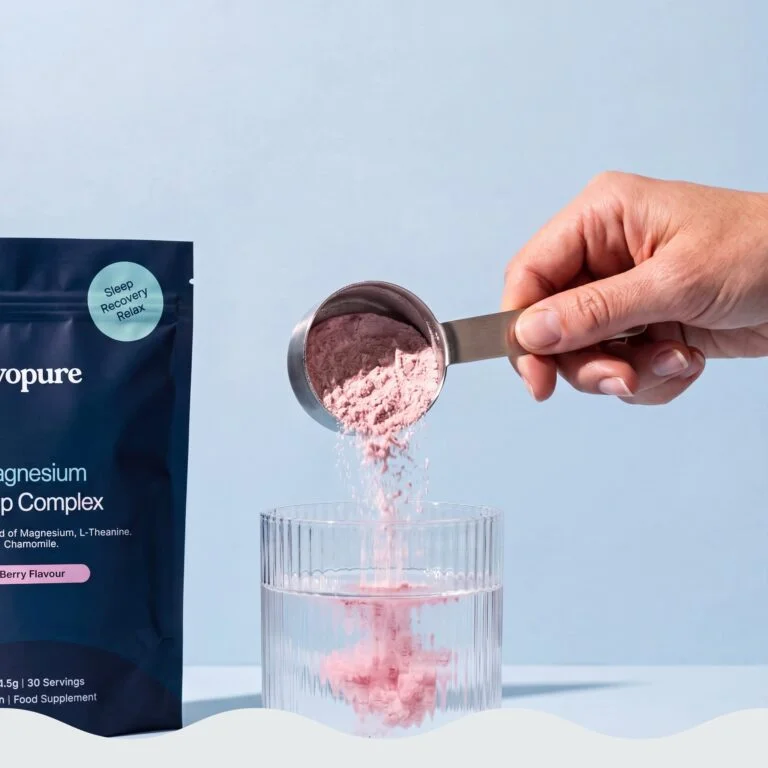
If glycinate and citrate are the types you’ve settled on, Magnesium Glycinate Sleep Complex combines both: 290mg magnesium (77% NRV) per 4.75g serving, plus 500mg glycine and 100mg L-theanine, as an evening berry drink. Magnesium contributes to a reduction of tiredness and fatigue.
Add Magnesium Glycinate Sleep Complex to bag See ingredients and reviews
Subscribe and save 25% on your first order, then 20%. New to Evopure? Join our emails for 20% off a one-off first order. Free UK delivery over £40. If you have kidney problems or take any regular medicines, check with your GP or pharmacist first. We don’t recommend our products during pregnancy or breastfeeding.
Subscribe £17.99One-off £29.99
View productSources 7
- NHS. Vitamins and minerals: magnesium.
- Walker AF et al (2003). Mg citrate found more bioavailable than other Mg preparations in a randomised, double-blind study. Magnesium Research.
- Firoz M, Graber M (2001). Bioavailability of US commercial magnesium preparations. Magnesium Research. PMID 11794633.
- Gröber U et al (2017). Myth or reality: transdermal magnesium? Nutrients. PMID 28788060.
- PubChem. Magnesium chloride hexahydrate, magnesium bisglycinate, magnesium oxide, magnesium citrate and magnesium stearate (molecular weights used for the chart percentages).
- EFSA ANS Panel (2018). Re-evaluation of sodium, potassium and calcium salts of fatty acids (E 470a) and magnesium salts of fatty acids (E 470b) as food additives. EFSA Journal. PMID 32625824.
- Liu G et al (2016). Efficacy and safety of MMFS-01, a synapse density enhancer, for treating cognitive impairment in older adults. Journal of Alzheimer’s Disease.
This guide is general information, not medical advice. Evopure makes the Magnesium Glycinate Sleep Complex.