







Last updated: October 2026
Electrolytes are minerals such as sodium, potassium, magnesium, calcium and chloride that carry an electric charge and help control fluid balance, nerves and muscles. Most people get enough from food, and water is the best way to stay hydrated day to day. Electrolyte drinks help after diarrhoea or vomiting, and during long, sweaty exercise.
Below: what each electrolyte does, signs you might be low, when you need electrolyte drinks and when water is enough, how to make your own, and what to look for in a product.
What are electrolytes?
| Electrolyte | Main jobs | Food sources |
|---|---|---|
| Sodium | Fluid balance, nerve signals | Salt, bread, processed food (most UK adults eat too much) |
| Potassium | Heart rhythm, muscles, blood pressure | Bananas, potatoes, beans, fruit and vegetables |
| Magnesium | Contributes to electrolyte balance and normal muscle function | Nuts, seeds, wholegrains, greens. See foods high in magnesium |
| Calcium | Bones, muscles, nerves | Dairy, fortified plant milks, tofu |
| Chloride | Fluid balance, digestion | Salt |
Do you need electrolyte drinks?
| Situation | What to drink |
|---|---|
| Normal day, desk job | Water; you get electrolytes from food |
| Exercise under an hour | Water |
| Long, hard or hot exercise, heavy sweating | Water plus electrolytes, or a sports drink |
| Diarrhoea or vomiting | Oral rehydration solution from a pharmacy, as the NHS advises |
| Hangover | Water and food; electrolytes may help if you’ve been sick. See hangxiety |
| Hot weather | Plenty of water; more if active |
Electrolytes vs water
The NHS says water is the best way to replace lost fluids for most people, and recommends 6 to 8 cups or glasses of fluid a day, aiming for pale yellow pee. Tea, coffee, milk and lower-sugar drinks all count. Electrolyte powders and tablets add salts, and sometimes sugar, which help in the situations above but aren’t needed every day. Many contain a lot of sodium, so if you have high blood pressure or are watching salt, check with your GP.
Signs of dehydration and low electrolytes
The NHS lists these symptoms of dehydration:
- feeling thirsty
- headache and feeling light-headed or dizzy
- dark yellow, strong-smelling pee, and peeing less often
- feeling tired
- a dry mouth, lips and tongue
Low electrolyte levels can also cause muscle cramps, weakness and an irregular heartbeat. Get urgent advice from NHS 111 if you feel dizzy when you stand up and it doesn’t go away, are breathing quickly or have a fast heart rate, or are peeing much less than usual. See magnesium for cramps and why am I always tired?
Homemade electrolyte drink
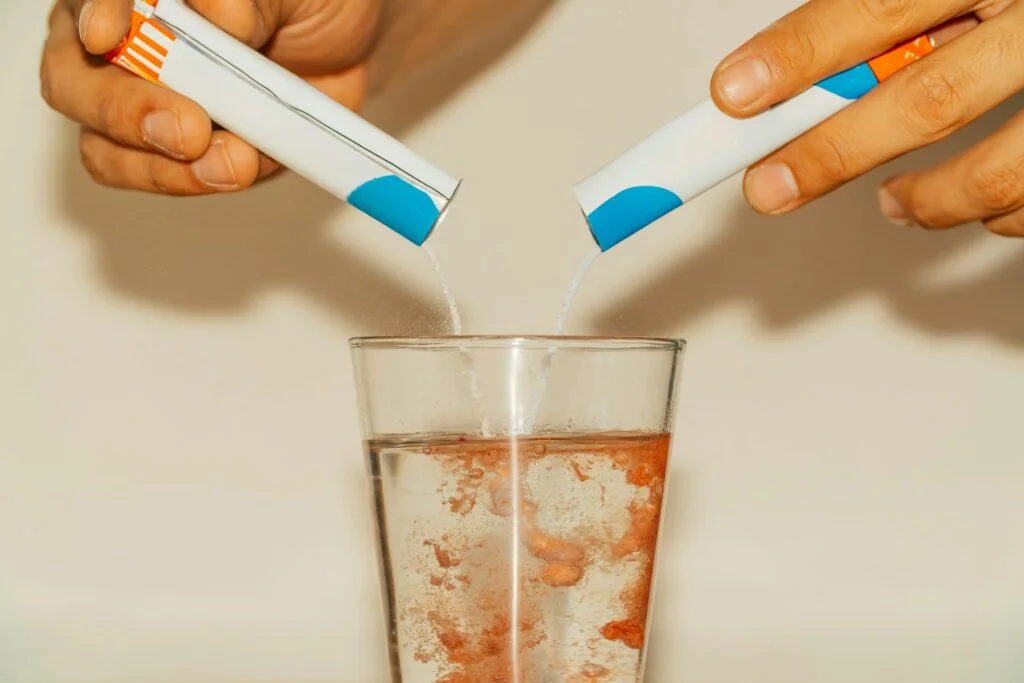
For exercise in the heat, a simple homemade drink works: about 500ml water, a small pinch of salt, a splash of fruit juice for flavour and a little sugar, and a squeeze of lemon or lime. Coconut water also contains potassium. For diarrhoea and vomiting, use a pharmacy rehydration solution, which has the right balance of salts and sugar. See also our cortisol cocktail guide, a popular electrolyte-style drink.
What to look for in an electrolyte product
- Sodium per serving: higher for heavy sweating, lower for everyday use.
- Potassium and magnesium listed in milligrams.
- Sugar: useful during long exercise, unnecessary otherwise.
- No exaggerated claims like “3x hydration” or “detox”.
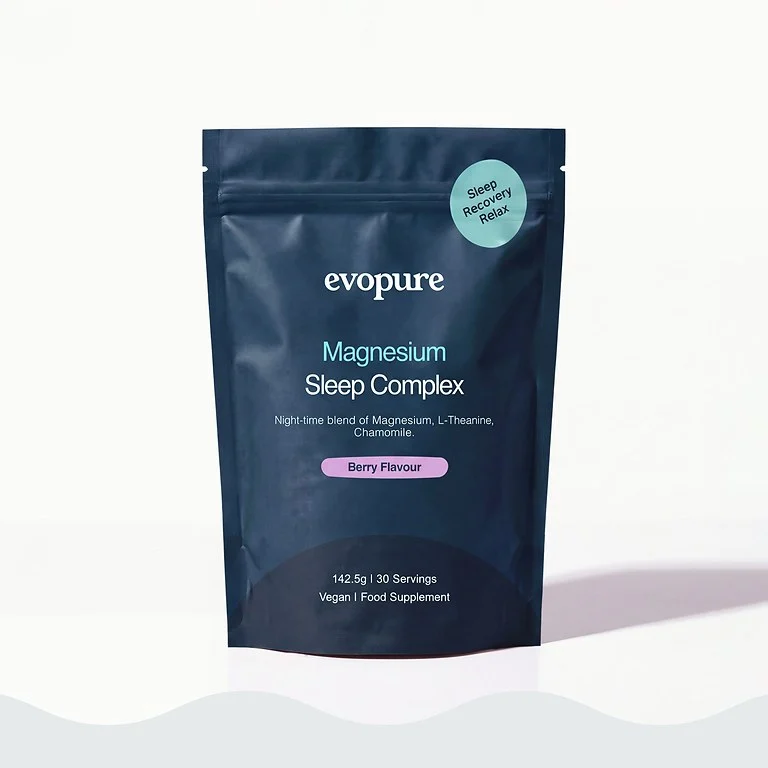
Magnesium contributes to electrolyte balance and the reduction of tiredness and fatigue. Our Magnesium Glycinate Sleep Complex is an evening magnesium drink rather than a sports electrolyte. See magnesium for energy.
Related guides
- Leg cramps at night.
- Hangover cure.
- Anxiety dizziness.
- Sweating in the heat? See sauna benefits and how to stay hydrated.
- For everyday needs, see how much water you should drink a day (UK guidance in litres).
- Beetroot juice before exercise: does it help?
- If water hasn’t shifted your headache, see other tension headache causes and fast fixes.
- Losing a lot of fluid can also lower blood pressure. See low blood pressure for the signs and when to get help.
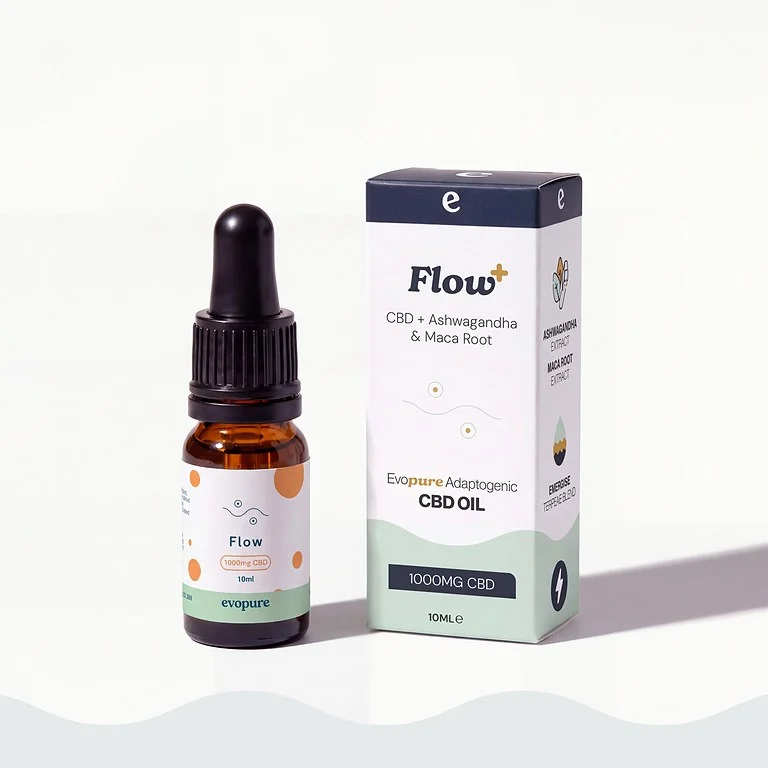
The FSA’s 10mg a day figure for CBD is precautionary advice rather than a legal limit, set while longer-term safety research continues. At Evopure we think it is a very cautious figure, and many adults use more. If you go above it, increase slowly, and check with your GP or pharmacist first if you take any medication.
FAQs
What are electrolytes?
Minerals such as sodium, potassium, magnesium, calcium and chloride that help control fluid balance, nerves and muscles.
Do I need electrolytes every day?
Most people get enough from food and only need water. Electrolyte drinks help after diarrhoea or vomiting, and during long, sweaty exercise.
Are electrolytes better than water?
Not for everyday hydration. The NHS says water is the best way to replace lost fluids for most people.
What are the signs you need electrolytes?
Thirst, headache, dizziness, dark pee, tiredness and muscle cramps, especially after heavy sweating, vomiting or diarrhoea.
Is magnesium an electrolyte?
Yes. Magnesium contributes to electrolyte balance and normal muscle function.
Sources
- NHS. Water, drinks and hydration.
- NHS. Dehydration.
- NHS. Salt in your diet.
- US National Institutes of Health, Office of Dietary Supplements. Magnesium fact sheet.
This guide is general information, not medical advice. Evopure makes the Magnesium Glycinate Sleep Complex.