Last updated: October 2026
Grounding techniques are quick exercises that pull your attention out of anxious thoughts and back into the present moment through your senses and body. The best known is 5-4-3-2-1: name 5 things you see, 4 you feel, 3 you hear, 2 you smell and 1 you taste. Slow breathing and cold water help too.
Below: 10 grounding techniques step by step, which to use when, grounding for panic attacks and sleep, and when to get more help.
What are grounding techniques?
When you’re anxious, your mind races ahead to “what ifs” and your body goes into fight-or-flight. Grounding brings you back to right here, right now, by focusing on things you can see, touch and hear. They’re widely used in talking therapies such as CBT and are easy to do anywhere, without anyone noticing. Grounding doesn’t make anxiety disappear for good, but it can take the edge off in the moment.

Our pick
Magnesium Glycinate Sleep Complex
Magnesium Glycinate Sleep Complex is a berry drink powder with 148mg of magnesium a scoop from bisglycinate and citrate, plus glycine and L-theanine. Magnesium contributes to a reduction of tiredness and fatigue.
Add Magnesium Glycinate Sleep Complex to bag See ingredients and reviews
Vegan and made in the UK. Free UK delivery over £45, 14-day returns on unopened items.
Subscribe £22.49One-off £29.99
View product10 grounding techniques
| Technique | How to do it |
|---|---|
| 1. 5-4-3-2-1 | Name 5 things you see, 4 you can feel, 3 you hear, 2 you smell, 1 you taste |
| 2. Feet on the floor | Press both feet down. Notice the weight, the floor, your socks or shoes |
| 3. Slow breathing | Breathe in for 4, out for 6. See box breathing |
| 4. Cold water | Splash cold water on your face or hold something cold |
| 5. Hold an object | A stone, keys or a mug. Describe its weight, texture and temperature |
| 6. Name the room | Describe your surroundings out loud: “a blue chair, a window, a plant” |
| 7. Categories | Name 5 fruits, 5 football teams or 5 cities beginning with B |
| 8. Body scan | Slowly move your attention from your toes to your head |
| 9. Count backwards | From 100 in sevens |
| 10. Move | Walk slowly and notice each step, or stretch your arms above your head |
Which technique for which situation
| Situation | Try |
|---|---|
| At work or in public | Feet on the floor, slow breathing, holding an object |
| Racing thoughts | Categories or counting backwards. See how to stop overthinking |
| Panic rising | Cold water, 5-4-3-2-1, slow breathing |
| In bed at night | Body scan, slow breathing |
| Waking anxious | Feet on the floor, open the curtains. See morning anxiety |
Grounding during a panic attack
During a panic attack, keep it simple: feet on the floor, slow breaths with a longer out-breath, and name what you can see. Remind yourself it will pass. See how to stop a panic attack and anxiety symptoms.
Grounding at bedtime
If your mind won’t switch off in bed, try a slow body scan or breathing, and notice the weight of the duvet and the feel of the pillow. If you’re still awake after about 20 minutes, get up and do something calm in dim light. See anxiety at night and how to sleep better.
Many people build grounding into a calm evening routine with a warm drink. Magnesium contributes to normal psychological function and the normal functioning of the nervous system. Our Magnesium Glycinate Sleep Complex is a bedtime drink, and our Reishi Mushroom Adaptogenic Complex is a cosy hot chocolate.
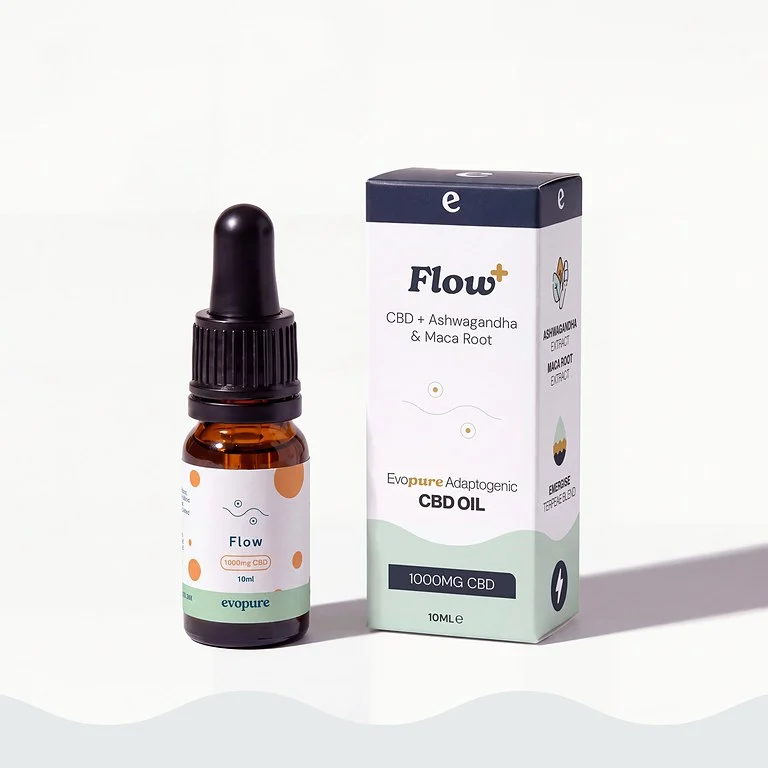
The FSA’s 10mg a day figure for CBD is precautionary advice rather than a legal limit, set while longer-term safety research continues. At Evopure we think it is a very cautious figure, and many adults use more. If you go above it, increase slowly, and check with your GP or pharmacist first if you take any medication.
How to make it work
- Practise when you’re calm, so it comes naturally when you need it.
- Pick 2 or 3 favourites rather than trying them all.
- Be patient. It may take a few minutes to notice a difference.
- Pair it with longer-term habits: exercise, sleep, less caffeine and alcohol. See how to relieve stress.
When to get help
iIf anxiety is affecting your daily life, see your GP. Adults in England can refer themselves to NHS Talking Therapies for CBT. If you feel unable to cope, call NHS 111 and choose the mental health option, or Samaritans on 116 123.
Related guides
- Social anxiety: how to cope.
- For longer-term help, see how to deal with anxiety.
- Mindfulness for beginners.
- Feeling overloaded by noise and busyness? See feeling overstimulated.
- How to control anger.
- Anxiety dizziness.
- Fight, flight, freeze and fawn explained.
- For a step-by-step plan that combines grounding with breathing, see how to calm down.
- Grounding also works well after a bad dream: see what to do after a nightmare.
- Using music for anxiety.
- Grounding pairs well with slow breath work, such as the NHS 5-count breathing exercise.
- A fidget ring or worry stone makes a discreet present: see our anxiety gifts.
Sources 3
- NHS Every Mind Matters. Anxiety.
- NHS. Panic disorder.
- Balban MY et al (2023). Brief structured respiration practices enhance mood and reduce physiological arousal. Cell Reports Medicine.
This guide is general information, not medical advice. Evopure makes the Magnesium Glycinate Sleep Complex and Reishi Mushroom Adaptogenic Complex.