


Last updated: October 2026
High-functioning anxiety isn’t a medical diagnosis. It describes people who seem calm, organised and successful but are driven by constant worry underneath: overthinking, perfectionism, trouble switching off and poor sleep. It can still be generalised anxiety disorder, which is treatable. See a GP if worry affects your sleep, health or relationships.
Below: the signs, why it’s easy to miss, how it differs from generalised anxiety disorder, high-functioning anxiety at work, and how to cope.
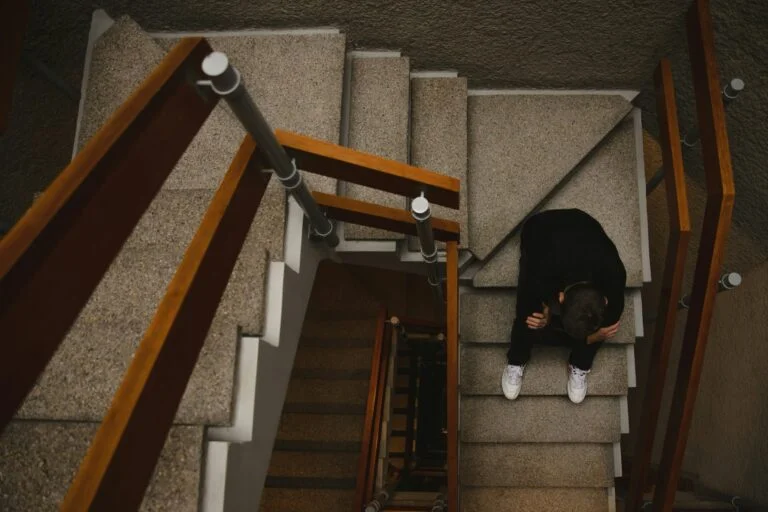
The hidden side: on the outside, you’re the reliable one who never misses a deadline. On the inside, you’re running on worry, replaying conversations and dreading mistakes. Being able to cope isn’t the same as being OK.
Signs of high-functioning anxiety
| What people see | What’s going on inside |
|---|---|
| Organised, punctual, always prepared | Fear of being caught out or letting people down |
| Hard-working, says yes to everything | Difficulty saying no; worry about disappointing others |
| High achiever | Perfectionism and harsh self-criticism |
| Calm and in control | Racing thoughts, replaying conversations, dread |
| Always busy | Can’t relax; rest feels like guilt |
| Fine at work | Poor sleep, tense shoulders, jaw clenching, stomach problems |
Physical signs are common too: trouble sleeping, tiredness, a racing heart, headaches and teeth grinding. See anxiety symptoms, teeth grinding and tension headaches.
Why it’s easy to miss
- From the outside, everything looks fine, so friends, colleagues and even doctors may not notice.
- Anxiety can look like ambition, so it’s often praised rather than questioned.
- You may tell yourself others have it worse, or that worry is what keeps you successful.
- The costs (poor sleep, exhaustion, irritability) build up slowly. See burnout symptoms.
High-functioning anxiety vs generalised anxiety disorder
“High-functioning anxiety” is a popular phrase, not a diagnosis. Many people who use it may actually meet the criteria for generalised anxiety disorder (GAD). The NHS describes GAD as feelings of stress or worry that affect your daily life and are difficult to control, with symptoms such as difficulty sleeping, restlessness, irritability, poor concentration, tiredness, tension, stomach problems and palpitations.
Being able to keep going at work doesn’t mean the anxiety isn’t real or doesn’t deserve help. GAD is treatable, and you don’t have to wait until you’re struggling to ask for help. See how to deal with anxiety.
Perfectionism and high-functioning anxiety
Perfectionism often sits at the heart of high-functioning anxiety. A large 2017 analysis of 284 studies found perfectionism was linked with a wide range of mental health problems, including anxiety and depression. Setting high standards isn’t the problem; it’s the fear of falling short and the harsh self-criticism that go with it. See imposter syndrome, people pleasing and low self-esteem.
High-functioning anxiety at work
- Over-preparing and re-checking work
- Struggling to delegate
- Answering emails late at night or at weekends
- Dreading feedback, even when it’s usually positive
- Feeling unable to take breaks or holidays
Try setting a clear finish time, batching emails, and practising “good enough” on lower-stakes tasks. See how to relieve stress and working from home and mental health.
Signs it’s tipping into burnout
High-functioning anxiety can keep you going for a long time, but the strain adds up. Warning signs that it’s becoming too much:
- You’re exhausted even after a weekend or holiday
- You feel cynical, detached or numb about work you used to care about
- Small tasks feel overwhelming, or you’re making more mistakes
- You’re getting ill more often, or sleeping badly most nights
- You’re relying on caffeine, alcohol or sugar to keep going
- You snap at people or cry more easily. See why am I so irritable? and crying for no reason
If several of these sound familiar, it’s a sign to slow down and get support now rather than pushing through. See burnout symptoms and signs of a nervous breakdown.
How to cope with high-functioning anxiety
- Name it. Recognising “this is anxiety, not reality” helps you step back.
- Schedule rest like a meeting. Rest is part of performing well, not a reward.
- Set boundaries on work hours and say no more often.
- Challenge perfectionism: ask “what’s good enough here?”
- Calm your body daily with slow breathing or yoga nidra. See box breathing.
- Move every day to burn off stress hormones.
- Protect your sleep and switch off screens before bed. See anxiety at night and how to stop overthinking.
- Cut back on caffeine and alcohol. See does caffeine cause anxiety?
- Talk to someone you trust about what’s really going on.
A daily routine can help you switch off. Our Magnesium Glycinate Sleep Complex is a caffeine-free evening drink with L-theanine, and magnesium contributes to normal psychological function. Some people take our Flow CBD Oil, with ashwagandha and maca, as part of their day. CBD isn’t a treatment for anxiety. The FSA’s 10mg a day figure for CBD is precautionary advice rather than a legal limit, set while longer-term safety research continues. At Evopure we think it is a very cautious figure, and many adults use more. If you go above it, increase slowly, and check with your GP or pharmacist first if you take any medication.
When to get help
See a GP if worry is affecting your sleep, health, relationships or enjoyment of life, even if you’re still managing at work. Adults in England can refer themselves to NHS Talking Therapies for CBT, which works well for anxiety. If you feel unable to cope or have thoughts of harming yourself, call 999, NHS 111 or Samaritans on 116 123.
FAQs
What is high-functioning anxiety?
A popular term for people who seem successful and in control but are driven by constant worry, perfectionism and overthinking underneath. It isn’t a medical diagnosis.
Is high-functioning anxiety a real condition?
It isn’t an official diagnosis, but the anxiety is real. Many people with it meet the criteria for generalised anxiety disorder, which is treatable.
What are the signs of high-functioning anxiety?
Overthinking, perfectionism, difficulty saying no, being unable to relax, poor sleep, tension and constant busyness, while appearing calm and organised.
How do I stop high-functioning anxiety?
Schedule rest, set boundaries, challenge perfectionism, calm your body daily and protect your sleep. CBT through NHS Talking Therapies is very effective.
Sources
- NHS. Generalised anxiety disorder (GAD).
- Limburg K et al (2017). The relationship between perfectionism and psychopathology: a meta-analysis. Journal of Clinical Psychology.
- NHS. NHS Talking Therapies.
This guide is general information, not medical advice. Evopure makes the Magnesium Glycinate Sleep Complex and Flow CBD Oil.