Last updated: 9 November 2026
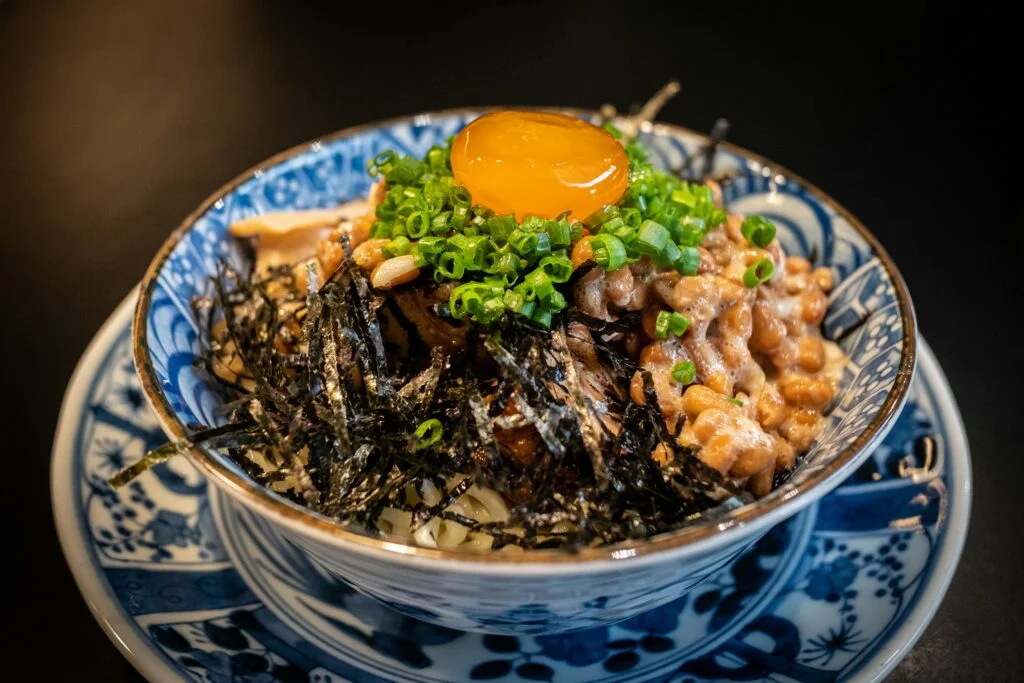
Vitamin K2 (menaquinone) is a form of vitamin K made by bacteria and found in fermented foods such as natto, and in cheese, egg yolks and meat. Like vitamin K1 from leafy greens, it helps blood to clot and contributes to normal bones. MK-7 is the long-lasting type used in most K2 supplements.
The NHS says most adults get all the vitamin K they need from a varied diet, at about 1 microgram per kilogram of body weight a day. Below: K1 vs K2, MK-4 vs MK-7, the foods richest in K2, how much you need, what the research shows, whether to take vitamin D3 with K2, and why anyone on warfarin must check first.
Our pick
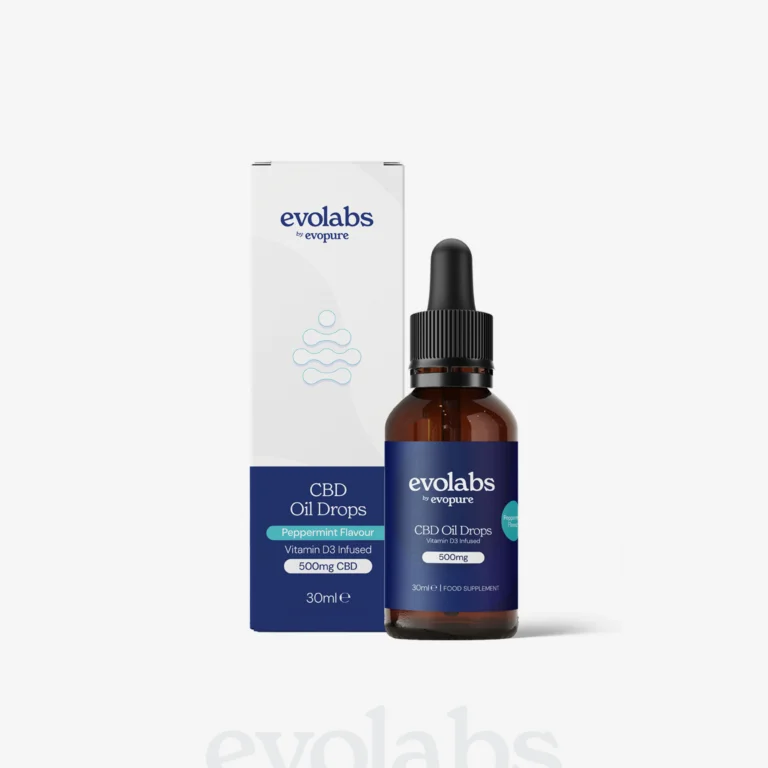
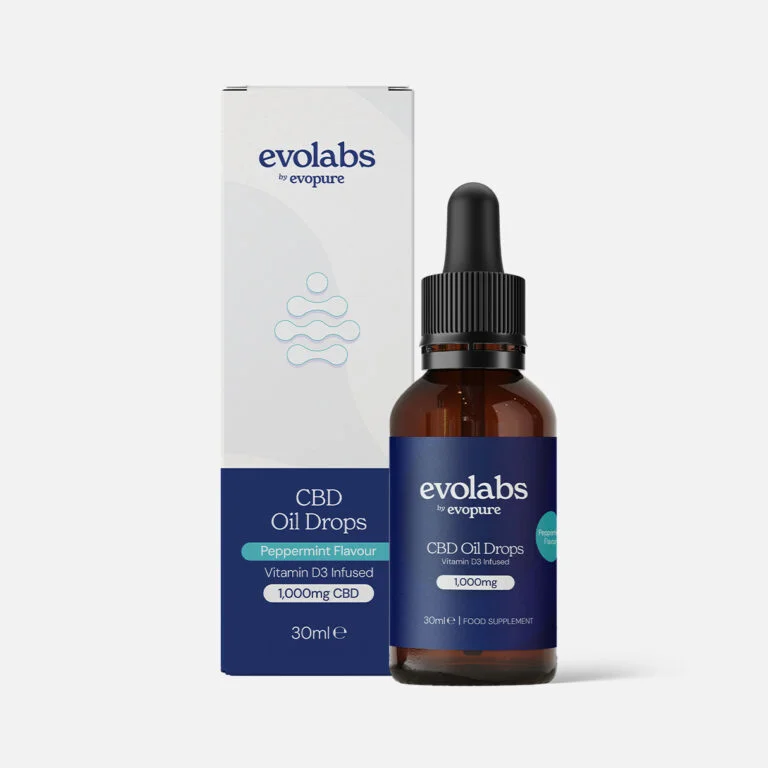
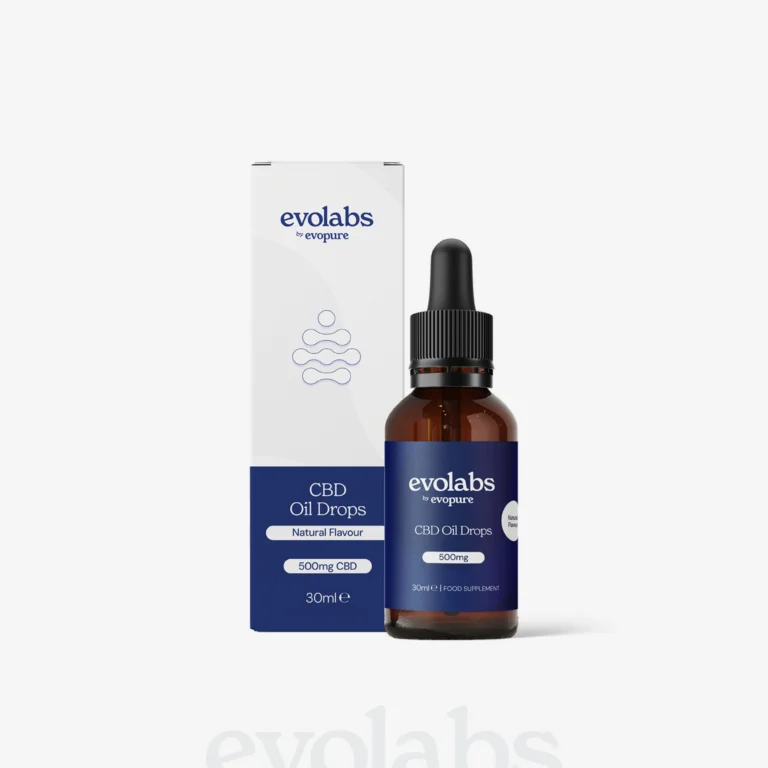
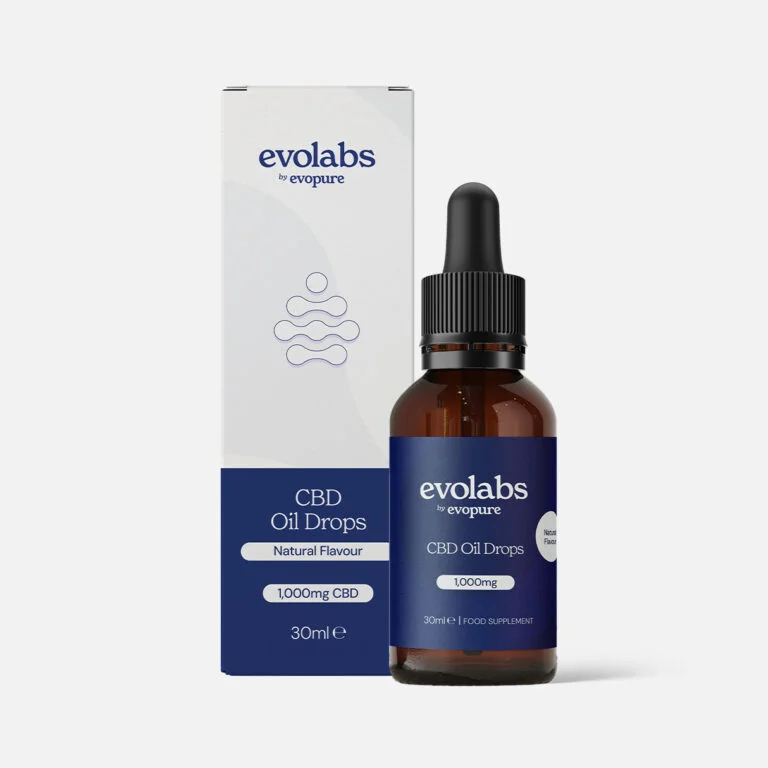
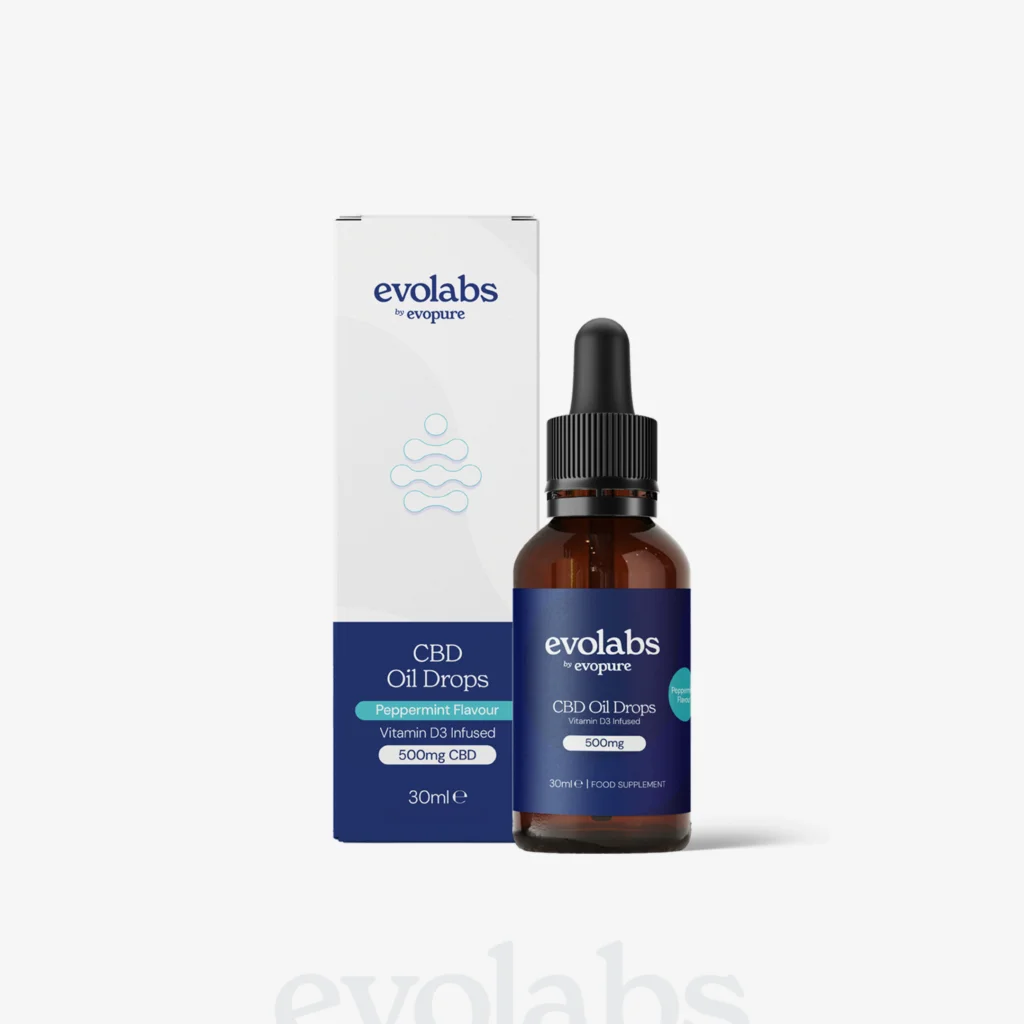
Mint CBD Oil With Vitamin D3 · Evolabs
Evopure doesn’t sell a vitamin K2 supplement. If vitamin D3 is what you’re after and you already use CBD, Evopure’s Mint CBD Oil + Vit D3 (Evolabs, 1,000mg, 30ml) gives 10 micrograms (400 IU) of vegan, algae-based vitamin D3 per half pipette, 200% NRV. It contains no vitamin K. Vitamin D contributes to the normal function of the immune system.
Add Mint CBD Oil + Vit D3 1,000mg to bag See ingredients and reviews
The FSA advises healthy adults to take no more than 10mg of CBD a day: about 0.3ml of this 1,000mg oil gives 10mg. Adults only. Subscribe and save 25% on your first order, then 20%. New to Evopure? Join our emails for 20% off a one-off first order. Free UK delivery over £45.
Subscribe from £13.49One-off from £17.99
View productWhat is vitamin K2?
Vitamin K2 is the name for a group of compounds called menaquinones. They are shortened to MK-4 up to MK-13, depending on the length of their side chain. Vitamin K1 (phylloquinone) comes from plants, while K2 is mostly made by bacteria, including those used to ferment foods and some in your gut. Both are vitamin K and do the same basic job.
| Vitamin K2 fact | The detail |
|---|---|
| Chemical name | Menaquinones (MK-4 to MK-13) |
| Form in most supplements | MK-7, often from natto |
| Richest food | Natto (fermented soya beans) |
| NHS daily need (all vitamin K) | About 1 microgram per kg of body weight: 65 micrograms at 65kg |
| EFSA adequate intake | 70 micrograms a day for adults (set for K1) |
| Label NRV | 75 micrograms |
| Supplement safety line | 1mg (1,000 micrograms) or less a day unlikely to cause harm (NHS) |
| Biggest caution | Never take with warfarin unless your anticoagulant clinic agrees |
There is no separate UK or EFSA reference amount for K2. EFSA said in 2017 that the evidence on menaquinones was too limited, so its adult figure of 70 micrograms covers K1 only.
Vitamin K1 vs K2: what’s the difference?
Vitamin K1 and K2 differ in where they come from and how long they stay in your blood. K1 comes from green leafy vegetables and is cleared within hours. K2 comes from bacteria, fermented foods and animal foods, and its MK-7 form lasts for days. Both help make the proteins your body needs for blood clotting.
| How they differ | Vitamin K1 | K2 as MK-4 | K2 as MK-7 |
|---|---|---|---|
| Also called | Phylloquinone | Menatetrenone | Menaquinone-7 |
| Main sources | Leafy greens, vegetable oils | Meat, egg yolk, butter | Natto, some cheeses |
| Time in the blood | Hours | Hours | Days |
| In supplements | Common in multivitamins | Less common | Most K2 products |
Most of the vitamin K in a UK diet is K1. If you want to know where vitamin D fits alongside it, see our guide to vitamin D vs D3.
What is vitamin K2 MK-7?
Vitamin K2 MK-7 (menaquinone-7) is the long-chain form of vitamin K2 found in natto and used in most K2 supplements. It is absorbed well and stays in the blood for days rather than hours, so levels build up steadily with daily use. That long life is also why it can interfere with warfarin at low doses.
What the studies found:
- MK-7 vs K1: in healthy volunteers, both were absorbed well, but MK-7 lasted much longer and built up to 7 to 8 times higher levels with daily intake. The researchers warned that 50 micrograms a day or more of MK-7 may interfere with anticoagulant treatment.
- MK-7 vs MK-4: in healthy Japanese women given 420 micrograms of each, MK-7 was detectable in the blood for up to 48 hours, while MK-4 couldn’t be detected at all at that nutritional dose.
MK-4 is used at very high doses (45mg a day) as a prescription osteoporosis medicine in Japan, which is a medical treatment rather than a supplement amount.
Which foods contain vitamin K2?
Natto, a Japanese dish of fermented soya beans, is by far the richest food source of vitamin K2, mainly as MK-7. Smaller amounts come from hard and soft cheeses, curd cheese, egg yolks, butter, chicken, other meat and liver. Leafy greens are rich in vitamin K1 rather than K2.
- Natto: the standout source. A Dutch food analysis found blood K2 levels after a natto meal were about 10 times higher than K1 levels after a large portion of spinach.
- Cheese: fermented with bacteria, so it contains longer-chain menaquinones; amounts vary by type and ripening.
- Egg yolk, butter, chicken and liver: mainly MK-4, in small amounts.
- Leafy greens: broccoli, spinach, kale and cabbage give you K1, which the NHS lists as the main source of vitamin K.
Fermented foods are popular for other reasons too; see our guide to signs of poor gut health and fermented foods. If you are cutting back on dairy or meat, vitamin K1 from greens still covers your basic need.
How much vitamin K2 do you need?
There is no official daily amount for vitamin K2 on its own. The NHS says adults need about 1 microgram of vitamin K (K1 and K2 together) per kilogram of body weight a day, so 65 micrograms at 65kg or 75 micrograms at 75kg, and that a varied diet should provide it.
- Food first: the vitamin K your body doesn’t need straight away is stored in the liver, so you don’t need it every day.
- Supplements: K2 products commonly contain 50 to 200 micrograms of MK-7. The NHS says taking 1mg (1,000 micrograms) or less of vitamin K supplements a day is unlikely to cause harm.
- High doses: the NHS says there isn’t enough evidence to know what high daily doses of vitamin K supplements might do.
- Add it up: multivitamins and D3 and K2 combinations may already contain vitamin K, so count every product. See are multivitamins worth taking? and can you overdose on vitamins?
What does vitamin K2 do?
These are the authorised health claims for vitamin K in Great Britain, which cover K1 and K2:
- Vitamin K contributes to normal blood clotting.
- Vitamin K contributes to the maintenance of normal bones.
Vitamin K works by activating proteins, including osteocalcin in bone and matrix Gla protein in blood vessel walls. That is why K2 is studied for bones and arteries. The research so far is mixed:
| Research question | What studies found | How strong |
|---|---|---|
| Bone density after menopause | 180 micrograms of MK-7 a day for 3 years slowed bone loss at the lower spine and the top of the thigh bone in 244 Dutch women | One trial |
| Bones overall | A 2019 review of 36 vitamin K trials found no clear effect on bone density | Review, mixed |
| Artery stiffness | The same 3-year Dutch trial reported less arterial stiffening with MK-7 | One trial |
| Heart valve calcification | 720 micrograms of MK-7 plus vitamin D for 2 years made no difference in 365 men | Trial, no effect |
| Heart disease | Higher dietary K2 was linked with less heart disease in the Rotterdam Study | Observational only |
Our honest summary: vitamin K matters for clotting and bones, and you get it from food. Whether extra K2 from a supplement improves bones or arteries in healthy people isn’t settled. For other nutrients that matter to bones, see calcium supplements, magnesium and bone health and magnesium and calcium together.
Should you take vitamin D3 with K2?
For most people, taking vitamin D3 with K2 is optional, not necessary. The NHS advises 10 micrograms (400 IU) of vitamin D a day in autumn and winter and doesn’t advise adding K2. Vitamin D3 and K2 are paired because both are involved in handling calcium, but trials of the combination are limited and mixed.
- The theory: vitamin D contributes to normal absorption and utilisation of calcium, and vitamin K activates the proteins that bind calcium in bone.
- The evidence: a 2024 review of 31 studies of vitamin D with vitamin K in women after menopause found some positive results for bone and heart markers, but the doses, forms and trial lengths varied widely.
- If you choose a D3 + K2 product: check the D3 amount (most adults shouldn’t go above 100 micrograms, 4,000 IU, a day from all sources), keep vitamin K under 1mg a day, and don’t take it at all if you’re on warfarin.
For timing and dose, see the best time to take vitamin D, too much vitamin D and vitamin D in winter. For a product comparison, see the best vitamin D supplement UK guide.
Vitamin K2 , warfarin and other blood thinners
Vitamin K reverses the effect of warfarin, so a K2 supplement can make warfarin work less well and change your INR blood test result. The NHS says not to take vitamin K supplements while you’re taking warfarin.
- Warfarin (and other vitamin K antagonists such as acenocoumarol): speak to your GP or anticoagulant clinic before taking any product containing vitamin K, including D3 and K2 combinations and multivitamins. In one study, as little as 10 micrograms of MK-7 a day noticeably changed the effect of a similar blood thinner in some healthy volunteers.
- Food on warfarin: the NHS says foods high in vitamin K, such as broccoli, spinach and other green leafy vegetables, can affect warfarin. You can still eat them, but ask your warfarin clinic for advice and talk to your doctor before any big change to your diet.
- Other anticoagulants and antiplatelets (such as apixaban, rivaroxaban, edoxaban, dabigatran or clopidogrel): these work differently, but still check with your GP or pharmacist before adding any supplement.
- Also check first if you have liver or kidney disease, a bleeding or clotting disorder, are due an operation, or are pregnant or breastfeeding.
Starting or stopping a K2 supplement suddenly is the main risk for anyone on warfarin, so never do either without your clinic’s advice. If you take a statin as well, see do statins make you tired?
Next step
Mint CBD Oil With Vitamin D3 · Evolabs
A varied diet covers vitamin K for most people. For vitamin D, a plain D3 supplement is the simple choice. If you already use CBD, Evopure’s Mint CBD Oil + Vit D3 (Evolabs, 1,000mg) gives 10 micrograms (400 IU) of vegan D3 per half pipette, 200% NRV, and no vitamin K. Vitamin D contributes to the maintenance of normal bones.
Add Mint CBD Oil + Vit D3 1,000mg to bag
The FSA advises healthy adults to take no more than 10mg of CBD a day: about 0.3ml of this 1,000mg oil gives 10mg. Adults only. Subscribe and save 25% on your first order, then 20%. New to Evopure? Join our emails for 20% off a one-off first order. Free UK delivery over £45. If you take any regular medicines, check with your GP or pharmacist first. We don’t recommend our products during pregnancy or breastfeeding.
Subscribe from £13.49One-off from £17.99
View productThe FSA’s 10mg a day figure is precautionary advice rather than a legal limit, set while longer-term safety research continues. At Evopure we think it is a very cautious figure, and many adults use more. If you go above it, increase slowly, and check with your GP or pharmacist first if you take any medication.
Prefer no CBD? Our Magnesium Glycinate Sleep Complex is a berry drink powder with 290mg of magnesium (77% NRV) per 4.75g serving; magnesium contributes to a reduction of tiredness and fatigue. Our Reishi Mushroom Adaptogenic Complex contains a little natural caffeine from cacao.
Sources 16
- NHS. Vitamin K and Vitamin D.
- NHS. Warfarin.
- EFSA Panel on Dietetic Products, Nutrition and Allergies (2017). Dietary reference values for vitamin K. EFSA Journal.
- Department of Health and Social Care. Great Britain nutrition and health claims (NHC) register. GOV.UK.
- Schurgers LJ et al (2007). Vitamin K-containing dietary supplements: comparison of synthetic vitamin K1 and natto-derived menaquinone-7. Blood.
- Sato T et al (2012). Comparison of menaquinone-4 and menaquinone-7 bioavailability in healthy women. Nutrition Journal.
- Schurgers LJ, Vermeer C (2000). Determination of phylloquinone and menaquinones in food. Haemostasis.
- Wen Z et al (2025). Habitual natto intake elevates serum MK-7 levels, enhances osteocalcin carboxylation, and supports bone density: a meta-analysis of Japanese evidence. Frontiers in Nutrition.
- Knapen MH et al (2013). Three-year low-dose menaquinone-7 supplementation helps decrease bone loss in healthy postmenopausal women. Osteoporosis International.
- Knapen MH et al (2015). Menaquinone-7 supplementation improves arterial stiffness in healthy postmenopausal women. Thrombosis and Haemostasis.
- Mott A et al (2019). Effect of vitamin K on bone mineral density and fractures in adults: an updated systematic review and meta-analysis of randomised controlled trials. Osteoporosis International.
- Diederichsen ACP et al (2022). Vitamin K2 and D in patients with aortic valve calcification: a randomized double-blinded clinical trial. Circulation.
- Geleijnse JM et al (2004). Dietary intake of menaquinone is associated with a reduced risk of coronary heart disease: the Rotterdam Study. Journal of Nutrition.
- Rusu ME et al (2024). Investigating the effects and mechanisms of combined vitamin D and K supplementation in postmenopausal women. Nutrients.
- Theuwissen E et al (2013). Effect of low-dose supplements of menaquinone-7 (vitamin K2) on the stability of oral anticoagulant treatment. Journal of Thrombosis and Haemostasis.
- FSA. Cannabidiol (CBD) guidance.
This guide is general information, not medical advice. Evopure makes the Evolabs Mint CBD Oil with vitamin D3; we don’t sell a vitamin K2 supplement.